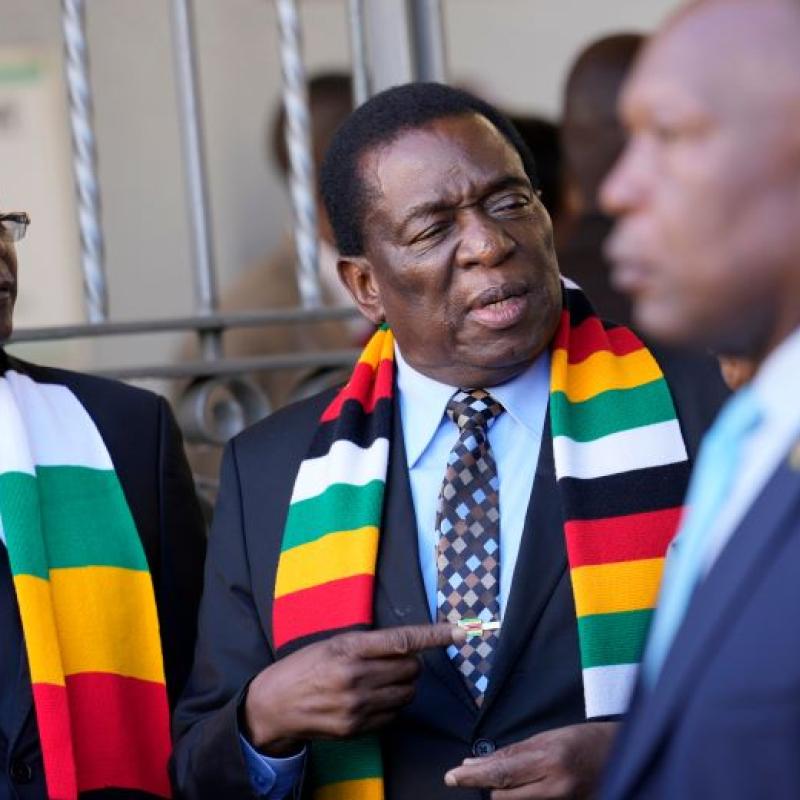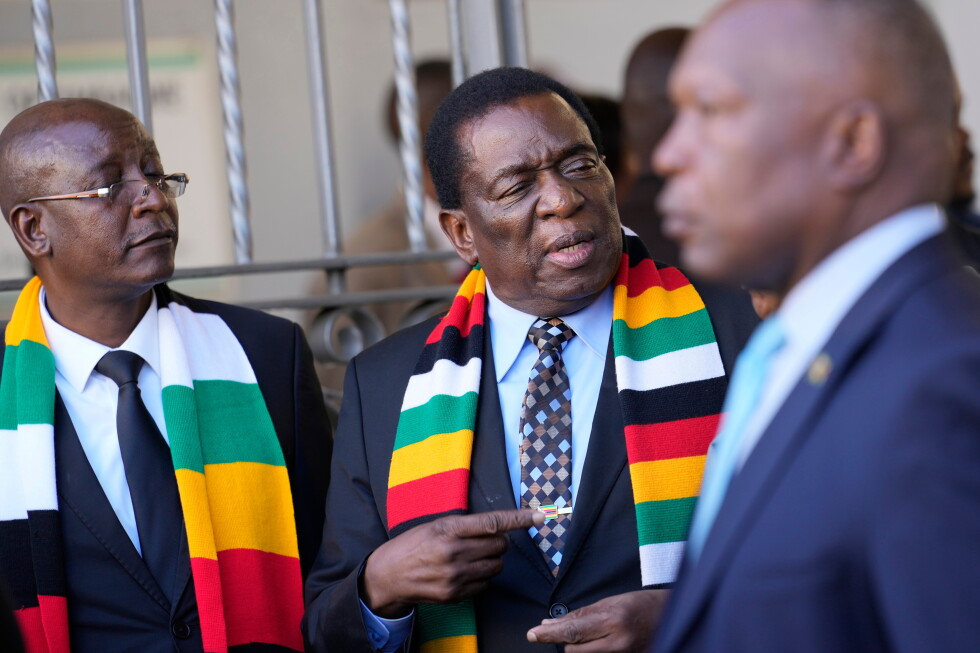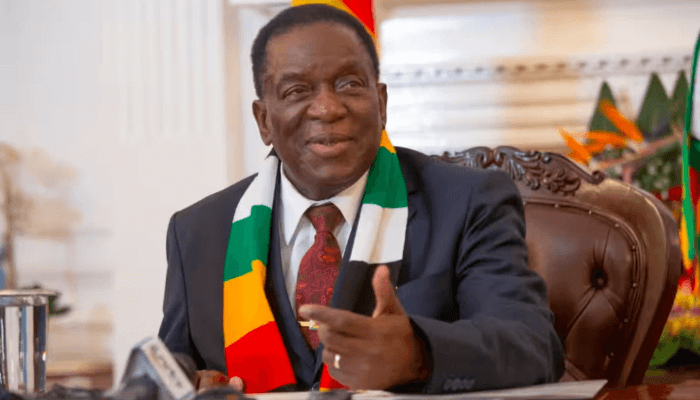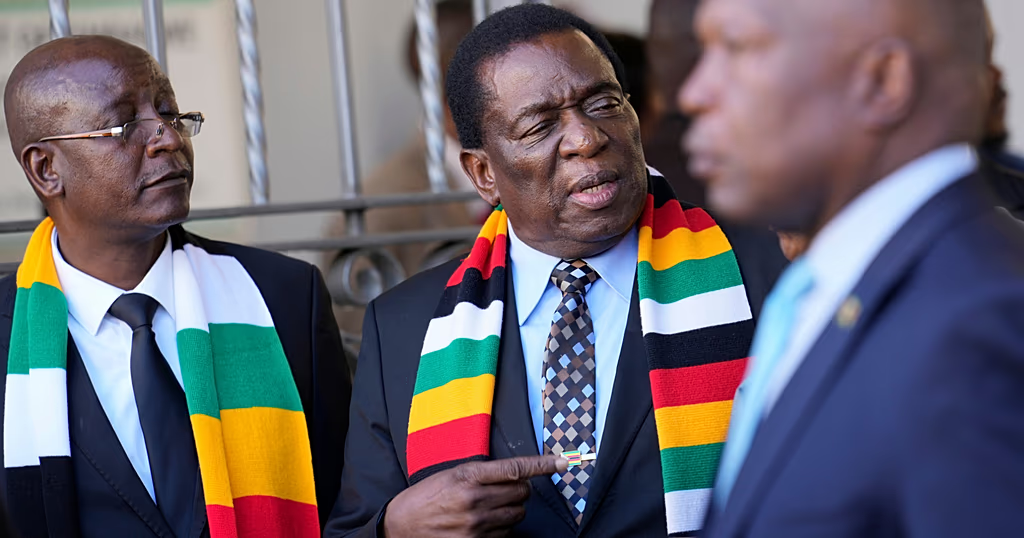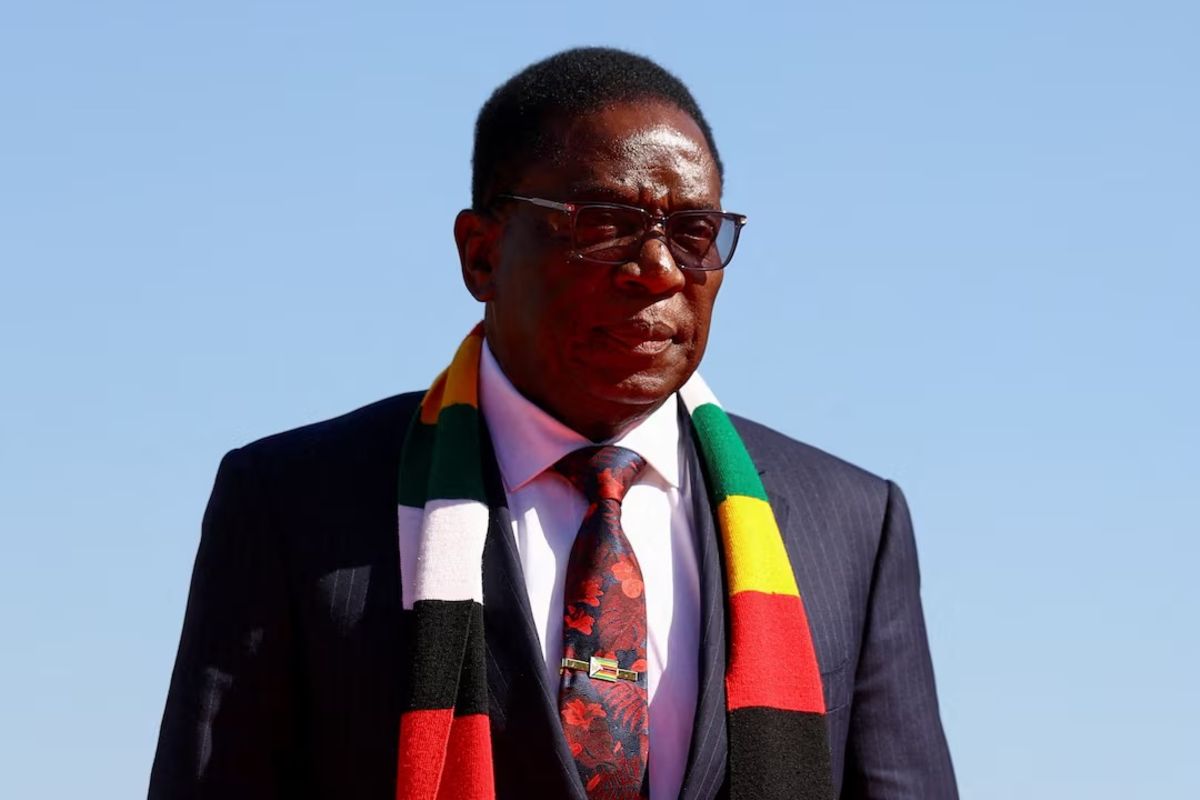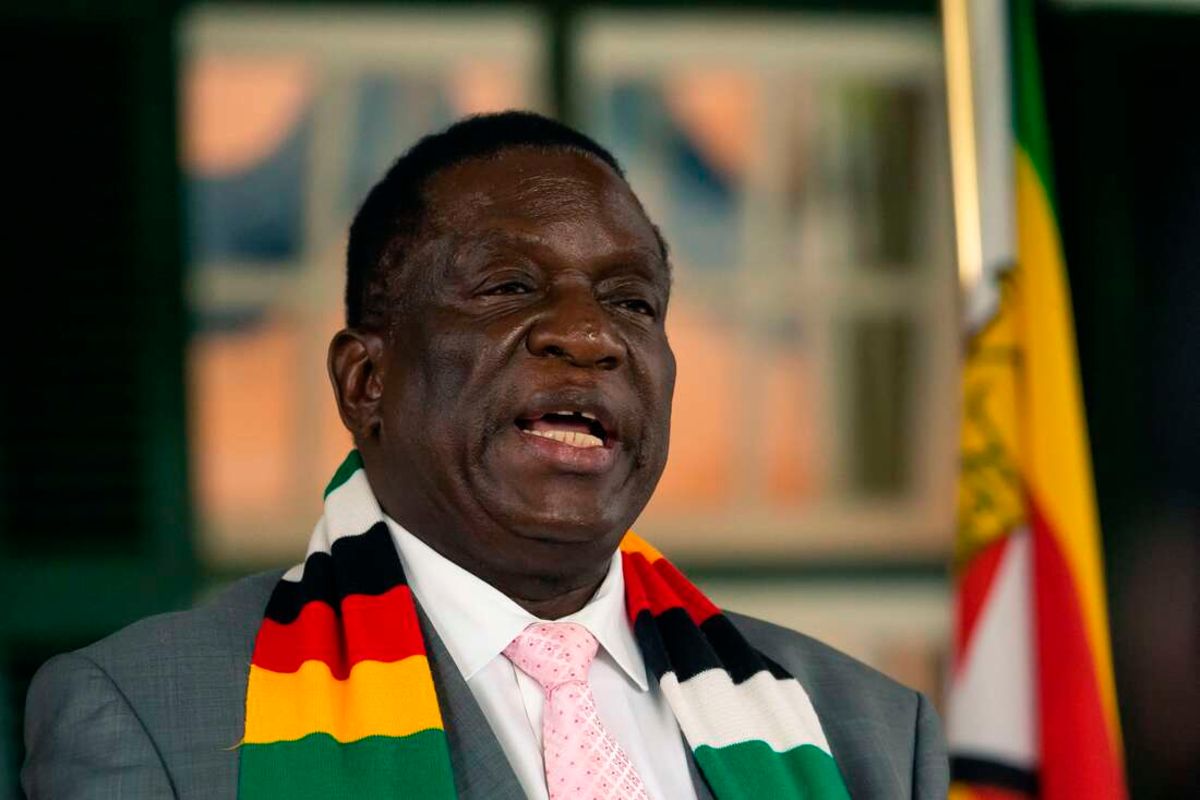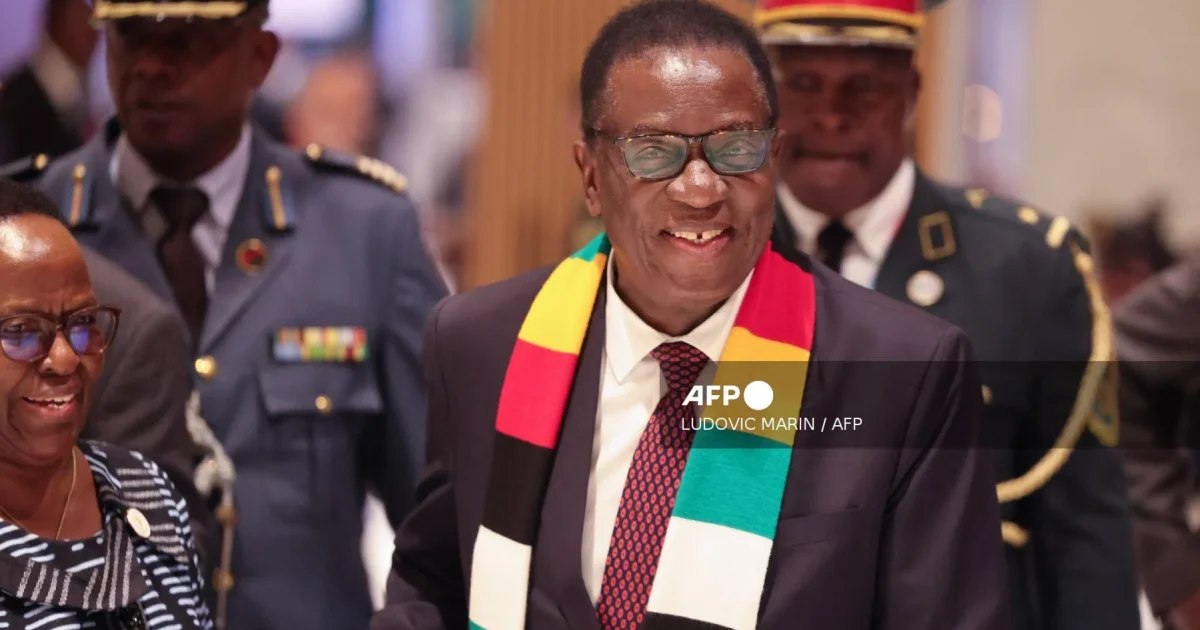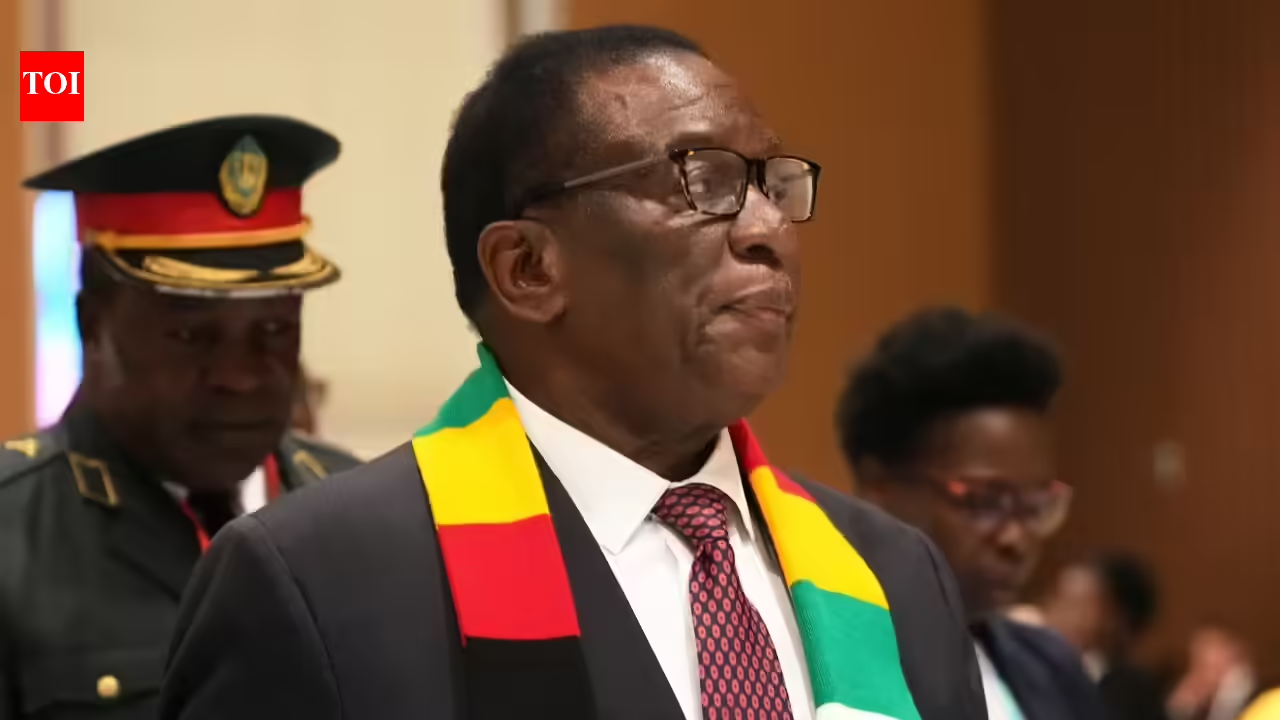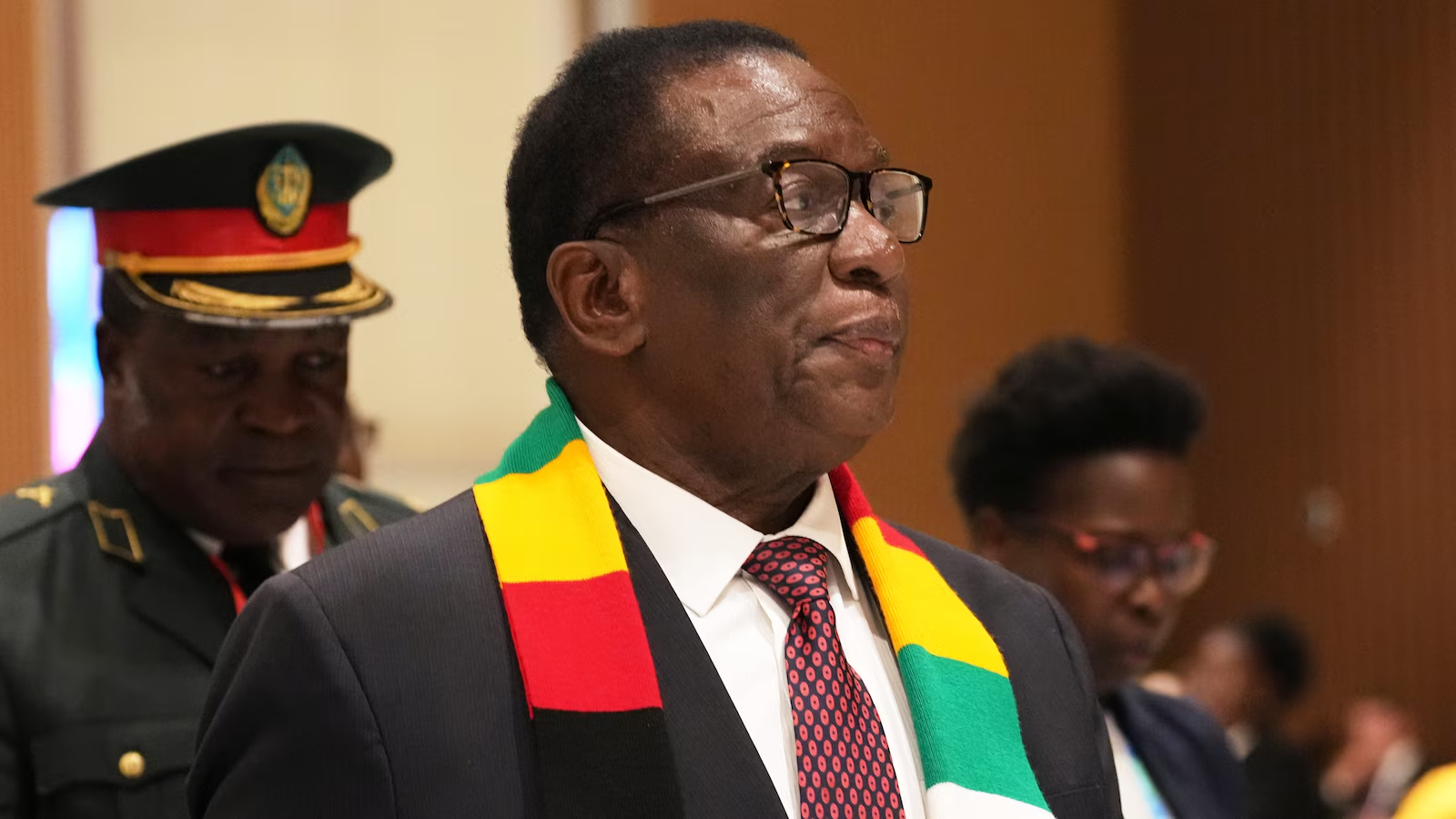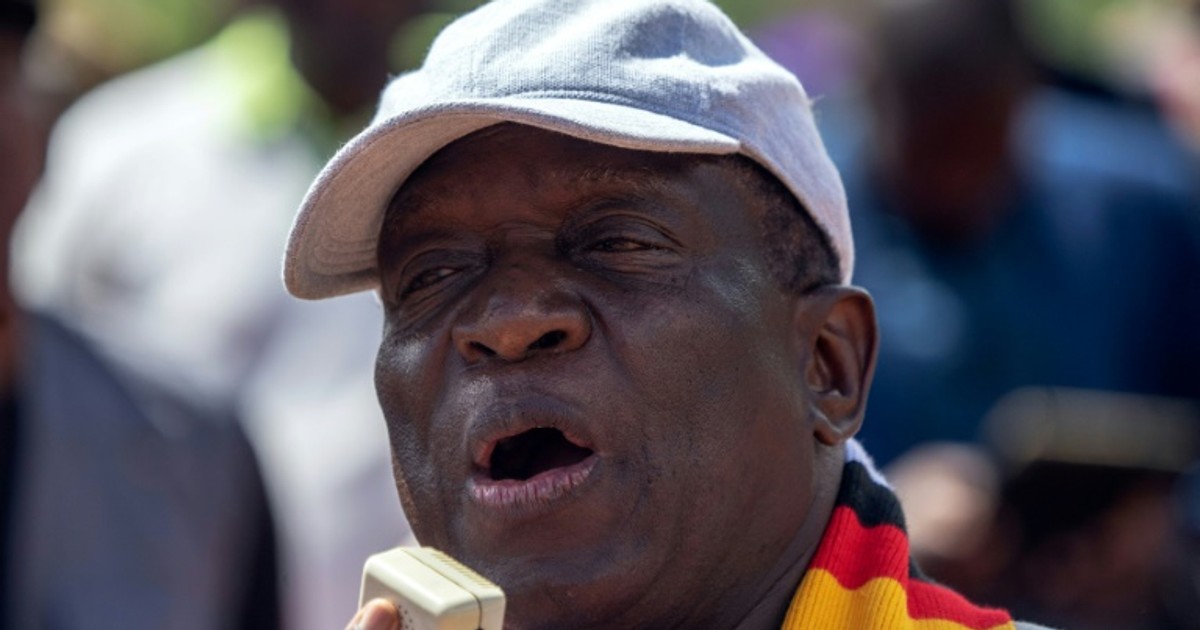
Zimbabwe has taken a major step toward extending the rule of 83-year-old President Emmerson Mnangagwa, introducing a constitutional amendment bill that would postpone elections due in 2028, keep him in office until 2030 and fundamentally change how future leaders are chosen.
The proposal, tabled in Parliament on Tuesday, would also replace direct presidential elections with a parliamentary voting system, marking one of the most significant political reforms since Mnangagwa took power following the military-backed removal of longtime ruler Robert Mugabe in 2017.
The move is likely to intensify debate over governance and democratic accountability in a country that is simultaneously trying to attract foreign investment into its vast gold, lithium and platinum resources while rebuilding confidence in its economy.
Justice Minister Ziyambi Ziyambi introduced the bill in the lower house of Parliament, setting in motion a legislative process that the government hopes to complete within weeks.
If approved, the amendment would defer elections scheduled for 2028 by two years and extend the terms of the president, members of parliament, mayors and councillors from five years to seven.