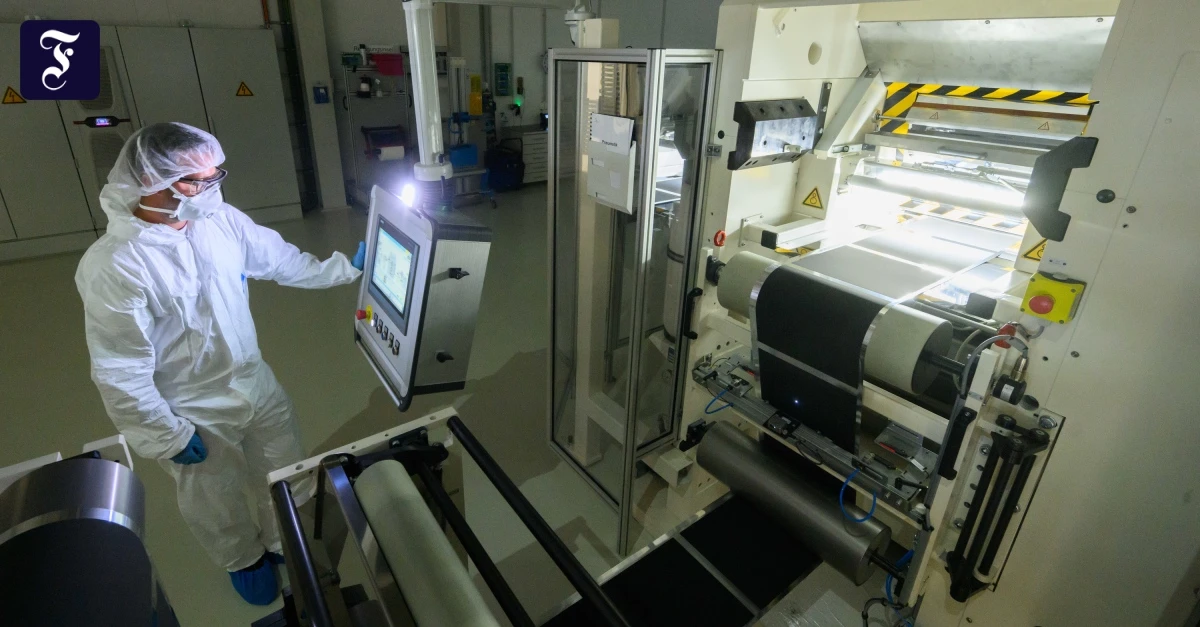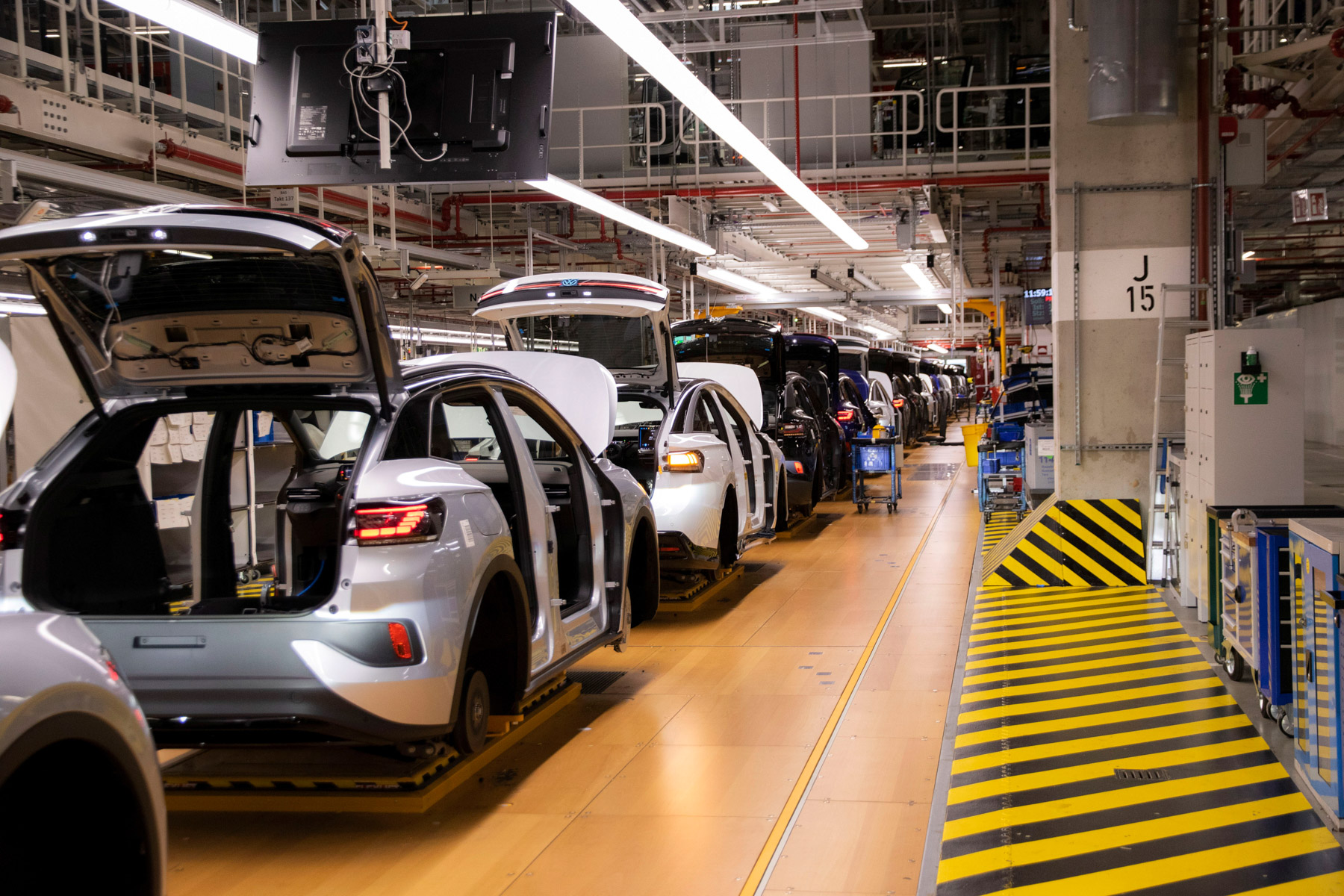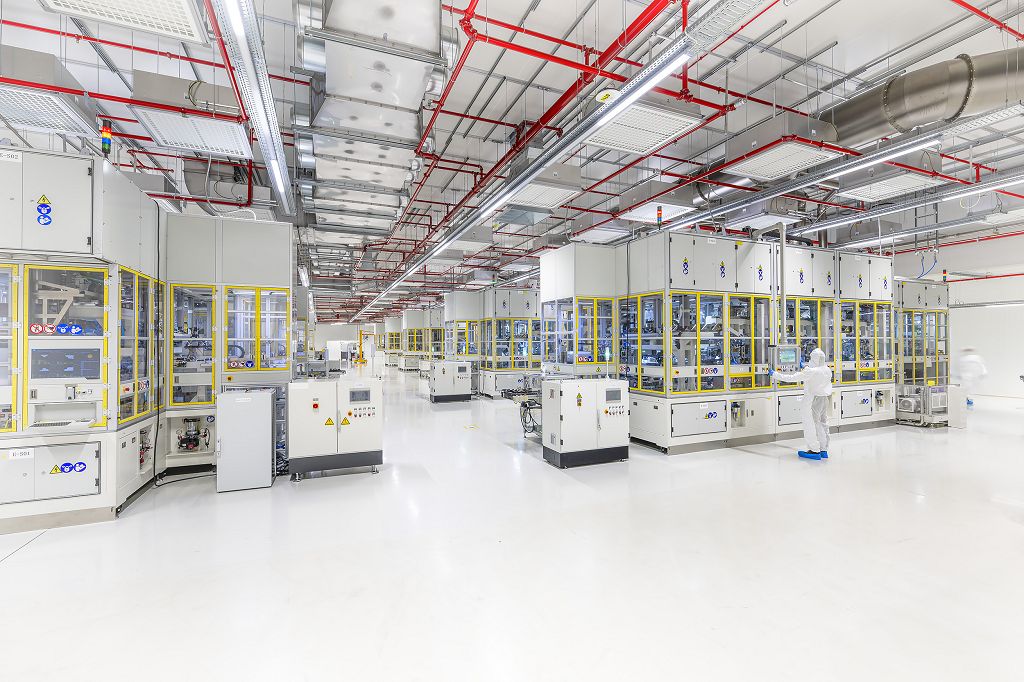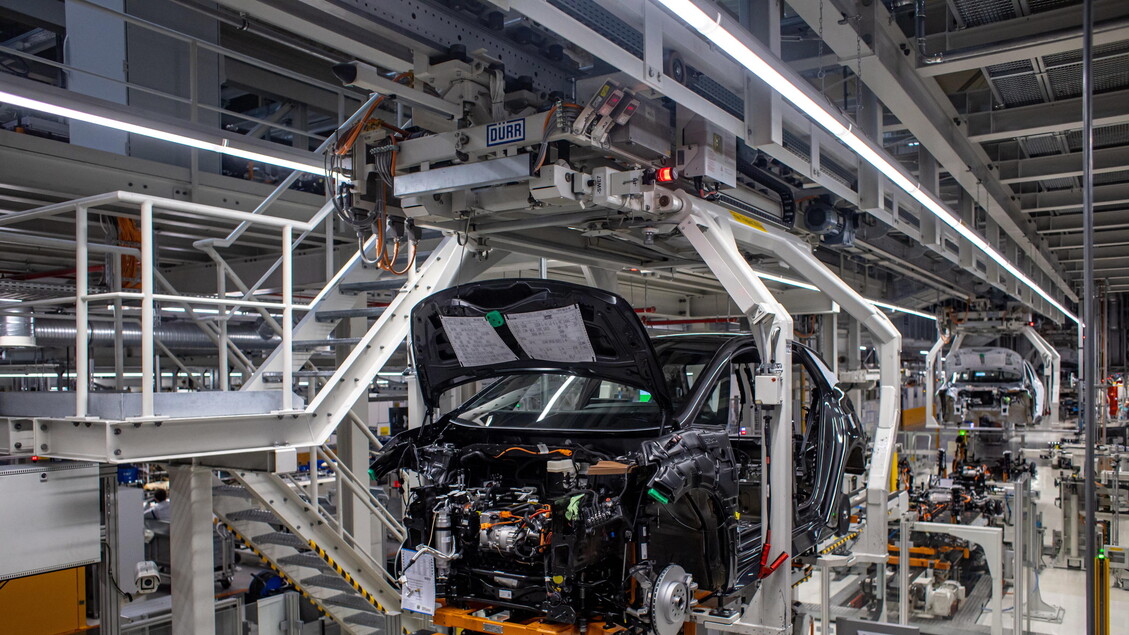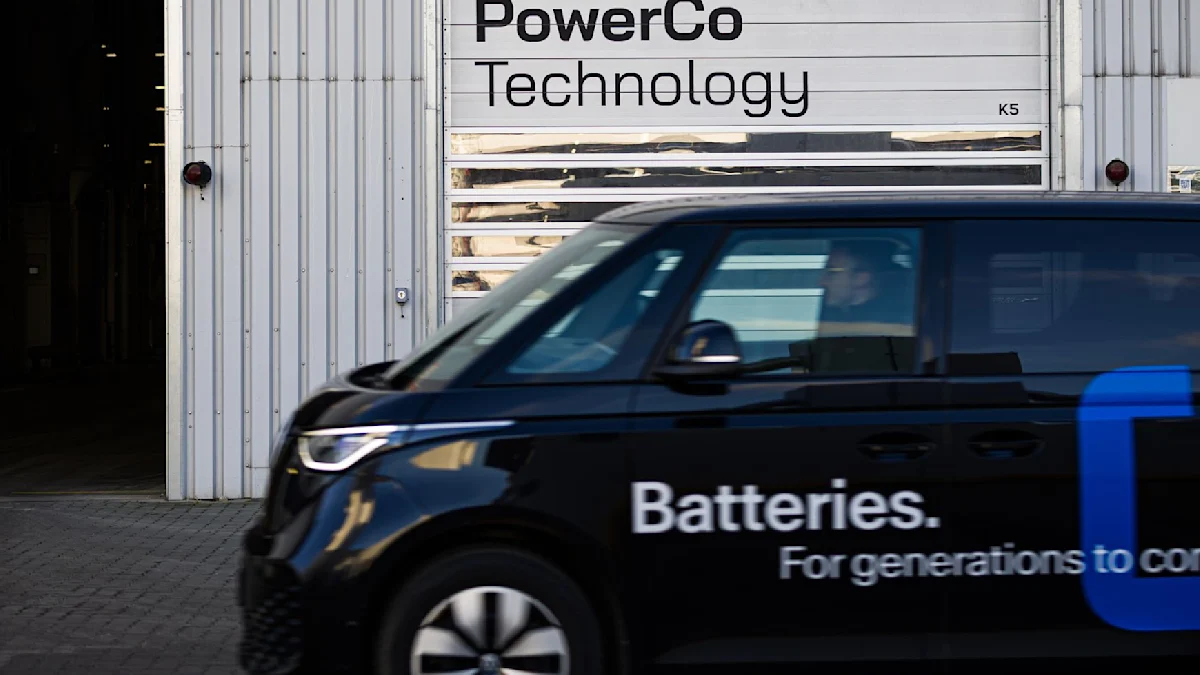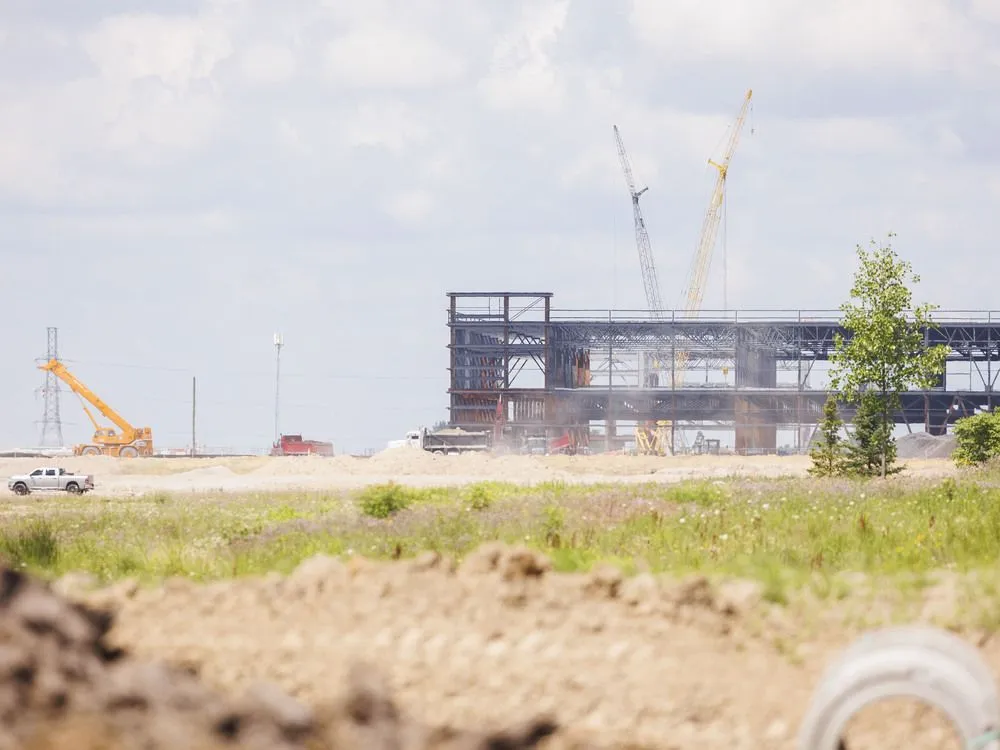
Skip to Content News Archives Economy Energy Oil & Gas Renewables Electric Vehicles Mining Commodities Agriculture Real Estate Mortgages Mortgage Rates Finance Banking Insurance Fintech Cryptocurrency Work Wealth Smart Money Wealth Management Investor Personal Finance Family Finance Retirement Taxes High Net Worth FP Comment Executive Women Puzzmo Newsletters Financial Times Business Essentials More Innovation Information Technology FP500 Podcasts Small Business Lives Told Tails Told Shopping Financial Post Store Obituaries Place a Notice Advertising Advertising With Us Advertising Solutions Postmedia Ad Manager Sponsorship Requests Classifieds Place a Classifieds ad Working Profile Settings My Subscriptions Saved Articles My Offers Newsletters Customer Service FAQ News Economy Energy Mining Real Estate Finance Work Wealth Investor FP Comment Executive Women Puzzmo Newsletters Financial Times Business Essentials HomeNewsTransportationAutosVolkswagen's PowerCo sticks to 2027 opening for St. Thomas battery plantThe company says production remains on track despite mounting challenges at parent companyLast updated 2 hours ago You can save this article by registering for free here. Or sign-in if you have an account.PowerCo Canada Inc. says it still intends to start production at its $7-billion St. Thomas electric battery plant in 2027 despite challenges its parent company Volkswagen AG is facing. Construction of the plant is shown in a photo taken on Wednesday, July 8, 2026. (Geoff Robins/The London Free Press)PowerCo. Canada Inc. says it is sticking to its plan to start production at its St. Thomas battery plant in 2027, a decision one auto sector analyst described as “significant” given the tough spot its parent company, Volkswagen AG, finds itself in.Subscribe now to read the latest news in your city and across Canada.Exclusive articles from Barbara Shecter, Joe O'Connor, Gabriel Friedman, and others.Daily content from Financial Times, the world's leading global business publication.Unlimited online access to read articles from Financial Post, National Post and 15 news sites across Canada with one account.National Post ePaper, an electronic replica of the print edition to view on any device, share and comment on.Daily puzzles, including the New York Times Crossword.Subscribe now to read the latest news in your city and across Canada.Exclusive articles from Barbara Shecter, Joe O'Connor, Gabriel Friedman and others.Daily content from Financial Times, the world's leading global business publication.Unlimited online access to read articles from Financial Post, National Post and 15 news sites across Canada with one account.National Post ePaper, an electronic replica of the print edition to view on any device, share and comment on.Daily puzzles, including the New York Times Crossword.Create an account or sign in to continue with your reading experience.Access articles from across Canada with one account.Share your thoughts and join the conversation in the comments.Enjoy additional articles per month.Get email updates from your favourite authors.Create an account or sign in to continue with your reading experience.Access articles from across Canada with one accountShare your thoughts and join the conversation in the commentsEnjoy additional articles per monthGet email updates from your favourite authorsSign In or Create an AccountorVolkswagen said Friday it experienced weaker global sales in the second quarter, including a steep decline in China, where sales of the German automaker’s vehicles fell 37 per cent.The world’s second-largest automaker by vehicle sales is also grappling with high energy and labour costs in Europe and tariffs in the United States, where adoption of electric vehicles has been slower than initially projected.Breaking business news, incisive views, must-reads and market signals. Weekdays by 9 a.m.By signing up you consent to receive the above newsletter from Postmedia Network Inc.A welcome email is on its way. If you don't see it, please check your junk folder.The next issue of Posthaste will soon be in your inbox.We encountered an issue signing you up. Please try againThe company, which owns brands including Porsche and Audi, said Thursday it is trying to navigate those challenges by becoming leaner and more agile, including cutting its sprawling model lineup by as much as 50 per cent.Chief executive Oliver Blume was expected to push for doubling job cuts to 100,000 and closing four German plants at a meeting of the supervisory board, but those measures were not approved, leaving only vague plans to reduce the number of models the company sells.Volkswagen reportedly plans to sell more assets following the sale of a majority stake in its heavy-engine division, Everllence. But a PowerCo. spokesperson said in an email the company remains committed to the St. Thomas project, describing the $7-billion investment as “a strategic, long-term commitment to supporting high-quality domestic jobs while strengthening North American supply chains.”The spokesperson said production is still scheduled to begin in 2027, with operations ramping up over time as demand increases. Construction of PowerCo’s “gigafactory” in St. Thomas began nearly a year ago and is forging ahead despite moves by its parent company Volkswagen AG to cut costs. Photo taken on Wednesday, July 8, 2026. (Geoff Robins/The London Free Press)But the PowerCo. plant, expected to employ 3,000 workers, is likely to begin operating below its originally planned capacity, said Conrad Layson, a senior analyst at AutoForecast Solutions LLC.“It’s significant. It is positive news, but it’s not news that’s going to guarantee that they can meet their original commitments initially,” he said. “Expectations are going to have to be adjusted or reduced.”A slower rollout could also stem from Volkswagen’s decision earlier this year to shift production at its Tennessee plant from the electric ID.4 – one of two assembly plants PowerCo. was expected to supply – to the gas-powered Atlas SUV.If the 2027 timeline holds for St. Thomas, Layson said it means Volkswagen remains committed to its Scout off-road SUV and pickup truck, regardless of whether the vehicles are fully electric or extended-range electric vehicles at launch.The plant could serve other sources, too, he said. Audi, for example, has been actively looking to expand its U.S. manufacturing footprint to avoid tariffs that brands such as Porsche, which are primarily manufactured in Germany, have been facing.“Audi’s volumes in both production and sales are bigger than Porsche, and Audi cannot afford those kinds of tariffs and support the kinds of volumes they’re accustomed to,” he said. “It’s too soon to say, but it is certainly a possibility.”As Volkswagen looks to slim down, Layson also didn’t rule out PowerCo. supplying batteries to Europe. Volkswagen said Friday its European EV order book has grown by more than 50 per cent compared to the end of last year.Layson said Volkswagen had planned to build six battery-cell factories, but only two projects – one in Germany and one in Spain – have moved forward. Those batteries, he added, could be cheaper to produce in Canada due to differences in cost structures despite extra transportation costs.“There’s no exploratory going on now for new battery plants, so I think PowerCo. in Ontario is going to fill the void for Volkswagen’s EV consumption in Europe,” he said.With files from Bloomberg News Join the Conversation This website uses cookies to personalize your content (including ads), and allows us to analyze our traffic. Read more about cookies here. By continuing to use our site, you agree to our Terms of Use and Privacy Policy.
Volkswagen's PowerCo sticks to 2027 opening for St. Thomas battery plant
The company says production remains on track despite mounting challenges at parent company Volkswagen.
1,172 words~5 min read