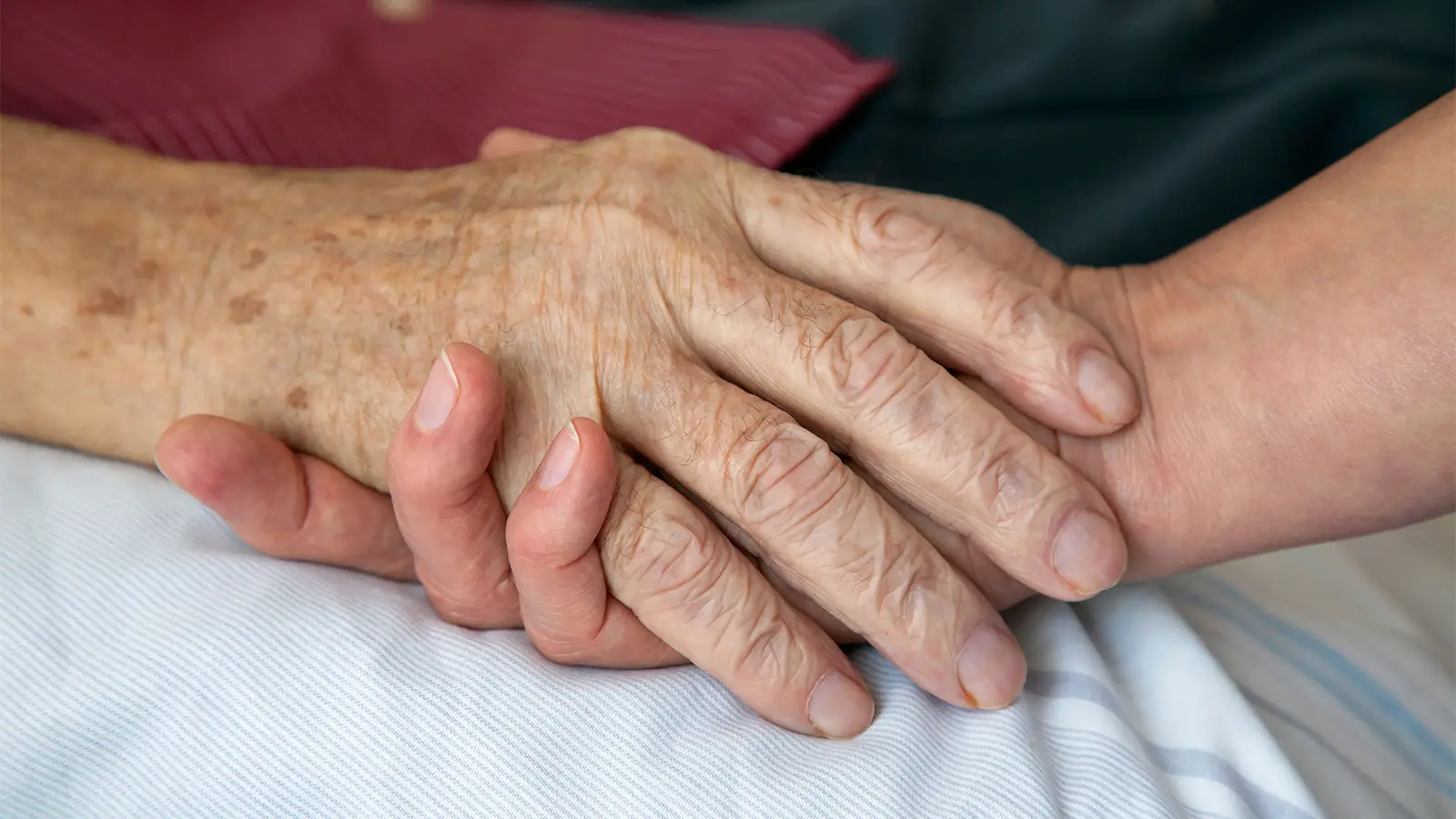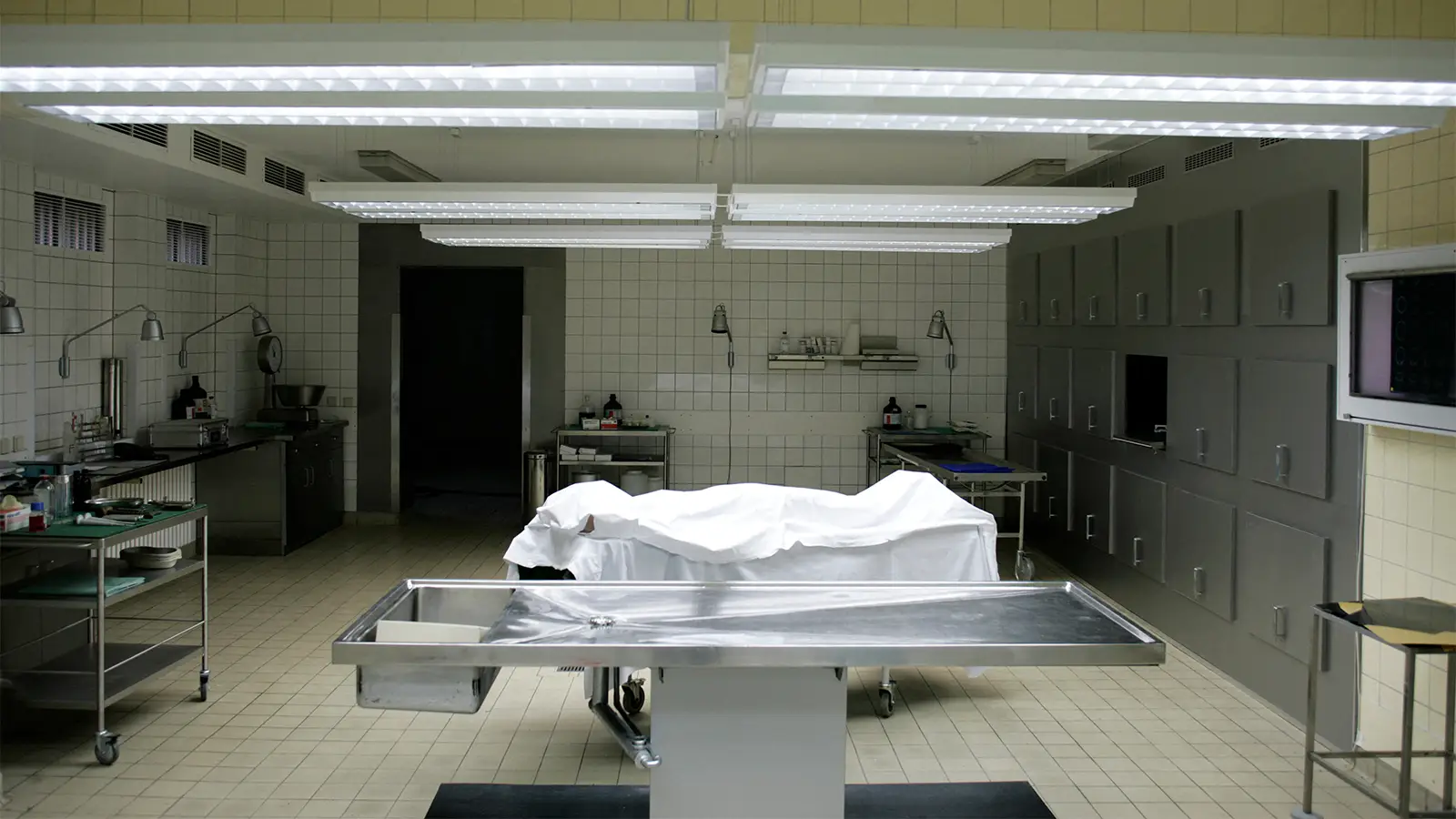
The first person I ever declared dead was a woman with cancer on hospital hospice care, when I was a medical student on my hematology-oncology rotation. The nurse told me the patient had passed, and it became my job to confirm it. The supervising resident stood with me and demonstrated the protocol: listen for breath sounds for over 1 minute, listen for heart sounds through my stethoscope, feel for a pulse, check for neurological responses by shining my penlight at their pupils, and check for a pain response by digging a knuckle into the patient's breastbone. If they don't respond, they aren't breathing, and their heart isn't beating, your patient is a decedent. Write a note in the chart and call the morgue to come pick them up. Simple. Or so I thought.
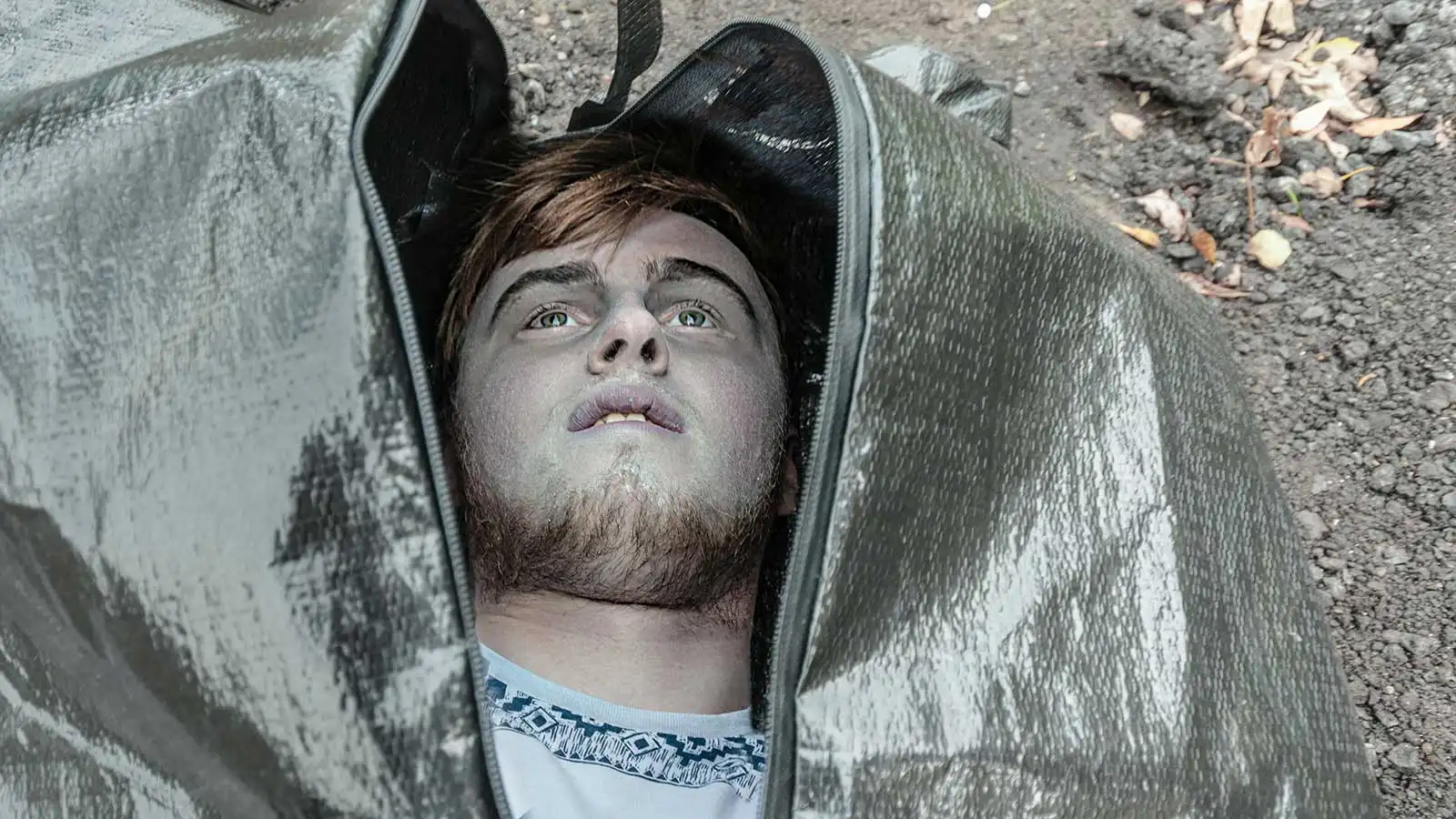
I had a friend working as a paramedic at the time, and when I recounted this experience, he told me the criteria he was trained to follow in the field were a lot narrower. He could declare someone dead if he found decapitation, incineration, lividity and rigidity, decomposition, or evisceration of the heart, brain, or liver. Otherwise, they had to start CPR and rush the patient to a hospital, where only a doctor could declare death.
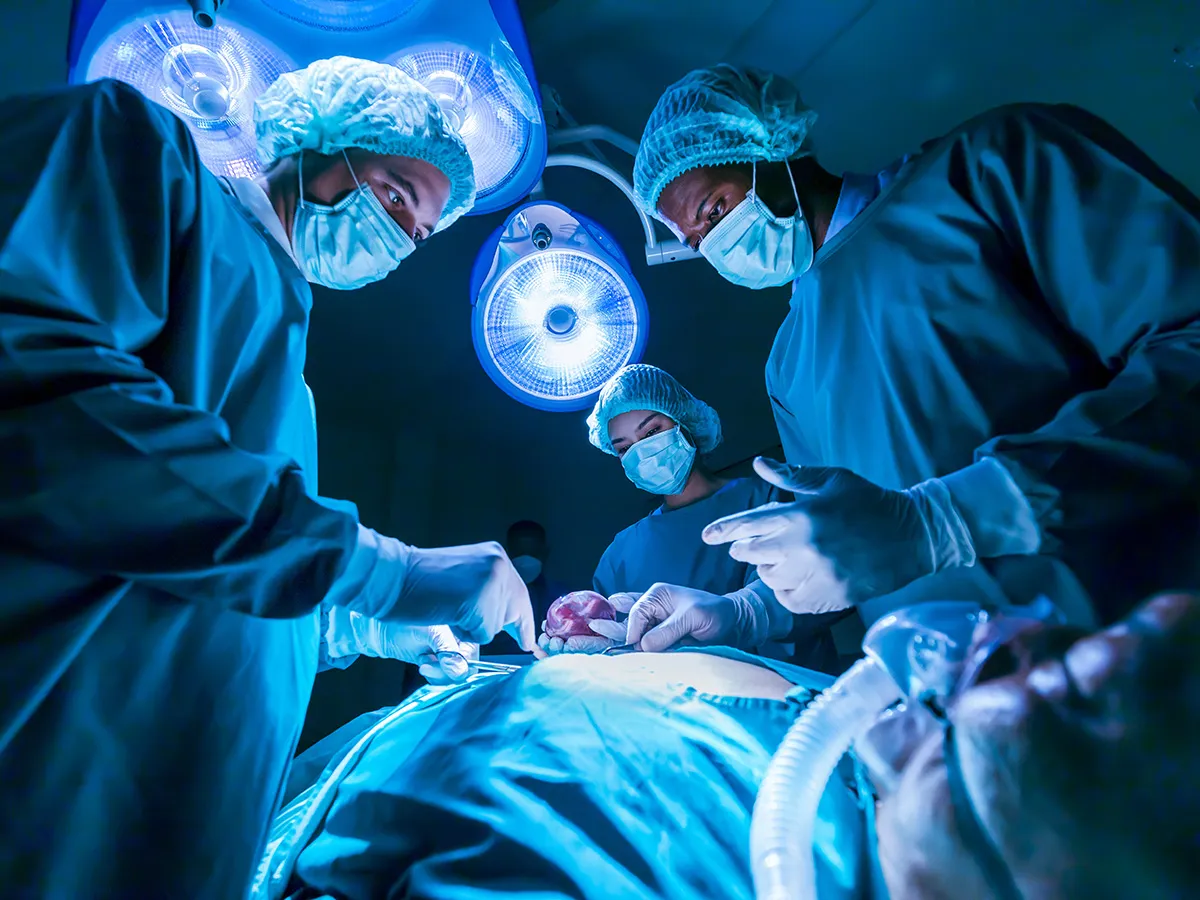
I was confused -- why would my assessment with a stethoscope and a penlight be more valid just because I was performing it in a hospital?