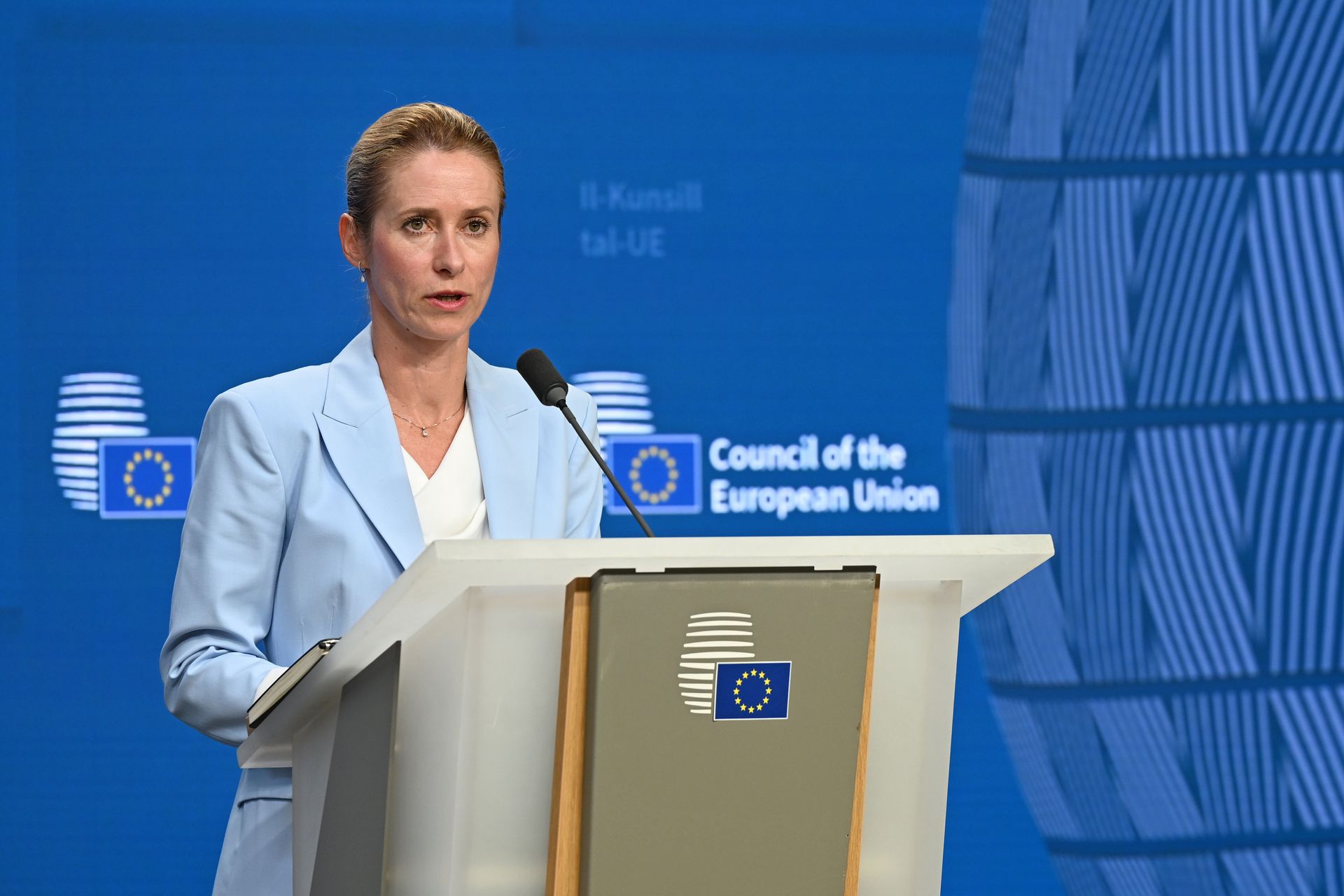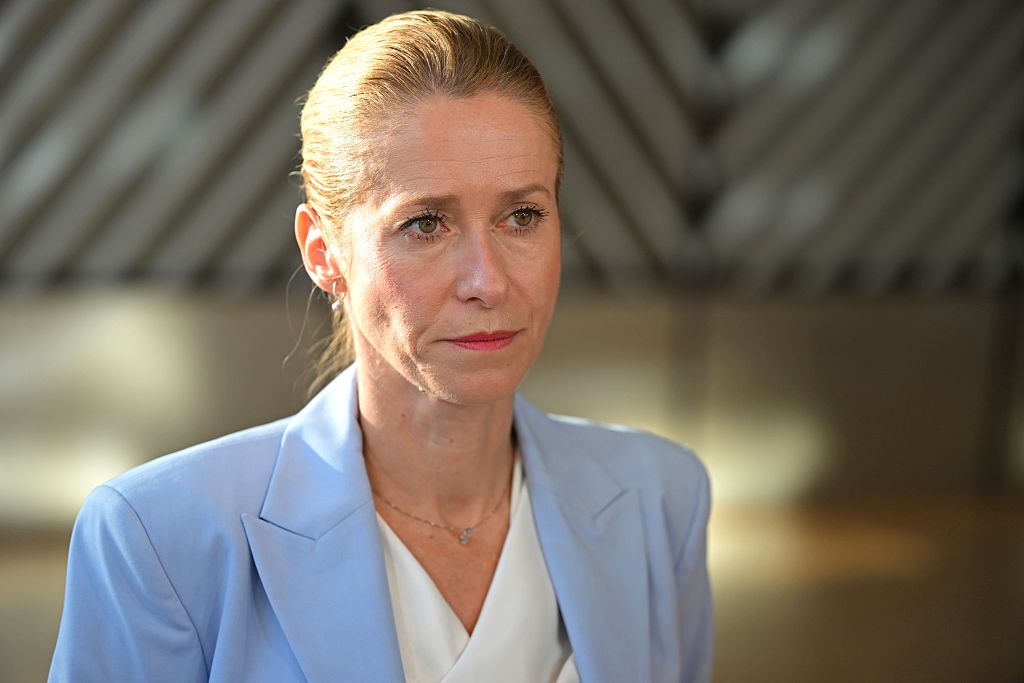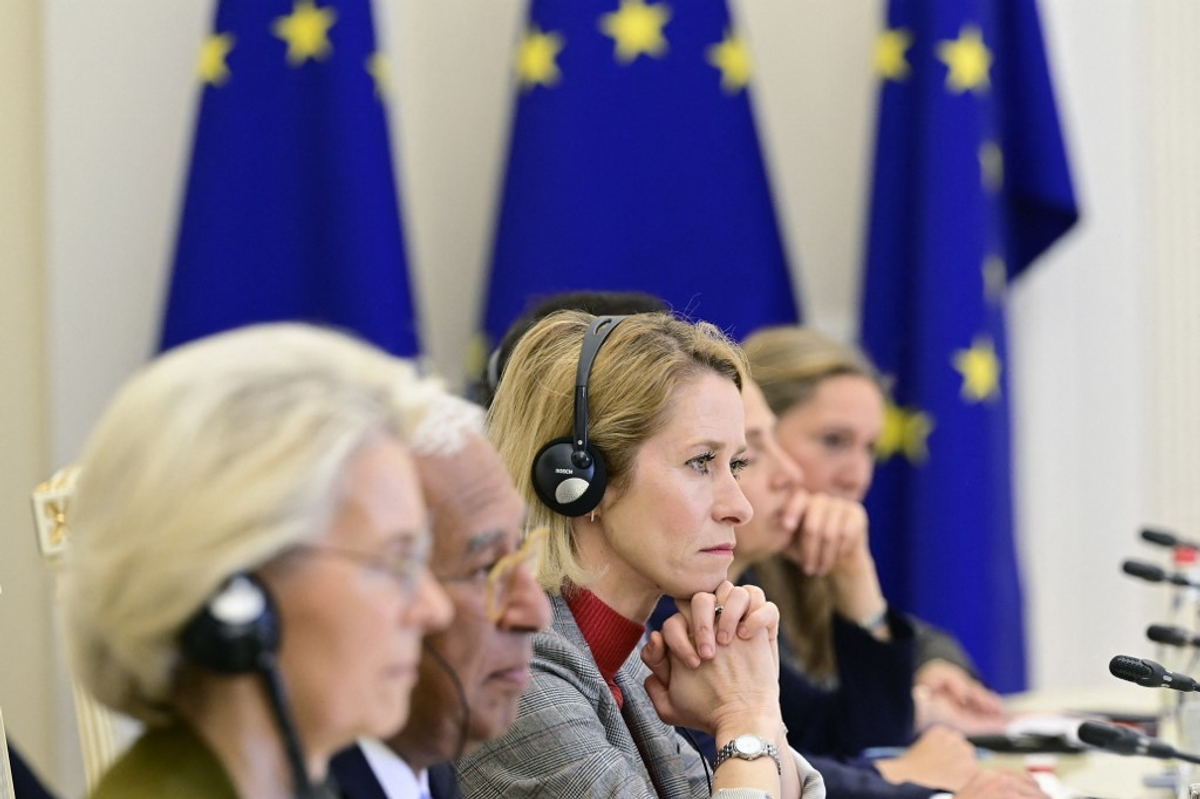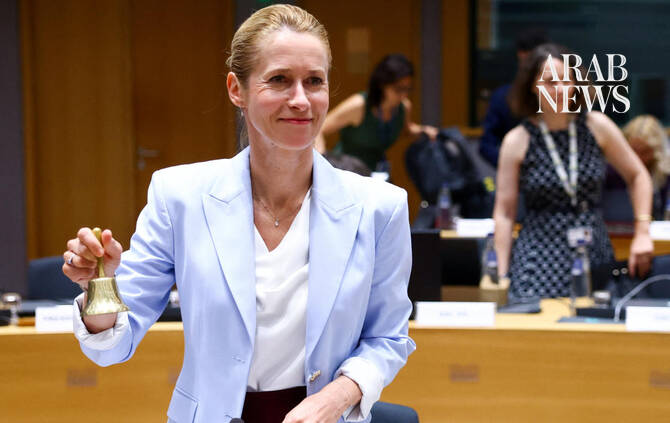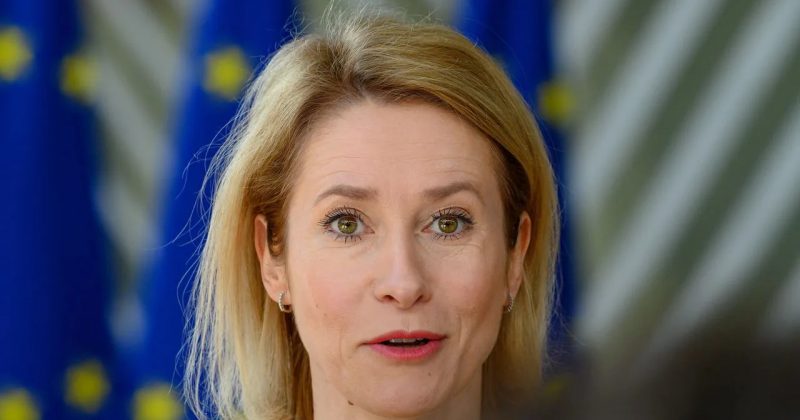
The EU’s top diplomat just told reporters what energy markets didn’t want to hear. Kaja Kallas, the bloc’s High Representative for Foreign Affairs, said on July 13 that there are “no guarantees” the G7/EU oil price cap on Russian crude will be extended past its upcoming deadline.
“I can’t offer you any guarantees,” Kallas said, after EU foreign ministers failed to finalize a 21st sanctions package against Russia. The cap, currently set at an effective rate of $44.10 per barrel, could lapse as early as July 15 if ambassadors don’t reach agreement in follow-up talks scheduled for July 14.
Why the cap matters beyond oil trading desks
The Russia oil price cap was designed to let Russian crude keep flowing to global markets while capping how much revenue Moscow could pocket to fund its war in Ukraine. If the cap lapses, Russian oil could start trading at significantly higher market rates. In the current environment, where oil prices have already been climbing due to geopolitical tensions between the US and Iran, that creates conditions for broader energy price volatility.
The politics behind the deadlock