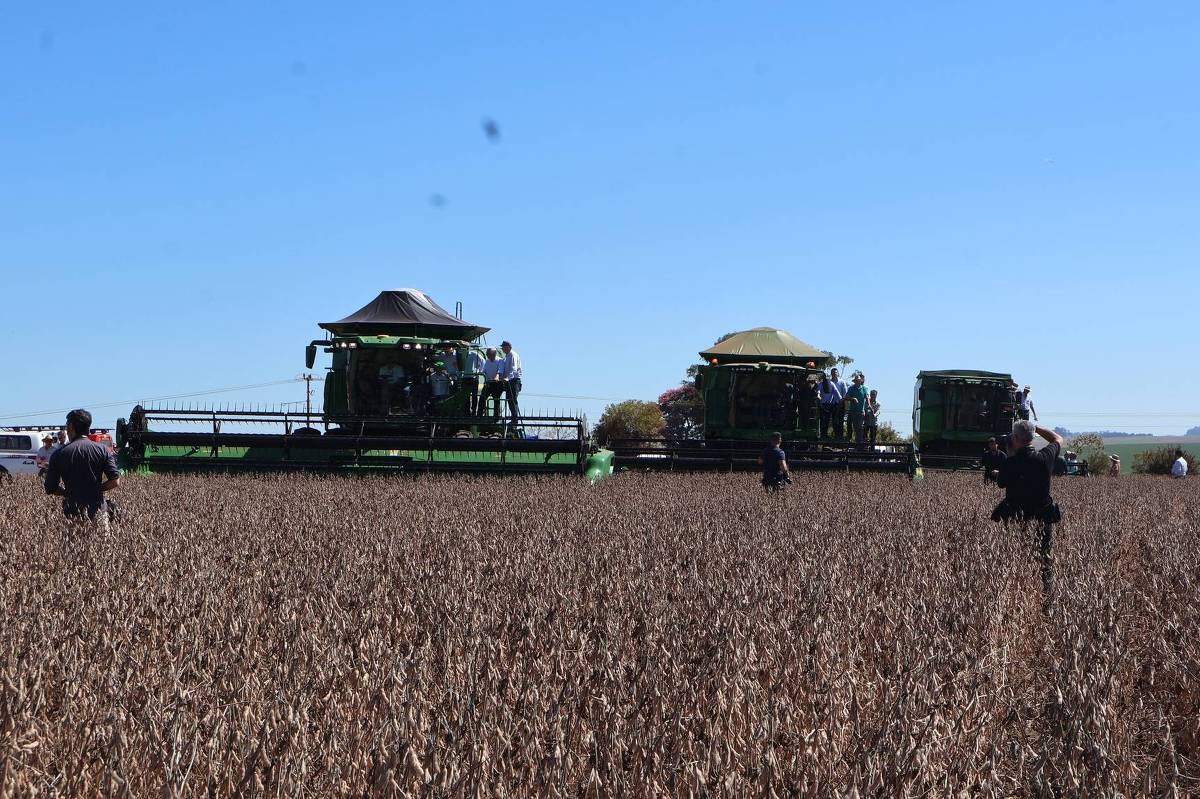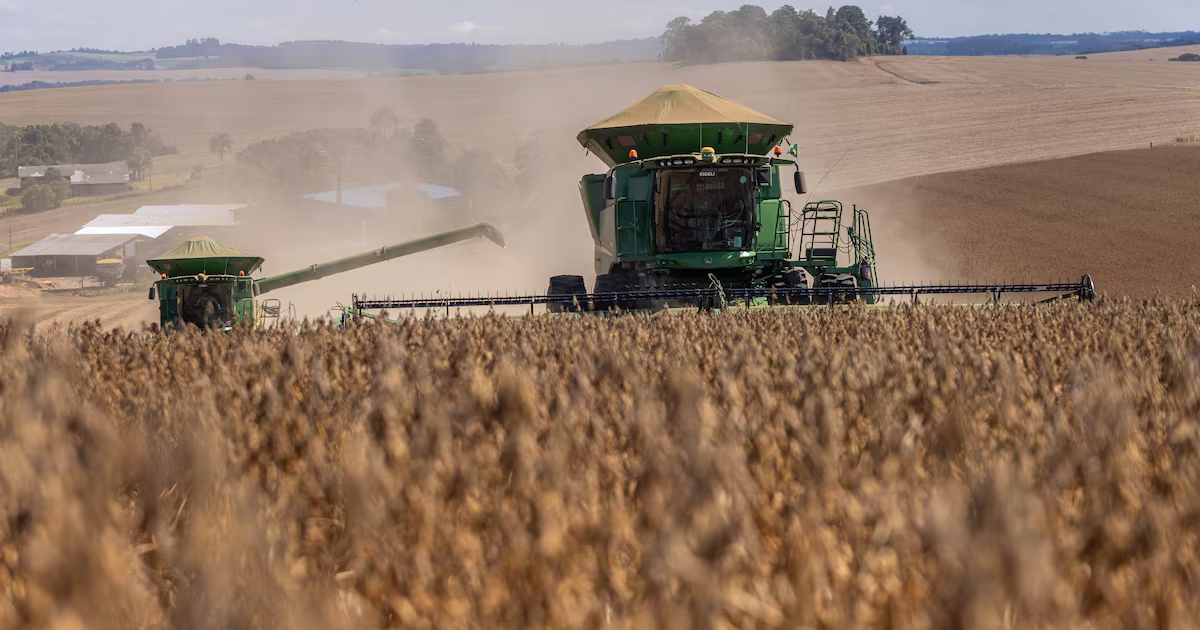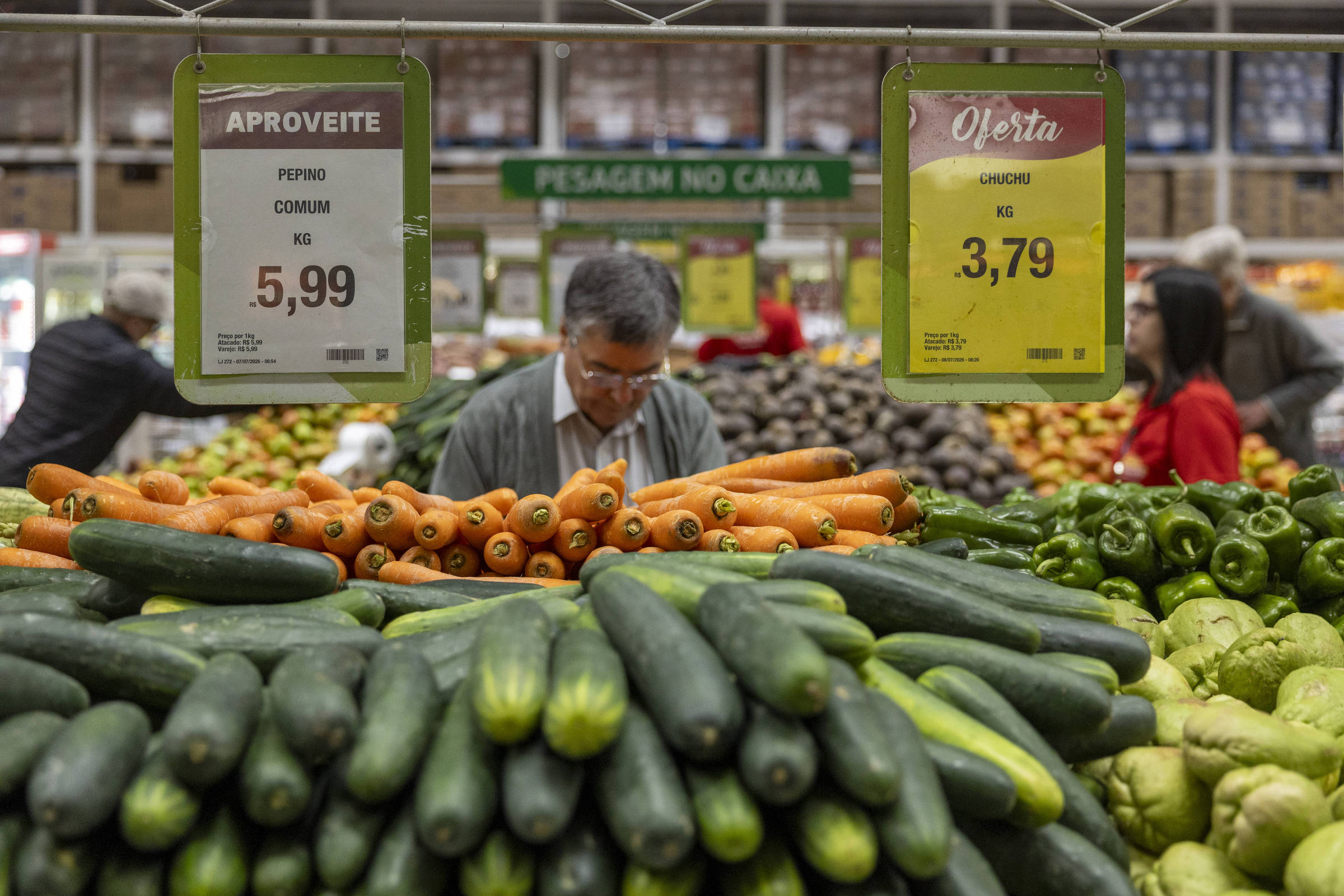
The arrival of El Niño threatens Brazil's agribusiness sector in the second half of the year, raising the risk of delayed grain planting, lower crop quality and challenges for livestock production. Analysts say the weather phenomenon comes on top of an already difficult environment marked by high interest rates and rising production costs, worsened by the war in Iran. The probability of a very strong El Niño has risen to 81%, according to the U.S. National Oceanic and Atmospheric Administration (NOAA).The effects are expected to vary across Brazil: drought risks in the North and Northeast, irregular rainfall and higher temperatures in the Central-West and Southeast, and excessive rainfall with possible flooding in the South, according to a report by Itaú BBA. Felippe Serigati, a researcher at FGV Agro, said: "Brazilian agricultural production is spread across different parts of the country, so there is no single El Niño impact. Each region is likely to experience it differently."
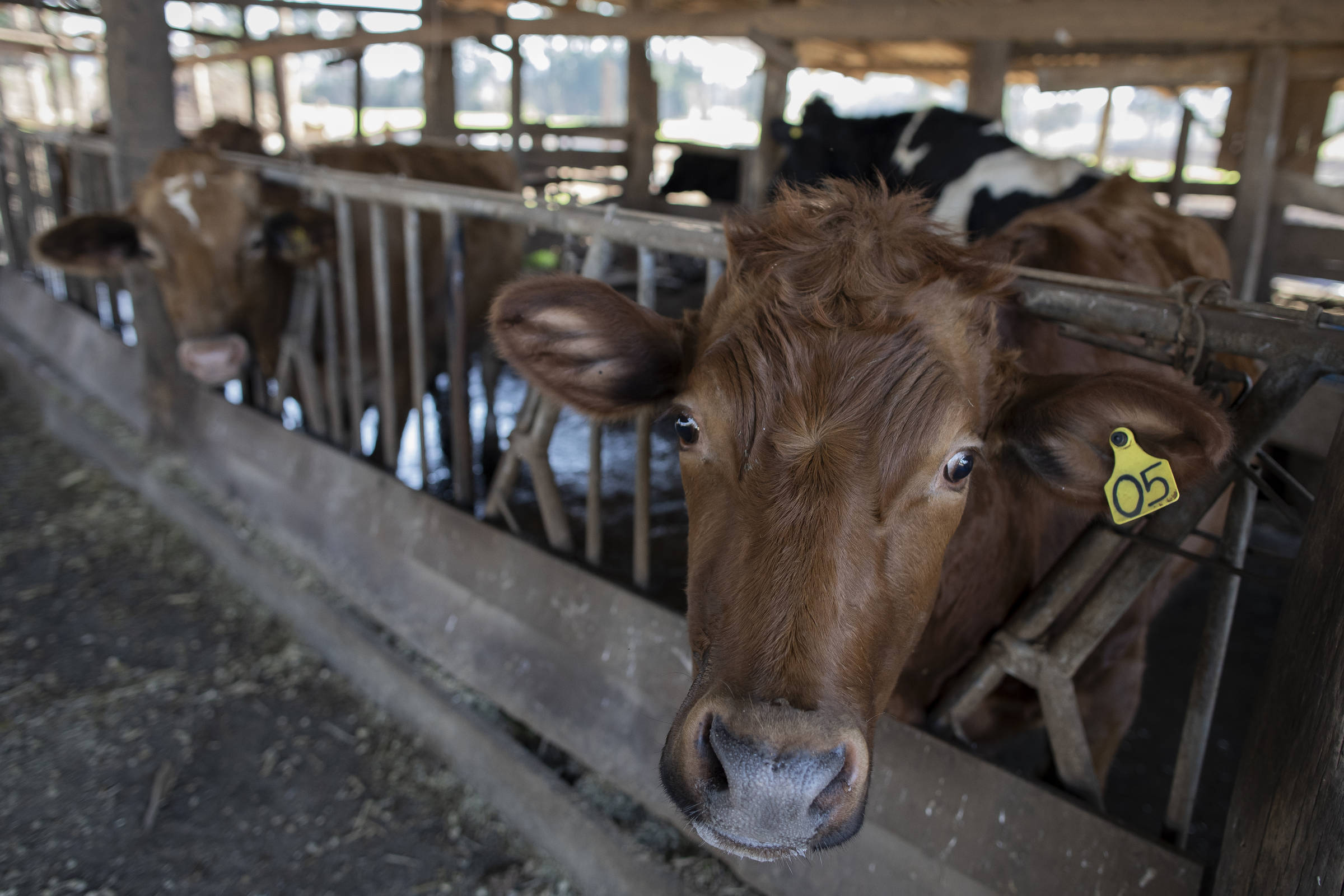
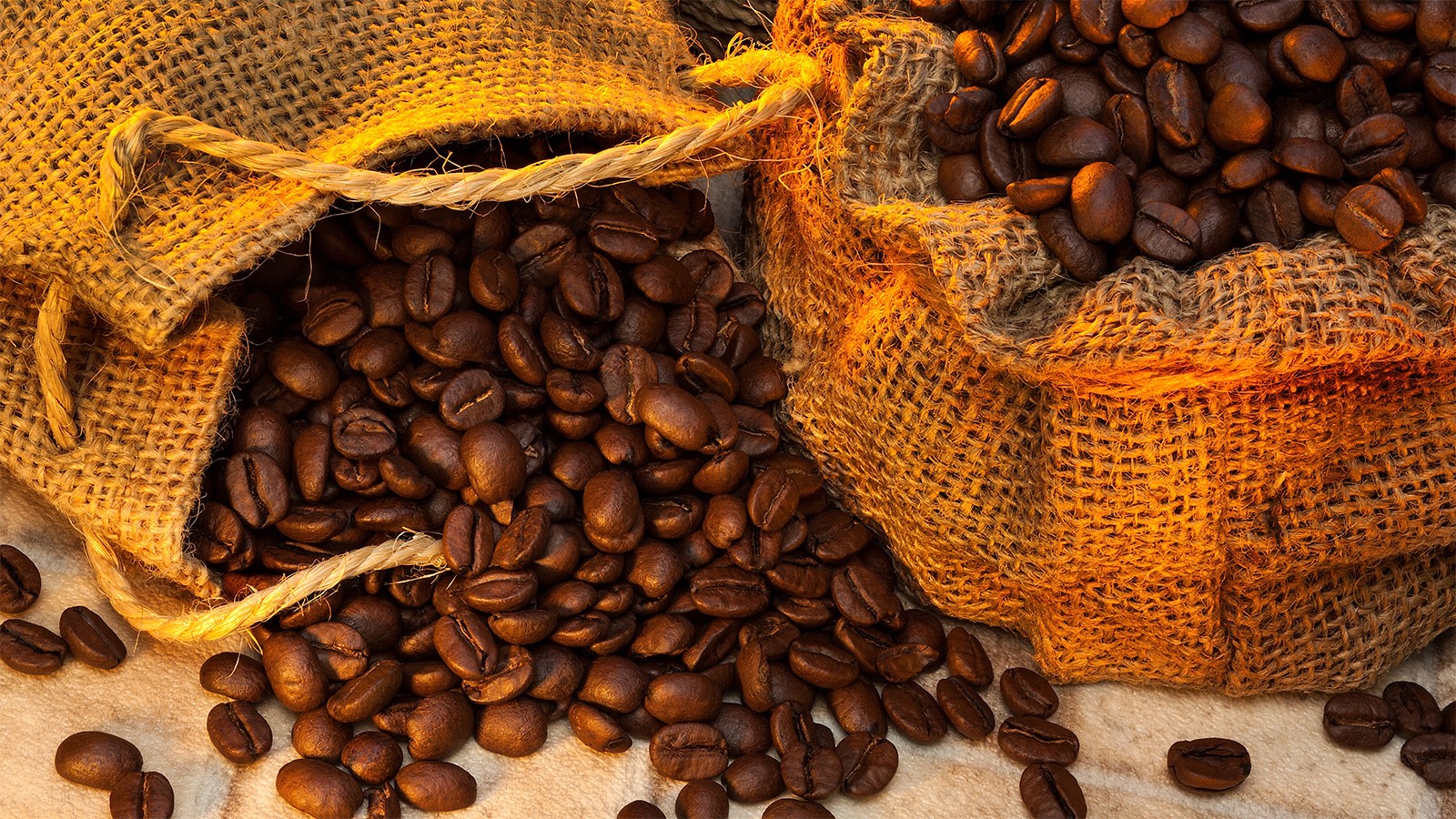
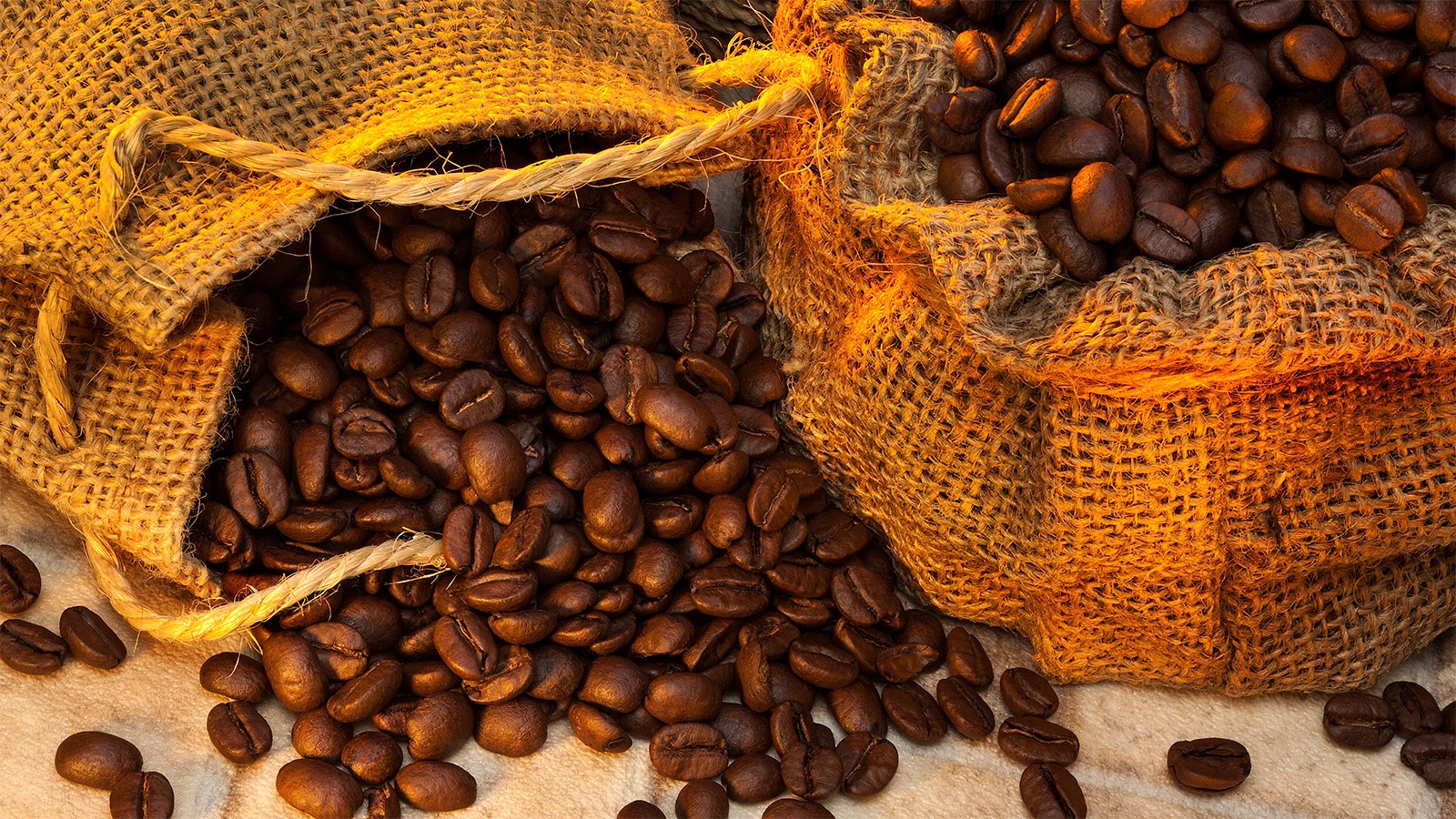
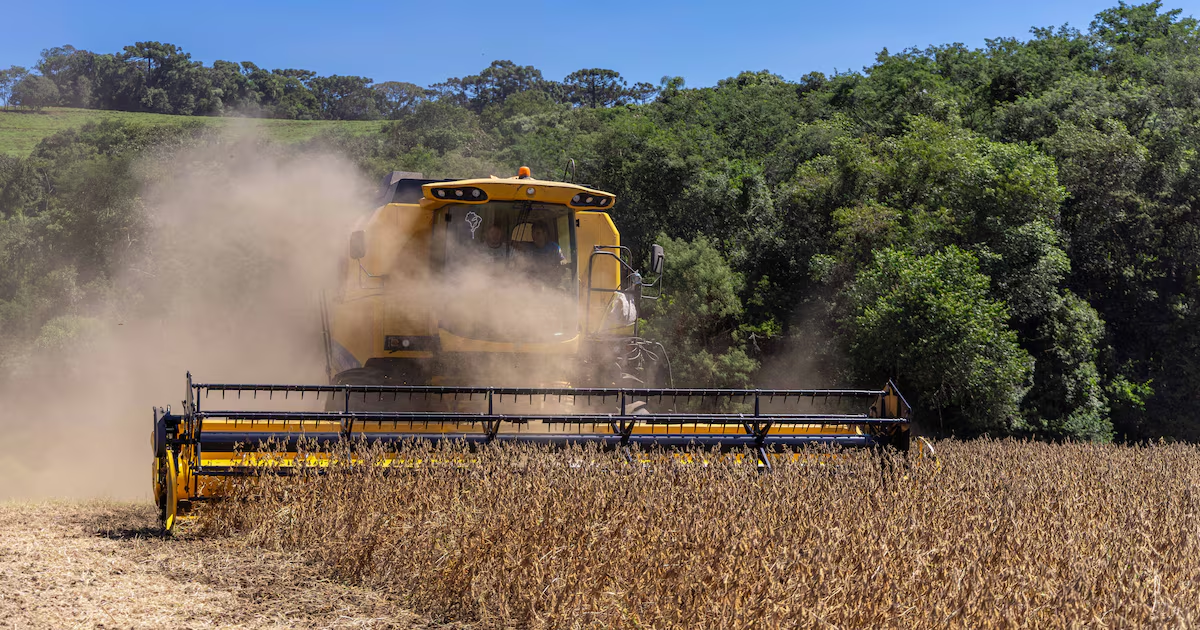
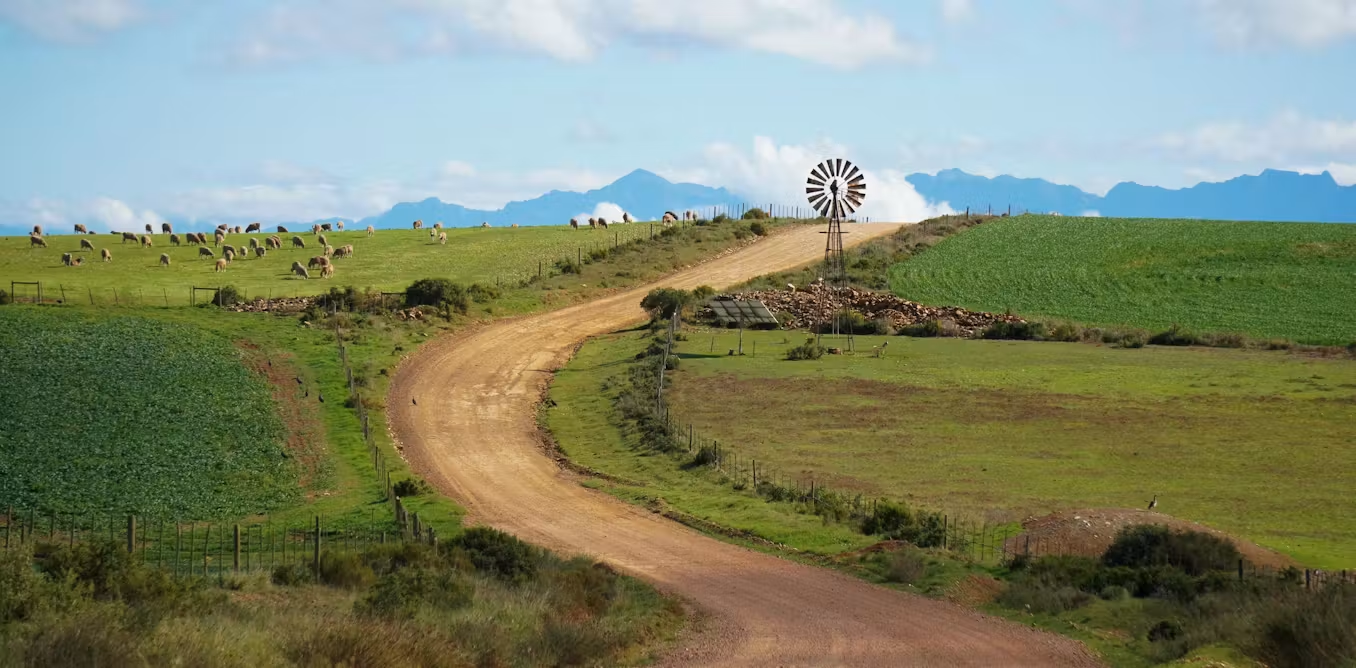
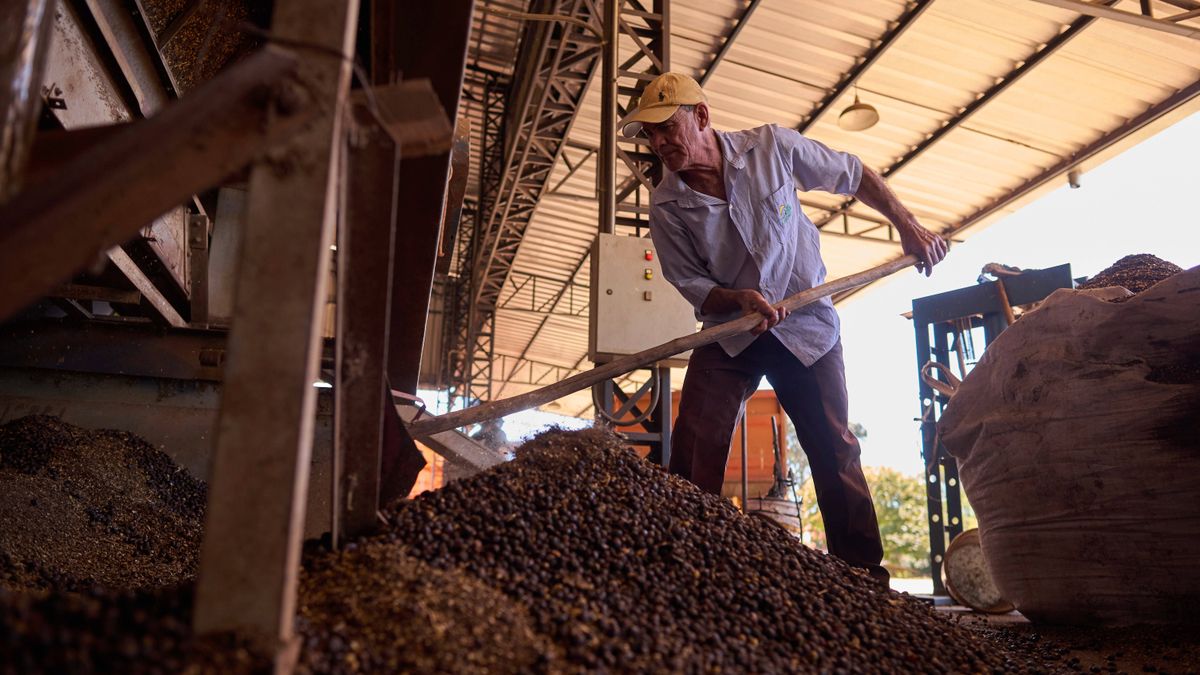
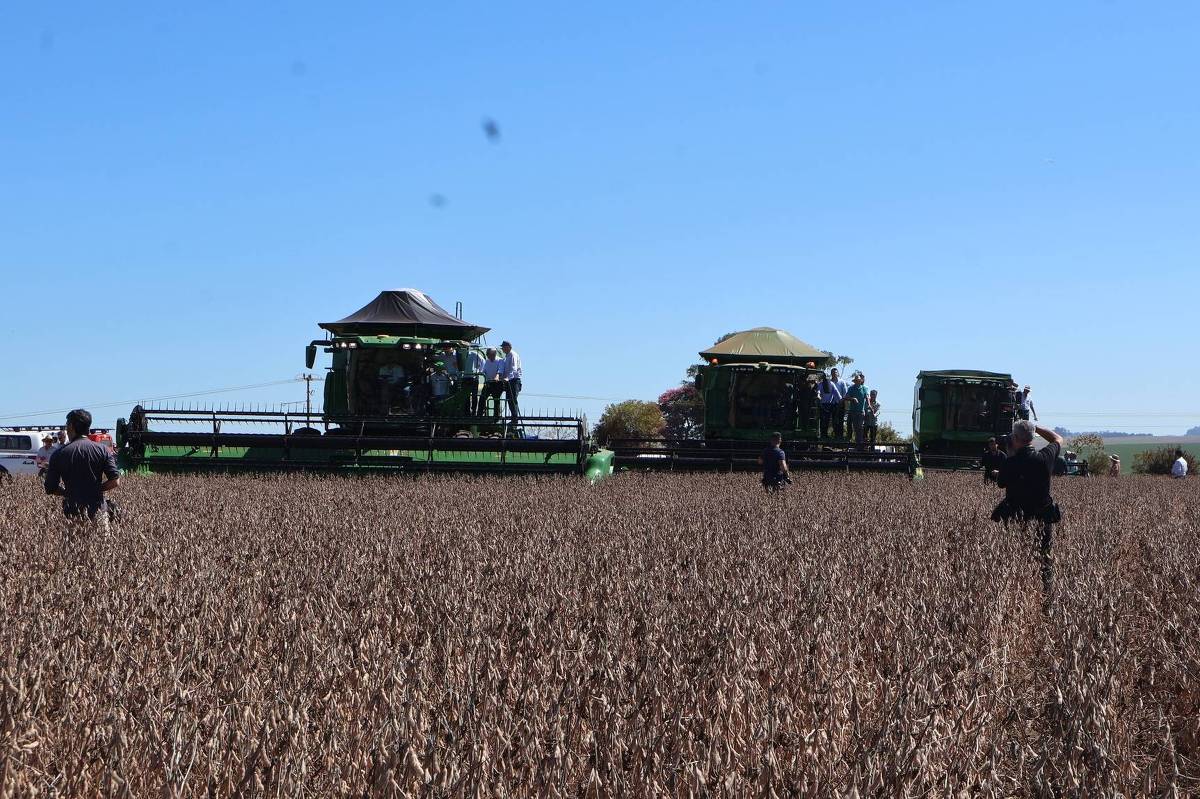
Soybean planting in the Central-West could be delayed, narrowing the window for Brazil's second corn crop. In the South, wheat quality may decline, while coffee production in the Southeast is also considered at risk. Livestock farming could suffer as damaged pastures increase feed costs. Analysts remain divided over the severity of the event: while some warn of a "super El Niño," others urge caution before predicting major crop losses.