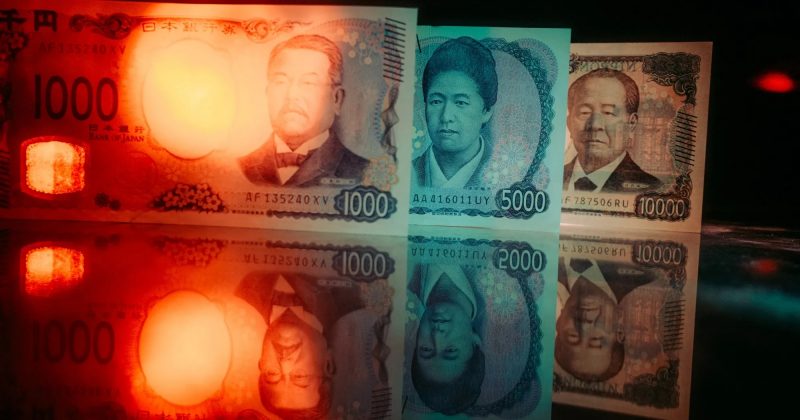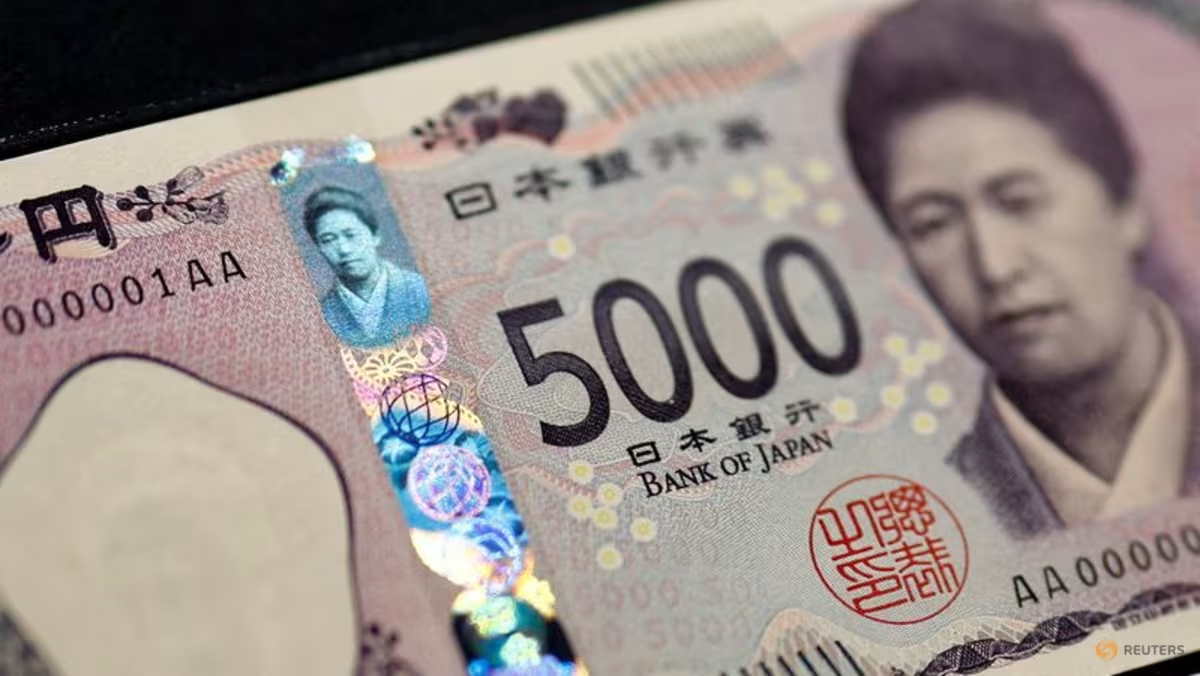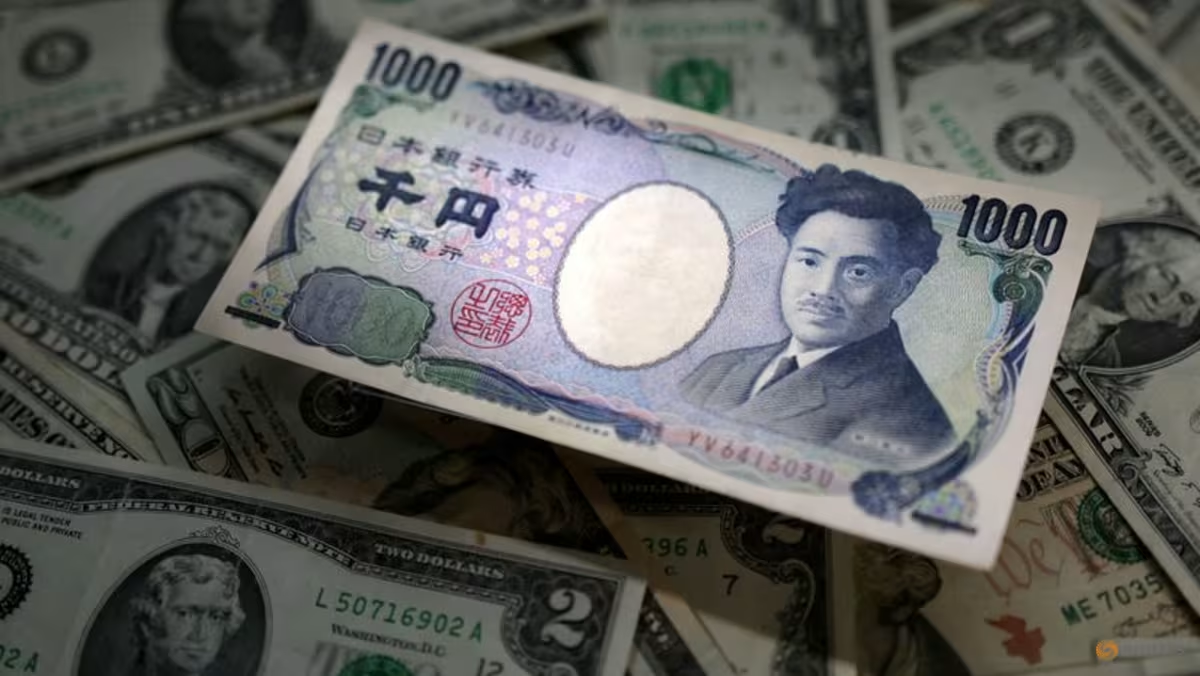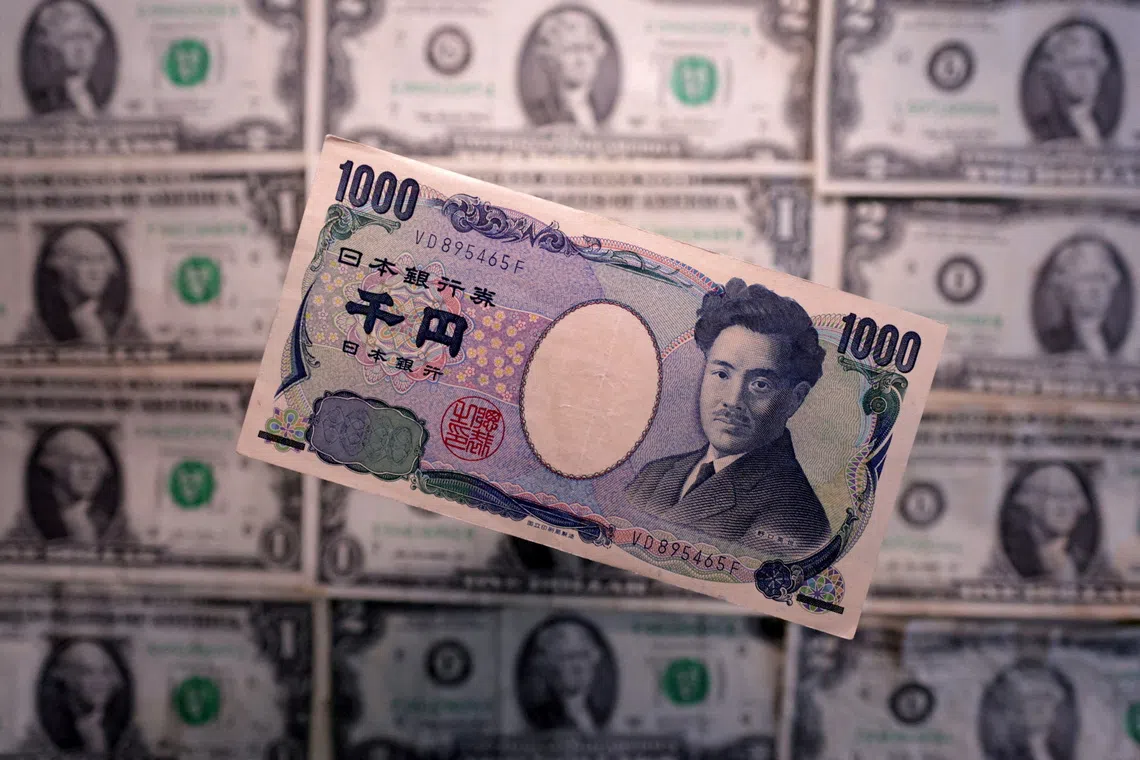
Japan just dropped the equivalent of a mid-sized country’s GDP on propping up its currency. The yen kept falling anyway.
Between April 28 and May 27, Japan’s Ministry of Finance deployed 11.7349 trillion yen, roughly $73.7 billion, in direct foreign exchange intervention. It’s the first confirmed market action since 2024, and by far the most aggressive. Despite that historic spend, combined with the Bank of Japan hiking its policy rate to the highest level in over three decades, the yen remains parked near 160 per US dollar, a level not seen in four decades.
A war chest that isn’t winning the war
Japan’s underlying current is a persistent interest rate differential with the rest of the world. Even after the BOJ rate hike, Japanese rates remain far below those in the US and Europe. That gap makes the yen a funding currency for carry trades, where investors borrow cheaply in yen to park money in higher-yielding assets elsewhere. The more traders do this, the more yen gets sold, and the weaker it becomes.
The intervention was partially funded through the liquidation of foreign securities. Japan sold approximately $75.6 billion worth of holdings, including a significant chunk of US Treasurys, a figure that roughly matches the scale of the intervention itself.