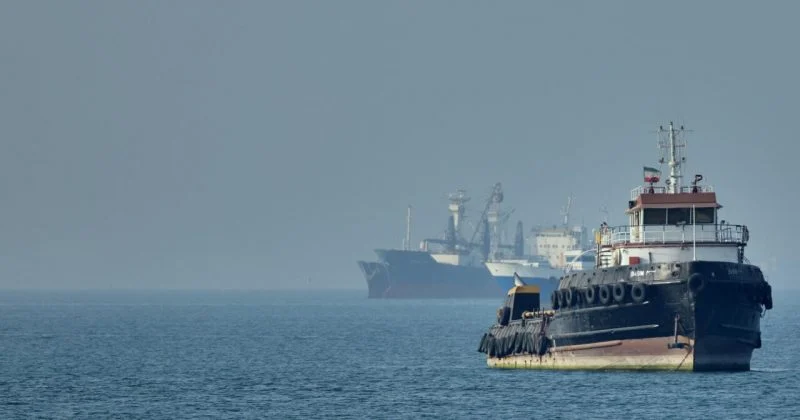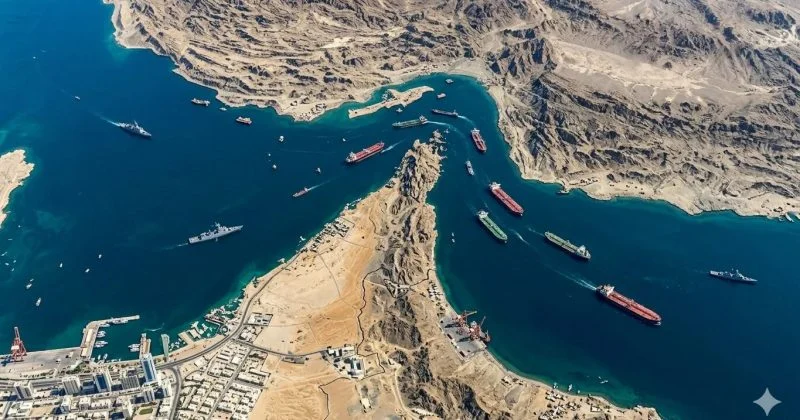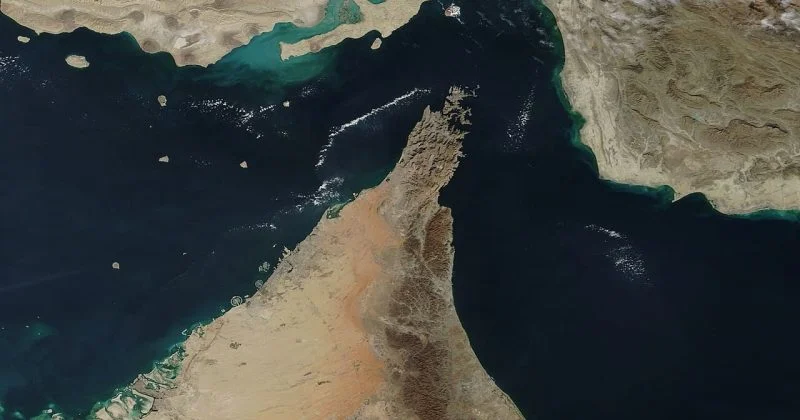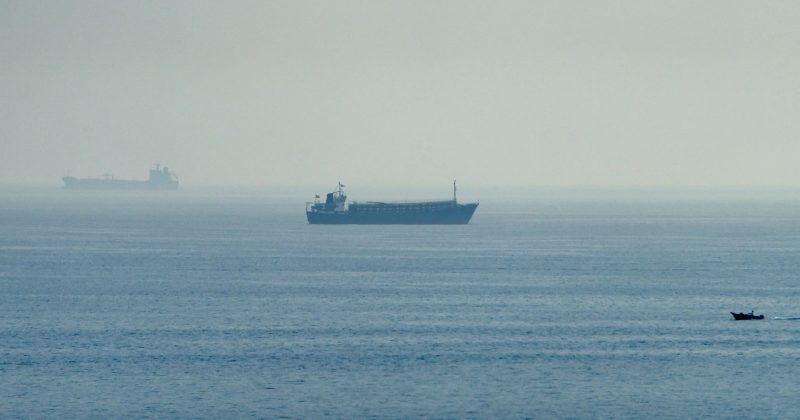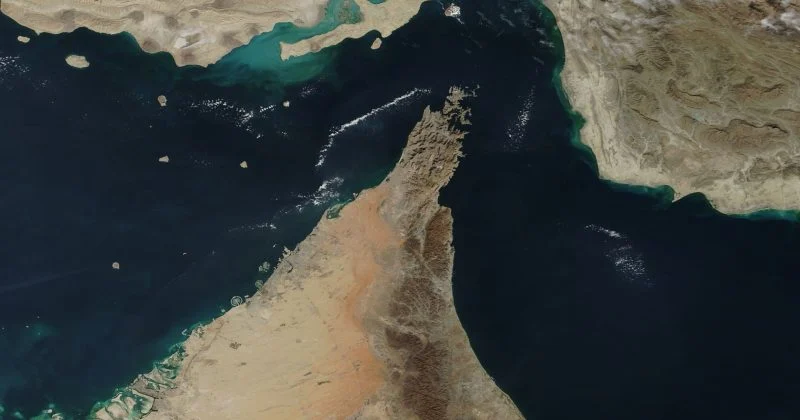
Iran has asserted that it will not pay what it considers an “enemy” for ship passage through the Strait of Hormuz, according to a report by the Iranian news agency IRNA. This declaration coincides with ongoing tensions following the 2026 Strait of Hormuz crisis, where military actions by the U.S. and Israel led to Iran’s temporary blockade of the vital maritime passage. The 60-day interim ceasefire agreement, allowing free passage for commercial vessels, is set to expire soon. Iran’s stance suggests resistance to external pressure as it plans to introduce its own transit fees and regulatory measures.
Markets have reacted to the statement, with a notable decline in the probability that Iran will implement transit fees by July 15. The likelihood of Iran charging such fees by this date is currently assessed at 3%, down from 4% a day earlier. This movement suggests that markets view Iran’s refusal as indicative of possible delays or cancellations in fee implementation.
In the broader context, the potential for Iran to charge fees by August 31 is priced at 42%, reflecting uncertainty but a higher likelihood compared to the immediate July 15 deadline. Meanwhile, the market for fee implementation by October 31 remains more optimistic, with a 56.5% chance.