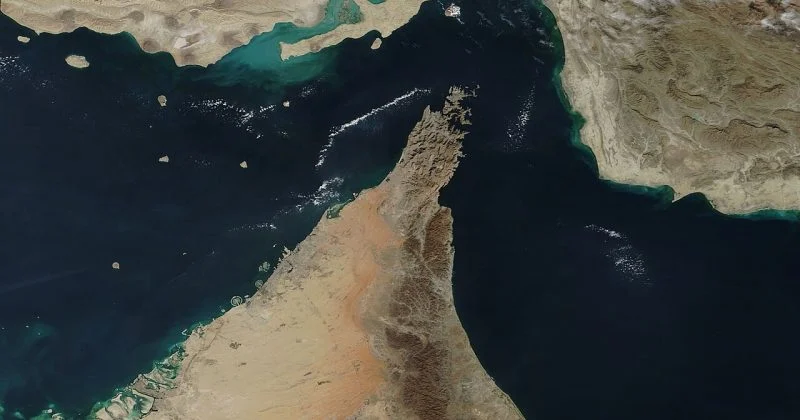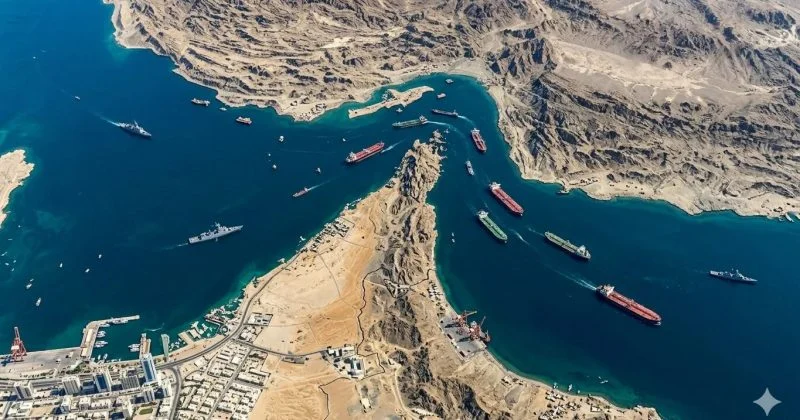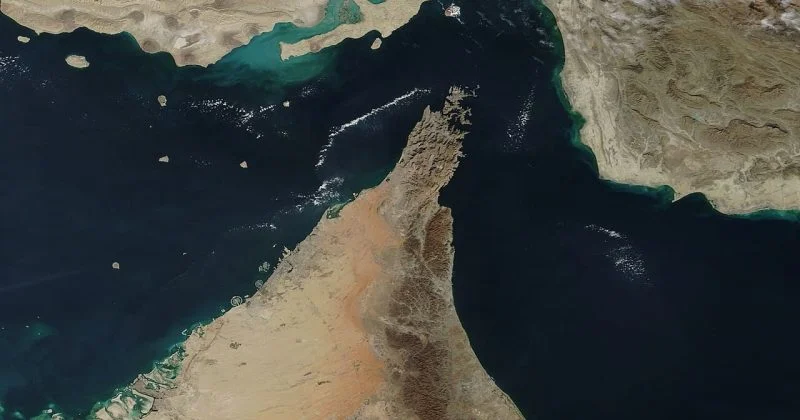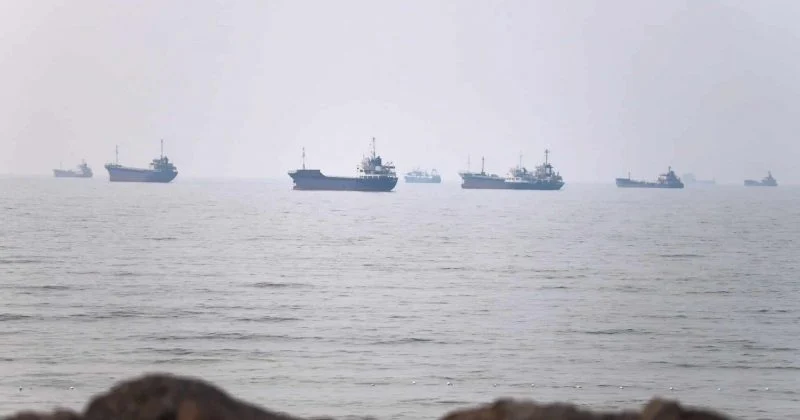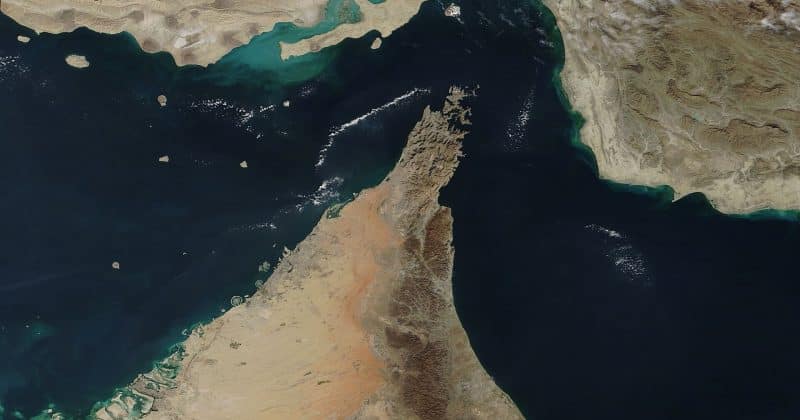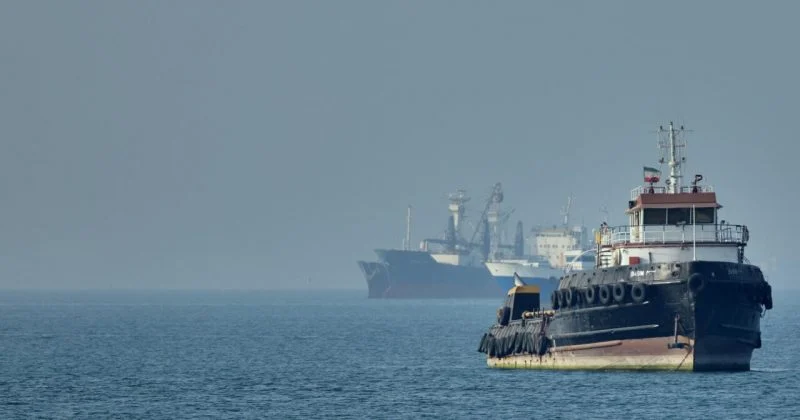
Iran has announced that it will not be coerced into paying what it terms “enemy” nations for the passage of ships, as reported by the Iranian state news agency IRNA. This statement comes amid heightened tensions in the Strait of Hormuz, where Iran has been asserting its control over maritime access amidst a conflict involving the U.S. and Israel. The ongoing situation has significantly reduced shipping traffic and driven up oil prices. Markets appear to interpret Iran’s latest assertion as an indication of its hardline stance, which could impact ongoing nuclear negotiations.
The statement has influenced the pricing in prediction markets regarding the likelihood of a final U.S.-Iran nuclear deal by the upcoming deadlines. Currently, the market pricing suggests a decreased probability of reaching such an agreement. The July 31, 2026, sub-market shows a mere 0.9% implied probability of a deal, reflecting continued skepticism. In contrast, longer-dated expectations see slight increases, but overall odds remain low, indicating persistent doubt about a resolution.
Iran’s refusal to ease its maritime policies and its firm approach in negotiations appear consistent with scenarios where a final nuclear deal remains elusive. The pricing in prediction markets reflects this sentiment, with market participants seemingly factoring in the potential for prolonged geopolitical tensions.