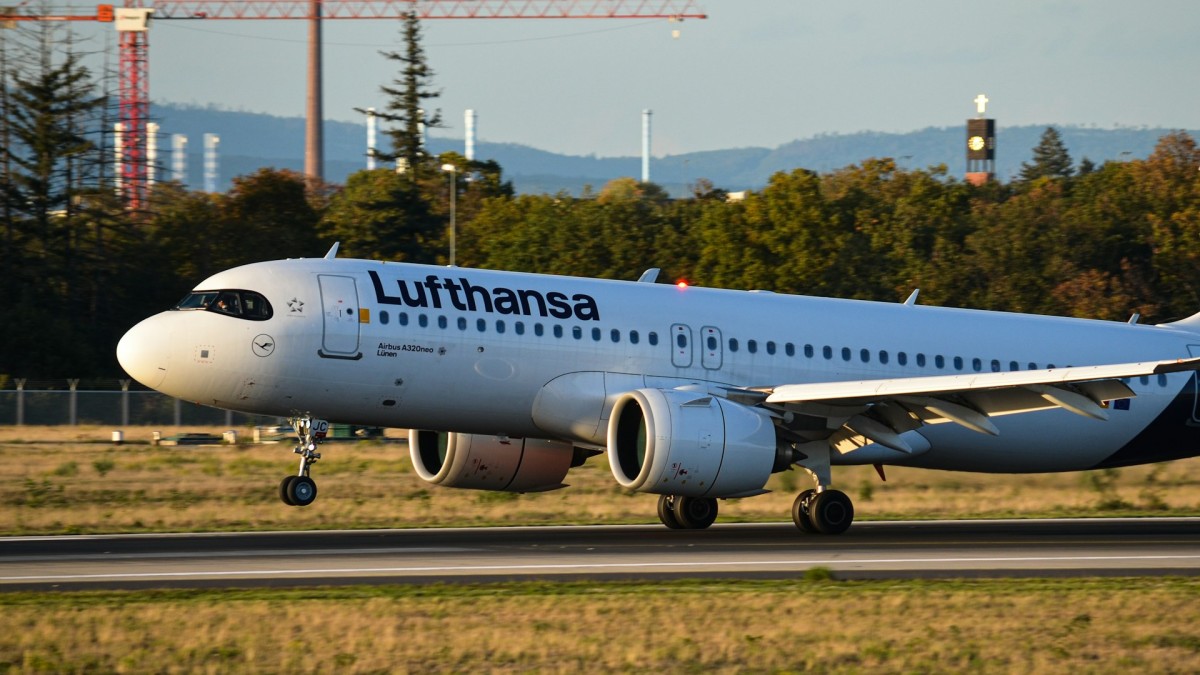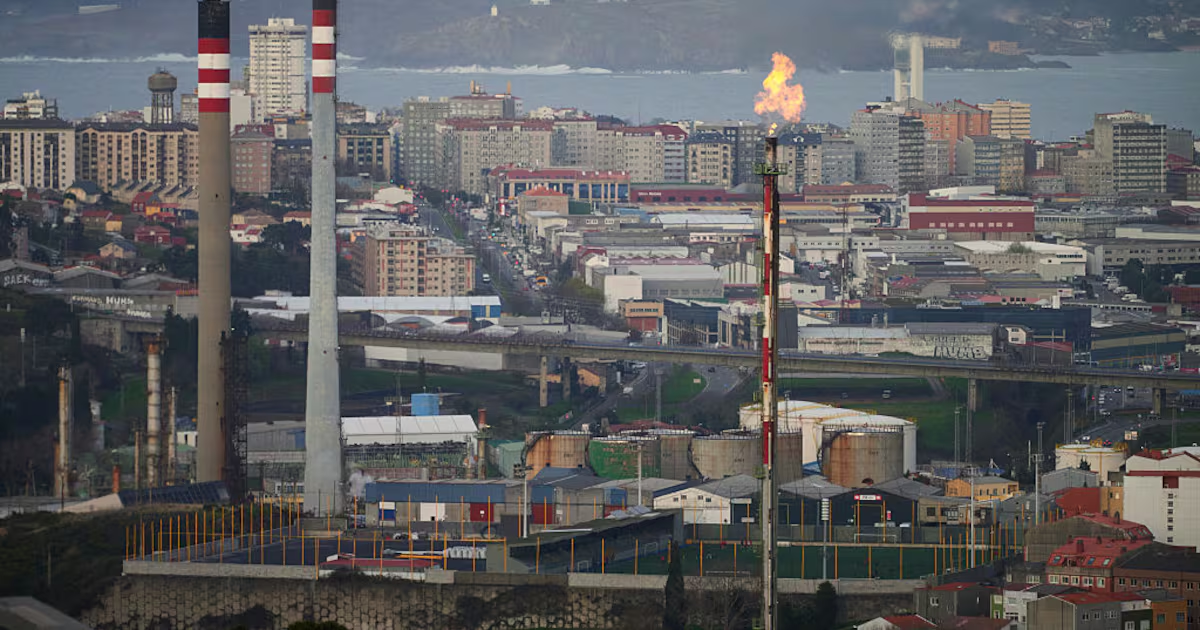
Europe has relied on jet fuel imports from the U.S. and Asia, boosted refinery output and tapped stockpiles to keep aircraft in the air. And yet it remains the region most vulnerable as renewed tensions in the Middle East increase the risk of further supply disruptions.
Britain, France and Germany are particularly exposed in a continent where decades of refinery closures left it more reliant than most on Middle Eastern shipments via the Strait of Hormuz.
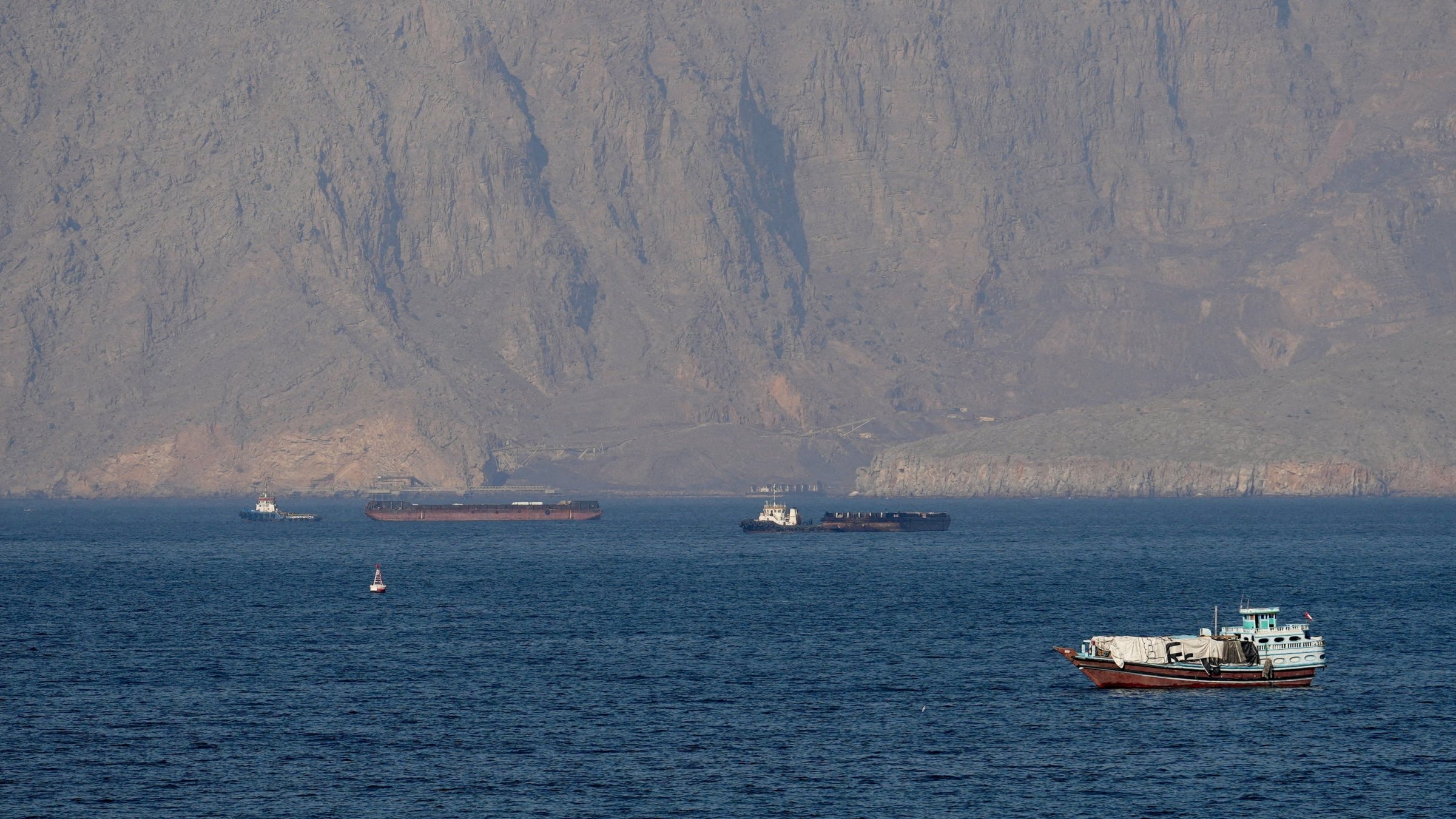
The Strait, conduit for around a fifth of the world's seaborne oil and liquefied natural gas until U.S.-Israeli airstrikes unleashed a war on Iran at the end of February, partly reopened in June.
In July, however, a fragile truce has come under threat from strikes by both sides.
Data from consultancy Energy Aspects dated June 18 already anticipates a supply deficit across Europe of nearly 600,000 barrels per day in the third quarter, against surpluses of 116,000 bpd in the United States and 425,000 bpd in Asia-Pacific.