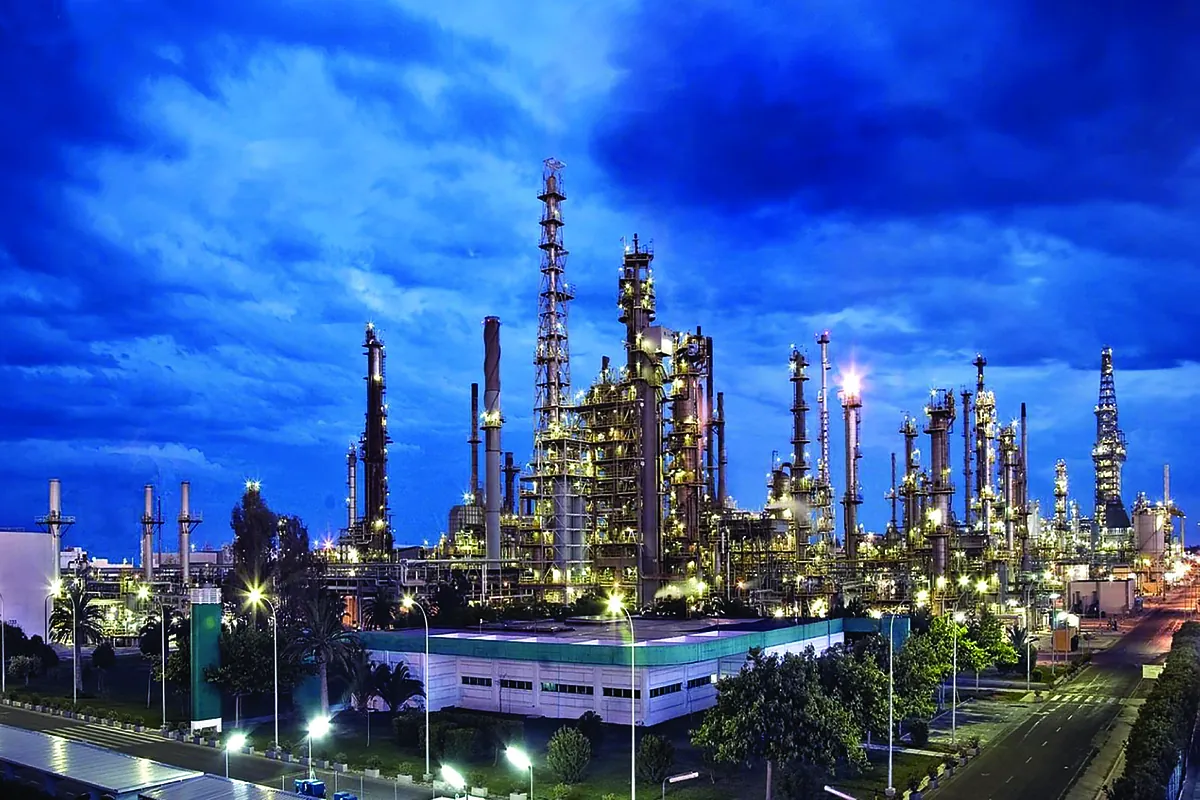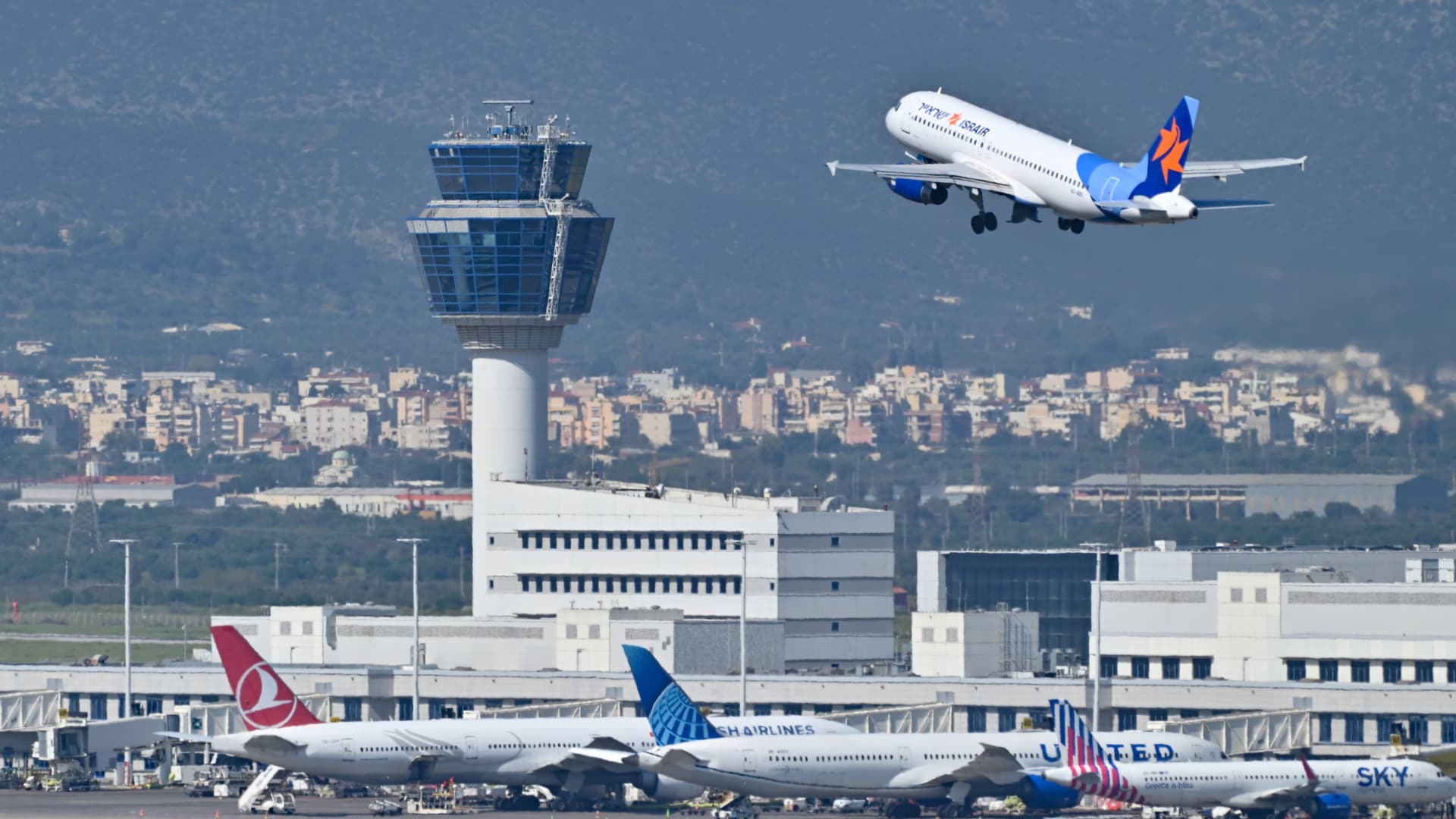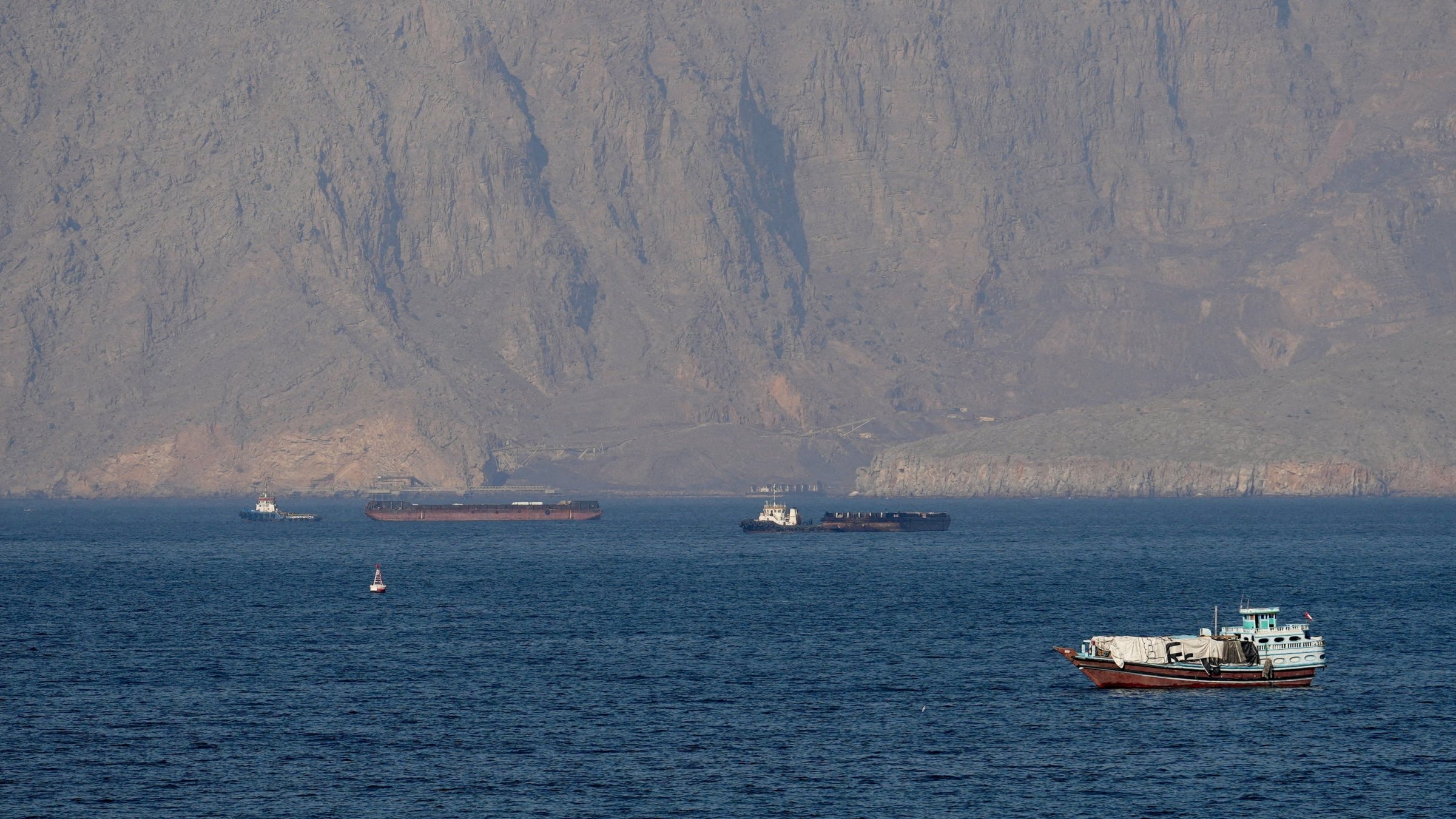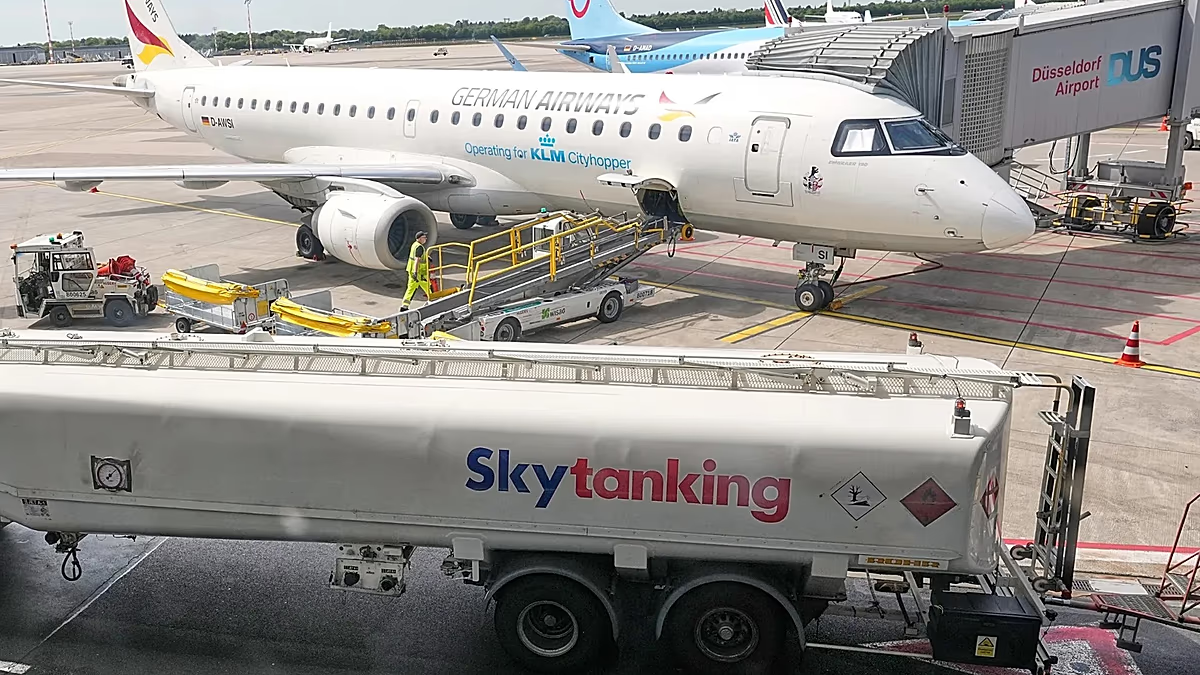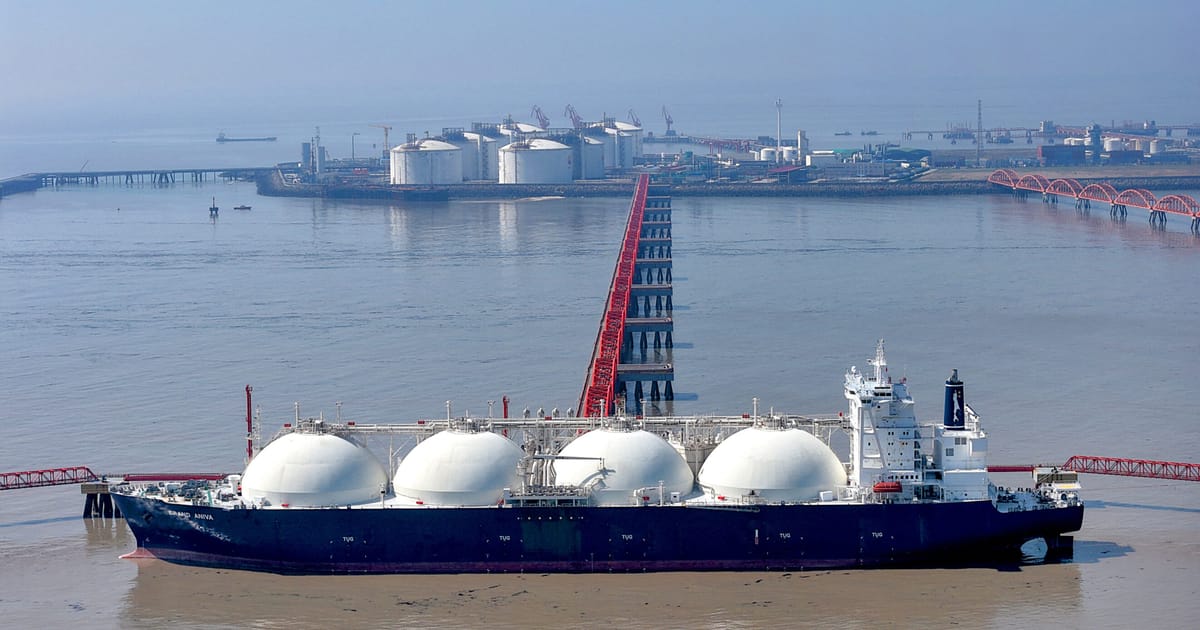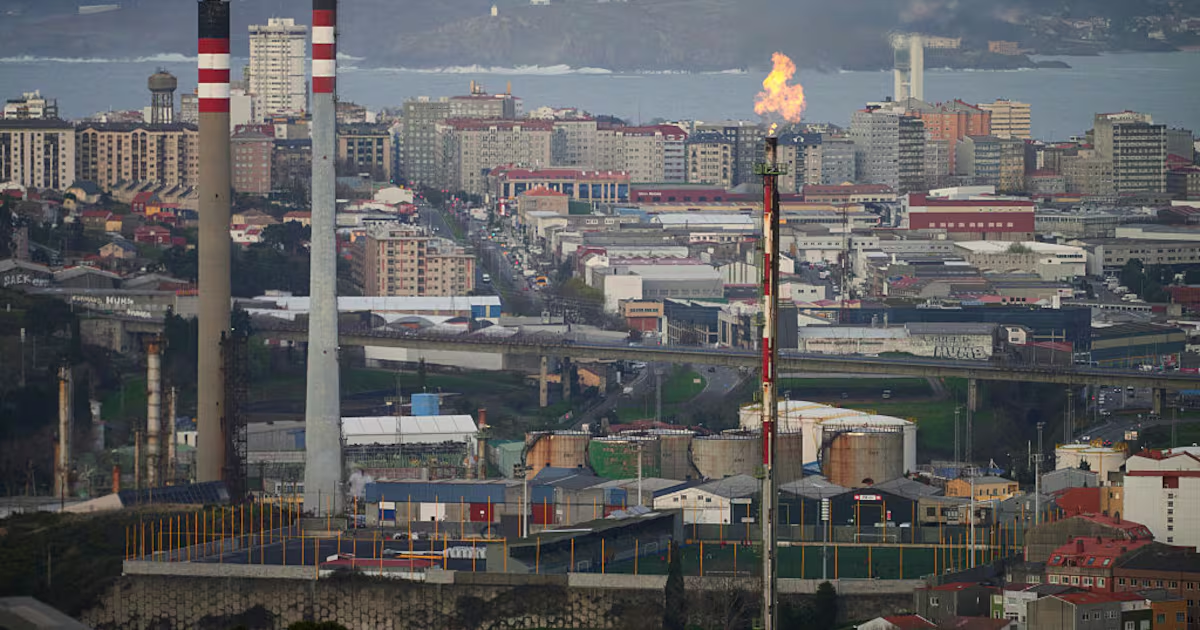
Almost as soon as the US and Israel started bombing Iran late in February, Paco Quintana knew what it could mean for Europe’s summer holidays. Refineries in the Middle East usually supply a quarter of the continent’s jet fuel during the peak travel season, but with export routes from the Gulf cut off, this year it would have to come from elsewhere.Quintana, 55, who runs BP’s Castellón refinery on Spain’s east coast, gathered his team.“We started to think OK, this is coming to us. Obviously, at some point, we would need to switch to max jet,” he said, explaining that the 110,000-barrel-a-day facility, which mainly supplies Spain and the Balearic Islands, needed to be rapidly reconfigured to maximise jet fuel production.The same calculation was being made in other European countries that rely heavily on tourism but whose refining capabilities have been weakened by years of closures and underinvestment. The continent has just over 70 oil refineries, compared with more than 130 in the US and about 300 across Asia. As airlines warned about running out of fuel, helping prices to double, the sector moved into overdrive. In March, refineries in the region increased jet fuel production by 22 per cent from a year earlier to a record 1.3mn barrels a day, according to the International Energy Agency (IEA).That cut the amount that Europe needed to import from overseas by more than half, the global energy watchdog said, although the region still leans heavily on flows of jet fuel from the US.Will a Middle East peace deal make any difference to inflation? Listen | 32:03“European refining played a vital role,” said Alan Gelder, vice-president of refining at energy consultancy Wood Mackenzie. Refineries processed more crude despite having less capacity than last year as they “ran hard and undertook less maintenance”, he added. But reconfiguring refineries and producing different types of products is not a straightforward process.Refineries turn barrels of crude into usable fuels by heating it in steel columns, where lighter fractions rise and heavier ones remain lower down, allowing them to draw off streams of molecules that can be made into products including petrol, diesel, shipping or aviation fuel.[ What happens Ireland’s petrol and diesel prices and energy costs after US-Iran peace deal?Opens in new window ]They also have “cracking” units that can split heavier molecules into lighter ones, giving them more flexibility to tweak their product mix when market prices move.But Quintana stressed that maximising jet fuel production was not simply turning a dial. Engineers examined pipelines, reactors and drums, and then used computer simulators to see if the plant could be safely changed.“We started to say: OK, can we use that kit in another shape and form?” he said.Within about a week, tests started to show a greater share of jet fuel emerging. But the engineers also needed to change conditions inside the reactors, including temperature, pressure, catalysts and hydrogen, to get different results. And they needed a different selection of crude.“The magic happens when we blend the crudes,” Quintana told the FT.The refinery then worked with BP’s trading teams in London to secure the correct feedstocks, with phone calls back and forth several times a day.“They were on the phone saying: how are you doing, do you think you can unlock a limitation?” Quintana said. “We managed to do it with the crudes that we had, and right after, they started to bring other types of grades that had more kero [jet fuel] yield.”The effort lifted Castellón’s jet fuel production by about 30 per cent, according to BP.Eugene Lindell, an analyst at energy advisory company FGE NexantECA, said it was a “Herculean feat” that suggested the Spanish refinery had managed to increase its jet fuel yield by far more than US rivals.[ Energy price shock to squeeze Irish wage growth this year, says Central BankOpens in new window ]Dire predictions of Europe running out of jet fuel within weeks have not materialised and pressure on supplies has rapidly subsided. Today, jet fuel premiums over diesel are below pre-war levels.“Everyone has become ‘well-positioned’ in the market,” said Amaar Khan, head of European jet fuel pricing at Argus Media, noting that summer demand could be met even though physical supplies from the Middle East were unlikely to arrive before late July.BP’s wider refining system has also been running harder, processing 1.5mn barrels of crude a day in the first three months of 2026, its highest quarterly level in four years.Brenda Stout, the energy major’s head of refining, said the crisis showed how the industry had changed from when refineries were more static. “Ten to 20 years ago, it was designed around a fixed crude source, and what you would be producing was tailored to the market less dynamically,” she said. Refiners now have to be more flexible in both the crude they buy and the products they make.Quintana compared this year’s crisis with the Covid-19 pandemic, when demand for jet fuel collapsed and Castellón had to curb production.“That was also another moment of uncharted territory, where we had to try to understand the limits and push the boundaries in a way that we think is safe,” he said.The plant is still maximising jet fuel production, even though prices have fallen back and some traders believe the worst has passed.“The tension around it is still there, but it’s not as high,” Quintana said. “We’re keeping the momentum going.” – Copyright The Financial Times Limited 2026
How Europe solved the jet fuel crisis and saved your summer holidays
Plants pushed production to record levels after Iran war cut off Middle East export routes
905 words~4 min read