For decades, solar power has largely meant one thing: rigid silicon panels fixed to rooftops or spread across vast solar farms.
Japan is pursuing a very different idea.
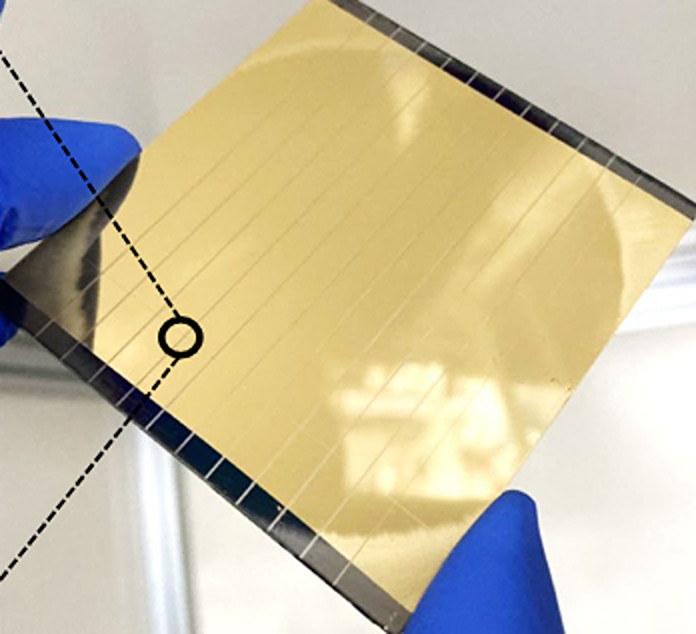
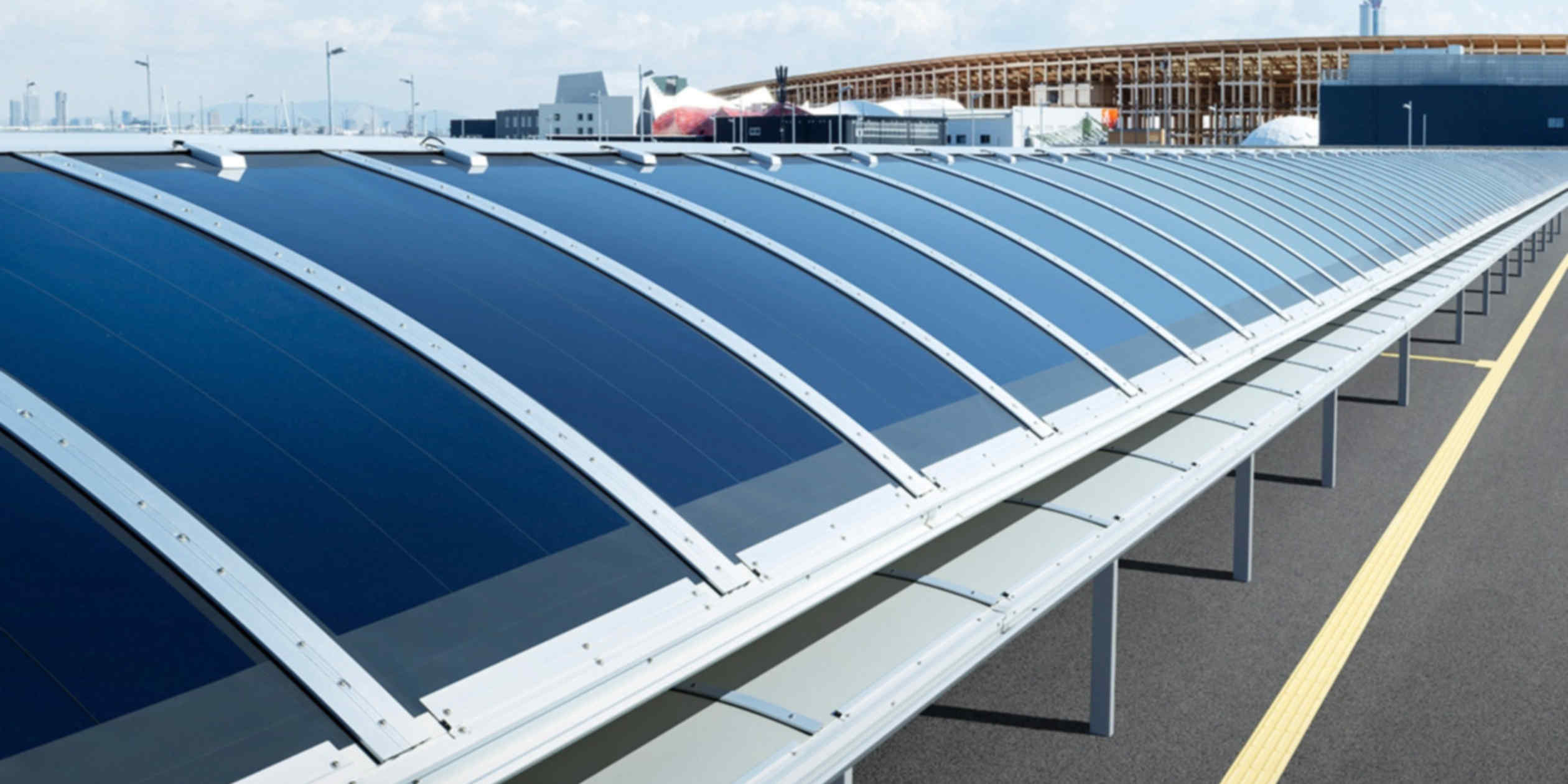
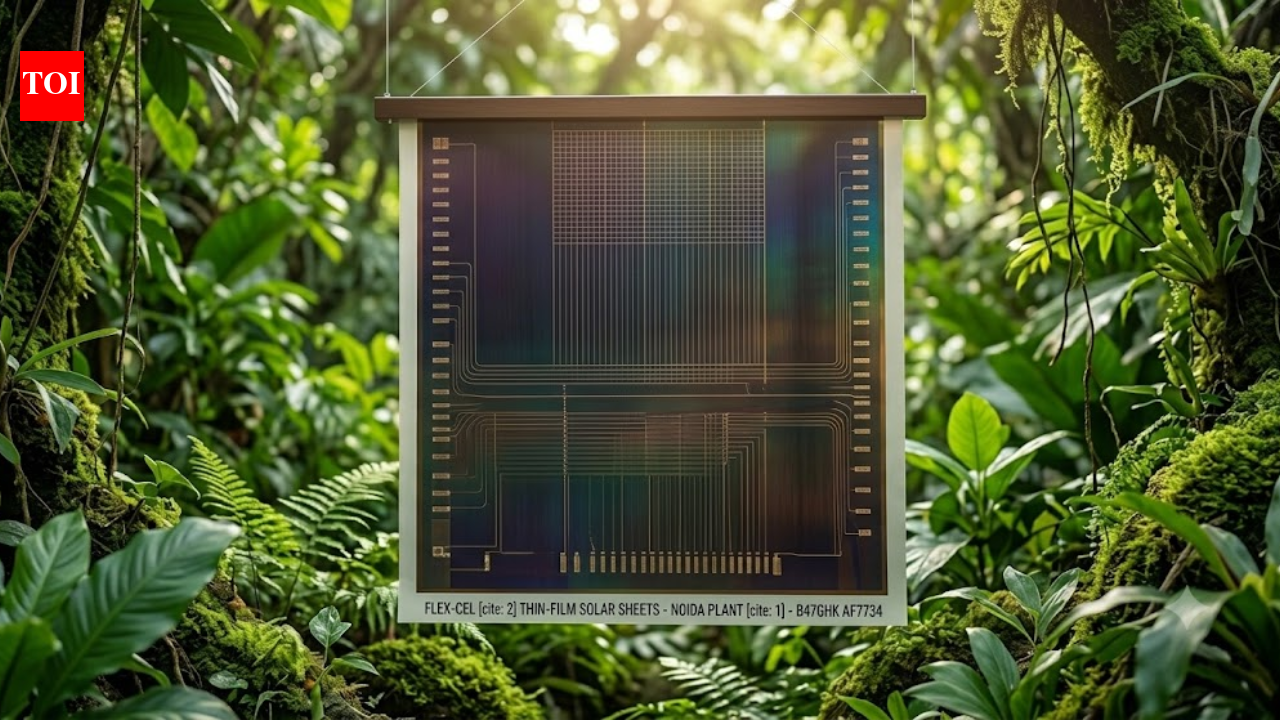
Instead of heavy glass modules, researchers and manufacturers are developing ultra-thin, flexible solar cells that can be produced using high-speed printing techniques similar to those used for newspapers.
The result is a technology that could one day wrap around buildings, vehicles, windows and even clothing, quietly generating electricity from surfaces that have never before been considered energy assets.The work centres on perovskite solar cells, a fast-evolving technology that promises not only lower manufacturing costs but also entirely new ways of using solar power.
For a country where suitable land is scarce and urban density is high, that flexibility is more than a scientific curiosity; it could reshape how renewable energy is woven into everyday life.Why Japan is investing in printed perovskite solar cellsConventional silicon panels remain the benchmark for commercial solar power, but they have clear limitations.