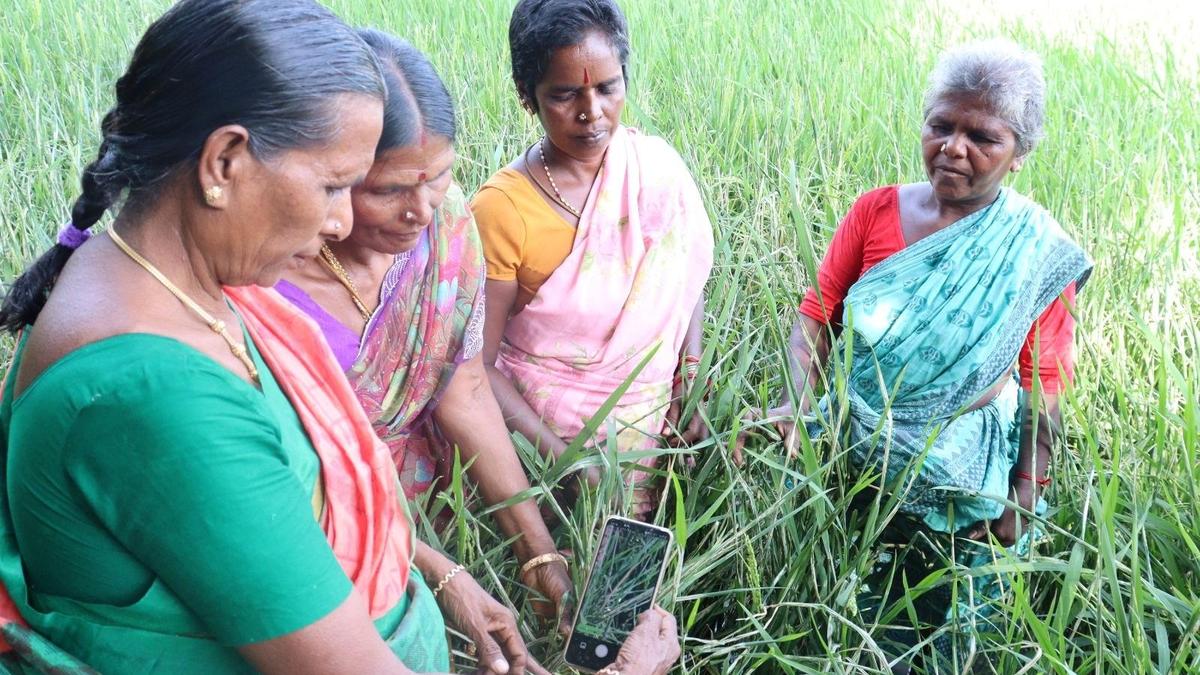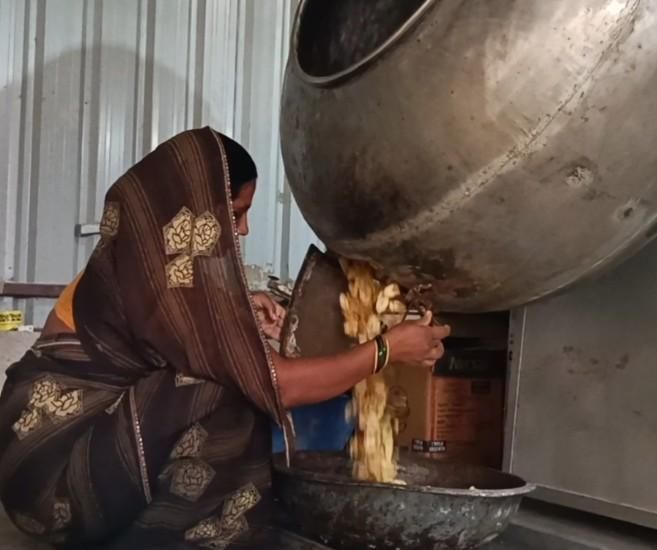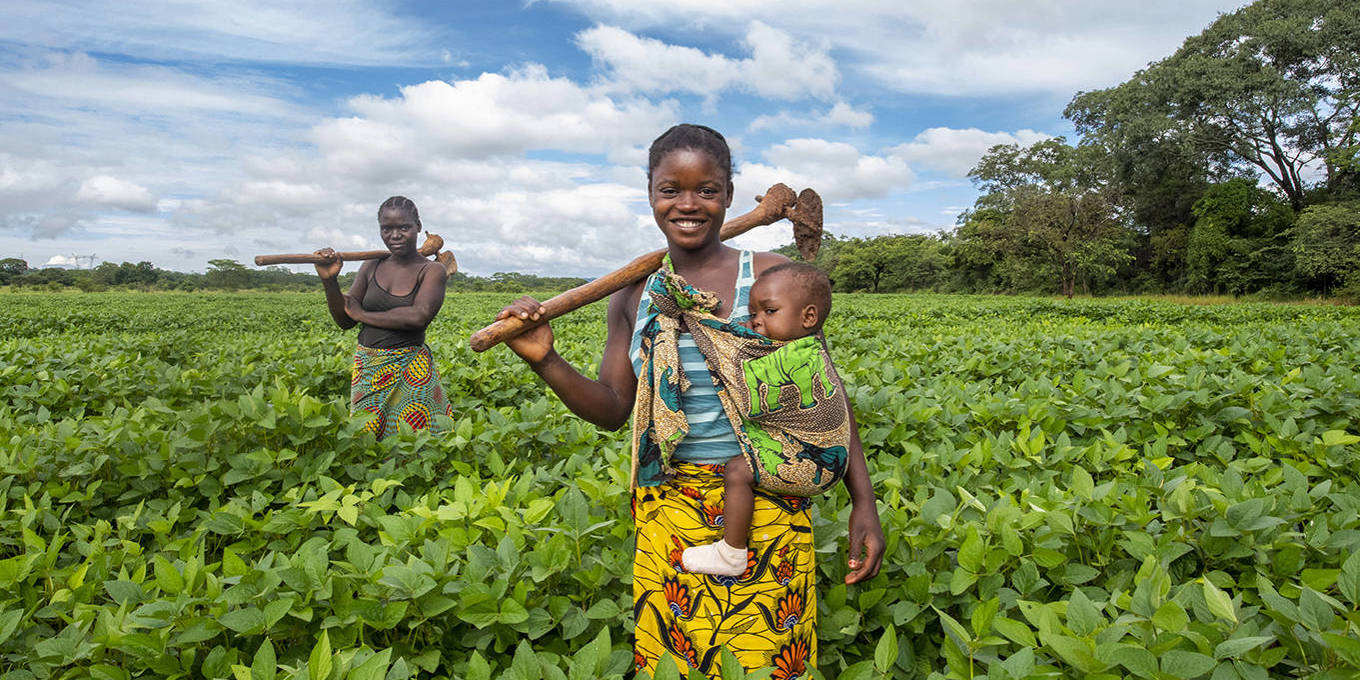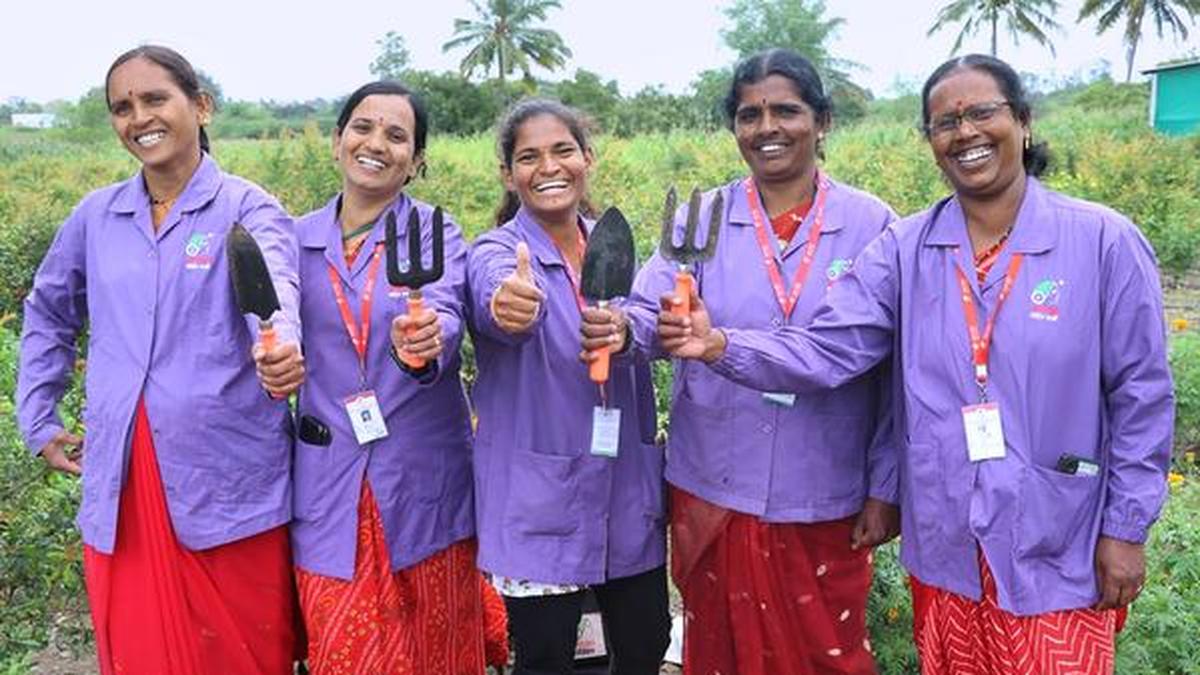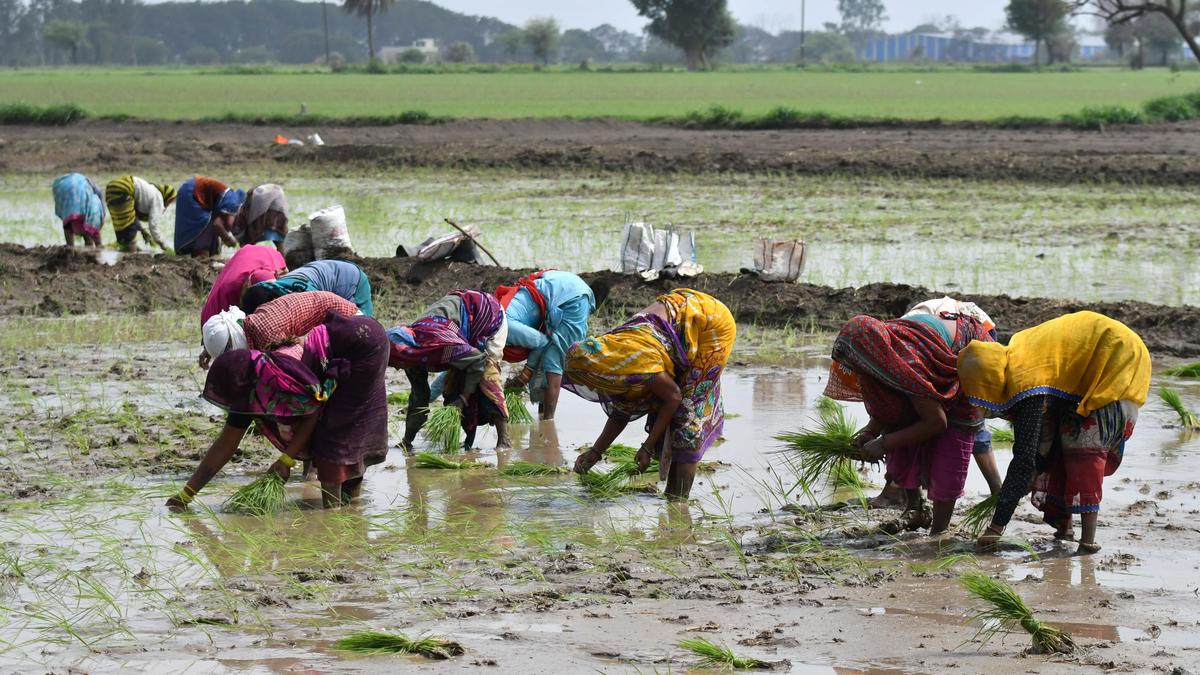
A training and support initiative from not-for-profit Transform Rural India (TRI) helped transform agricultural practices, adopting scientific methods and organic inputs (file photo)
| Photo Credit:
Until 5 years ago, Muliya Kumhare, a smallholder farmer from a remote and under Pipariya Maal village in the Mandla district, Madhya Pradesh, earned a meagre income through subsistence farming. A training and support initiative from not-for-profit Transform Rural India (TRI) helped transform her agricultural practices, adopting scientific methods and organic inputs, such as jeevamrit (a fully natural and fermented organic fertilizer and soil activator), cow dung compost, and neem-based pest management.What began as a small intervention in vegetable farming has turned into a complete livelihood shift — from uncertainty to empowerment, from subsistence to sustainability, with TRI’s help. An inspirationHer transformation, now earning more than ₹2 lakh a year, has become an inspiration for other women in the village, who have begun to undergo similar training and cultivation, said a statement from the not-for-profit organisation. With improved soil health, higher yields, and poultry farming as a secondary income source, Kumhare now cultivates over 2.5 acres and earns a stable livelihood. Her journey highlights the direct link between plant health, sustainable farming, and rural resilience.One of the advantages for her was that she had been a member of the self-help group (SHG), Lakshmi SHG, since 2014. She has been a member of the Unnati Village Organisation since 2015. Her subsistence farming was cultivating vegetables in the way her family elders grew – raising brinjal, chilli and lady’s finger (okra)in small patches to feed the family. Initial hiccupsBut the yields were limited, and income almost negligible. For Kumhare, farming was more about survival than security. Her association helped her life take a new turn through the support of a community resource person. This was particularly after she attended her first structured training on scientific vegetable cultivation. But it came with its own problems. TRI said that initially, Muliya had little awareness of scientific cultivation methods, inputs, or seasonal crop planning, as she relied on traditional practices.She was initially hesitant to adopt new methods: Shifting from familiar traditional farming practices to scientific and organic methods required confidence, experimentation, and a willingness to take risks.Once convinced, she decided to undergo training. The training introduced her to improved techniques such as line sowing, crop rotation, and the use of machaan (a traditional elevated platform) structures for climbing vegetables. She was provided with a machaan Kit by TRI. It became the starting point for her transformation.DiversificationGaining confidence, Kumhare began to expand the area under cultivation. However, limited access to water became a major constraint. To overcome this, she took a loan from the village organisation and dug a well on her farm, ensuring regular irrigation and enabling year-round vegetable production.This led to her harvesting better crops and selling surplus in the local markets, the Pipariya Maal village local market and the Bijadandi block market. It deepened her engagement with the SHG, which helped her to take up organic farming. Around the same time, she expressed interest in diversifying her income, and with the help of TRI, she started poultry farming. This proved to be economically and ecologically impactful. The TRI said it became her second source of income, and the poultry manure became a valuable input for her vegetable fields. It improved soil fertility and reduced dependence on chemical inputs, lowering her expenditure. Today, she maintains 650 chicks and gets an income of ₹75,000 a year.Structured set-upsSteadily expanding her operations, Kumhare’s farm now has structured machaan setups, a thriving nutrition garden, and a poultry farm. An example of resilience, learning, and transformation, she has now become an inspiration for four more women in the village to take similar training and farming. In fact, she is viewed as a role model by other women in her village, many of whom visit her farm and seek advice on machaan building, poultry farming, and organic composting. Kumhare now has a stable income, and she is no longer dependent on her husband. Despite making rapid strides, she still receives continuous training and support. The Madhya Pradesh woman, who champions integrated farming, beams with pride, saying: “Earlier, farming felt like a daily struggle just to get by. Today, when other women come to my farm to learn about farming practices, poultry, or crop planning, I feel proud that my journey can inspire others to believe that change is possible.”Published on July 13, 2026