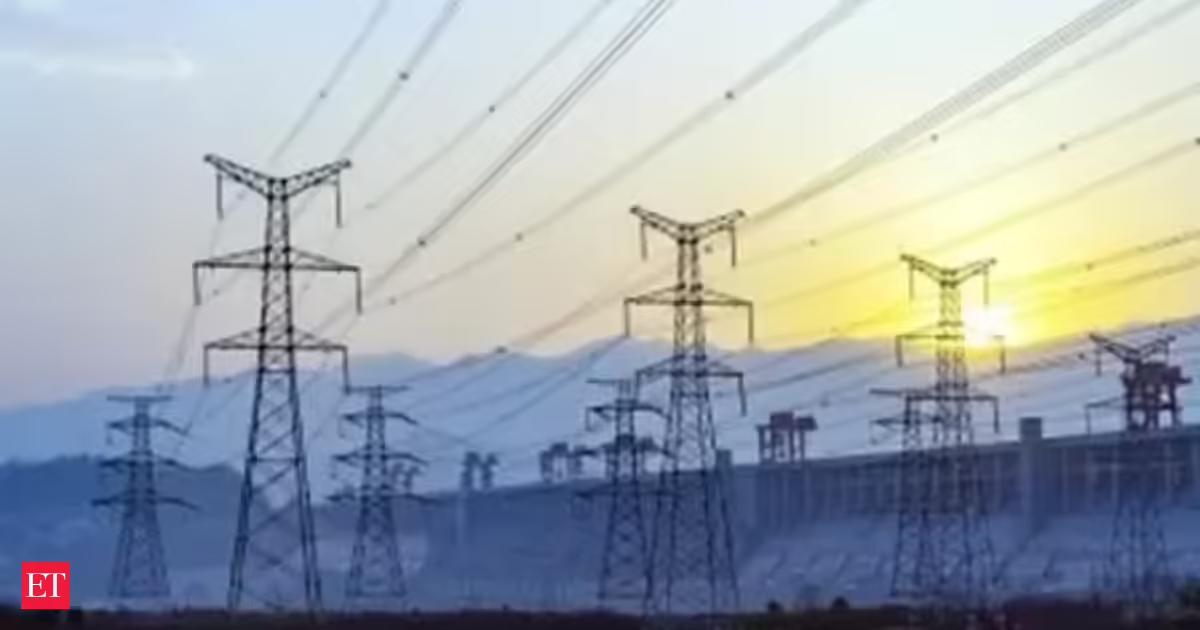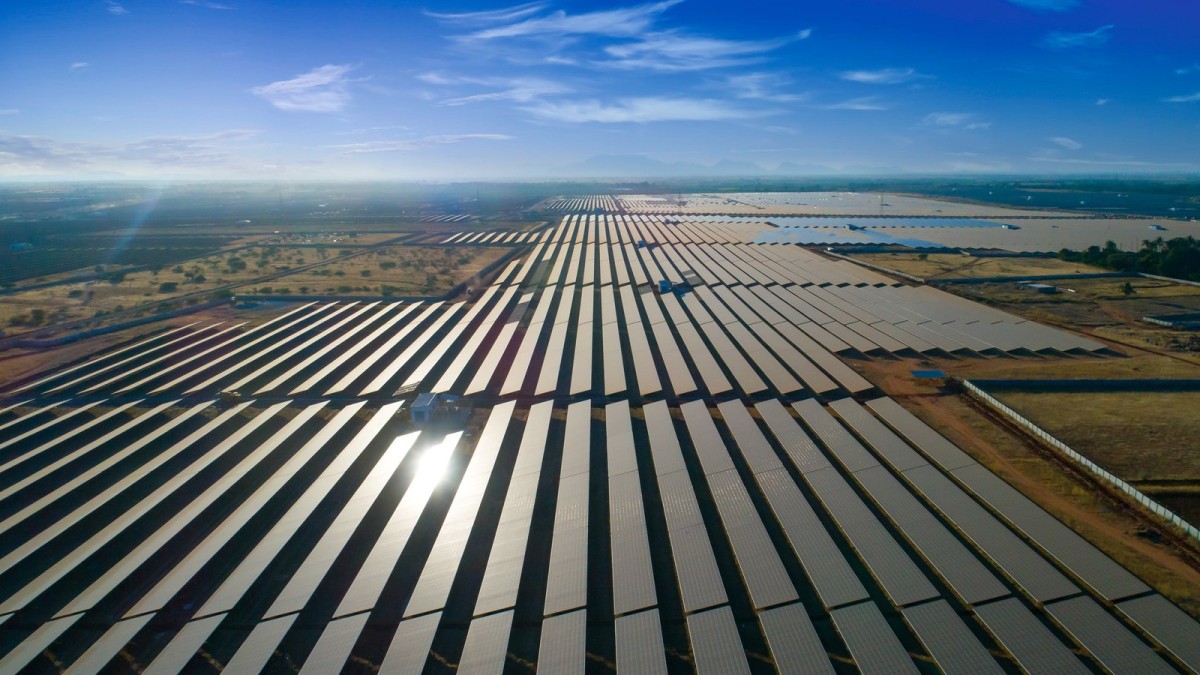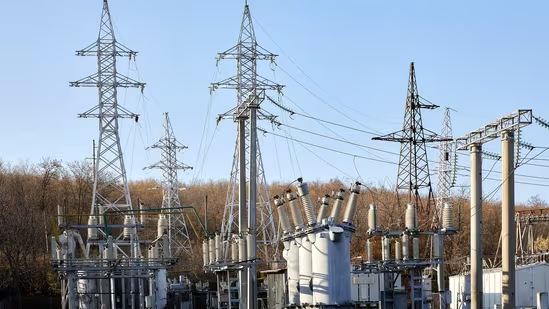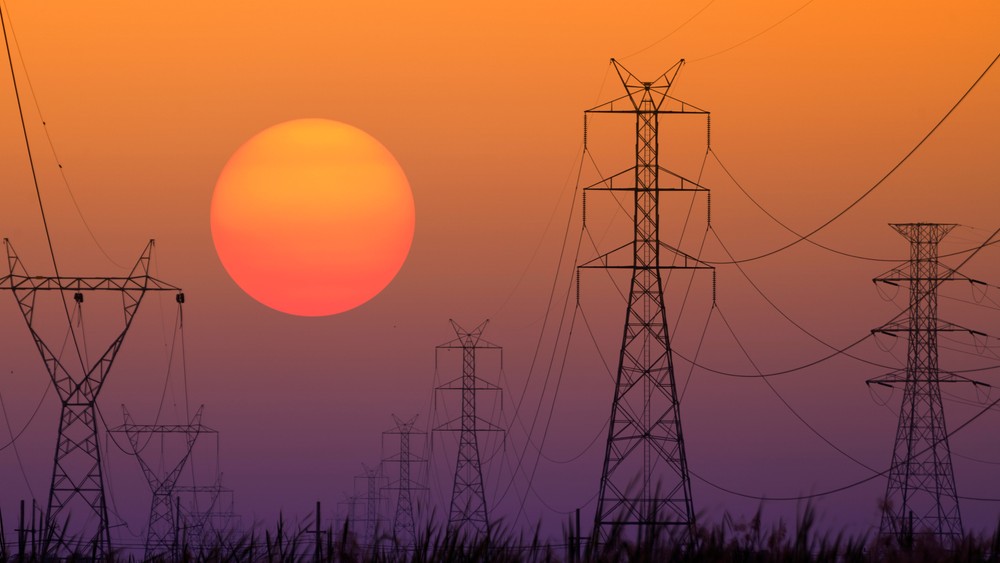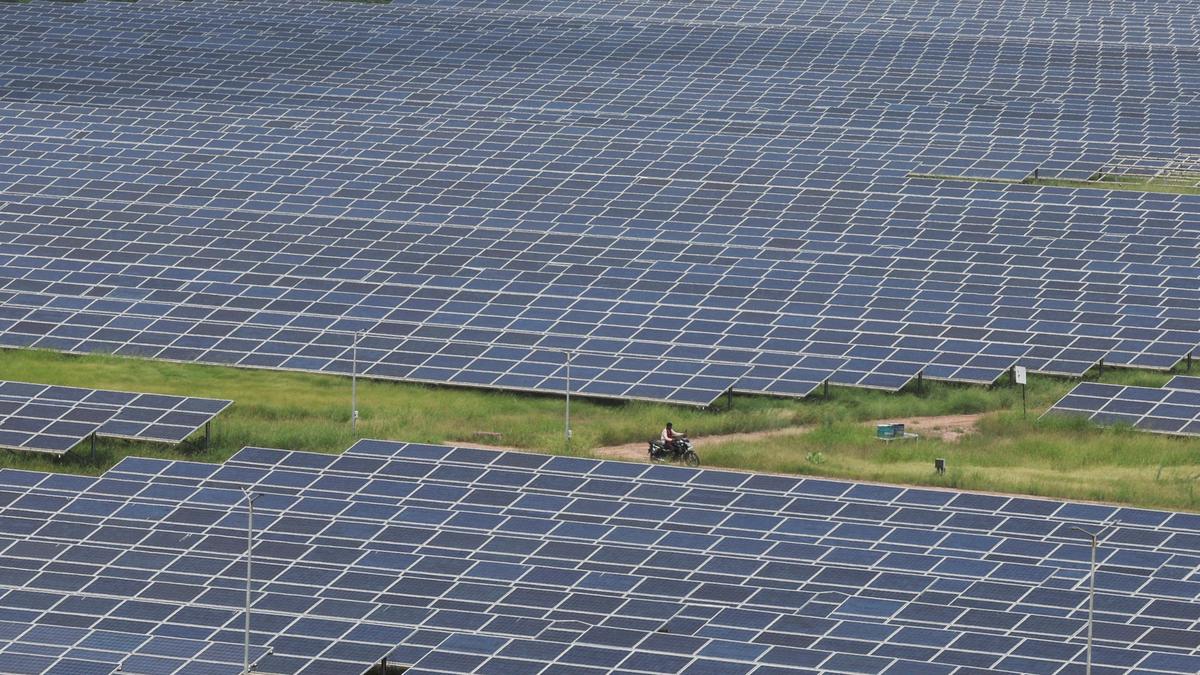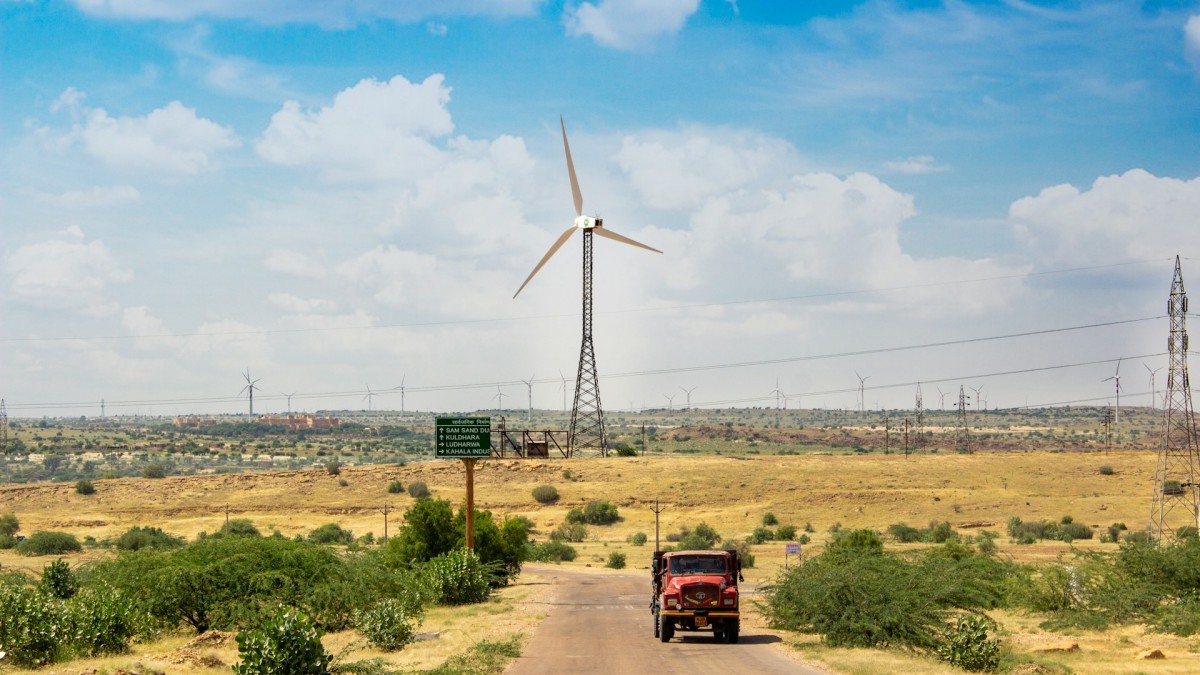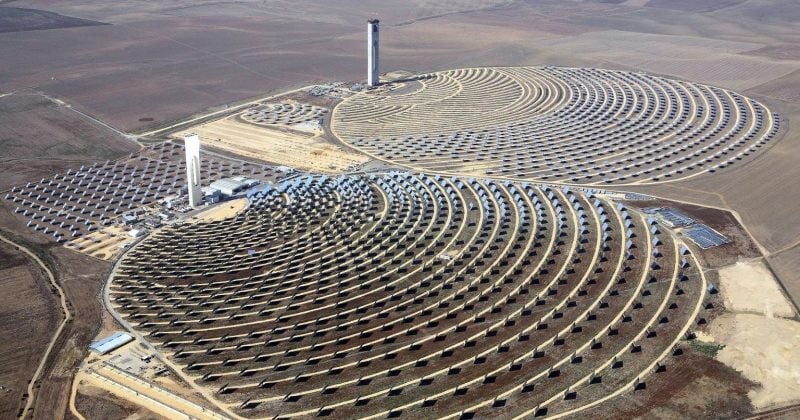
India’s Ministry of New and Renewable Energy has issued a directive to clean energy firms, requiring them to disconnect from the national grid or adhere strictly to scheduled power generation. This move addresses the instability in the grid caused by mismatches between renewable capacity and transmission infrastructure. As of April 2026, India has over 279 GW of grid-connected renewable capacity, representing nearly 52% of its total electricity capacity. The directive reflects ongoing challenges in balancing the rapid expansion of renewable energy with existing transmission capabilities.
In parallel, the global energy market is observing significant developments as Iran’s statement about the closure of the Strait of Hormuz contrasts with reports of continued maritime traffic. Despite these tensions, oil markets have not shown signs of panic. This mixed scenario is reflected in the prediction markets for WTI Crude Oil prices, which are currently seeing low probability for significant price hikes in July 2026.
Key Takeaways
India’s directive appears to address grid stability by requiring clean energy firms to improve their compliance with scheduled power generation.
The market’s reaction to Iran’s Strait of Hormuz announcement suggests skepticism or anticipation of resolution, given the lack of panic in oil pricing.