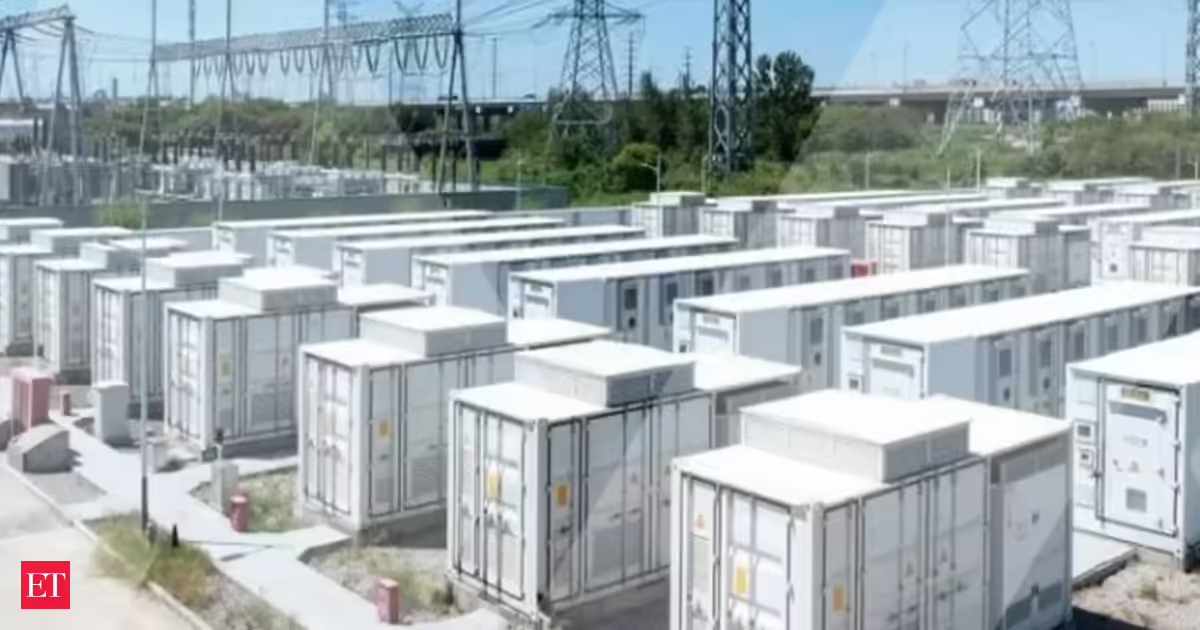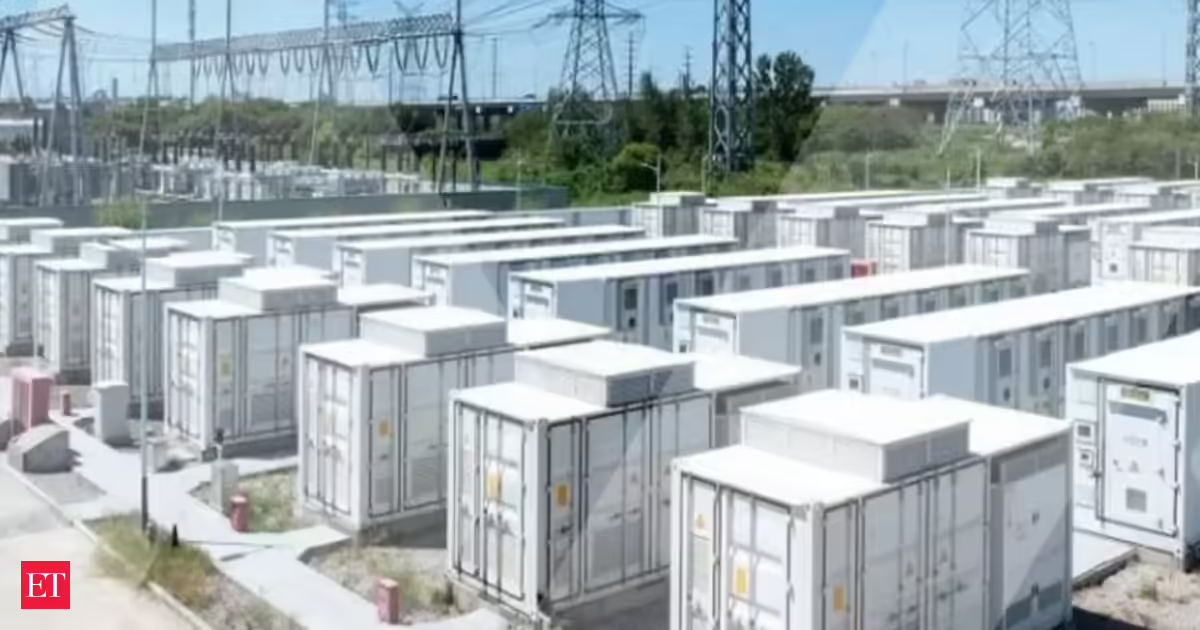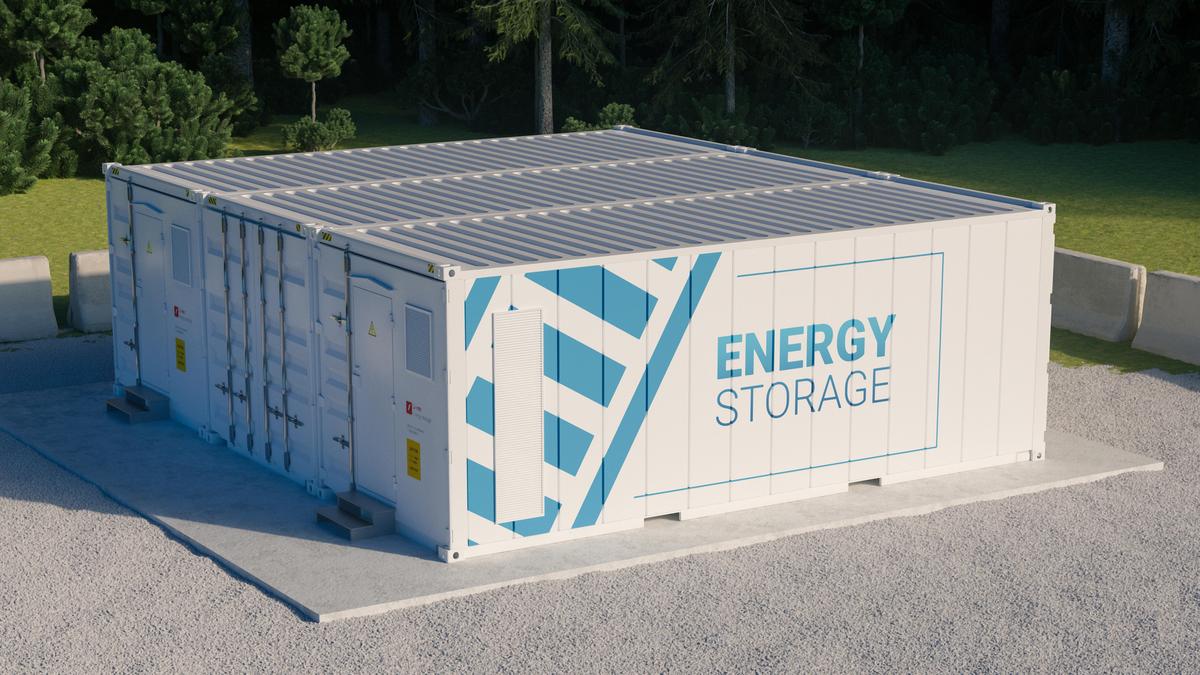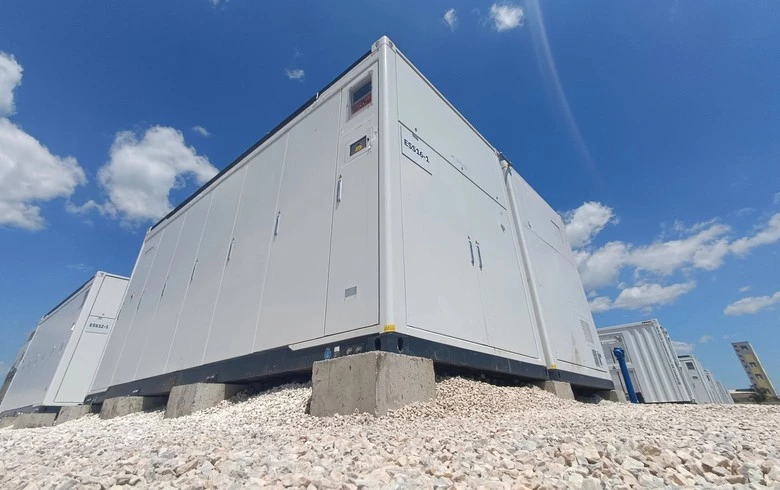
Installed battery storage capacity rose more than 11-fold to 8.7 GWh in the first half of 2026 from 0.78 GWh at the end of 2025 and is expected to reach 10 GWh by the end of 2026, according to IESA.
Tariffs for battery storage in India are expected to rise, developers and lenders said at an industry event on Wednesday, as high input costs have made low-priced projects harder to sustain.The South Asian nation is rapidly expanding battery storage to provide round-the-clock renewable power, with about 260 gigawatt-hours (GWh) of energy storage projects currently at various stages of development.“Tariffs for standalone battery storage projects fell sharply over the last two years on expectations that battery cell costs would continue to decline,” said Debamalya Sen, president of the India Energy Storage Alliance (IESA).“With costs now rising, the question is how many of those projects will survive,” he said during an event organised by IESA in New Delhi.End of China incentives, Iran war pushing up battery costsInstalled battery storage capacity rose more than 11-fold to 8.7 GWh in the first half of 2026 from 0.78 GWh at the end of 2025 and is expected to reach 10 GWh by the end of 2026, according to IESA.That is still far lower than the renewable generation capacity of about 283 GW, however.The withdrawal of export incentives by China, the world’s largest battery supplier, along with rising prices of lithium, copper and aluminium tied to the Iran war have pushed up battery costs.India’s top lender State Bank of India said some projects that secured funding have not progressed as battery prices rose and suppliers no longer honoured earlier price commitments.“In 2025, we saw the lowest (tariff) quote at ₹1.48 lakh ($1,548.85) per megawatt per month. At current battery prices, that is not sustainable,” said Asesh Chakrabarti, a State Bank of India deputy general manager, at a panel discussion.Companies in India have been offering lower tariffs to win state government projects.However, Mahindra Susten, the clean energy arm of the Mahindra Group, cautioned against a “race to the bottom” in tariffs.“Tariffs... have to be realistic to ensure projects can secure financing, are built on time and to the required quality standards, and remain viable throughout their useful life,” said Mahindra Susten CEO Avinash Rao.Published on July 8, 2026