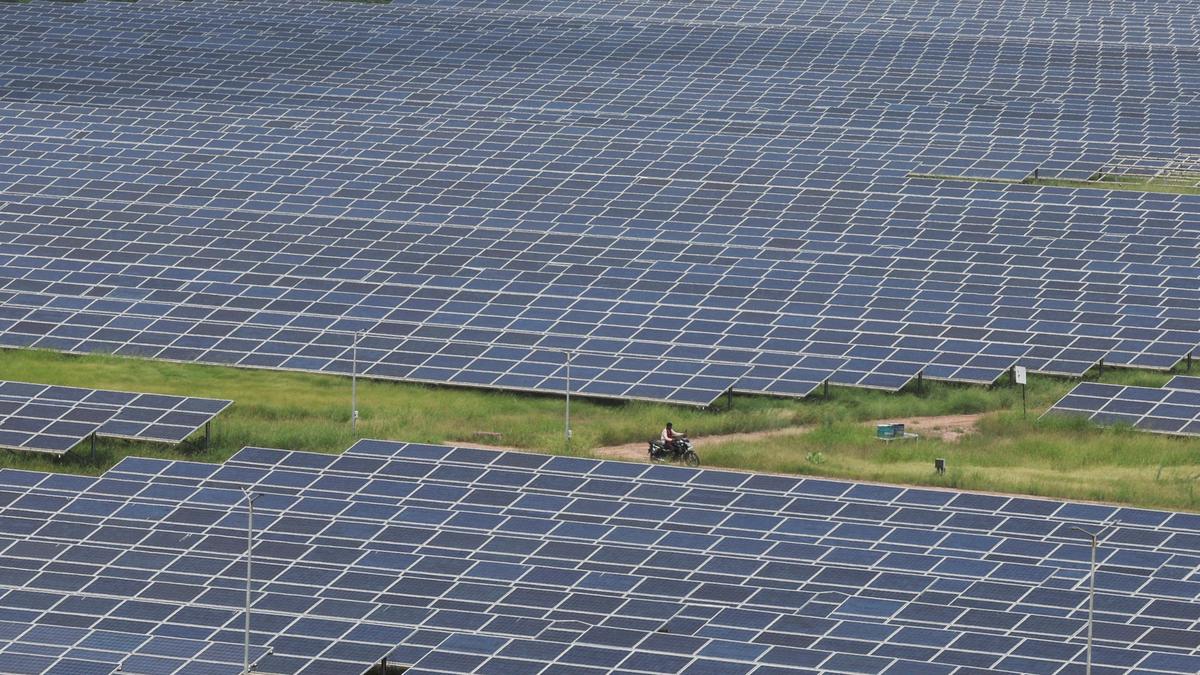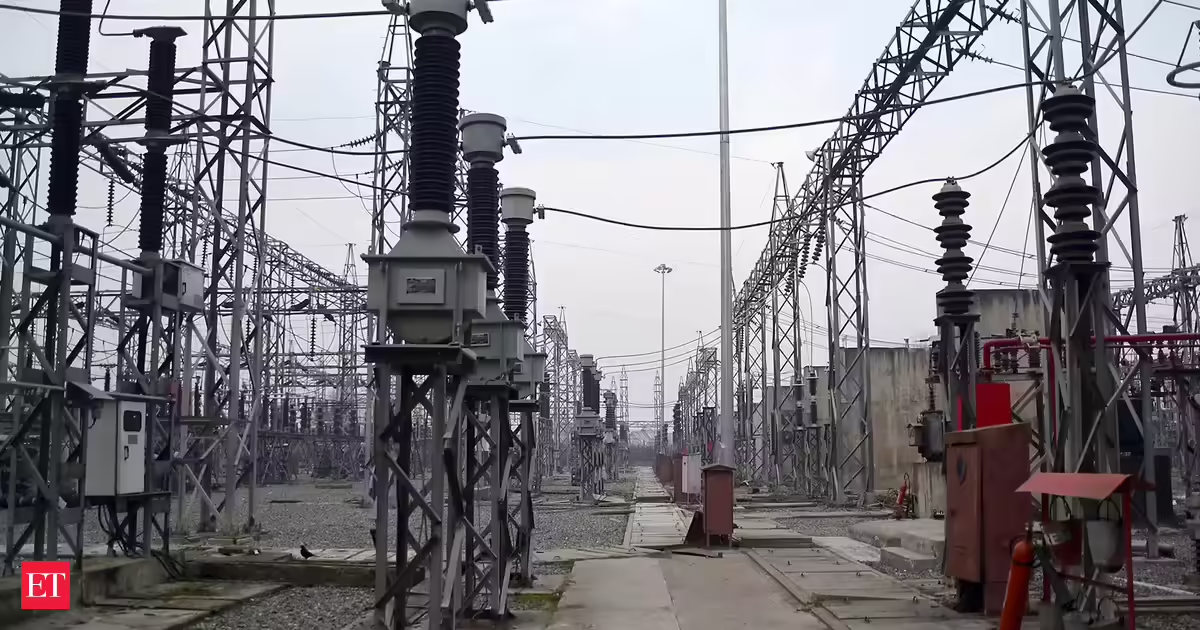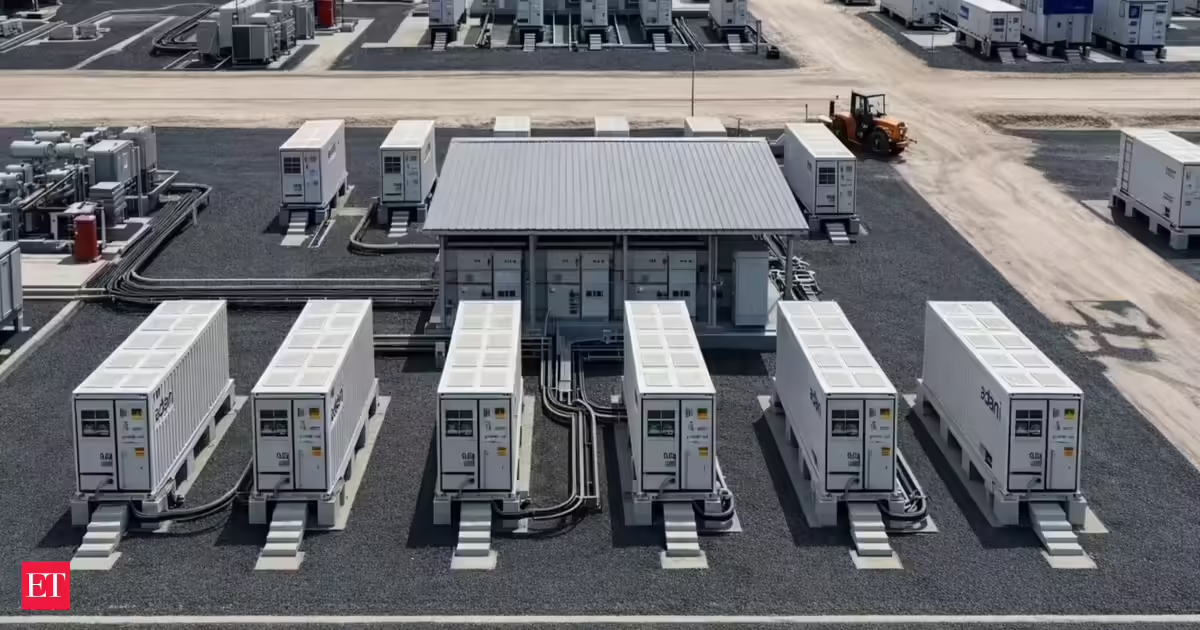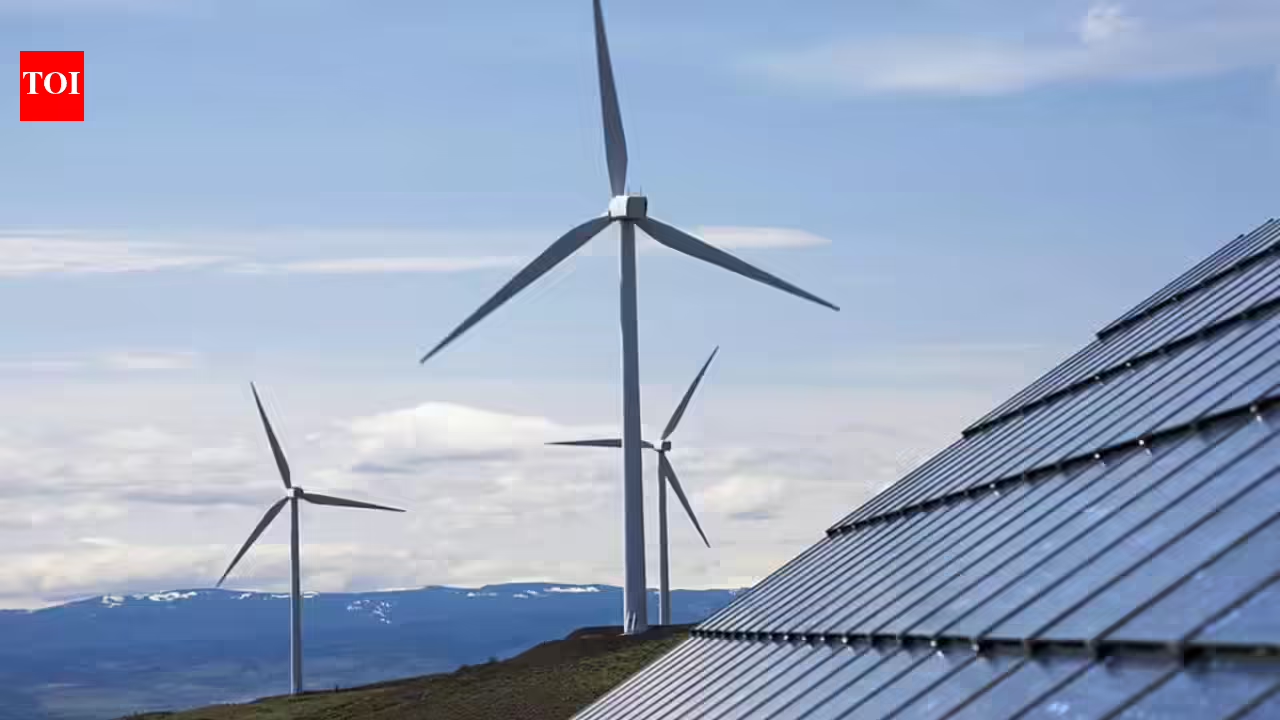
New Delhi: India’s energy investment is likely to reach a record $170 billion in 2026, driven by a push towards renewable energy capacity addition, strengthening of transmission and distribution networks, and deployment of storage systems to support the grid and reduce curtailment, the International Energy Agency (IEA) said in its latest report.The power sector accounts for nearly half of India’s total energy spending, with investment in solar photovoltaic (PV) capacity growing 25% annually over the last five years to around $20 billion, making it one of the biggest growth drivers.IEA said India is investing heavily in grid upgrades, energy storage and dispatchable power generation to support the rapid rise in renewable capacity. The increasing share of electricity from solar and wind projects has created the need for transmission infrastructure, storage systems and flexible power sources to avoid curtailment and maintain grid stability.Transmission and distribution investment is set to reach $26 billion in 2026 after growing 15% annually over the past five years. The report said supportive policies have been introduced to promote grid investment. Investments in hydropower and nuclear energy tripled between 2020 and 2025 following announcements of new projects.India plans to raise nuclear power capacity to 100 gw by 2047 from about 9 gw currently, with the Shanti Act paving the way for private investment in the highly regulated sector.Coal, however, continues to remain the backbone of India’s power generation and industrial energy needs, largely supported by domestic mining. IEA said investment in the coal sector is expected to reach nearly $13 billion in 2026 as the govt pushes to increase production to 1.5 billion tonnes by 2030 from around 1 billion tonnes at present. According to the agency, India is the world’s second-largest investor in coal supply, and investments in the sector have tripled over the last decade.The report said oil refining has also emerged as a major area of investment, with spending growing 23% annually over the last five years. India is expanding its refining capacity from the current 258 million metric tonnes per annum (MMTPA) to more than 310 MMTPA by 2030 to meet rising domestic and global demand for petroleum products. While the country remains heavily dependent on imported crude oil, it is a net exporter of refined fuels.Upstream oil and gas investment, however, has contracted by an average 7% annually since 2020, prompting the govt to introduce a new licensing regime to attract fresh exploration capital. ONGC alone has announced a $20 billion deepwater drilling plan as part of India’s broader target of attracting $100 billion in upstream investment.
India’s energy investment likely to reach record $170 bn in 2026: IEA
New Delhi: India’s energy investment is likely to reach a record $170 billion in 2026, driven by a push towards renewable energy capacity addition, strengthening of transmission and distribution networks, and deployment of storage systems to support the grid and reduce curtailment, the International Energy Agency (IEA) said in its latest report.
425 words~2 min read