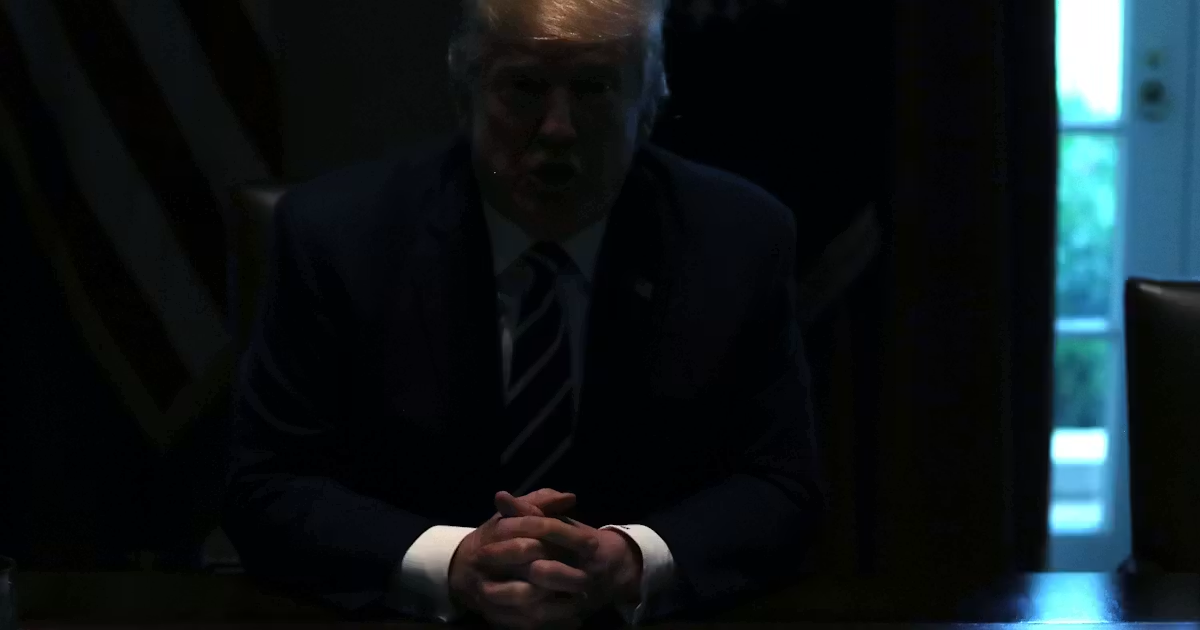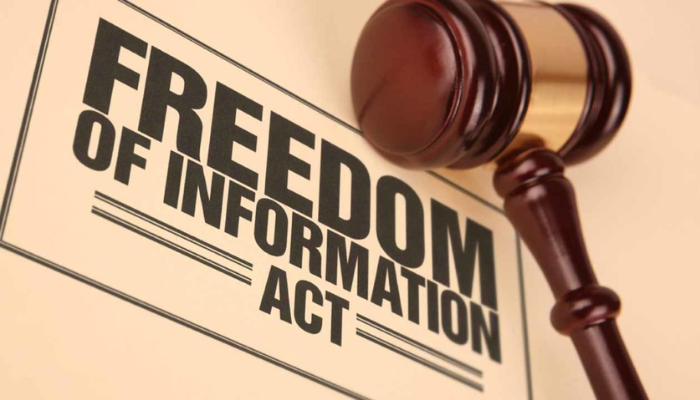
This month marks the 60th anniversary of the federal Freedom of Information Act. FOIA, and its statewide versions, have brought a revolution of transparency to American governments, allowing journalists—and anyone else—an open window to its secretive workings. But FOIA is facing a crisis of concealment. The Reporters Committee for Freedom of the Press laments how government agencies routinely ignore, delay and omit legally required responses to FOIA requests. The backlog of unanswered FOIA requests has reached epic proportions under Donald Trump, who demands secrecy and fired many employees responsible for fulfilling FOIA.
Public colleges often use the same tactics to violate the spirit and letter of FOIA laws. For example, Boise State University has refused the request from the Foundation for Individual Rights and Expression to reveal which state legislator fabricated a hoax about conservative students being victimized—a hoax that led to 55 classes with 1,300 students being suspended for more than a week, a ban on classroom discussions in those classes, an expensive investigation and retaliatory budget cuts.
But in academia, FOIA is often abused in a different way. In June, an extremely troubling report appeared in the Manhattan Institute’s City Journal attacking a project of the American Association of University Professors—the Center for the Defense of Academic Freedom and its director, Isaac Kamola—that quickly spread among outraged right-wingers on the internet. (Full disclosure: I applied this year to be a CDAP fellow, but I was rejected.)