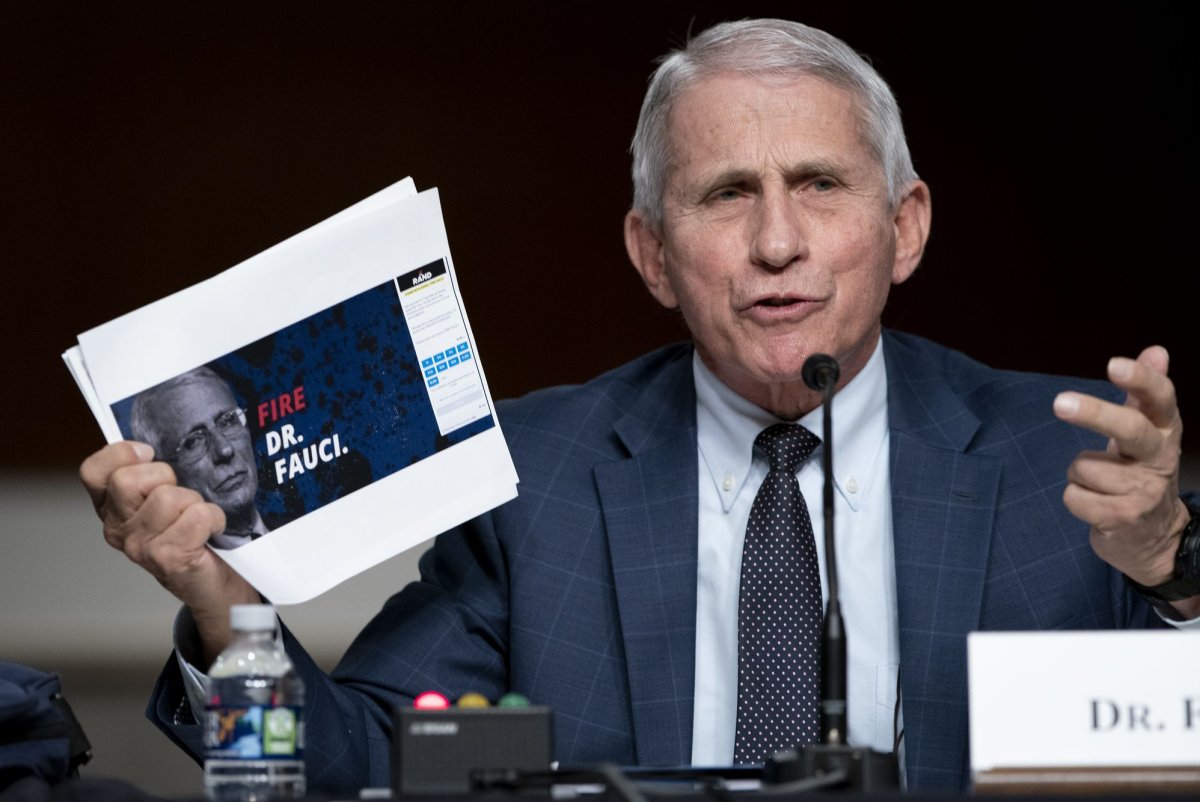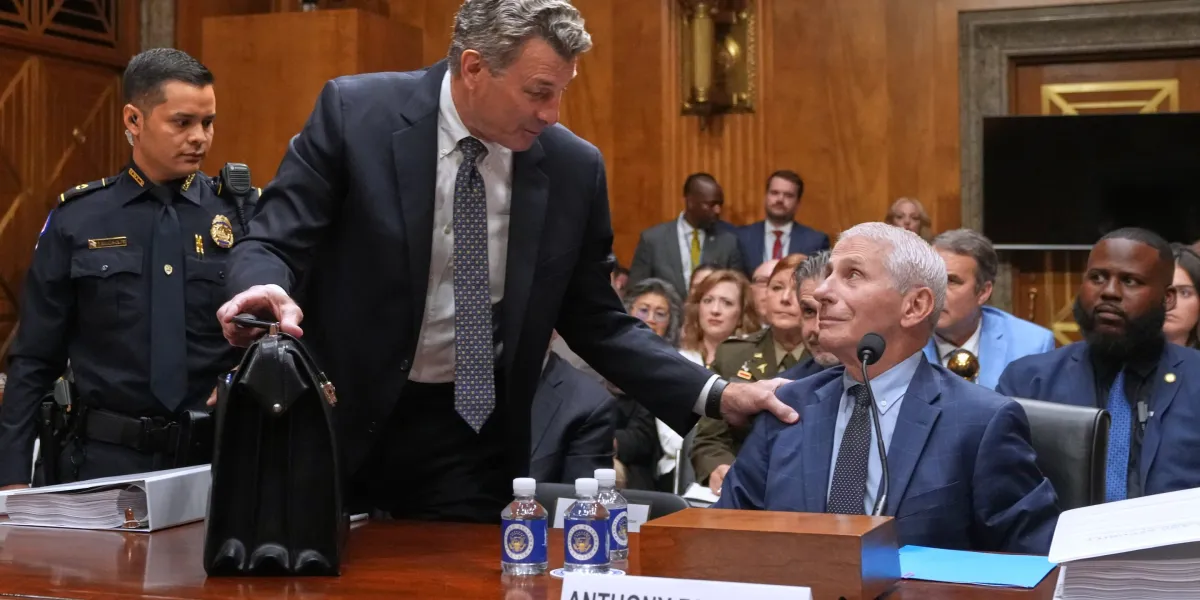
In April, David Morens, a senior adviser to Anthony Fauci, was indicted on charges of allegedly destroying government records tied to COVID-19 origins research. According to the indictment, he deleted official communications and used personal email to evade Freedom of Information Act requests — even describing how to make emails “disappear” before searches began.It is an extreme case. But it exposes a problem that should concern every member of Congress: FOIA operates, in practice, as an honor system.A transparency law that cannot verify whether agencies are accurately describing their searches does not just fail journalists and watchdogs. It weakens Congress’s ability to oversee the executive branch.
TRUMP FDA’S CHANCE TO CRACK DOWN ON CHINESE BLACK MARKET HARMING OUR CHILDREN
FOIA was enacted more than 60 years ago under Rep. John E. Moss of California to give the public a legal right to government records. Agencies now process more than 1.5 million requests annually. The system is strained, but the central problem is not volume. It is enforceability.
Courts generally defer to agency declarations that they conducted “reasonable” searches unless a requester produces unusually strong evidence to the contrary. Even when inconsistencies surface, consequences are nearly nonexistent. A 2018 Government Accountability Office review found that over a 10-year period, courts made zero referrals under FOIA’s sanctions provision. The enforcement mechanism exists on paper but is functionally dead.