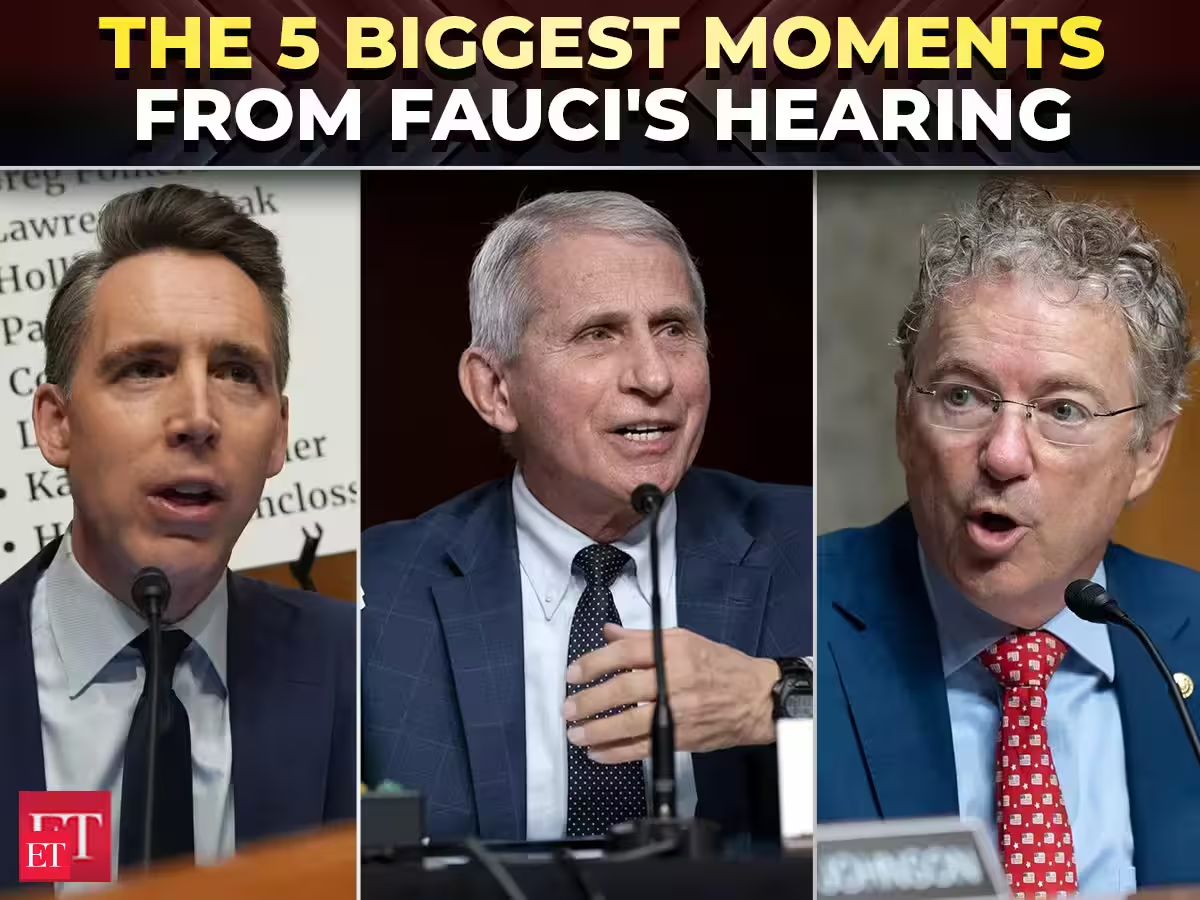
After Dr. Anthony Fauci invoked the Fifth Amendment before the Senate Homeland Security Committee last week, Sen. Andy Kim (D-NJ) warned that the hearing could have a “chilling effect” on scientists considering public service. Young researchers, he argued, would think twice before following in Fauci’s footsteps after watching one of the country’s best-known public health officials endure years of investigations and public attacks.Almost immediately, the conversation shifted away from Fauci’s decisions and toward the danger of questioning them. Accountability became the alleged threat.Therapists see this pattern all the time. When people feel cornered, they often stop defending their decisions and start defending themselves from having to answer for them. The conversation shifts from whether they exercised good judgment to whether it’s fair to keep asking about it.
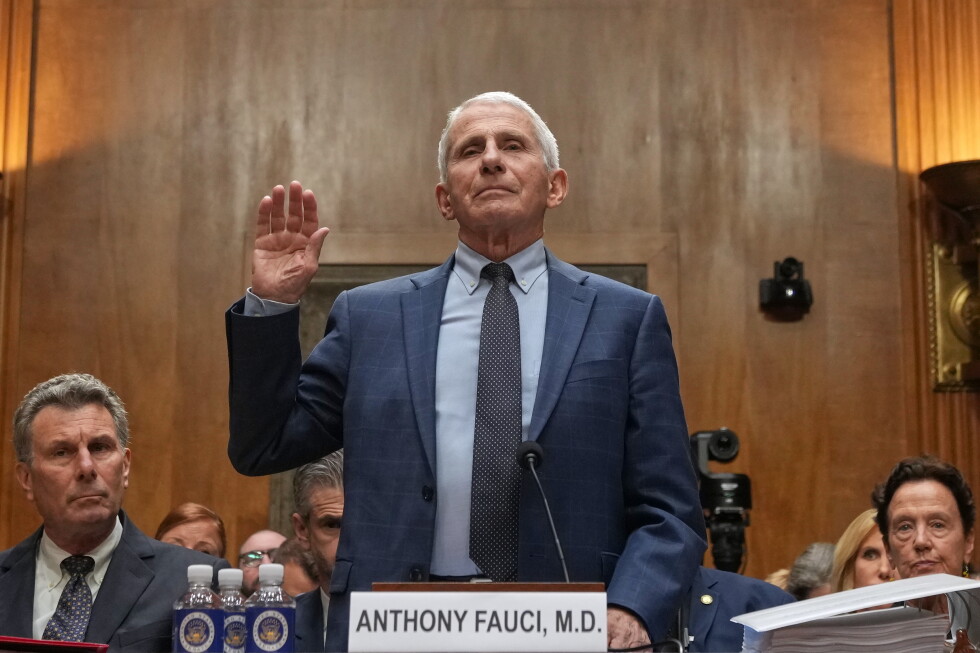
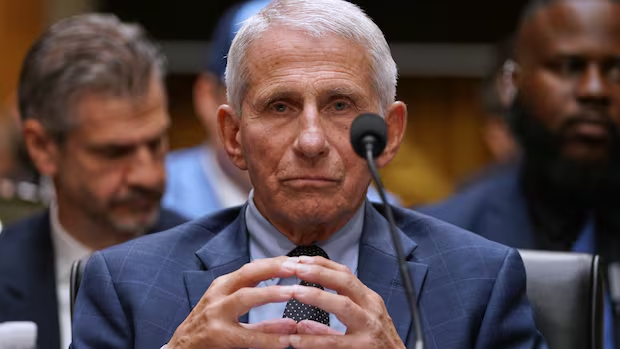
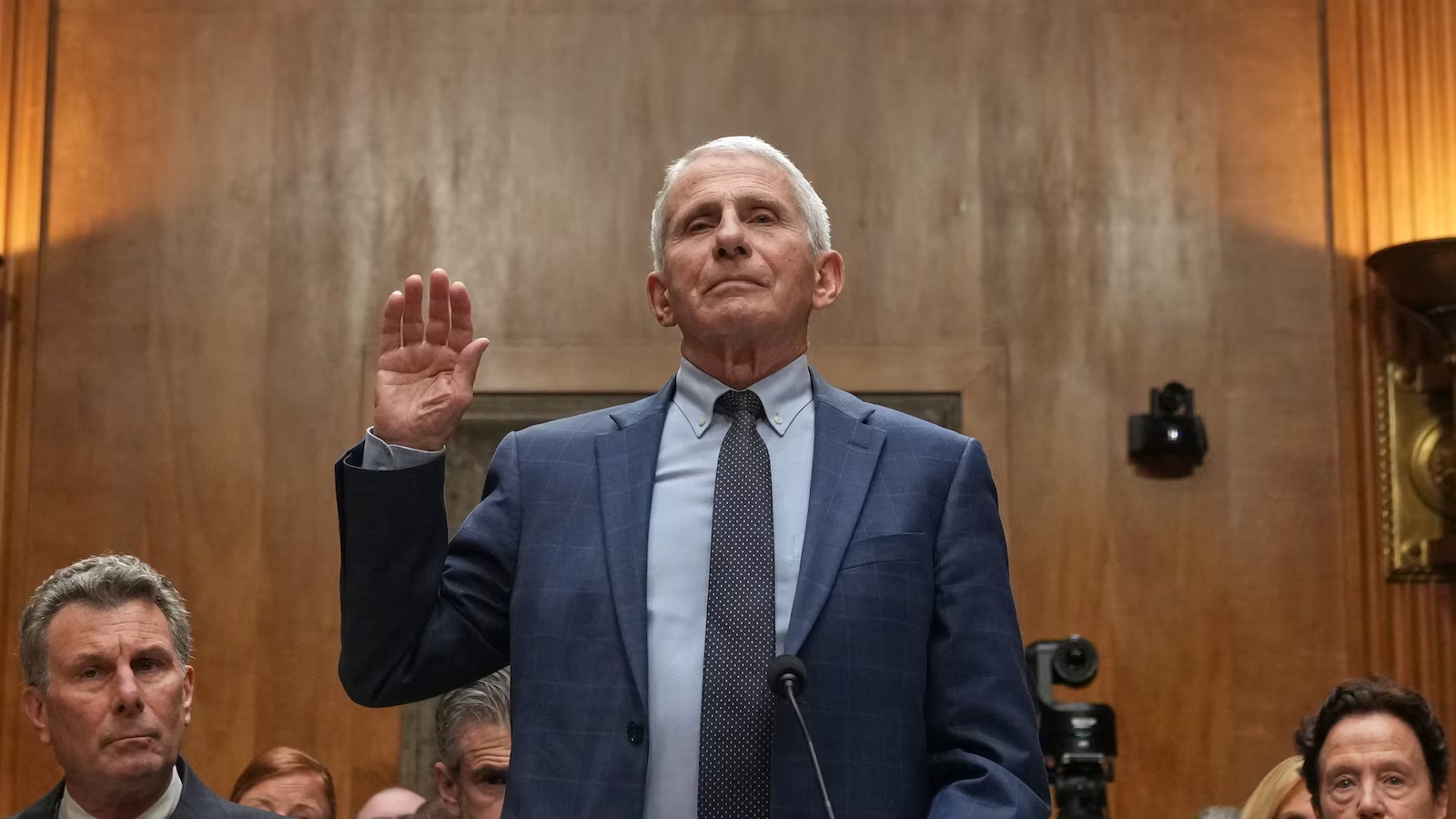
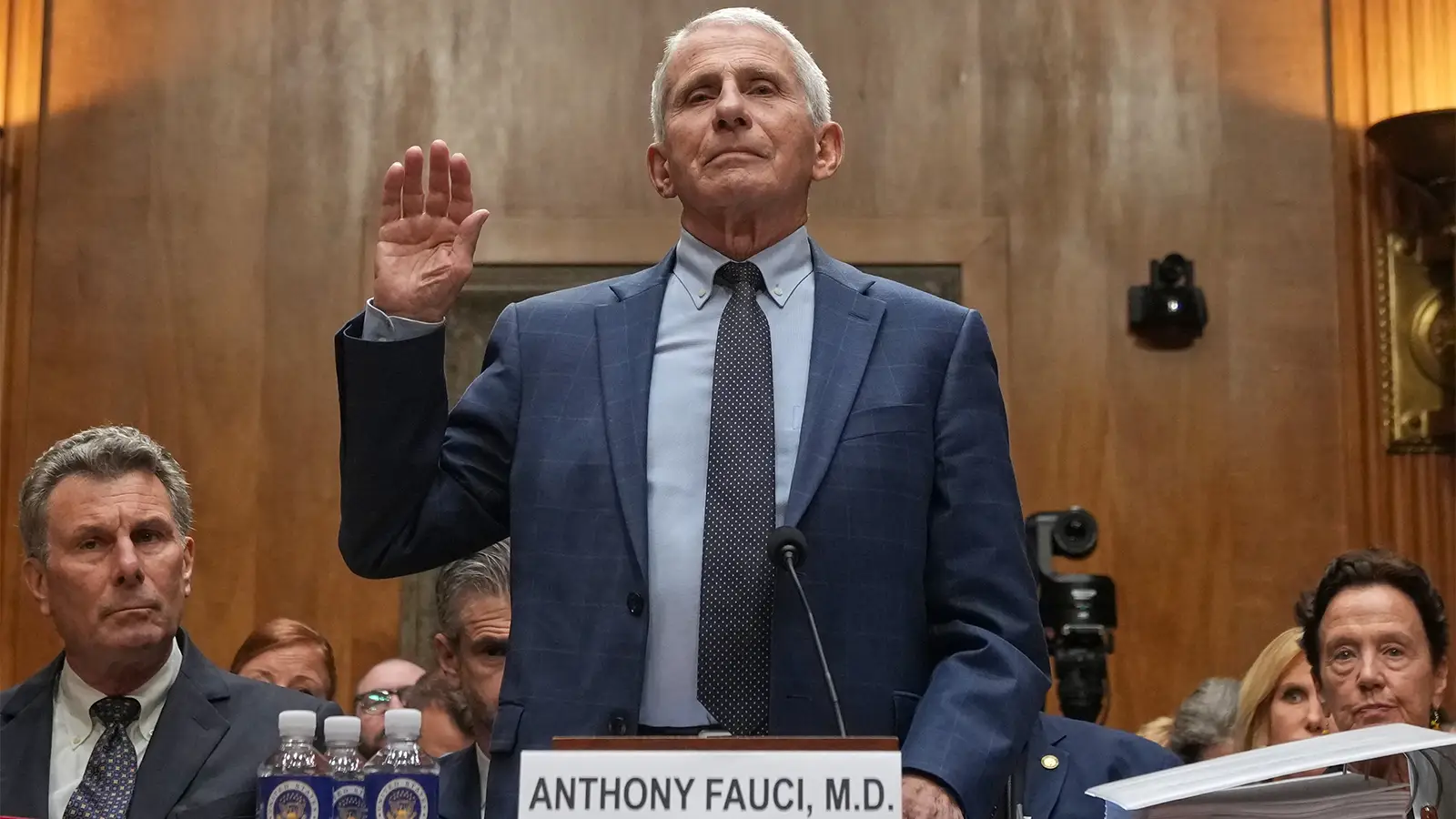
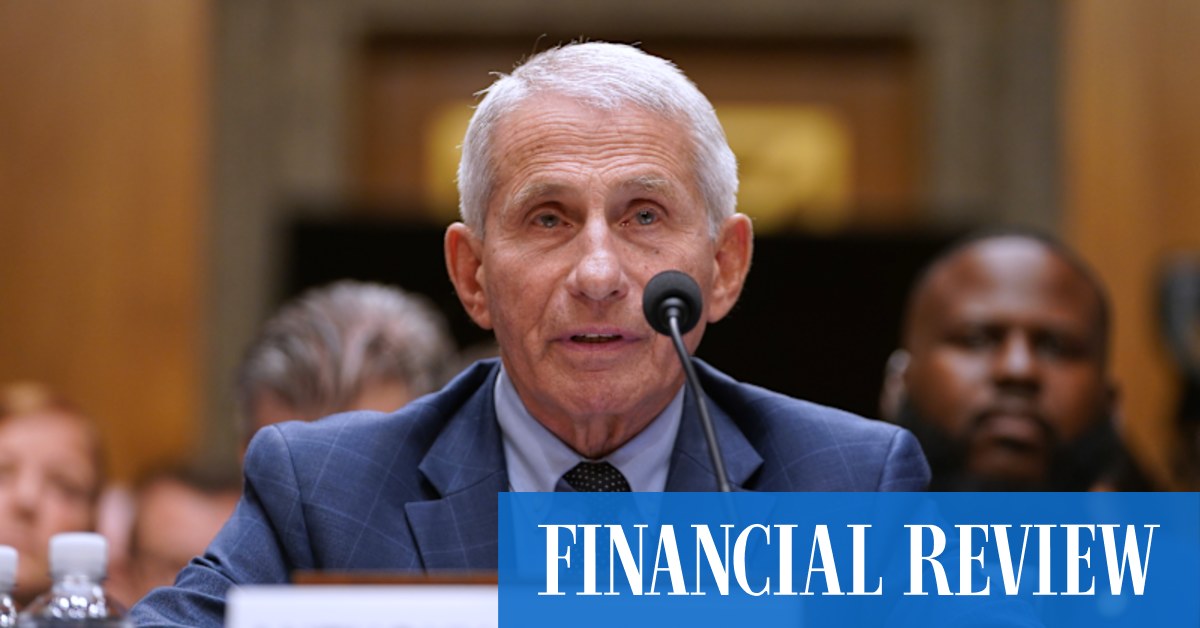
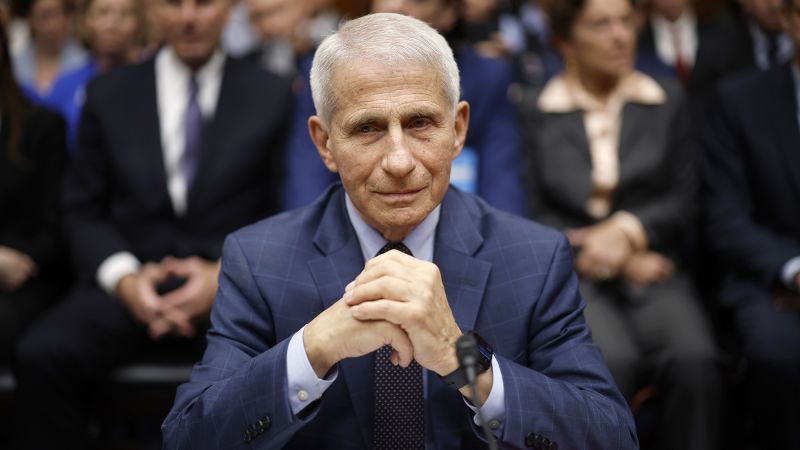
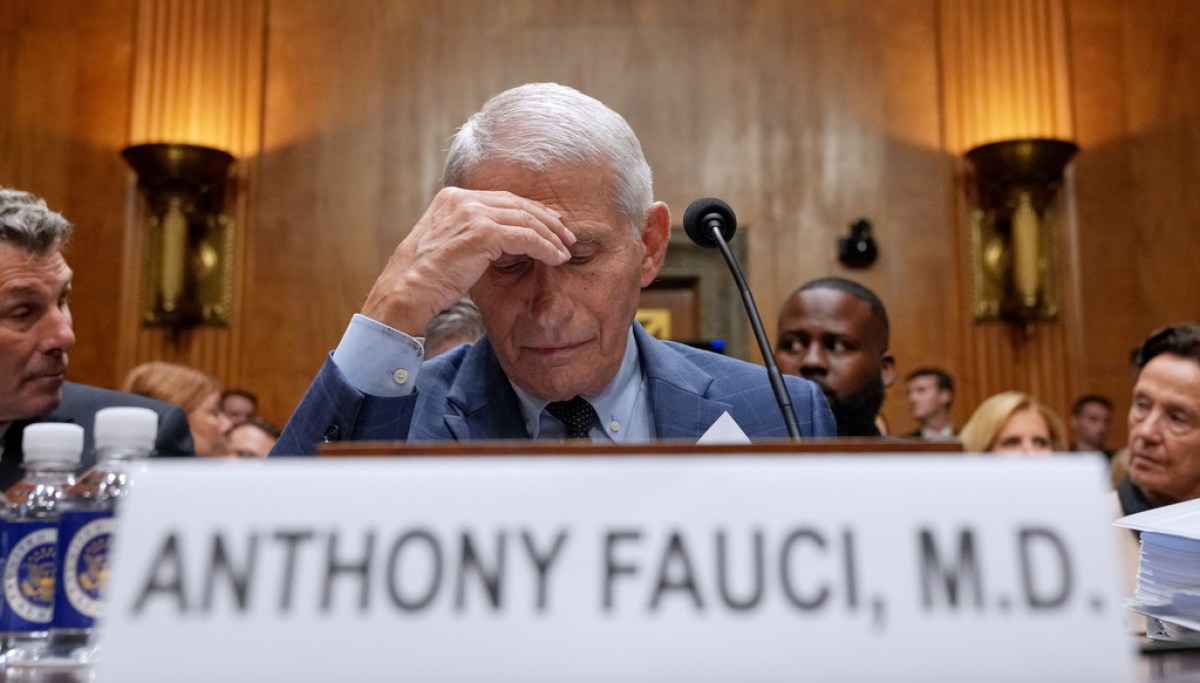
It’s a natural instinct. Most people don’t enjoy having their mistakes examined. When criticism feels personal, the temptation is to question the criticism instead of confronting the issue that prompted it. People may focus on how attacked they feel, question the motives of the person asking, or argue that the conversation itself has become unfair.Good therapy pushes in the opposite direction. Patients learn to separate criticism of a decision from criticism of their character. They learn that uncomfortable questions aren’t necessarily hostile ones and that accountability isn’t the same thing as condemnation. Growth depends on being willing to tolerate discomfort instead of finding ways to avoid it. Public institutions shouldn’t operate by a different psychological standard.Kim wasn’t necessarily defending Fauci’s pandemic decisions. He was arguing that years of scrutiny could discourage talented scientists from entering public service. It’s an understandable concern. But it also turns accountability on its head. The question quietly changes from whether public officials exercised good judgment to whether the public should keep asking.That pattern extends well beyond public health. Universities, corporations, government agencies, and other institutions now answer criticism by emphasizing the dangers of criticism itself. The conversation moves from, “Did we make the right decision?” to, “What happens if people keep questioning us?” Those are fundamentally different questions.Dr. Anthony Fauci appears before the Senate Homeland Security and Governmental Affairs Committee at the Capitol, Wednesday, July 29, 2026, in Washington. (AP Photo/Allison Robbert)