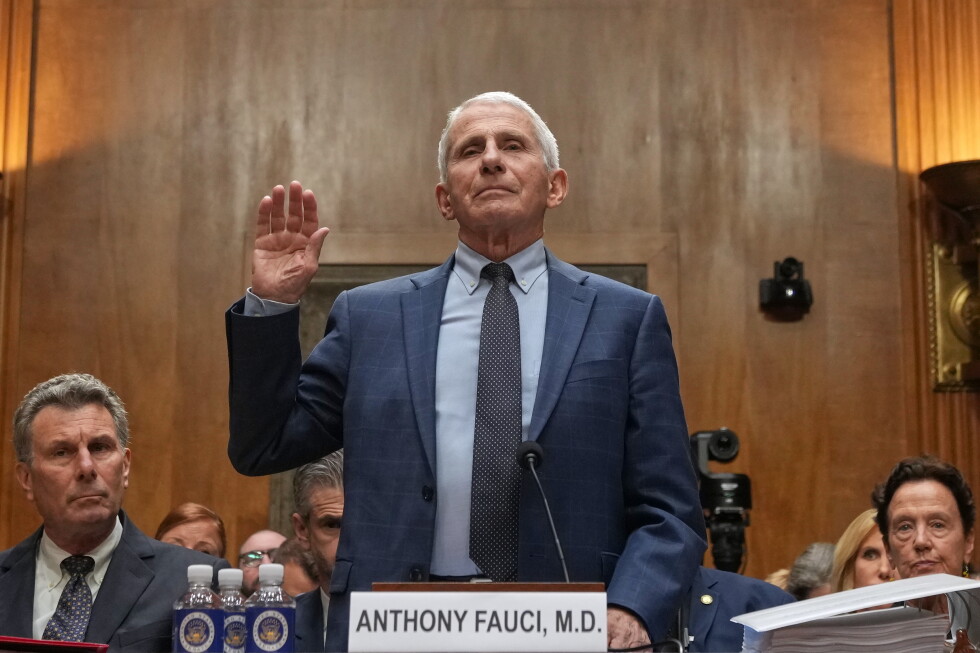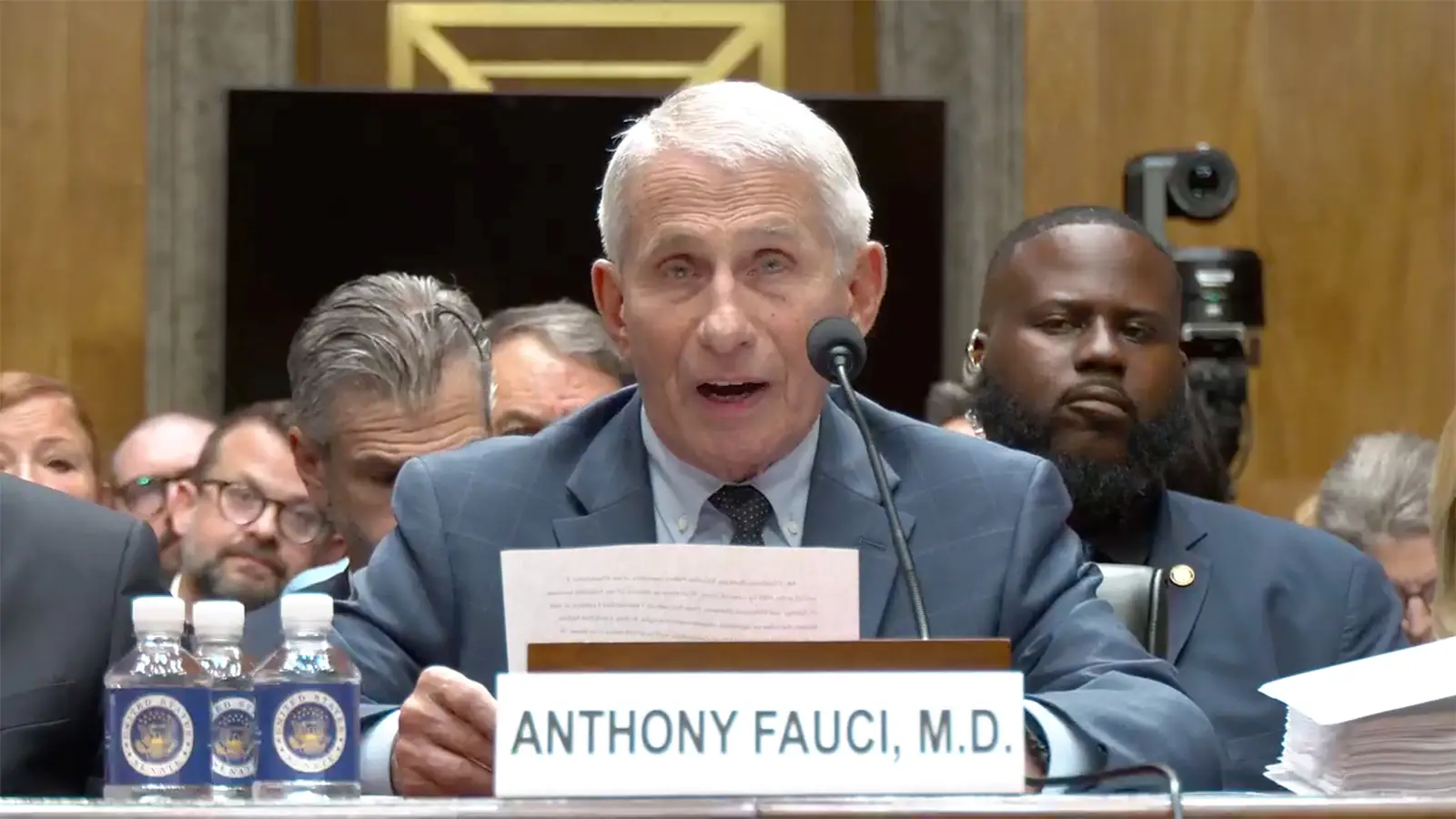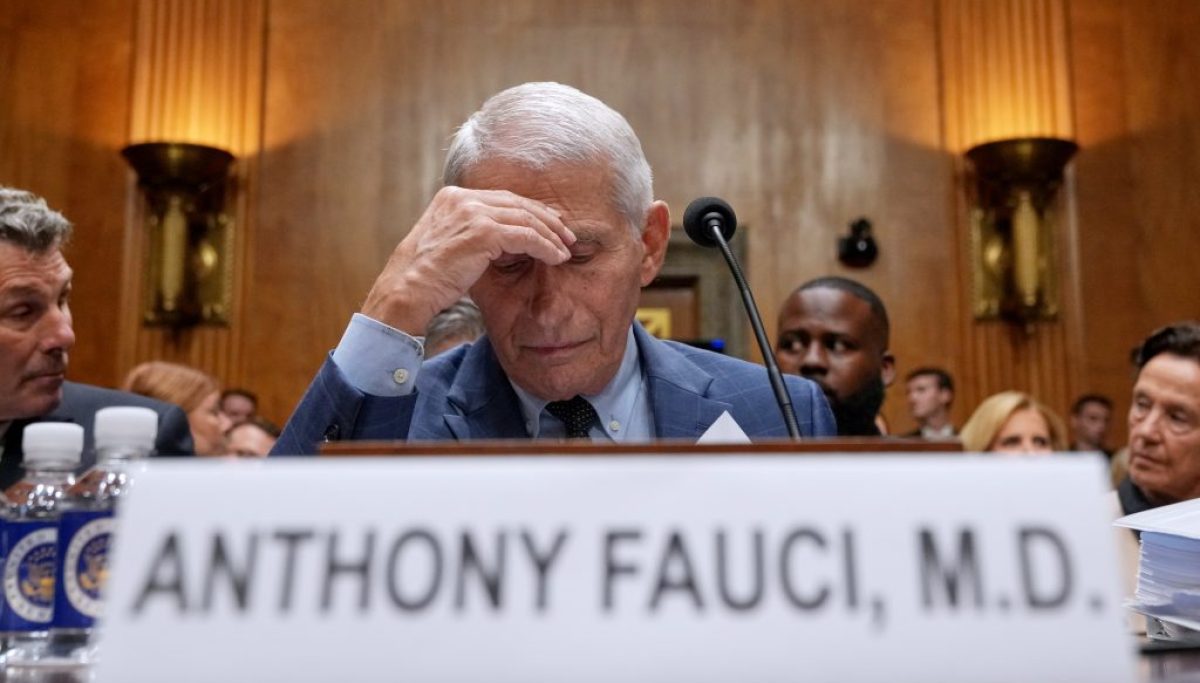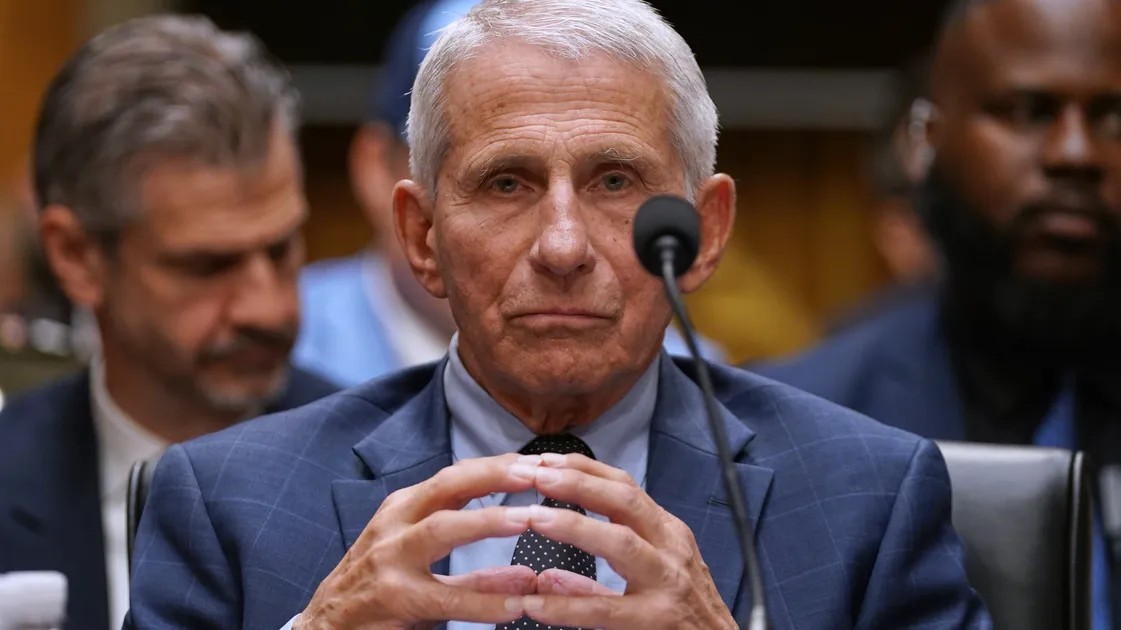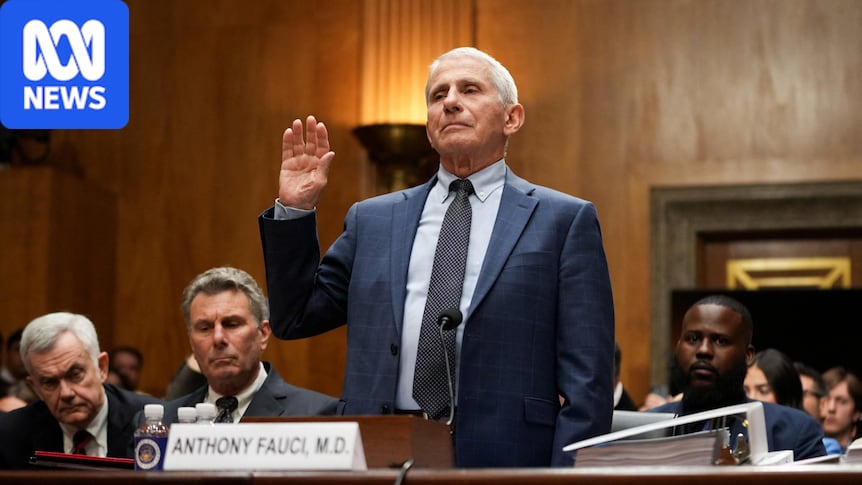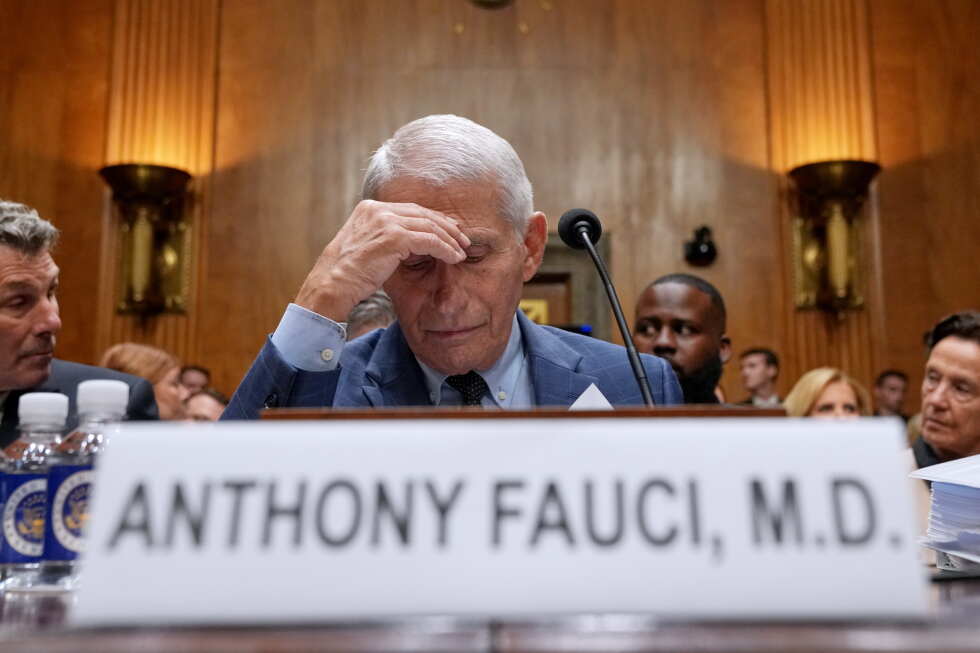
The decision by Anthony Fauci, MD, to invoke the Fifth Amendment before Congress will be put to the test this week as a Republican-led committee prepares to vote to hold him in contempt and refer the matter to the Justice Department.
A contempt finding could open the door to an investigation into whether Fauci had a valid constitutional right against self-incrimination when he refused to answer dozens of questions from lawmakers at a committee hearing last week focused on his handling of the COVID-19 pandemic.
Republican senators including Rand Paul, MD, of Kentucky, who subpoenaed Fauci and has called a contempt vote for Thursday, insist that a pardon the doctor received early last year from Democratic President Joe Biden left him ineligible for Fifth Amendment protections. A Senate resolution released Tuesday asserts that Paul found Fauci's privilege claims "unsupported."
But some legal experts say Fauci had reasons to invoke the Fifth Amendment, given the threat of potential state prosecutions and questions from President Donald Trump's administration about the validity of Biden's pardons. Any testimony from Fauci could have also prompted false-statement investigations like the ones the current Justice Department has repeatedly initiated against the Republican president's perceived adversaries.