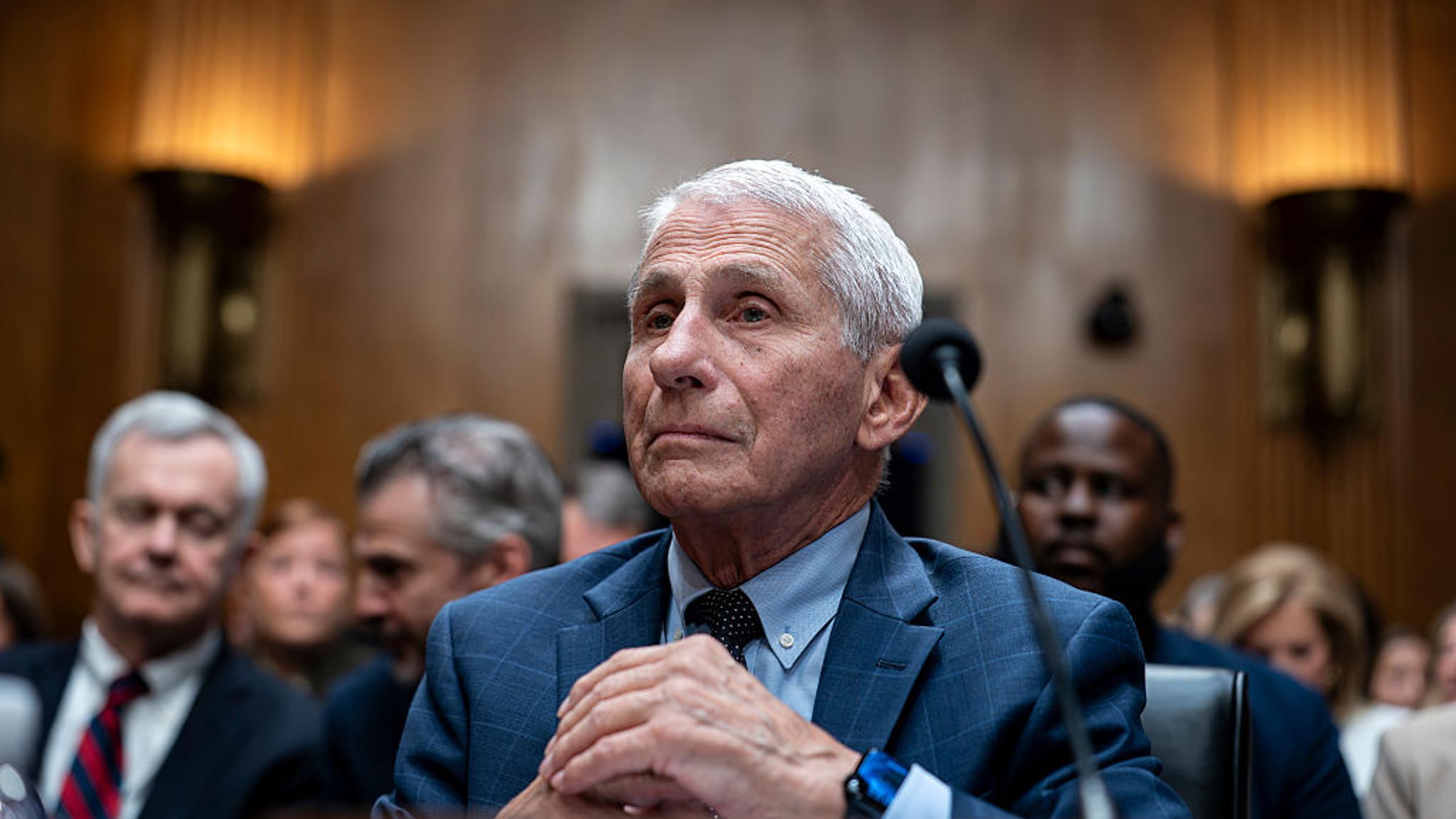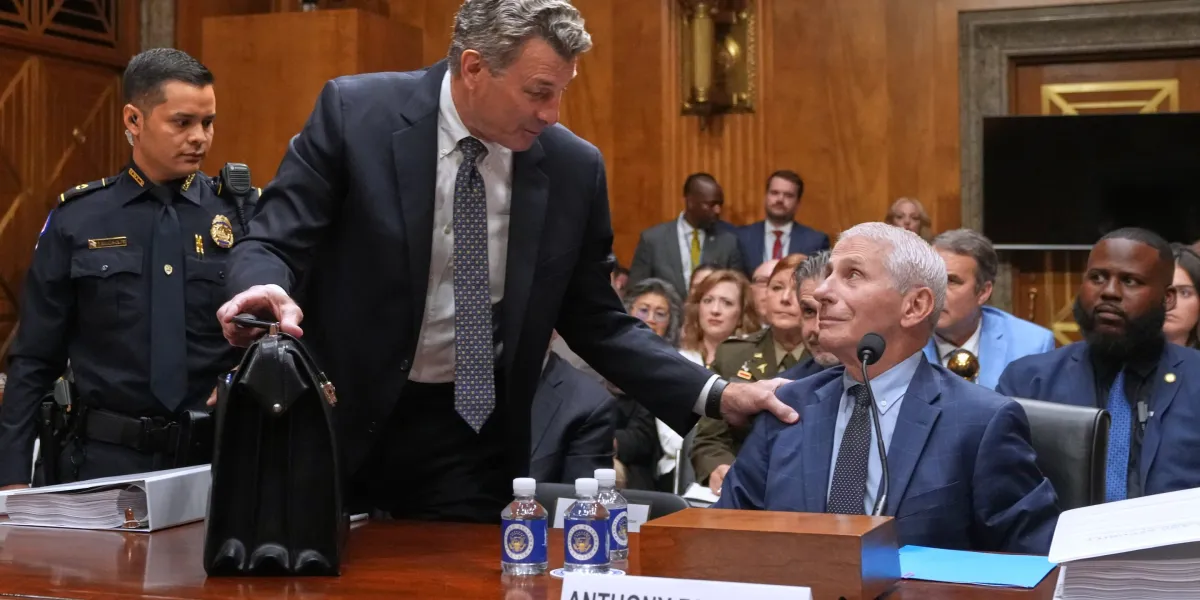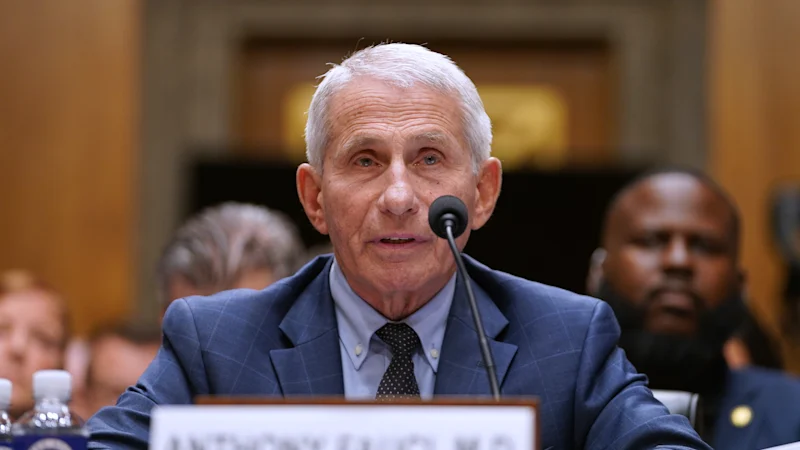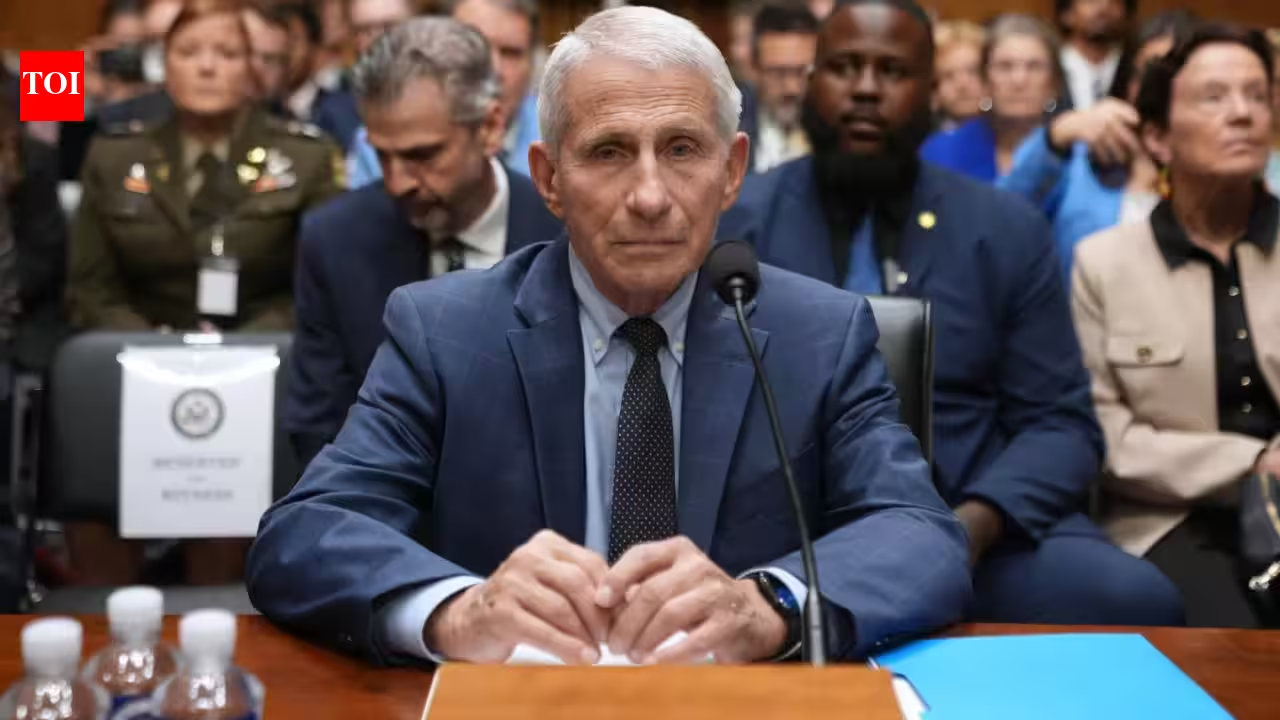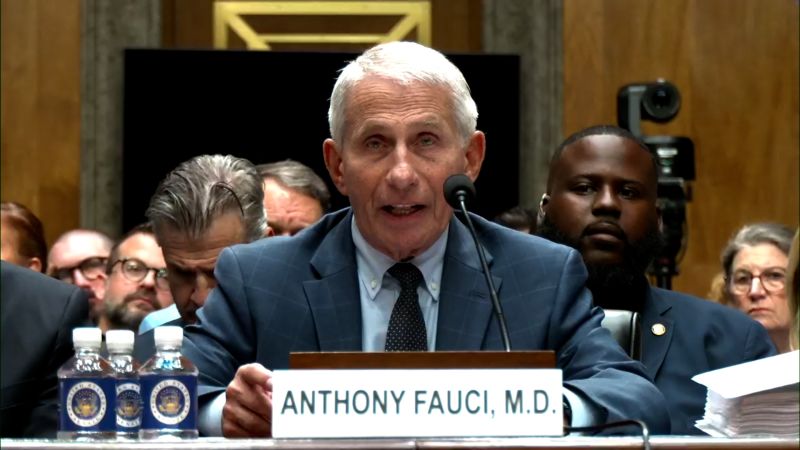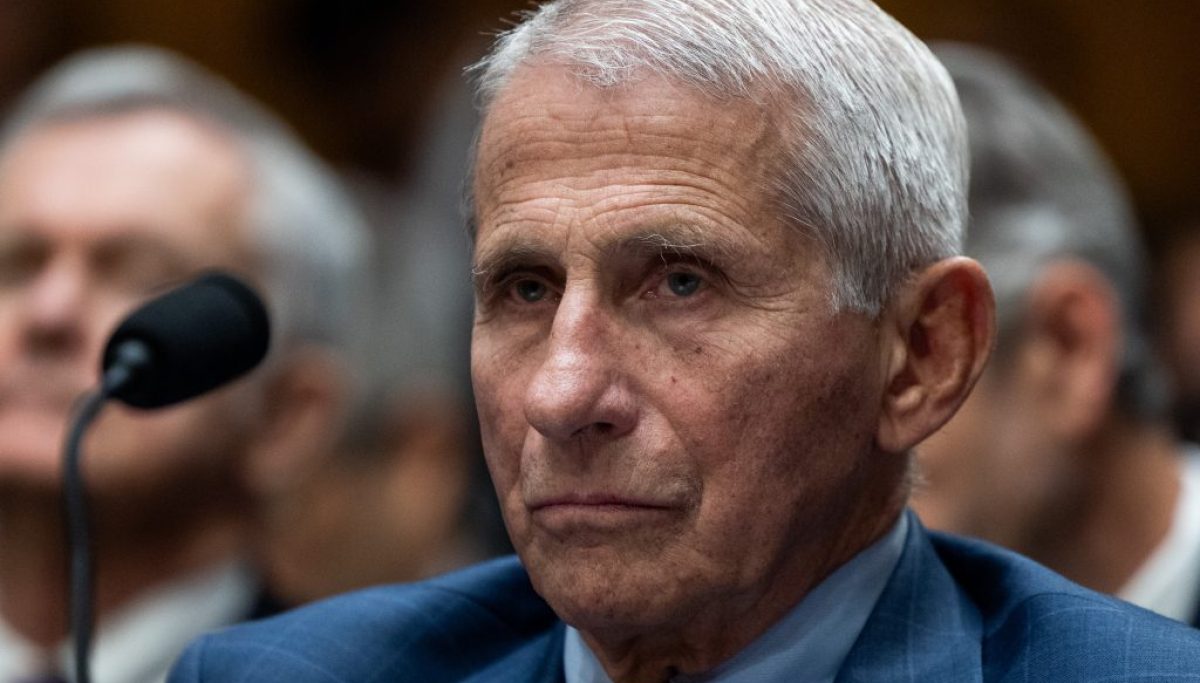
Dr. Anthony Fauci invoked his Fifth Amendment right against self-incrimination more than 100 times on Wednesday, a move legal experts described as strategically sound despite the politically damaging optics.Sen. Rand Paul (R-KY), chairman of the Senate homeland security and governmental affairs committee, scheduled an Aug. 5 vote on a resolution to hold the nation’s former leading expert on the COVID-19 pandemic in contempt of Congress.“It’s against the law to obstruct an investigation of Congress,” Paul told Fauci. “There will be repercussions for your refusal to testify.”
Two legal experts told the Washington Examiner following the hearing that the preemptive pardon Fauci received from former President Joe Biden does not eliminate every potential source of criminal exposure — but that Fauci followed the safest legal strategy by appearing under subpoena but refusing to answer.“Legally, he played it perfectly,” former federal prosecutor Neama Rahmani said. “Now politically, obviously, this is a disaster.”Fauci’s pardon may not eliminate Fifth Amendment privilege
Biden pardoned Fauci, the former head of the National Institute of Allergy and Infectious Diseases, of any federal offenses arising from his government service between 2014 and Jan. 20, 2025. Some Republicans contend the pardon removed Fauci’s right to remain silent about conduct during that period because he can no longer be prosecuted for it.“You don’t have any rights under the Fifth Amendment, because you’ve been pardoned, as you very well know,” Sen. Josh Hawley (R-MO) said, citing the Supreme Court’s 1896 decision in Brown v. Walker.Sen. Josh Hawley (R-MO), left, next to Sen. Rick Scott (R-FL), speaks as Dr. Anthony Fauci appears before the Senate homeland security and governmental affairs committee at the Capitol on Wednesday, July 29, 2026, in Washington. (AP Photo/Allison Robbert)