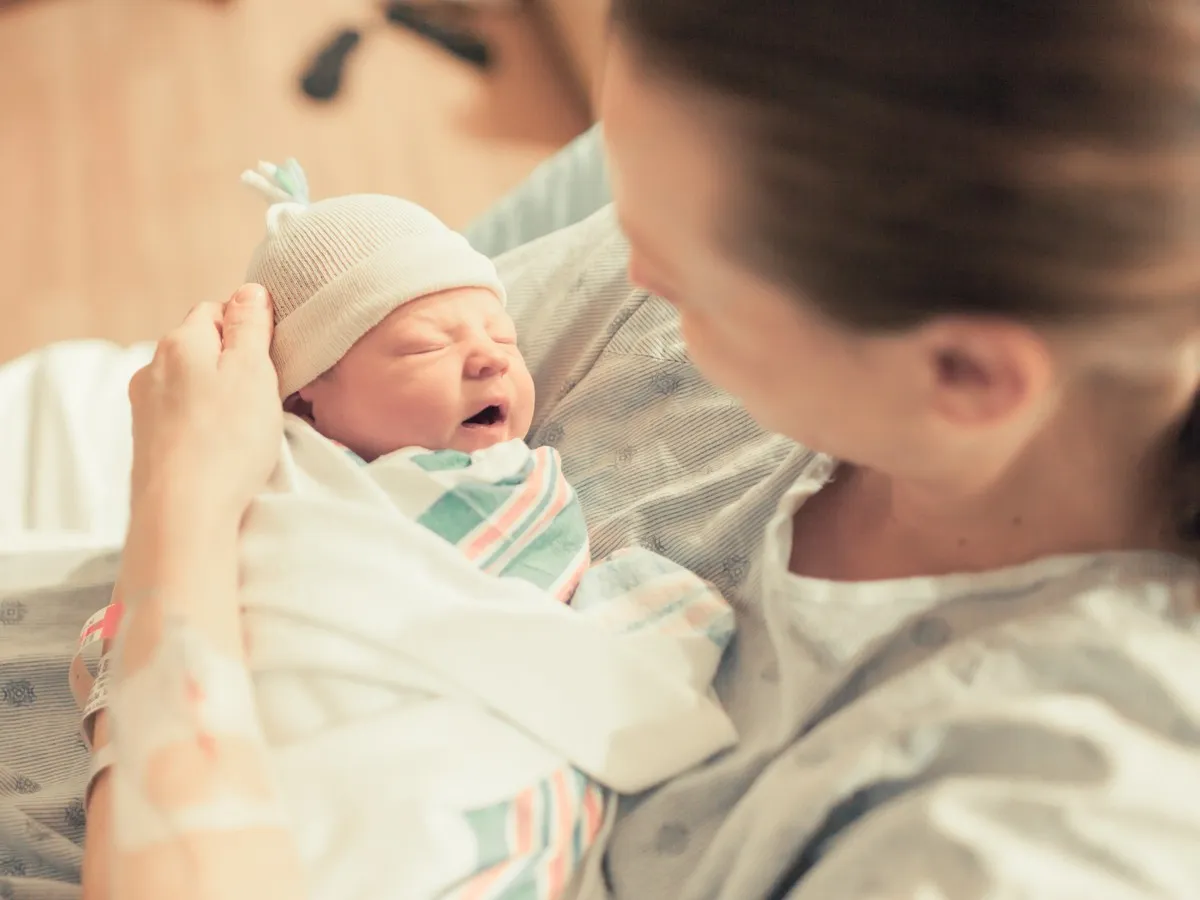
Skip to Content Subscribe Our Offers My Account Manage My Subscriptions FAQ Newsletters Canada Canadian True Crime Canadian Politics Health World Israel & Middle East Financial Post NP Comment Longreads Puzzmo Diversions Comics NP News Quiz New York Times Crossword Horoscopes Life Eating & Drinking Style Sponsored Play for Ontario Travel Travel Canada Travel USA Travel International Cruises Travel Essentials Culture Books Celebrity Movies Music Theatre Television Business Essentials Advice Lives Told Tails Told Shopping Buy Canadian Home Living Outdoor Living Kitchen & Dining Tech Style & Beauty Personal Care Entertainment & Hobbies Gift Guide Travel Guide Amazon Prime Day Deals Savings National Post Store More Sports Hockey Baseball Basketball Football Soccer Golf Tennis Driving Vehicle Research Reviews News Gear Guide Obituaries Place an Obituary Place an In Memoriam Classifieds Place an Ad Celebrations Working Business Ads Archives Healthing Epaper Manage Print Subscription Profile Settings My Subscriptions Saved Articles My Offers Newsletters Customer Service FAQ Newsletters Canada World Financial Post NP Comment Longreads Puzzmo Diversions Life Shopping Epaper Manage Print Subscription HomeNP CommentRaquel Dancho: Motherhood deserves a place of equal honourMy daughter should have the freedom to choose children firstLast updated 1 week ago You can save this article by registering for free here. Or sign-in if you have an account.Being a mother should be treated as equally as choosing a career, writes Conservative MP Raquel Dancho. Photo by kieferpix /Getty Images/iStockphotoRecently in the Post, Kate Marland wrote on the corrosive effects of a culture that diminishes the importance of motherhood. That article was a meaningful contribution to our discourse — a starting pistol for a long-overdue discussion. Enjoy the latest local, national and international news.Exclusive articles by Conrad Black, Barbara Kay and others. Plus, special edition NP Platformed and First Reading newsletters and virtual events.Unlimited online access to National Post.National Post ePaper, an electronic replica of the print edition to view on any device, share and comment on.Daily puzzles including the New York Times Crossword.Support local journalism.Enjoy the latest local, national and international news.Exclusive articles by Conrad Black, Barbara Kay and others. Plus, special edition NP Platformed and First Reading newsletters and virtual events.Unlimited online access to National Post.National Post ePaper, an electronic replica of the print edition to view on any device, share and comment on.Daily puzzles including the New York Times Crossword.Support local journalism.Create an account or sign in to continue with your reading experience.Access articles from across Canada with one account.Share your thoughts and join the conversation in the comments.Enjoy additional articles per month.Get email updates from your favourite authors.Create an account or sign in to continue with your reading experience.Access articles from across Canada with one accountShare your thoughts and join the conversation in the commentsEnjoy additional articles per monthGet email updates from your favourite authorsSign In or Create an AccountorThe decline of family formation is one of the defining social issues of our time, and yet it’s rarely discussed. However, while the piece is right that for a generation of millennial and Gen Z women, having children has too often been treated as something that competes with freedom, ambition, and personal fulfillment rather than being a meaningful part of life — I’d put the roots of this problem a little differently. It’s less about Carrie Bradshaw or Hannah Horvath, and more about a generational pendulum swing. Boomer women were the first generation to truly have the option of career and/or family after generations of women who did not. Many understandably raised their daughters with a strong message shaped by a new world of freedom and choice: be financially independent, build a career, don’t rely on a man, and don’t let motherhood limit your options. Pop culture reflected and encouraged that message, but didn’t create it. The National Post newsletter that doesn’t hold back, giving readers the unvarnished truth on media, politics and culture.By signing up, you consent to receive the above newsletter from Postmedia Network Inc.A welcome email is on its way. If you don't see it, please check your junk folder.The next issue of Right? will soon be in your inbox.We encountered an issue signing you up. Please try againThe result was a generation of women handed a powerful vision of independence and career primacy — one that brought real opportunity and freedom, but also came at a cost: motherhood lost status. For millennials and Gen Z, what many of us absorbed wasn’t just that we could have careers — it was that in our 20s, we should prioritize education, career, travel, fun, financial security and self-development first, with family to come later — if at all. Then our 30s arrived, and many women discovered that the biological clock is real: fertility declines, energy is lower, relationships are more complicated, and trying to “have it all” is far harder than we were led to believe. And of course culture isn’t the only factor. Layer on housing costs, affordability pressures and high taxes, an ultra-competitive job market, workplaces still largely built around a one-income/one-full-time-parent model, and a culture that has not prepared enough men for the realities of husbandhood and fatherhood (another equally important issue, rarely discussed), and it’s no surprise so many women feel torn, delayed, and burnt out. Marland makes an important point: a life ordered entirely around material success is not, for many people, a deeply fulfilling one. Personally, no one — not school, university, pop culture, or even my own mother — ever taught me that motherhood might become the most meaningful part of my life. Like many women, I had to discover that myself. Historically, that is a remarkable shift: for most of human history, motherhood and childbearing were understood as central to family and societal continuity. In much of the modern West, by contrast, motherhood is often treated as secondary to other forms of achievement and self-development. It’s important to note that becoming a mother is not always as simple as just deciding to do so. Meeting the right partner, having financial stability, and being fertile are not givens. Combine that with a generation of women who weren’t necessarily taught that childbearing is both time-limited and a virtuous option worthy of intentional life planning, and it is no surprise that many women who wanted children have found themselves running out of time, or or having fewer children than they want, or missing that window altogether. For me, this isn’t about telling women they should stay home or give up careers. Nor is it about suggesting motherhood is every woman’s calling. It’s about restoring motherhood to a place of equal honour. One day, when my daughter is asked what she wants to be when she grows up, if she says “a mom,” I hope she receives as much encouragement as if she said doctor, teacher, or business owner. She should have the freedom to choose children first, an ambitious career later, both, or neither. Motherhood should once again be spoken of as something beautiful, aspirational, and worthy of admiration — not as something that gets in the way of a woman becoming who she is. Embracing motherhood as part of that becoming is what has been lost, and that’s what needs fixing. Raquel Dancho is the member of Parliament for Kildonan—St. Paul. Join the Conversation This website uses cookies to personalize your content (including ads), and allows us to analyze our traffic. Read more about cookies here. By continuing to use our site, you agree to our Terms of Use and Privacy Policy.
Raquel Dancho: Motherhood deserves a place of equal honour
My daughter should have the freedom to choose children first
1,244 words~6 min read