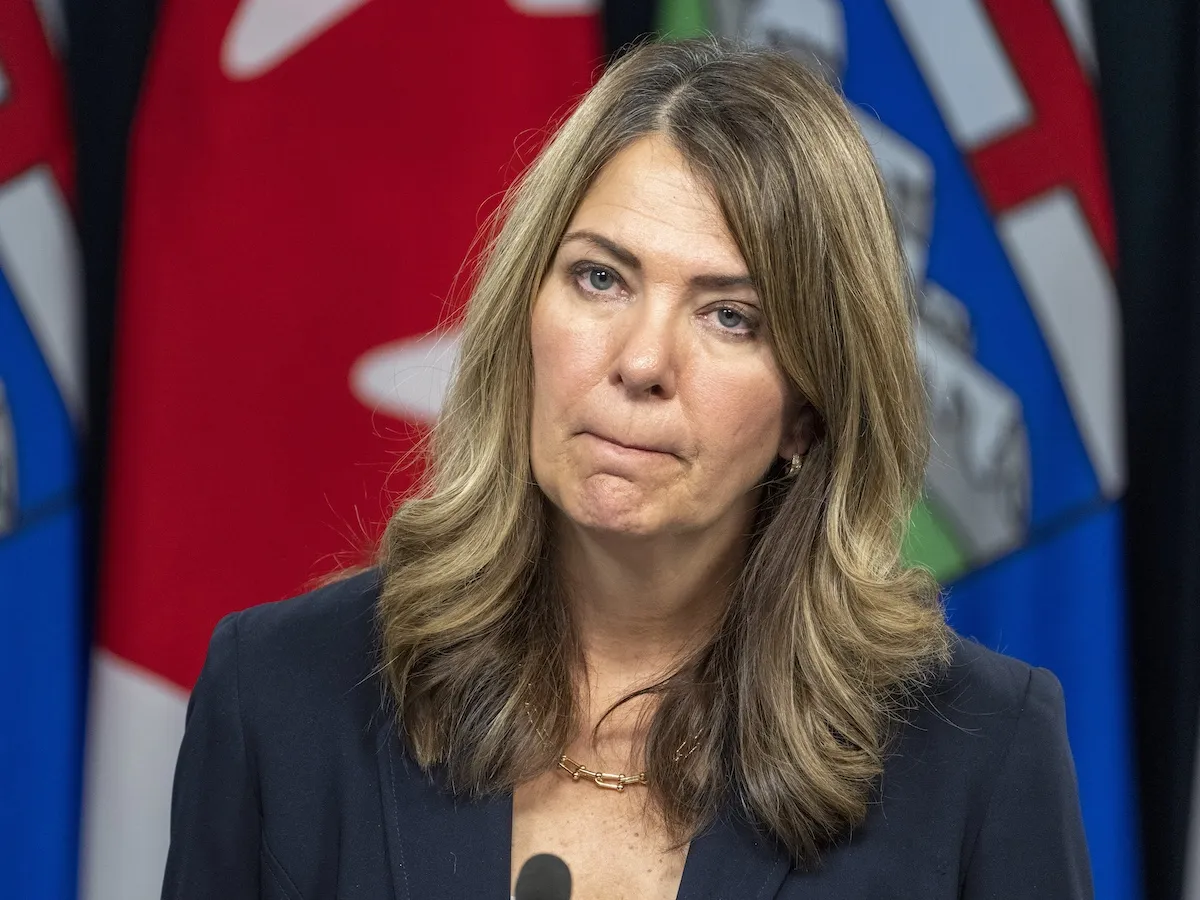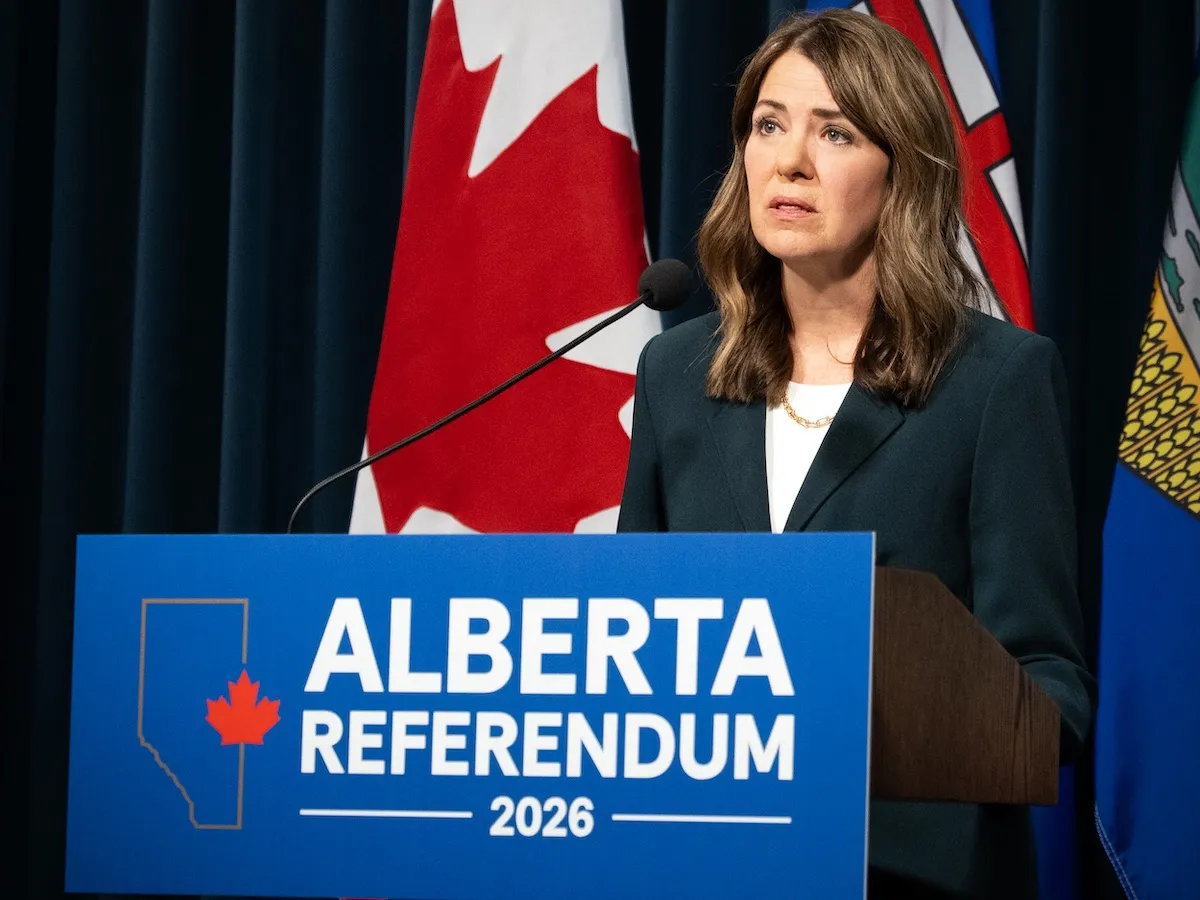
Skip to Content Subscribe Our Offers My Account Manage My Subscriptions FAQ Newsletters Canada Canadian True Crime Canadian Politics Health World Israel & Middle East Financial Post NP Comment Longreads Puzzmo Diversions Comics NP News Quiz New York Times Crossword Horoscopes Life Eating & Drinking Style Sponsored Play for Ontario Travel Travel Canada Travel USA Travel International Cruises Travel Essentials Culture Books Celebrity Movies Music Theatre Television Business Essentials Advice Lives Told Tails Told Shopping Buy Canadian Home Living Outdoor Living Tech Style & Beauty Kitchen & Dining Personal Care Entertainment & Hobbies Gift Guide Travel Guide Deals Savings National Post Store More Sports Hockey Baseball Basketball Football Soccer Golf Tennis Driving Vehicle Research Reviews News Gear Guide Obituaries Place an Obituary Place an In Memoriam Classifieds Place an Ad Celebrations Working Business Ads Archives Healthing Epaper Manage Print Subscription Profile Settings My Subscriptions Saved Articles My Offers Newsletters Customer Service FAQ Newsletters Canada World Financial Post NP Comment Longreads Puzzmo Diversions Life Shopping Epaper Manage Print Subscription HomeNP CommentNico Johnson: Danielle Smith's regrettable referendumReferendums have a habit of producing strange resultsLast updated 8 hours ago You can save this article by registering for free here. Or sign-in if you have an account.Alberta Premier Danielle Smith speaks at a press conference at McDougall Centre in Calgary on May 22, 2026. Photo by Dean Pilling /PostmediaAlberta Premier Danielle Smith would’ve done well to have spoken to David Cameron before she committed to plunging Alberta — and by default, the country — into what may become a distressing seccessionist battle. “You could unleash demons of which ye know not,” he said portentously, before calling the vote on Britain’s EU membership. He, too, thought the referendum was necessary; that the threat of separation would strengthen his hand against Brussels, and that the continuity of the status quo was inevitable.Enjoy the latest local, national and international news.Exclusive articles by Conrad Black, Barbara Kay and others. Plus, special edition NP Platformed and First Reading newsletters and virtual events.Unlimited online access to National Post.National Post ePaper, an electronic replica of the print edition to view on any device, share and comment on.Daily puzzles including the New York Times Crossword.Support local journalism.Enjoy the latest local, national and international news.Exclusive articles by Conrad Black, Barbara Kay and others. Plus, special edition NP Platformed and First Reading newsletters and virtual events.Unlimited online access to National Post.National Post ePaper, an electronic replica of the print edition to view on any device, share and comment on.Daily puzzles including the New York Times Crossword.Support local journalism.Create an account or sign in to continue with your reading experience.Access articles from across Canada with one account.Share your thoughts and join the conversation in the comments.Enjoy additional articles per month.Get email updates from your favourite authors.Create an account or sign in to continue with your reading experience.Access articles from across Canada with one accountShare your thoughts and join the conversation in the commentsEnjoy additional articles per monthGet email updates from your favourite authorsSign In or Create an AccountorA decade later, the demons that referendum unleashed are incredible. The United Kingdom abandoned its membership of the European Union, only to now attempt reentry by stealth a decade later. David Cameron resigned, followed by years of political chaos, breeding ever more discontent. Now, the recent local elections suggest Britain’s ancient two-party system will disintegrate in front of our eyes. How Cameron must wish for a time machine.This newsletter from NP Comment tackles the topics you care about. (Subscriber-exclusive edition on Fridays)By signing up you consent to receive the above newsletter from Postmedia Network Inc.We encountered an issue signing you up. Please try againNo two referendums are the same, of course. And many will consider the analogy between Britain and Alberta to be hysterical. For one, Alberta’s vote is actually a referendum on whether the province should hold a referendum — a clumsy gambit by Smith to delay the inevitable reckoning. It is also much more traumatic for a province to sever itself from its country, rather than a state merely abandoning its membership in a supranational organization.Similarly, local frustration with the incompetence of the capital is hardly a substitute for nationalism. Neither should petro-enthusiasm warrant the creation of a new country. And although Alberta’s culture may be distinct from Toronto or Ottawa, those differences pale in comparison to those of Scotland from England; Catalonia from Madrid, and more obviously, Quebec from English Canada.But referendums have a habit of producing strange results. This is especially true when the question posed to the public becomes larger than the words written on the ballot paper. By now, even the most eurosceptic members of the British commentariat accept their referendum was fought on immigration and general malaise, rather than a deep concern over Brussels’ zealous regulation, or the population’s desire to create a Singapore-upon-Thames. The same thing will be true in Alberta. For those unhappy many who have seen their living standards plummet under Trudeau’s vandalism, or who have suffered through a decade of political hostility to Canada’s energy industry, the desire to send a message to Ottawa may be just too attractive to resist.If the referendum were held today, a significant, but by not means, large, minority of Albertans would vote for independence. In March, Abacus Data reported that 26 per cent of the population strongly supported the idea. But this is already a strong foundation from which a movement can grow, and may not fully caputre those who will use the referendum as a protest. As the campaign builds and the media cycle accelerates, more and more Albertans will come across neighbours and friends supporting separatism. A political movement that once only flourished on the dustier corners of Twitter will become grounded in reality.More worryingly for Danielle Smith, some ambitious politician may come to understand that their political career could flourish by becoming the figurehead of separatism. How many MLAs in the governing UCP caucus desire an independent Alberta? How many MPs in the federal Conservative benches privately harbour separatist sympathies? By publicly campaigning for independence, they would not only expand their profile but also legitimize the entire movement. Who, after all, would pass off being Alberta’s own René Lévesque, or reject an obvious path to becoming premier? Through one person’s ambition, the movement could transform from the pet project of a lawyer with high blood pressure into a professional campaign.The chaos referendums have produced on both sides of the Atlantic are probably a symptom of our system’s aversion to binary political options. As a 1975 Sun editorial lamented upon the eve of Britain’s first European referendum, (they are) “a constitutional monstrosity. Heaven only knows how much harm it will do to our Parliamentary birthright.” Britain’s post-war prime minister, Clement Attlee, would go one step further, saying they are “a device of dictators and demagogues.”Although Atlee’s comments may be something of an exaggeration, the scars that binary political options leave are considerable. Often, they produce deep, lasting divisions that can define polities for centuries. Only recently has modern Ireland moved beyond the dual division of the 1922–23 civil war, and it took François Legault in 2018 to move Quebec’s politics into something more mature than that of the simple struggle of separatism against federalism — and now, even that doesn’t seem to have lasted beyond his ephemeral movement.One shouldn’t make predictions in politics. Ask anyone who commented on the federal government in the last four years. But when this referendum eventually happens, it seems certain that it is something that Premier Smith — and all Canadians — will come to regret.Nico Johnson served as an advisor in the Office of the Leader of the Opposition and in the 2025 Conservative Party federal election war room. Nico is now based out of Montreal and works as a consultant with McMillan Vantage. Get the latest from Carson Jerema straight to your inbox Join the Conversation This website uses cookies to personalize your content (including ads), and allows us to analyze our traffic. Read more about cookies here. By continuing to use our site, you agree to our Terms of Use and Privacy Policy.
Nico Johnson: Danielle Smith's regrettable referendum
Referendums have a habit of producing strange results
1,352 words~6 min read