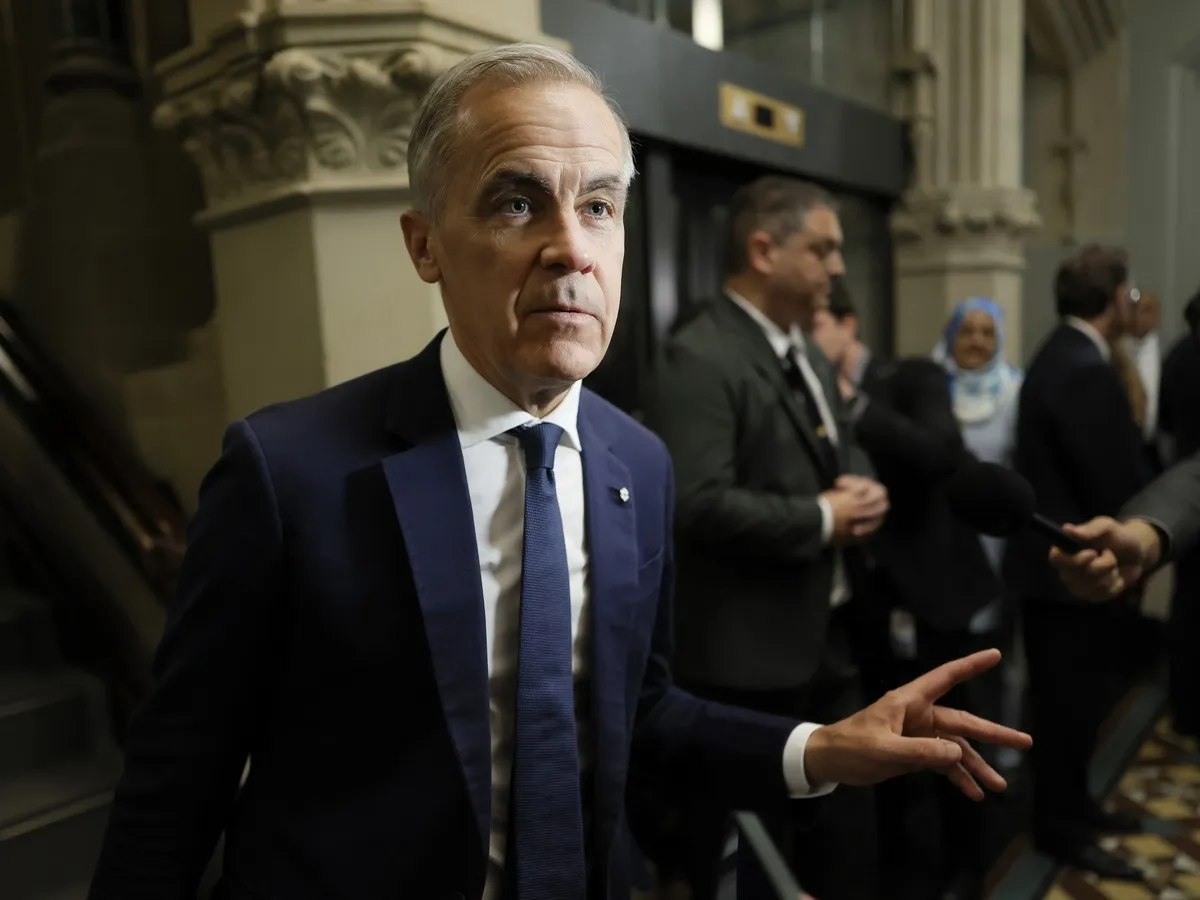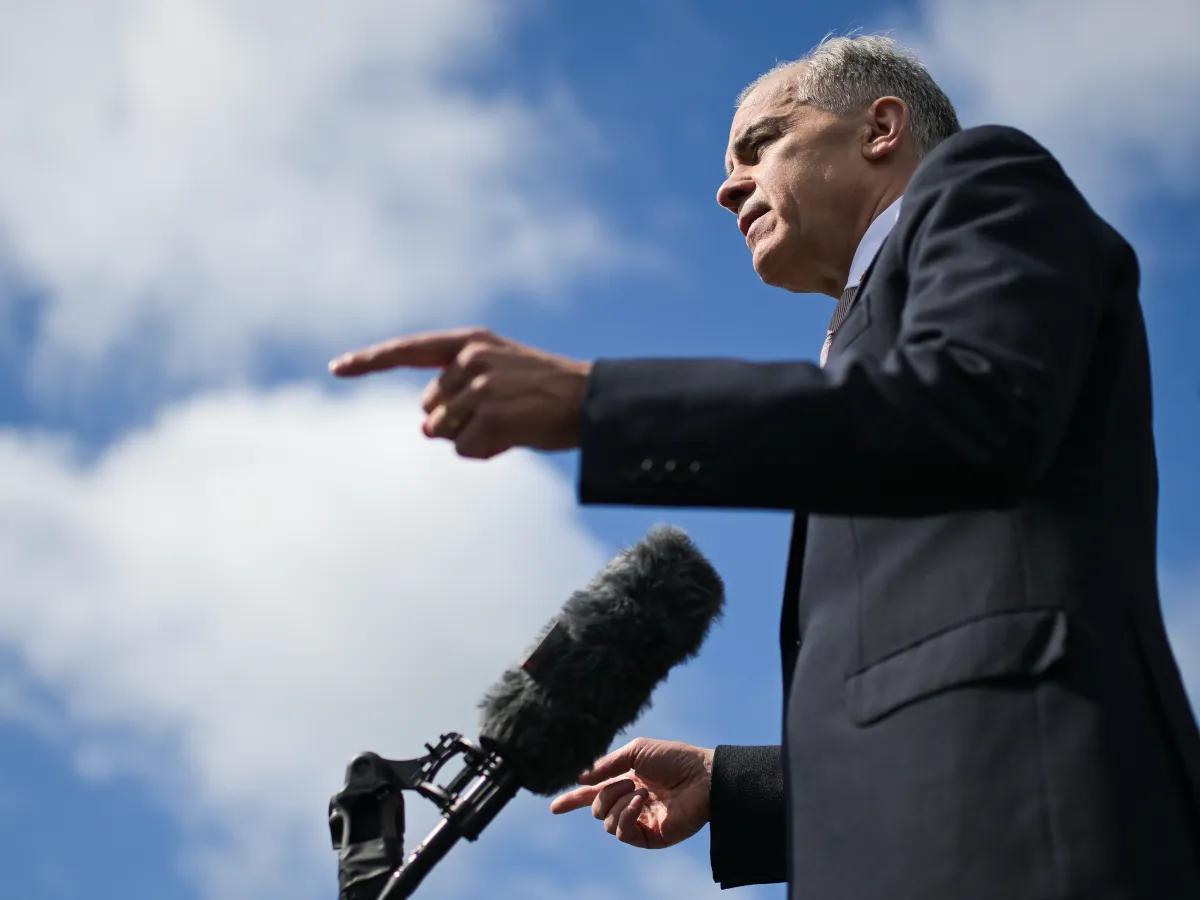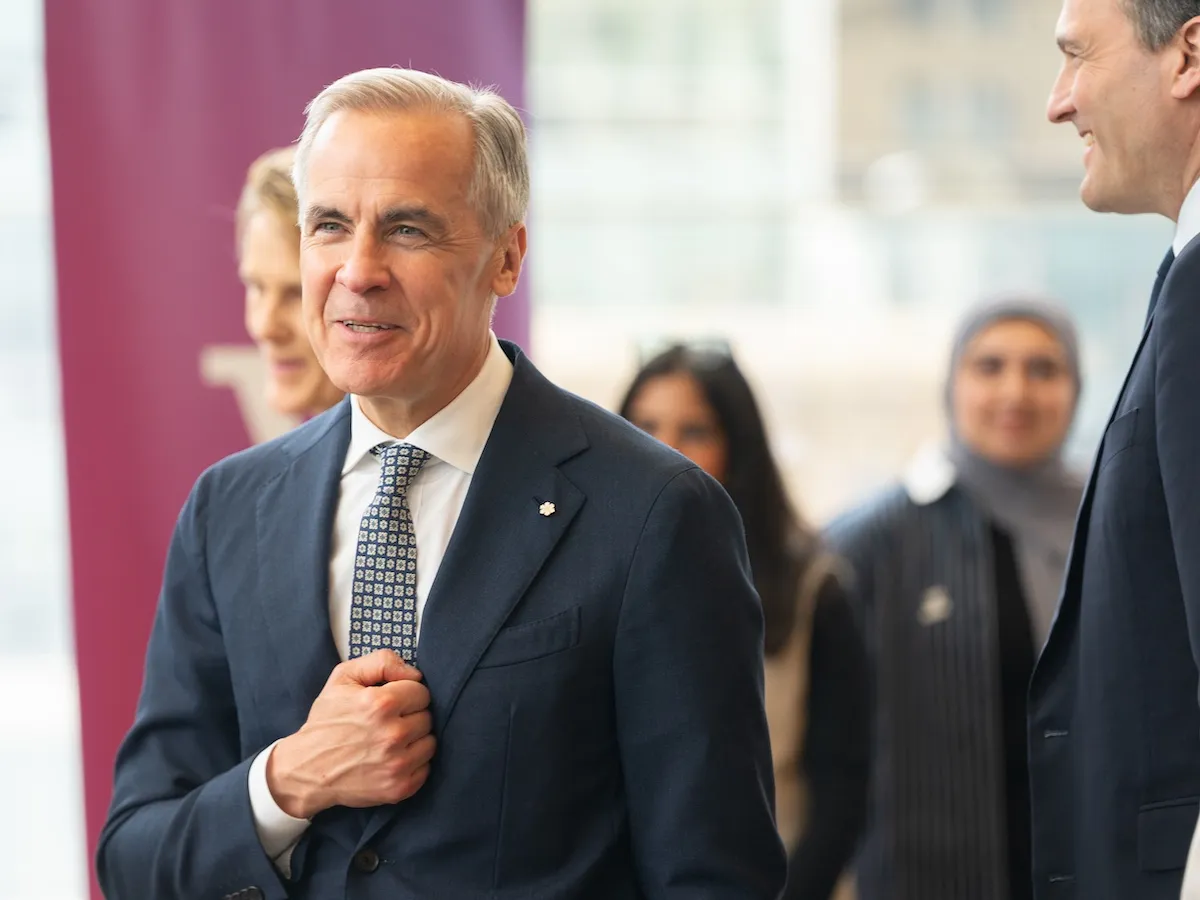
Skip to Content Subscribe Our Offers My Account Manage My Subscriptions FAQ Newsletters Canada Canadian True Crime Canadian Politics Health World Israel & Middle East Financial Post NP Comment Longreads Puzzmo Diversions Comics NP News Quiz New York Times Crossword Horoscopes Life Eating & Drinking Style Sponsored Play for Ontario Travel Travel Canada Travel USA Travel International Cruises Travel Essentials Culture Books Celebrity Movies Music Theatre Television Business Essentials Advice Lives Told Tails Told Shopping Buy Canadian Home Living Outdoor Living Kitchen & Dining Tech Style & Beauty Personal Care Entertainment & Hobbies Gift Guide Travel Guide Amazon Prime Day Deals Savings National Post Store More Sports Hockey Baseball Basketball Football Soccer Golf Tennis Driving Vehicle Research Reviews News Gear Guide Obituaries Place an Obituary Place an In Memoriam Classifieds Place an Ad Celebrations Working Business Ads Archives Healthing Epaper Manage Print Subscription Profile Settings My Subscriptions Saved Articles My Offers Newsletters Customer Service FAQ Newsletters Canada World Financial Post NP Comment Longreads Puzzmo Diversions Life Shopping Epaper Manage Print Subscription HomeNP CommentTasha Kheiriddin: Carney should be applauded for social media banIt is too addictive for children to use safelyLast updated 16 minutes ago You can save this article by registering for free here. Or sign-in if you have an account.Prime Minister Mark Carney in Toronto, Ontario on Thursday, June 4, 2026. (Peter Power/Postmedia News)This week, Prime Minister Mark Carney will announce a ban on social media for kids under 16. There will be exemptions, and we haven’t seen the details yet, but Canadians should applaud this move. I believe in personal freedom but also in science, and in protecting kids from harm. And every day, we see more evidence of the damage social media does to children.Enjoy the latest local, national and international news.Exclusive articles by Conrad Black, Barbara Kay and others. Plus, special edition NP Platformed and First Reading newsletters and virtual events.Unlimited online access to National Post.National Post ePaper, an electronic replica of the print edition to view on any device, share and comment on.Daily puzzles including the New York Times Crossword.Support local journalism.Enjoy the latest local, national and international news.Exclusive articles by Conrad Black, Barbara Kay and others. Plus, special edition NP Platformed and First Reading newsletters and virtual events.Unlimited online access to National Post.National Post ePaper, an electronic replica of the print edition to view on any device, share and comment on.Daily puzzles including the New York Times Crossword.Support local journalism.Create an account or sign in to continue with your reading experience.Access articles from across Canada with one account.Share your thoughts and join the conversation in the comments.Enjoy additional articles per month.Get email updates from your favourite authors.Create an account or sign in to continue with your reading experience.Access articles from across Canada with one accountShare your thoughts and join the conversation in the commentsEnjoy additional articles per monthGet email updates from your favourite authorsSign In or Create an AccountorSocial media is addictive. It damages mental health. It exposes kids to predators. It has become a public health and safety issue. If tech companies won’t keep children off their platforms voluntarily, then Ottawa should make them do so.There is also evidence that excessive screen time harms the adult brain, causing early neurodegeneration. The good news is that quitting it can reverse the damage. A two-week break from social media on your smartphone was recently found to reduce anxiety, improve mood and attention, and lift 10 years’ worth of brain fog.This newsletter from NP Comment tackles the topics you care about. (Subscriber-exclusive edition on Fridays)By signing up you consent to receive the above newsletter from Postmedia Network Inc.We encountered an issue signing you up. Please try againAs someone who fears few things more than cognitive decline, I decided to try it. I offloaded my social apps: they remained in the background, but not on my screen where they would tempt me to doomscroll. I consulted news sites only on my desktop and limited my social media use to posting my columns and liking posts that people sent me directly. I used my phone only for communication and utilities — texts, emails, maps, banking, shopping orders, and the like.It’s been almost a month, and two things have happened.One, my phone use has gone down by two hours a day. That’s right: I was spending two hours staring at a little lighted box, stuffing my brain with random news articles and social feeds. At first, it felt weird — I had actual spare time. Not only was I able to get regular tasks done, but I read ten books, took early morning walks, edited a friend’s short story for fun, and sometimes did… nothing. It’s been like a mini-vacation.Second, my mental health greatly improved. I feel measurably happier and less stressed. I find myself noticing my surroundings more, including how people constantly stare at their phones: at bus stops, on the subway, walking down the street. I think of how their brains are never resting, stimulated by light and information, addicted to the dopamine rush of a “like.” I shudder, because that was my brain too.Were there downsides? Am I less aware, less informed? True, I don’t see my friends’ photos and stories on Facebook. I now call, text, and see them in person instead. I don’t view every Instagram trend and Trump tweet in real time. But even as a writer, I don’t need to be constantly connected. Nor do I miss clickbait and disinformation. I consult news sites on my desktop and on television. I do my work. And then I turn them off. My ability to focus has improved, as has my productivity, which has left me with even more “free” time. It’s a virtuous circle. And I am never going back.If this is the impact of social media on an adult brain, just think about its effect on a child’s brain. Spending hours a day on TikTok and Instagram instead of reading, interacting face-to-face with peers, and exercising. Social media is addictive, and its delivery mechanism — the smartphone — enables that addiction. And we parents put it into our children’s tiny hands.Which brings me to my last point: the device itself. If Carney really wanted to be audacious, he would ban the purchase of smartphones for children, not just social media. Of course, parents could act on their own and buy their kids no phone, or just a “dumbphone,” thereby saving themselves a pile of money and grief. The question is, why don’t they? Maybe if they stop scrolling, and see how it feels, they will.Postmedia NewsTasha Kheiriddin is Postmedia’s national politics columnist. Join the Conversation This website uses cookies to personalize your content (including ads), and allows us to analyze our traffic. Read more about cookies here. By continuing to use our site, you agree to our Terms of Use and Privacy Policy.
Tasha Kheiriddin: Carney should be applauded for social media ban
It is too addictive for children to use safely
1,141 words~5 min read