As South Africa stands on the brink of potential climate upheaval, the time for green skills development is not just an economic necessity — it is an essential part of a more resilient future. With complex challenges ahead, the nation needs to be ready to seize this opportunity for sustainable growth.
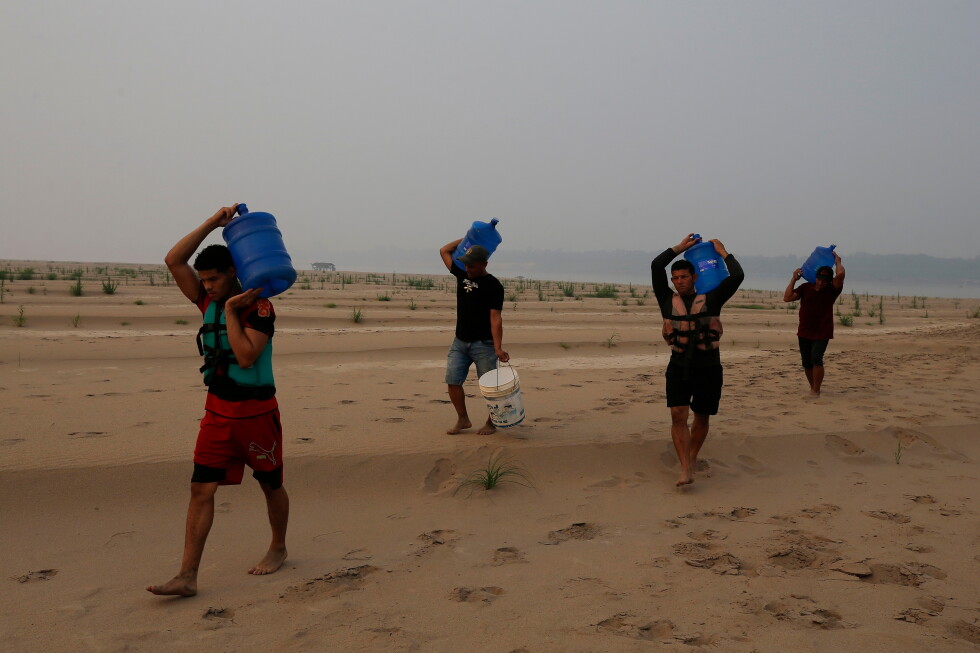
In a stark reminder of the volatile nature of climate change, South Africa is poised to confront the challenges posed by a developing Super El Niño event anticipated for the 2026/2027 season. This climatic phenomenon could usher in heightened risks of drought, floods, and significant disruptions to the agricultural sector — compound pressures that the nation cannot ignore. As highlighted by the US National Oceanic and Atmospheric Administration (NOAA), there is a 63% probability of experiencing a very strong El Niño between November 2026 and January 2027, raising alarms for summer-rainfall regions largely dependent on agriculture.
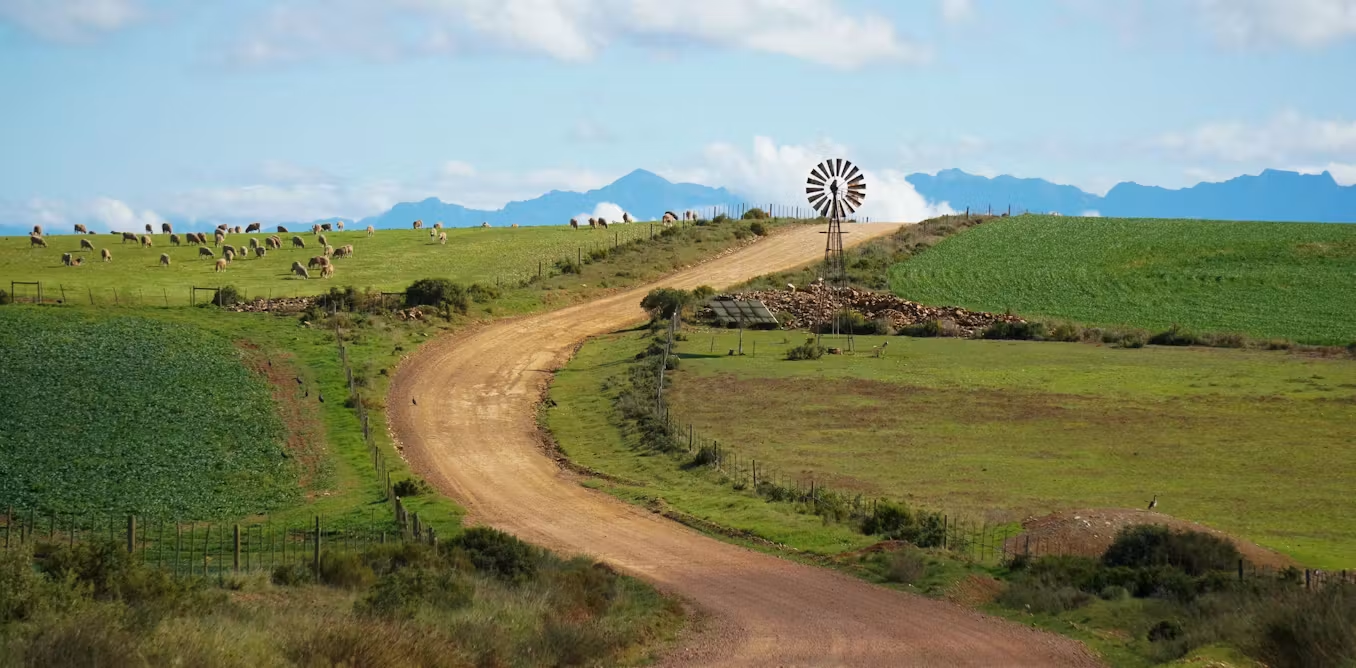
Amidst these looming threats, experts warn that agricultural-dependent economies in South Africa must bolster climate resilience measures. This urgency is underlined by statistics revealing that 16 of the past 21 El Niño events since 1961 coincided with below-expected maize yields in South Africa. The Crop Estimates Committee (CEC) has already projected a troubling 21% decline in the country’s summer grain and oilseed harvests amid the El Niño-linked drought scheduled for the 2023/24 season.