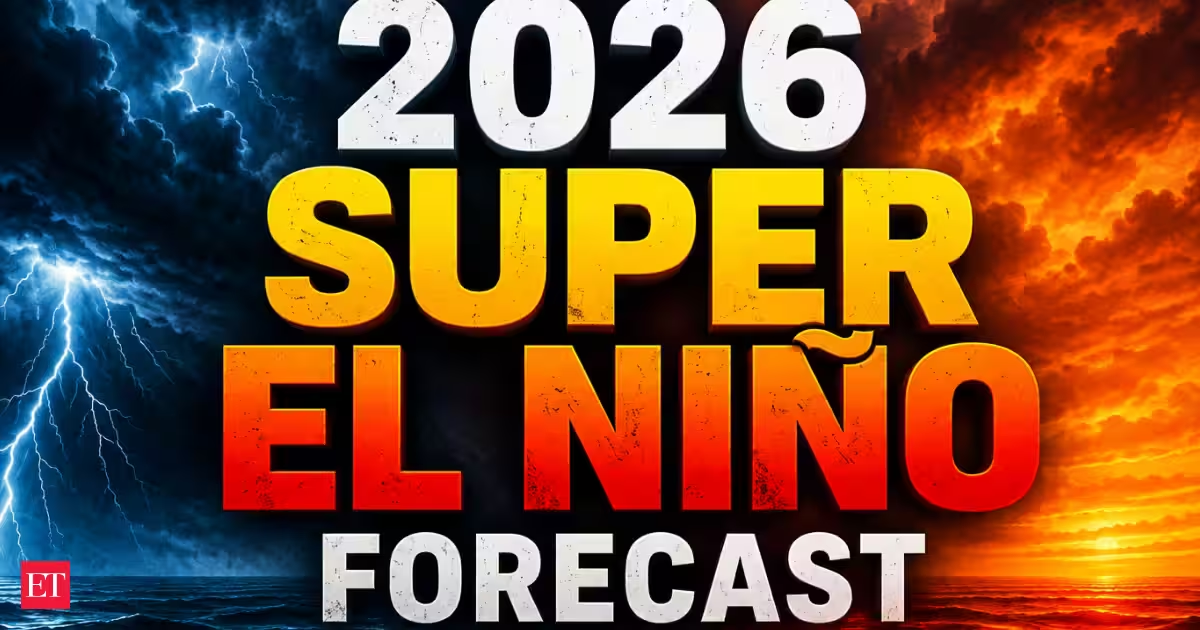
A powerful El Niño climate pattern is rapidly developing in the Pacific Ocean and is expected to influence South Africa's weather over the coming months. The World Meteorological Organization says there is more than a 90% chance the event will persist until at least November, increasing the risk of extreme heat, drought and veld fires across the country's summer rainfall regions.
El Niño is a naturally occurring climate phenomenon caused by warmer-than-average sea surface temperatures in the Pacific Ocean. Although it begins thousands of kilometres away from Africa, it disrupts weather patterns across the globe.
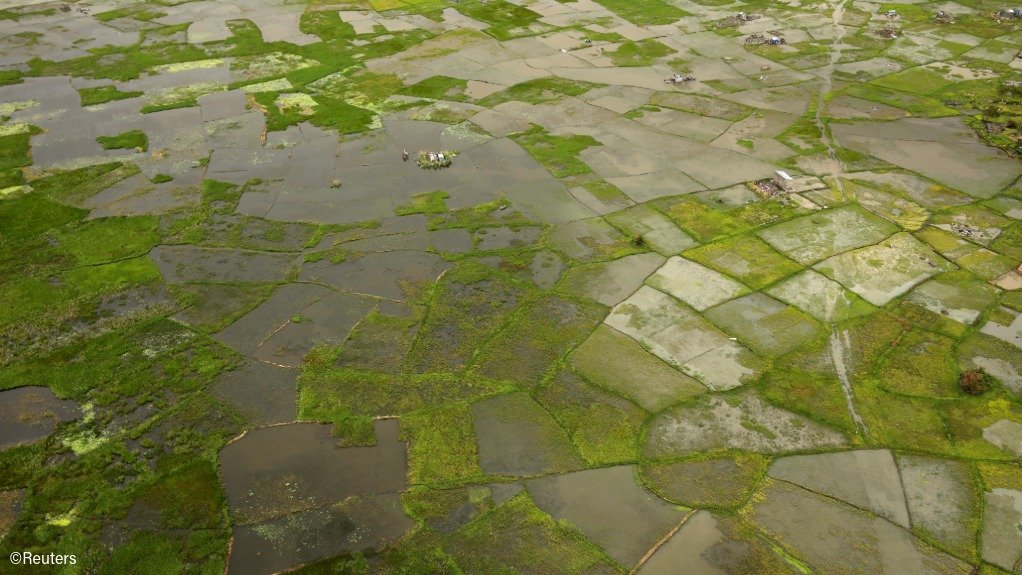
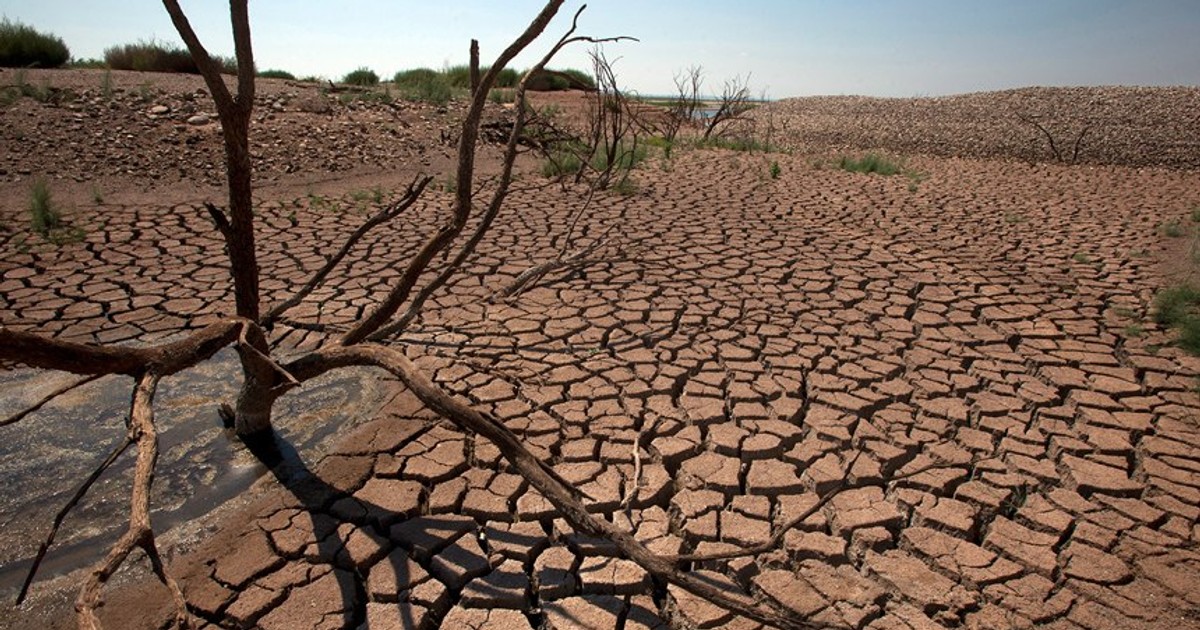
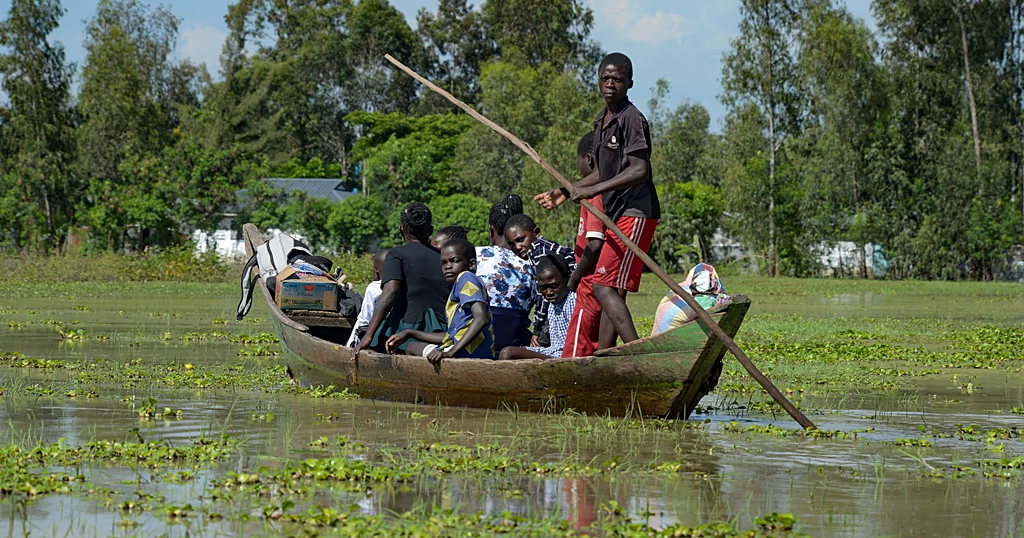
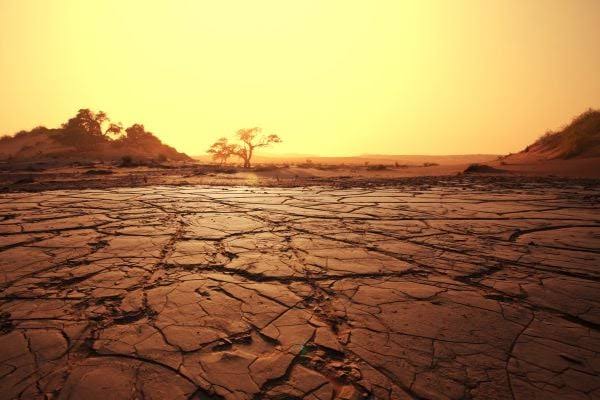
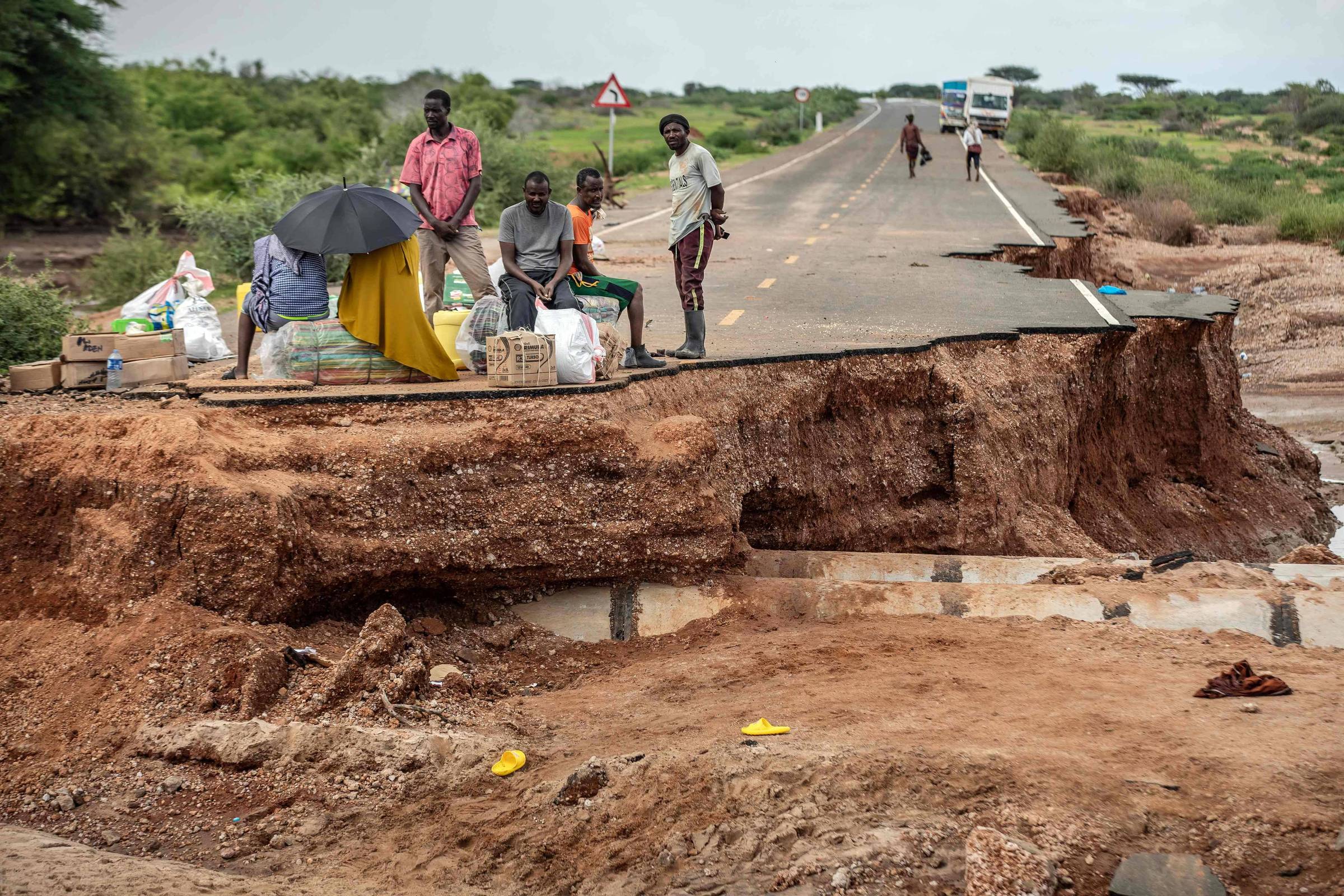
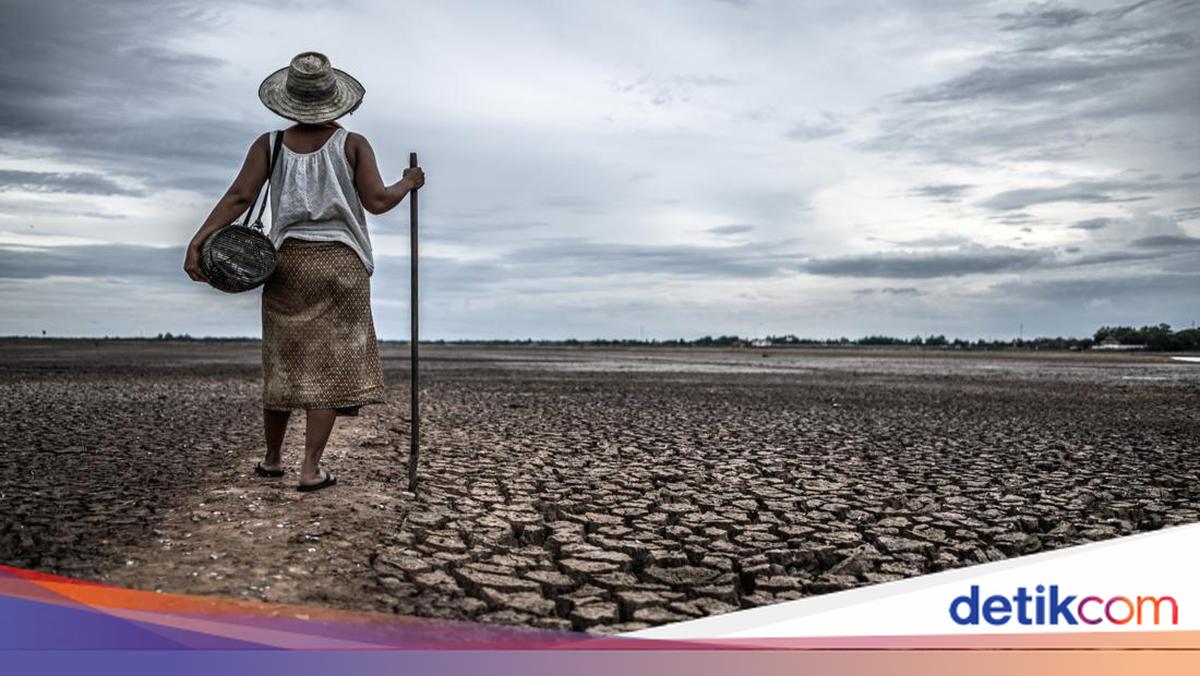
For Africa, the impacts are rarely uniform. Southern Africa often experiences severe droughts that damage crops and reduce water supplies, while parts of East Africa face destructive flooding that destroys homes, roads and farmland. The result is the same: weakened economies and growing pressure on governments.
The 2015-2016 El Niño, one of the strongest on record, left more than 60 million people across Southern and Eastern Africa in need of humanitarian assistance. Countries such as Zimbabwe, Ethiopia and Malawi suffered crop failures, livestock losses and rising food prices that took years to recover from.