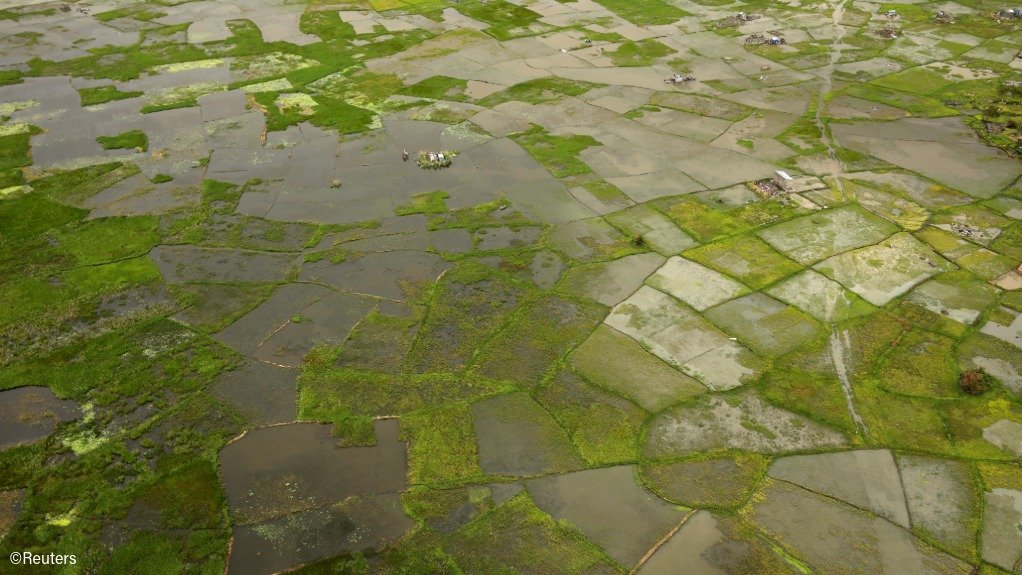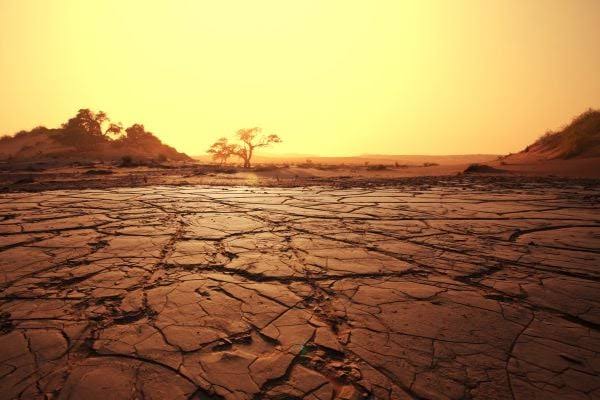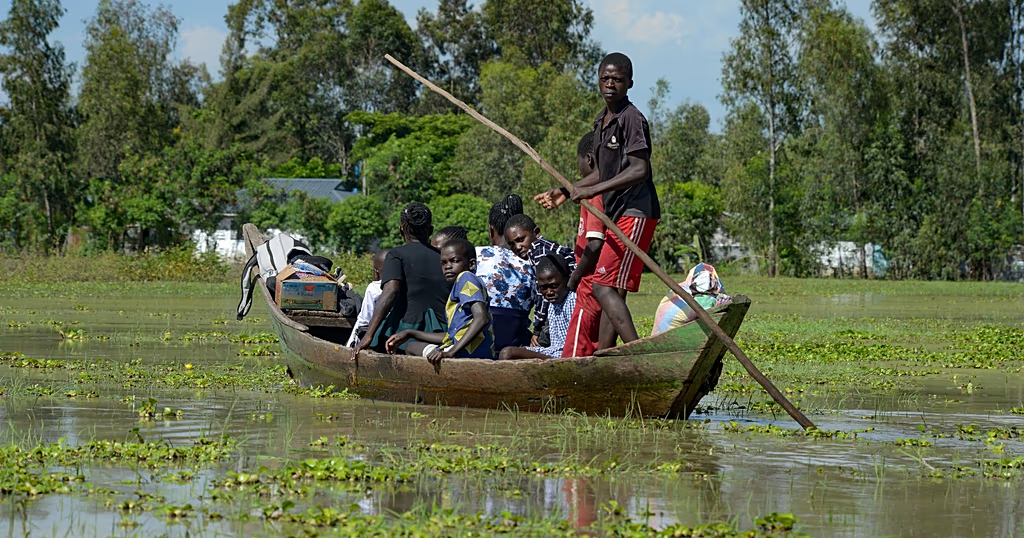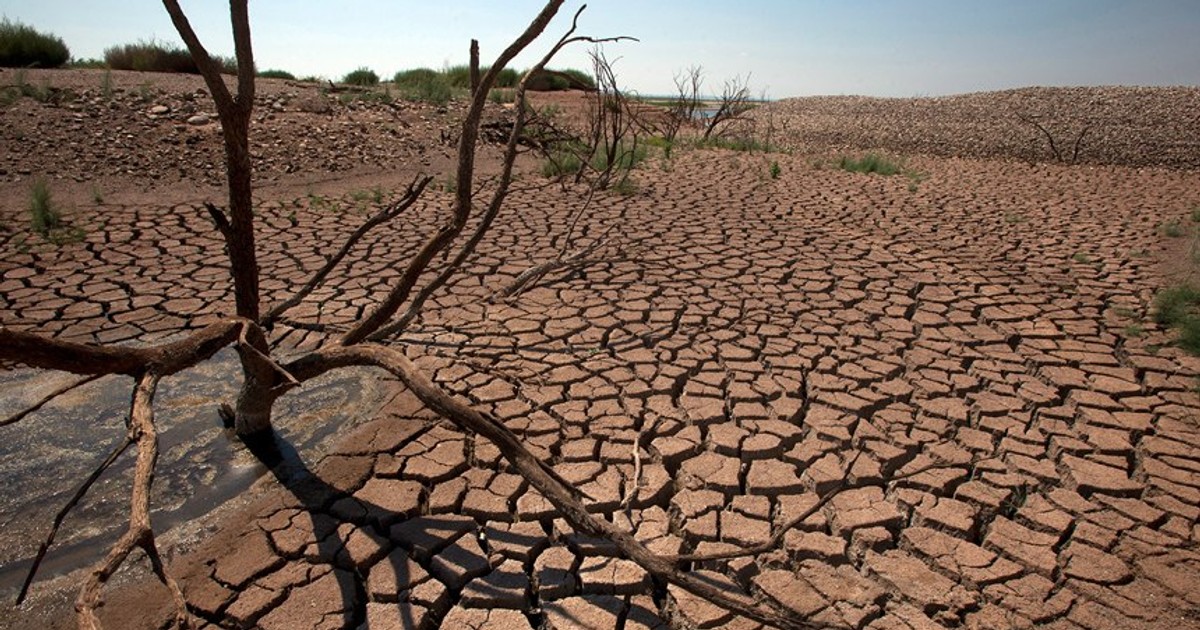
Africa's economic recovery could face a major setback after the African Development Bank (AfDB) warned that an unusually powerful El Niño weather event could erase between $10 billion and $20 billion from economies across the continent, slow growth, damage infrastructure and trigger fresh waves of climate migration.
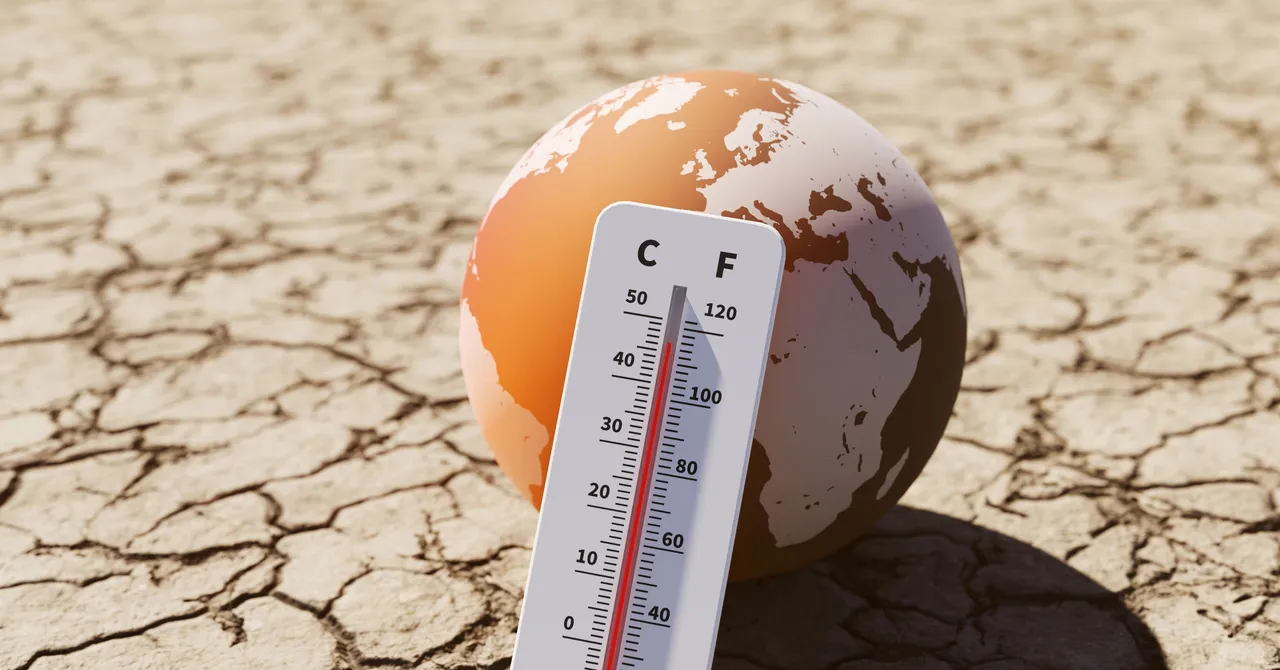
El Niño is a naturally occurring climate pattern caused by unusually warm waters in the equatorial Pacific Ocean.
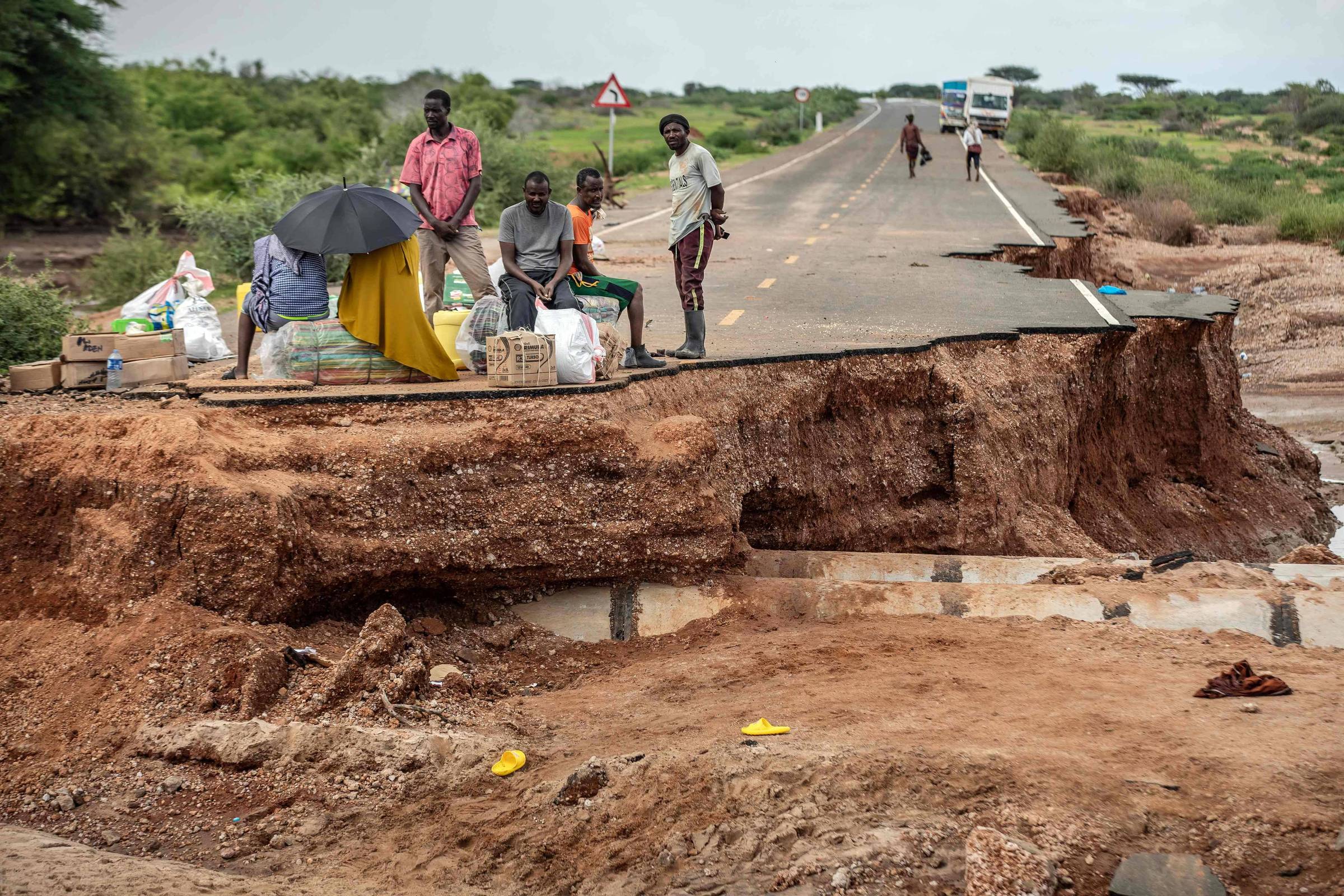
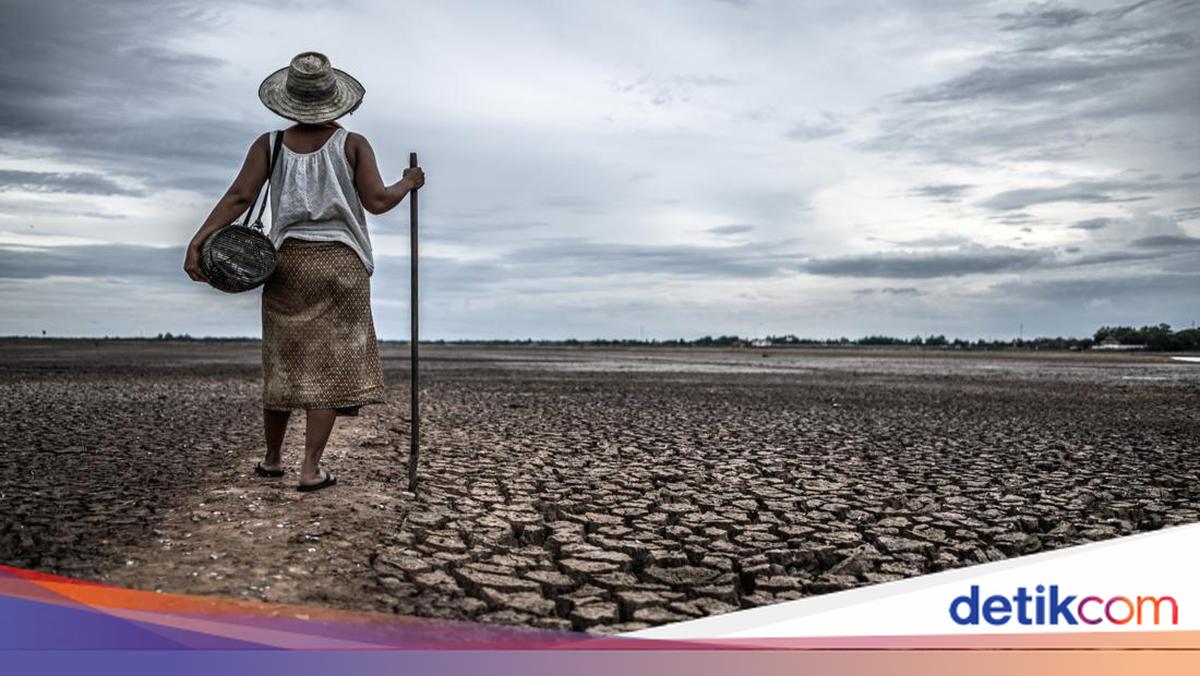
Although it develops thousands of kilometres from Africa, it disrupts global weather systems, often bringing severe drought to Southern Africa and heavy rains and flooding to parts of East Africa, with devastating consequences for agriculture, food supplies and economic activity.
The World Meteorological Organization (WMO) says the current event is strengthening rapidly and is expected to peak between late 2026 and early 2027. While the phrase "super El Niño" is widely used in media reports, the WMO officially classifies events by strength, weak, moderate, strong and very strong.
The warning comes at a critical time for the continent. In May, the AfDB forecast Africa's economy would expand by 4.2% in 2026 and 4.4% in 2027, making it one of the world's fastest-growing regions.