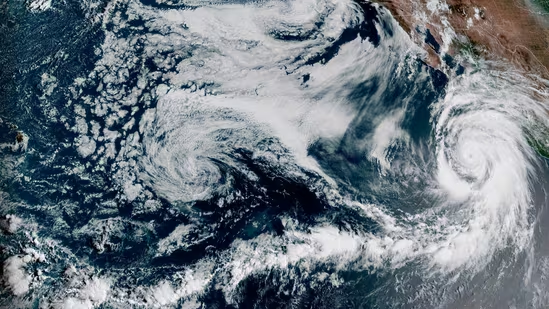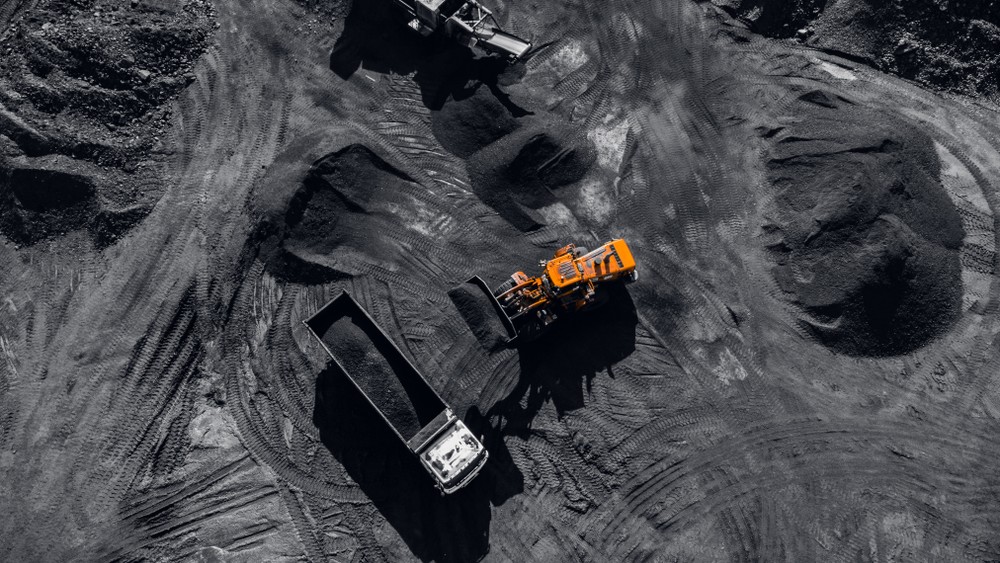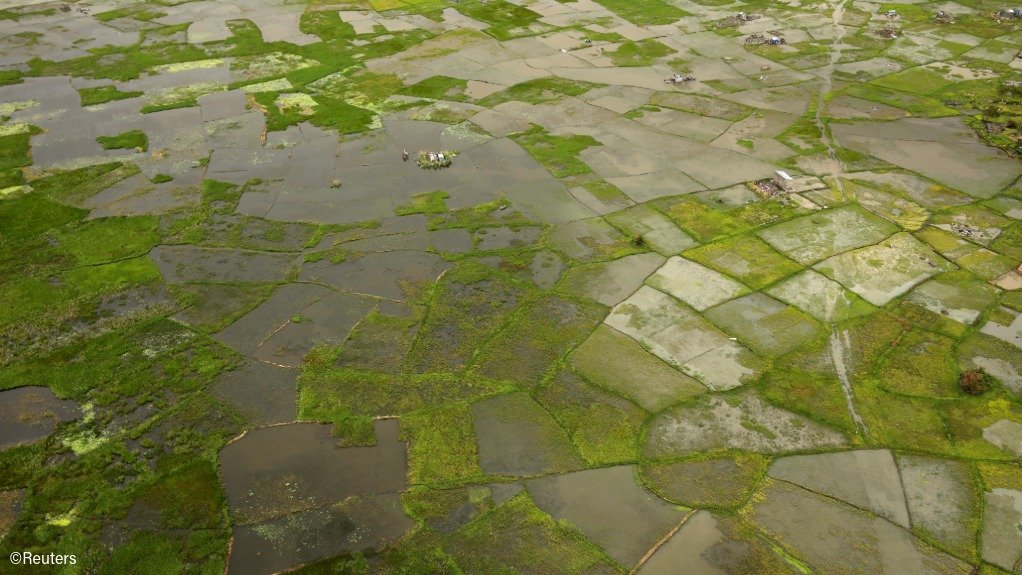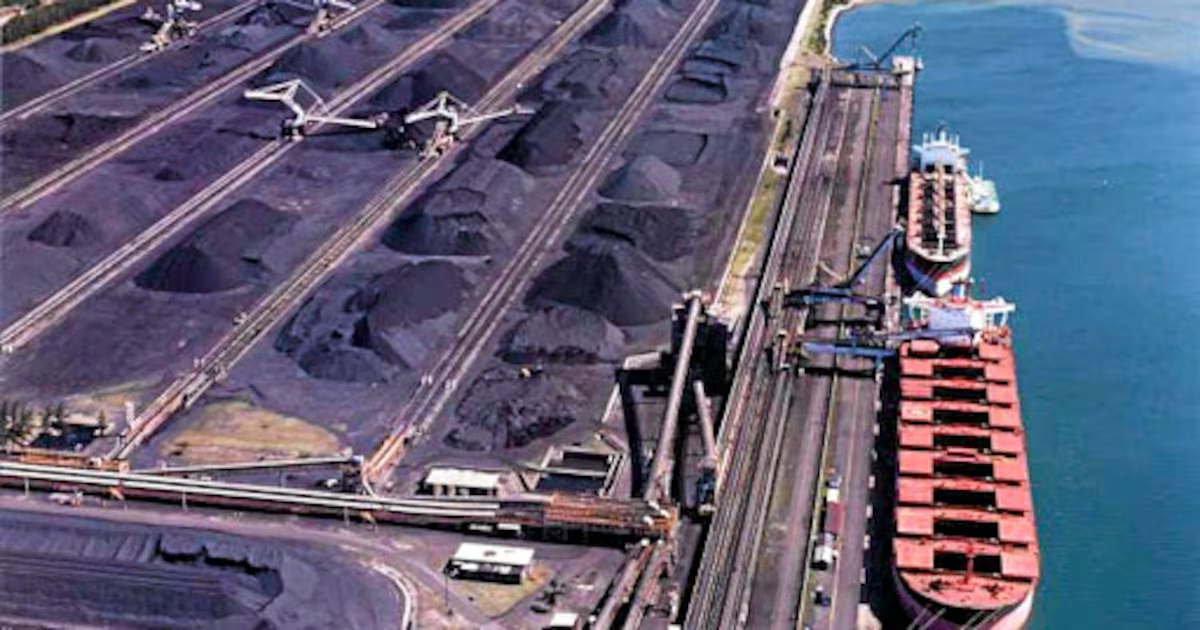
When climate scientists warn of a “super” El Niño, the first casualties are usually counted in harvests. The UN’s Food and Agriculture Organisation and the World Food Programme have appealed for more than $200m to protect 8.8-million people across 22 high-risk countries from the destructive weather patterns now forming. But the same forecast carries a second, less discussed consequence: a surge in demand for thermal coal. South Africa’s exporters should be paying attention.The mechanism is straightforward. El Niño years typically bring lower wind speeds and reduced rainfall across South Asia. For India, that means weaker output from wind farms and hydropower dams while hotter, drier weather pushes electricity demand up. Combine the lost renewable output with the additional consumption and India could face a generation gap of nearly 18 terawatt hours (TWh). Something has to fill it. That something will be coal.India is the world’s second-largest coal importer and consumer after China, and coal still supplies about 60% of its electricity. Last month, its coal-fired generation rose 14% year on year to 178TWh as drier, hotter weather lifted demand. Renewables are growing at a genuine pace, but coal-fired capacity additions continue alongside them, and a super El Niño will only harden Delhi’s reluctance to lean less on the fuel. On some long-term projections, demand could more than double to 2.6-billion tonnes by 2050 from 1.26-billion tonnes in 2025.For South Africa this should be an open goal. India is already the largest single buyer of South African coal, taking 25.75-million tonnes in 2025, about 45% of total shipments. Asia as a whole absorbed just less than 80% of exports. Independent power producers and sponge-iron makers in India have proved reliable customers, drawn by competitive pricing that has held up despite South Africa’s logistical troubles. The coalfields of Mpumalanga, Limpopo, KwaZulu-Natal and the Free State have the resource. The question, as ever, is whether the country can move it.Here the story sours. Export coal travels to port almost entirely by rail and Transnet, the state-owned rail and port operator, has struggled for years with locomotive shortages and degraded infrastructure. Volumes on the coal corridor topped 50-million tonnes last year, a marked improvement, but still well short of the 75-million tonnes achieved only a few years ago. That loss of 25-million tonnes a year has cost the economy about R150bn in forgone revenue.The Richards Bay Coal Terminal illustrates the gap between potential and performance. It is one of the world’s largest coal terminals, rated to handle 91-million tonnes a year. It shipped 57.66-million tonnes in 2025, up more than 10% as Transnet’s coal line stabilised, yet that is still barely two-thirds of capacity. An asset of this scale running so far below its rating is not a logistics footnote; it is a national balance-sheet problem.If a super El Niño delivers the demand shock the forecasts imply, the exporters who profit will be those able to load ships quickly and reliably. The window will not stay open indefinitely: India is building renewables at speed and rival suppliers in Indonesia and Australia are not standing still. South Africa’s advantage is proximity to the Indian market and a price point its buyers like. Its disadvantage is everything between the pit and the port.The remedy is subdued. Transnet and the Richards Bay terminal must overhaul their operating processes, extend the private partnerships that have begun to stabilise the coal corridor and invest in the automation that competitors already take for granted. Inventory management along the value chain needs the same attention. None of this requires another strategy document. El Niño may be an act of nature; whether South Africa profits from it is entirely a matter of policy.• Mabasa is a critical mineral and energy strategist and the executive manager in the office of the deputy minister of mineral & petroleum.Business Day
ASHLEY NYIKO MABASA | A super El Niño could boost coal demand as South Africa battles to deliver
India may lift imports but ailing rail and ports could hinder the opportunity
635 words~3 min read