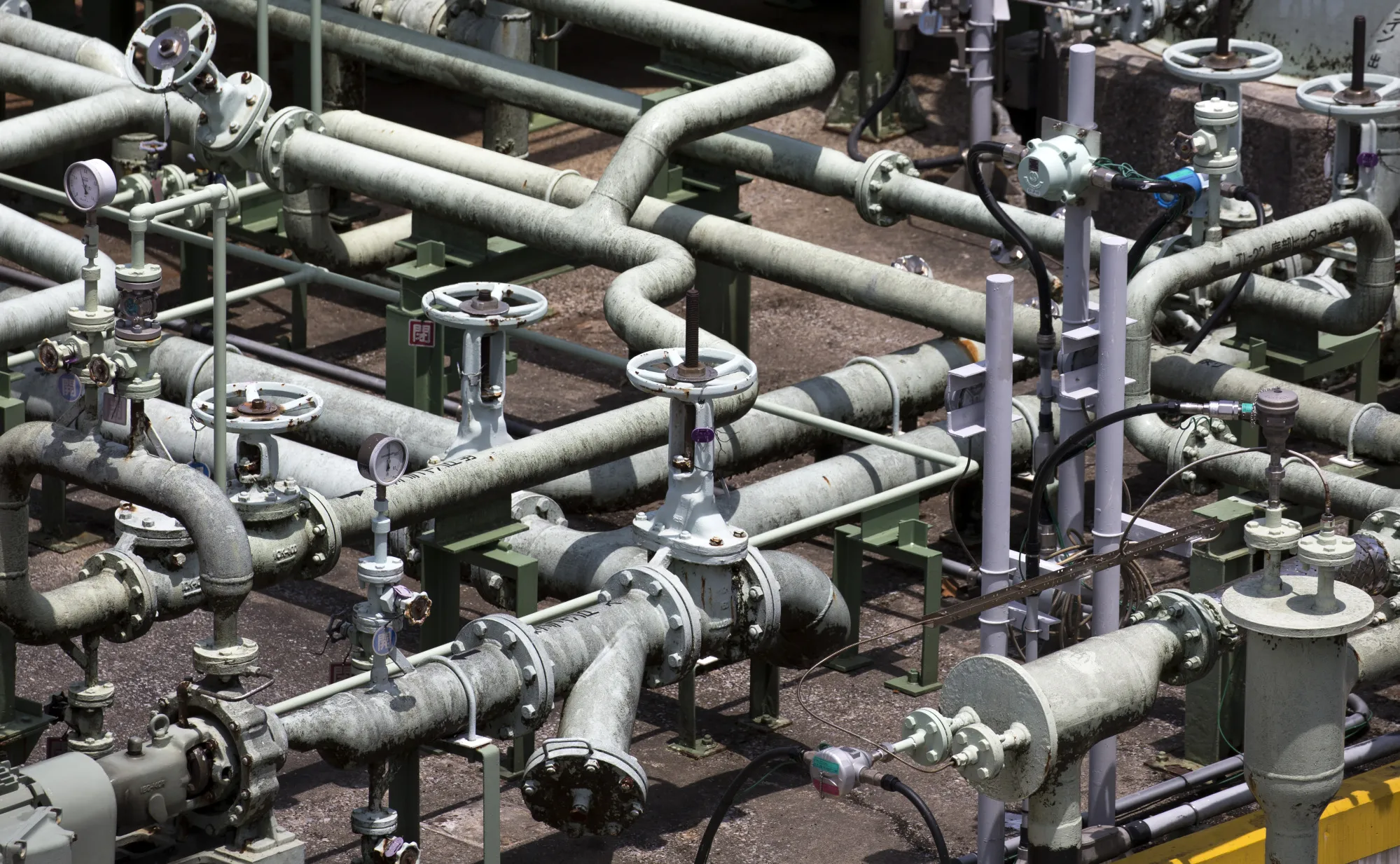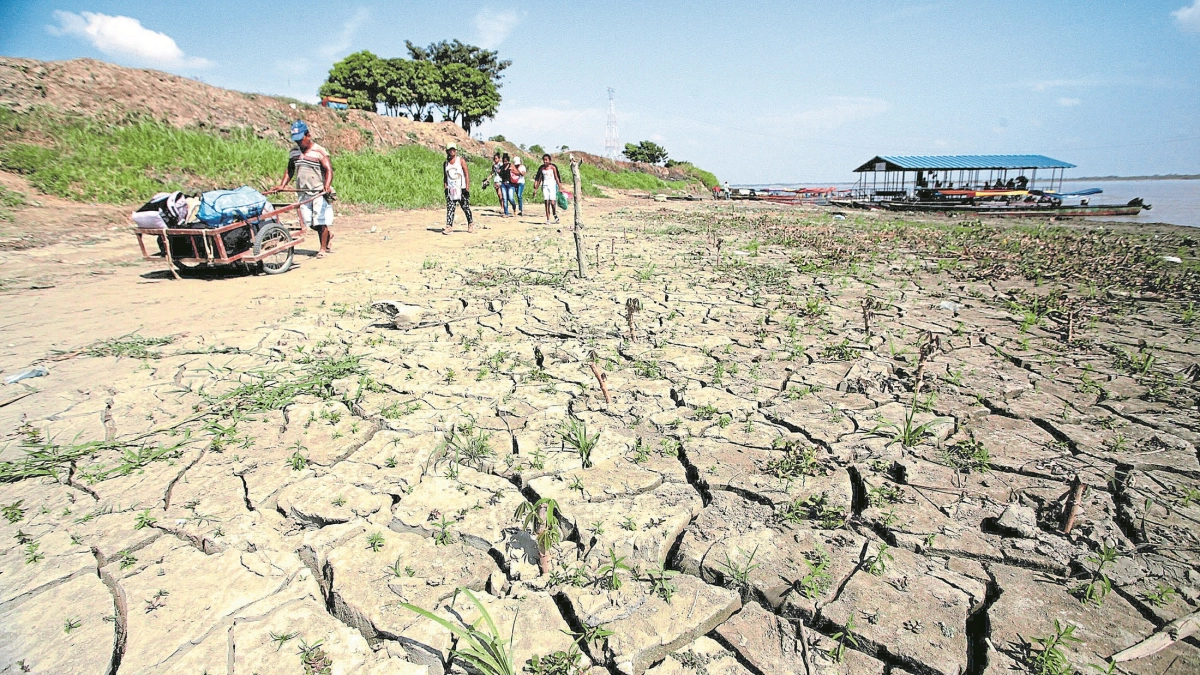
Scientists predict 2026 will bring a devastating Super El Niño weather event, with rising temperatures and economically damaging droughts expected. There are fears the climate pattern will hit Colombia especially hard, triggering severe droughts that lower water levels and sharply reduce hydroelectric power generation. This will significantly pressure Colombia’s thermal power plants, already constrained by a natural gas shortage, while straining the electricity grid. As a result, costly natural gas imports will rise, adding pressure to Colombia’s fragile, fiscally strained economy.Colombia first began importing natural gas in December 2016. Since then, the volume of liquified natural gas (LNG) shipments soared higher, despite rising prices. For 2025, it is estimated that around 18% of all natural gas consumed in Colombia that year was imported. Already for 2026, that number is ballooning out at a worrying rate. While earlier calculations predicted that around a quarter of Colombia’s natural gas would come from overseas, that amount has blown out to over 32% and is expected to climb further.As a result, natural gas prices across Colombia are soaring, with LNG imports significantly more expensive than domestically produced dry gas. Between 2022 and 2024, prices surged by 36%, and despite attempts to mitigate the risks associated with rising natural gas imports, they continue to rise. Industry analysts estimate that natural gas prices in Colombia will rise by as much as 25% during 2026, further impacting businesses and households, with a spiraling cost-of-living crisis emerging.This, in turn, will fuel further jumps in the inflation rate, which is already at a multiyear high. These developments are weighing heavily on an already fragile economy, which is fiscally vulnerable with the budget deficit at near historic highs of 6.4% of gross domestic product (GDP) at the end of 2025. It is anticipated it will blow out to 6.6% during 2026, which will make Colombia’s fiscal deficit the world’s third-largest.Costly liquefied natural gas (LNG) imports are driving inflation higher, pushing up business and household costs because it is an essential commercial and domestic fuel. According to the government statistics agency DANE, Colombia’s monthly inflation rate hit 0.47% for May 2026, which translates to 5.84% on an annual basis. That marks the highest rate since 2024, when inflation was still easing after reaching a record 12.36% in 2023, driven by excess pandemic stimulus and a global price surge linked to COVID-19 lockdowns.Colombia’s growing dependence on natural gas imports arose because of a marked decline in domestic production along with dwindling reserves of the essential fossil fuel. During April 2026, Colombia pumped 694 million cubic feet of natural gas per day, which was nearly 1% lower month over month and a worrying 15% less than a year earlier. That number is 36% lower than a decade earlier, underscoring the steep production decline of this economically vital fossil fuel from a period when Colombia was self-sufficient.The decline is largely due to a lack of new discoveries and a substantial drop in output from Colombia’s Chuchupa and Ballena fields in the offshore La Guajira Basin. Production from the Chuchupa peaked in 2010, with over 90% of all recoverable hydrocarbons now extracted. The field will reach its economic limit in 2027, now accounting for a mere 1% of Colombia’s total natural gas output. Ballena’s output peaked in 2014, with production expected to continue until 2039, when analysts forecast that economically recoverable natural gas will be depleted.These factors are responsible for declining production and a widening supply gap that will worsen if El Niño arrives in Colombia during the second half of 2026. Recent news that Colombia’s proven reserves of the essential fossil fuel have fallen again heightens the risks to its natural gas-dependent economy. According to Colombia’s petroleum regulator, the National Hydrocarbon Agency (ANH), proven natural gas reserves at the end of 2025 fell 17% year over year to 1.717 trillion cubic feet.Source: National Hydrocarbon Agency (ANH).This represents an 18-year low, with growing fears that Colombia’s proven natural gas reserves will continue to decline.President Gustavo Petro’s short-sighted energy policies, which focus on significantly reducing Colombia’s dependence on fossil fuels, are a disaster for the country’s oil patch. Petro is Colombia’s first-ever left-wing president who, upon taking office on August 7, 2026, implemented a series of policies aimed at maximizing the benefits delivered by oil extraction while reducing dependence on fossil fuels. This included banning new exploration and production contracts, weighing heavily on drilling activity and foreign energy investment.That is a key reason for the lack of new oil discoveries in Colombia, where there has not been a world-class discovery since the 1990s. This continues to weigh on the country’s hydrocarbon reserves. Petro’s decision to frequently hike taxes for energy companies and attempt to ban hydraulic fracturing, known as fracking, further contributed to the growing malaise in Colombia’s oil patch. Those policies, particularly regular tax hikes, saw many drillers operating in Colombia sharply slash spending in the country.Some energy companies, like Exxon, chose to exit the country, seeing greater opportunity, security, and returns from any investment in other nearby countries, such as Guyana. Those developments are heavily impacting Colombia’s hydrocarbon production and reserves. The sharp impact of Petro’s regulatory and tax reforms on Colombia’s oil industry is magnified by rising lawlessness and violence in remote regions where many energy operations are located. Since Petro took office, illegal armed groups have expanded their ranks, using his “total peace” policy as an opportunity to extend their territory, number of recruits and operations. Colombia’s security agencies estimate there are 22,000 members of various illegal armed structures across the country have 22,000 members. This is significantly greater than the 15,000 members reported for 2022 when Petro assumed office. This, along with rising coca cultivation and cocaine production, is responsible for a sharp uptick in violence in many rural regions.Colombia’s growing dependence on ever-larger volumes of costly imported natural gas presents a considerable risk to a fragile economy, already buffeted by structural issues and serious headwinds. This will not only drive inflation higher, forcing Colombia’s central bank to keep interest rates higher for longer, but it will also negatively affect industry and agriculture, where natural gas is an important low-cost source of energy. There is also the very real risk of a sharp drop in electricity supply, further impacting the economy.By Matthew Smith for Oilprice.comMore Top Reads From Oilprice.comSaudi Arabia Ships 34 Million Barrels Through Hormuz Despite Thin Tanker TrafficColombia's Oil and Gas Reserves Keep ShrinkingLargest Data Center Project Ever Proposed Is Officially Dead
Super El Niño Could Push Colombia Into an Energy Crisis | OilPrice.com
Colombia's declining natural gas production, shrinking reserves, and growing reliance on expensive LNG imports are increasing economic risks just as a potential Super El Niño threatens to strain the country's electricity system.
1,073 words~5 min read