Thursday, June 11th 2026 - 22:34 UTC
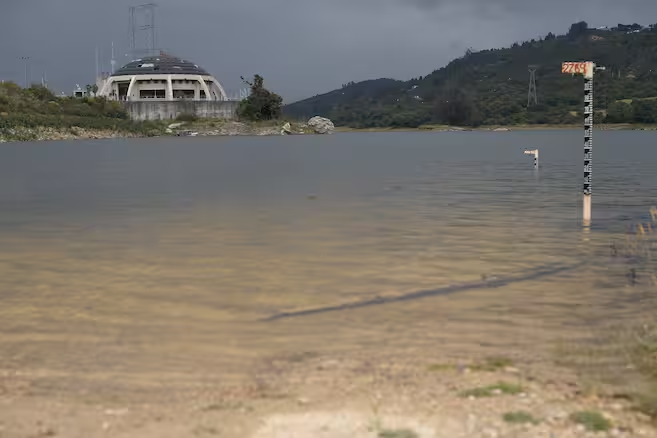
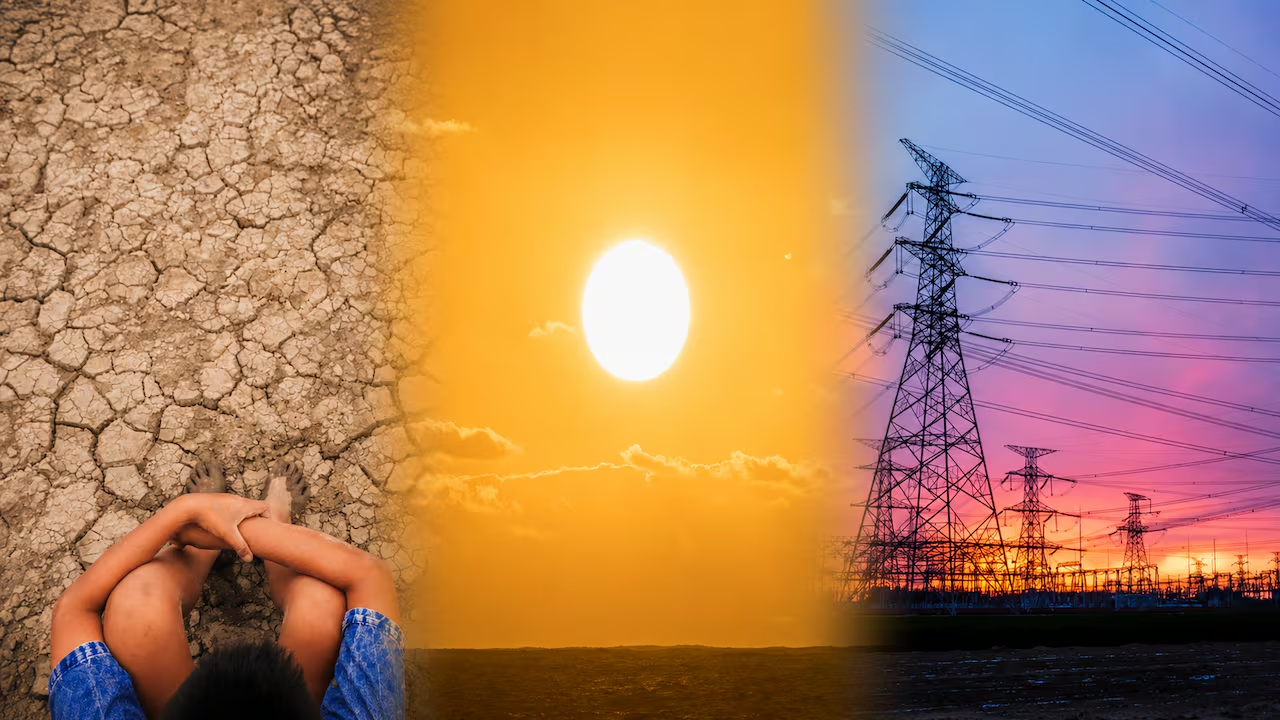
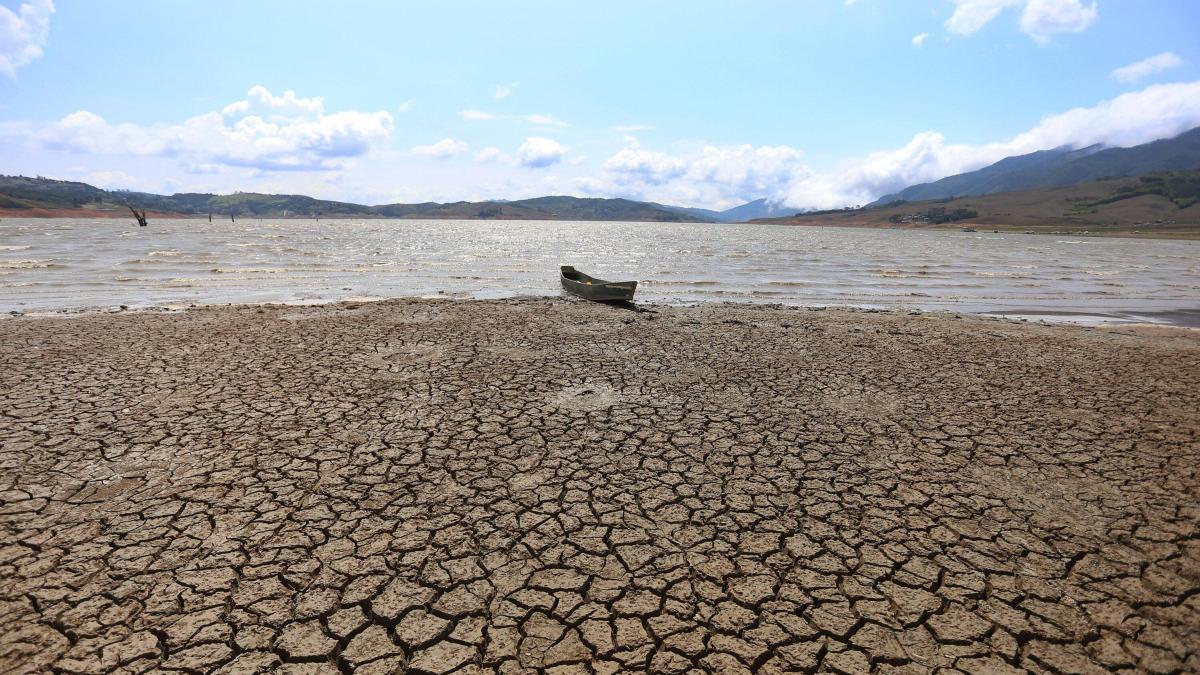
In Colombia, El Niño tends to be associated with a decline in rainfall, which raises the risk of drought and energy rationing in a country that relies heavily on hydroelectric generation
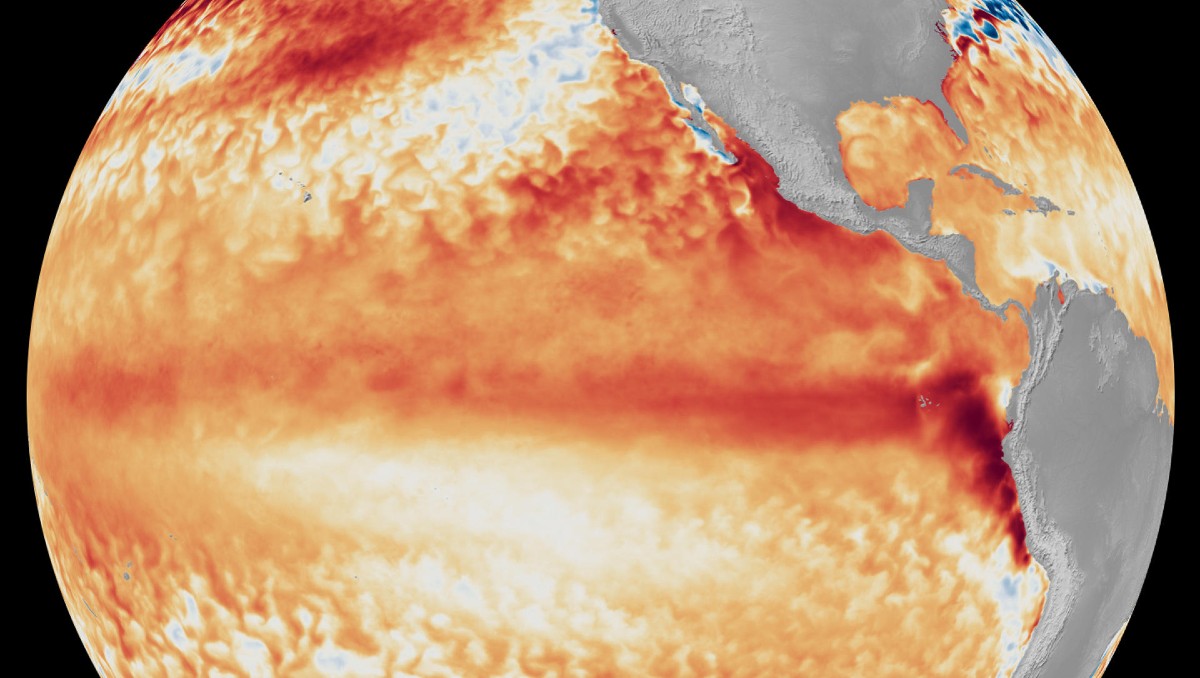
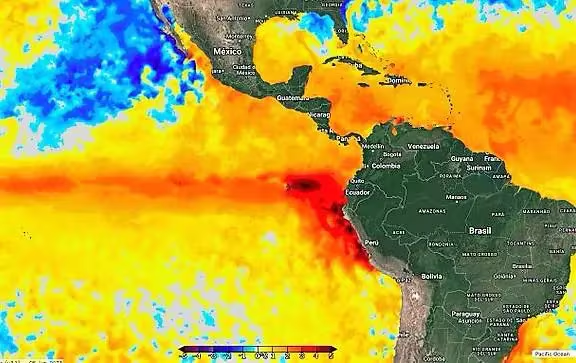
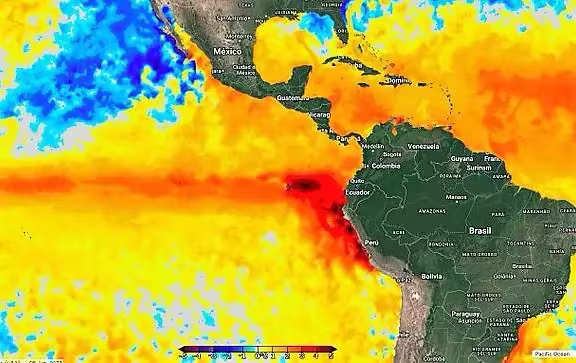
Colombia's Environment Ministry confirmed on Thursday that the El Niño phenomenon arrived about three months earlier than expected and that, if projections hold, it will be one of the “most intense recorded since 1950,” according to data from the Institute of Hydrology, Meteorology and Environmental Studies (Ideam). The agency said the conditions associated with the phenomenon —which warms ocean waters above normal— are already present in the equatorial Pacific.
According to technical analyses, there is a 96% probability that those conditions will persist during the quarter of November and December 2026 and January 2027, and a 63% probability that El Niño will reach a “very strong” intensity in that period. The assessment is based on the elevated surface and subsurface temperature anomalies observed in the equatorial Pacific, consistent with the warm phase of the phenomenon known as the El Niño-Southern Oscillation (ENSO). According to forecasts by the US National Oceanic and Atmospheric Administration (NOAA) cited by the ministry, the phenomenon will strengthen during the second half of the year, with particular intensity toward the end of 2026 and the start of 2027.