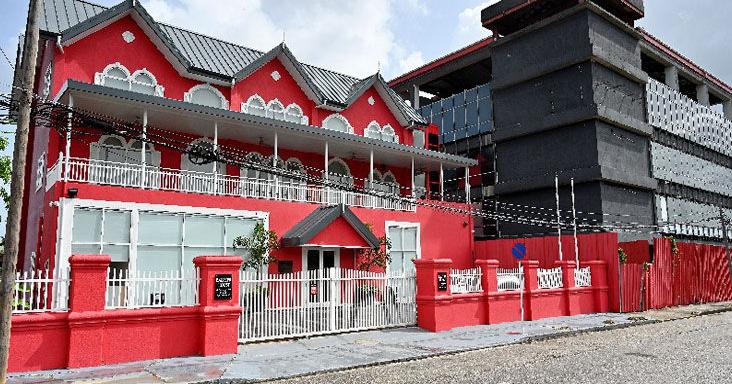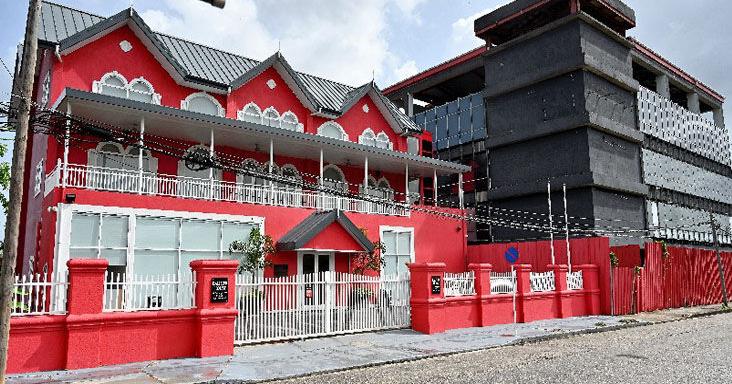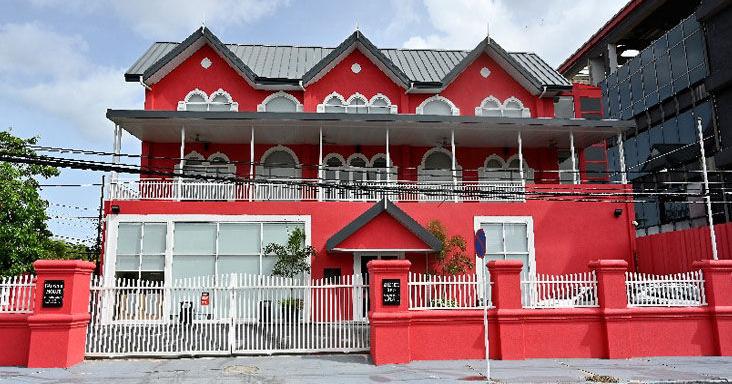
THE Trinidad and Tobago Chapter of Transparency International (TTTI) has described the Civil Asset Recovery and Management and Unexplained Wealth Act, 2019, as having “real teeth”.But it notes there is a gap in its transparency framework because of the absence of campaign finance laws.Contacted on Saturday for comment on High Court judge Margaret Mohammed on Friday granting an Order to the Trinidad and Tobago Police Service (TTPS) compelling the PNM to explain its funding for the construction of Balisier House, Port of Spain, the TTTI acknowledged that the legislation was a good demonstration of transparency legislation doing what it was designed to do since it gave the courts a mechanism to compel any person or entity-regardless of political affiliation-to explain assets that appear disproportionate to their known lawful income.In an e-mailed response to the Express, it said that was exactly the kind of accountability tool the organisation has long advocated for.However, the TTTI argued that there was no equivalent transparency mechanism for how political parties were funded in the first place, stressing that the Unexplained Wealth Act only comes into play after the fact, once a criminal investigation is already under way.“Trinidad and Tobago still has no law requiring parties to proactively disclose their donors, funding sources, or spending as they raise and spend it,” TTTI stated.“The Representation of the People Act caps an individual candidate’s spending at $50,000 but places no limit-and no disclosure duty-on party financing, and neither the Constitution nor the Act even defines a ‘political party’ for these purposes,” it added.The organisation said while the legislation had proven effective in allowing investigators and the courts to scrutinise unexplained assets, the absence of campaign finance laws meant the public remained largely in the dark about how political parties were financed until criminal investigations or court orders were launched.“The tools that exposed this matter work. What is missing is the tool that would have made this kind of financing visible years earlier, before it needed a court order to surface,” TTTI said.It argued that the long-discussed Representation of the People (Amendment) Bill would fill that gap by introducing mandatory registration of political parties, audited financial statements, disclosure of donors above a prescribed threshold and independent oversight.TTTI renewed its call for campaign finance legislation to be enacted, saying such measures would improve transparency and accountability in the political system.Political financing frameworkAddressing what the Balisier House investigation might raise in the eyes of the public, TTTI pointed out that it would tell citizens the true financing of political power can remain opaque for years, “and only become visible through a criminal investigation or court order and not through routine, proactive disclosure”.TTTI called the country’s political financing framework “a serious accountability deficit”, arguing that the problem existed regardless of which political party or administration was in office.The TTTI said when the public was unable to see who bankrolls a political party then they cannot decide whether contracts awarded or policies pursued serve the public interest or the agenda of financiers.The organisation noted that type of politics eroded trust in the entire political system and not just in whichever political party was in the news headlines at the time.“The lesson for Trinidad and Tobago isn’t about this case alone-it’s that we need the guardrails Parliament has left sitting on the table: campaign finance disclosure, spending limits for parties, and an independent body with real power to enforce them, before the next election cycle, not after the next scandal,” TTTI stated.
In the dark on party finance
THE Trinidad and Tobago Chapter of Transparency International (TTTI) has described the Civil Asset Recovery and Management and Unexplained Wealth Act, 2019, as having “real teeth”.But it notes there is
578 words~3 min read