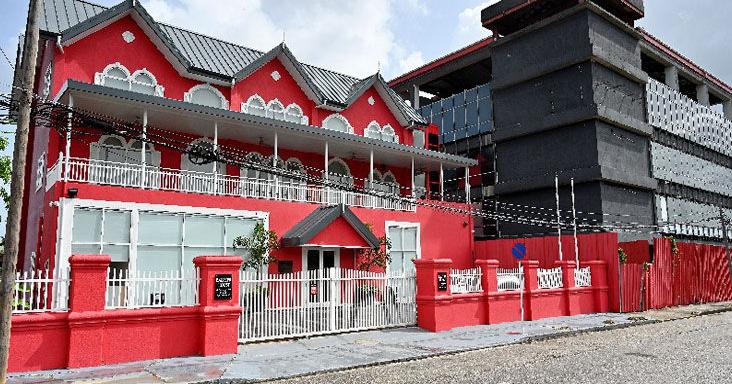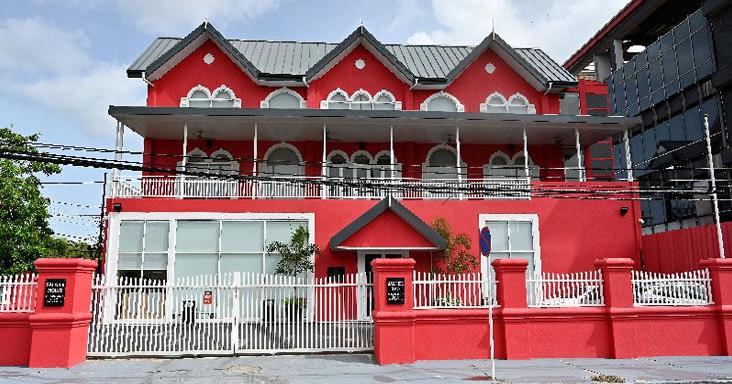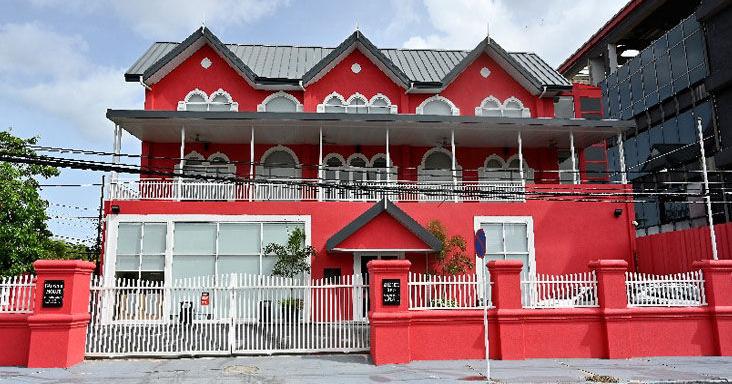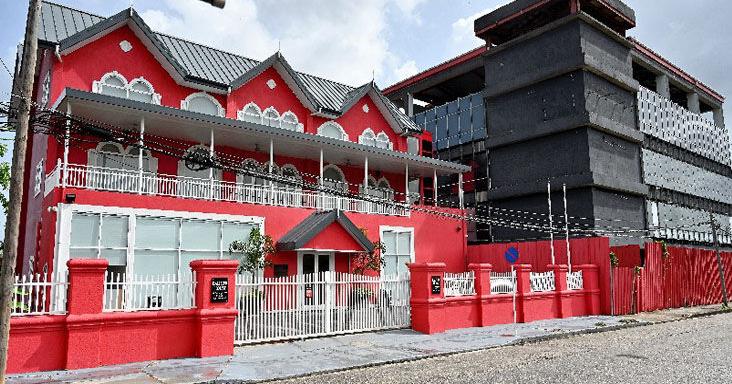
THE High Court has outlined why it granted a preliminary Unexplained Wealth Order (UWO) requiring the trustees of the People’s National Movement (PNM) and the party to explain the source of funds used to finance the redevelopment of its Balisier House headquarters, Port of Spain.
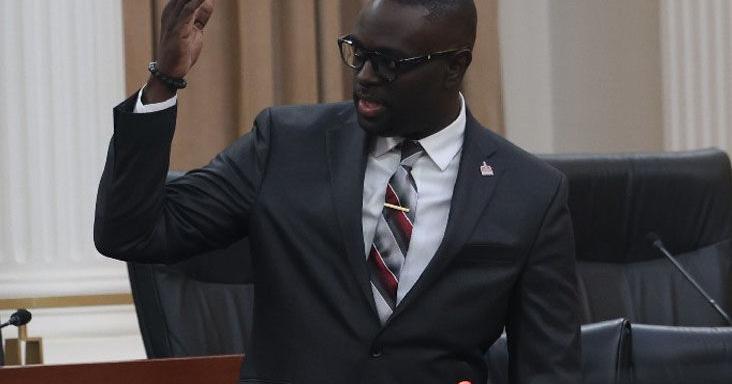
reasonable grounds:Justice Margaret Mohammed.
In written reasons delivered yesterday, Justice Margaret Mohammed said she was satisfied there were reasonable grounds to suspect that the value of the party’s wealth substantially exceeded its lawfully obtained income, meeting the threshold required under the Civil Asset Recovery and Management and Unexplained Wealth Act, 2019.
reasonable grounds:Justice Margaret Mohammed.
The release of the reasons came after attorneys for the political party requested an explanation for the court’s decision.The judge stressed that the court was not determining whether any offences had been committed but only whether there was sufficient evidence to justify the granting of a preliminary order.The proceedings arose from an ex-parte application brought on behalf of Commissioner of Police Allister Guevarro by ASP Ramdath Phillip, who was acting under delegated authority pursuant to the act.Justice Mohammed noted that a subsequent order made on July 17 permitted substituted service after police were unable to personally serve the PNM’s trustees.The court had directed that the documents be sent by registered mail to the party’s political leader, Pennelope Beckles, at the Office of the Opposition, Port of Spain.According to the reasons, investigators relied on the PNM’s constitution, which states that the party’s income is derived from membership dues, subscriptions, donations and levies paid by elected representatives.The affidavit filed by Phillip stated that the levy paid by the party’s 22 Members of Parliament and 16 senators during the 2020-2025 parliamentary term would have generated approximately $532,782 annually.The affidavit also relied on a forensic report prepared by Berkeley Research Group (UK) Ltd, which estimated that the completed Balisier House project would cost approximately $118.4 million and that construction work completed to date was worth about $73.27 million.Justice Mohammed found that this evidence was sufficient to support a reasonable suspicion that the value of the respondents’ wealth exceeded their identified lawful income and therefore satisfied the statutory requirements for granting a preliminary UWO.Project paymentsIn his affidavit, Phillip alleged that construction of the new headquarters ceased after the PNM lost the April 28, 2025, general election, and said this supported his suspicion that funding linked to alleged corrupt payments ended once the party was no longer in government.The affidavit also alleged that Woodgreen Construction Services Ltd, which secured the contract to build the headquarters at a cost of $68.3 million, but eventually agreed to the amount of $59 million, later received Housing Development Corporation (HDC) contracts, including a $170 million housing project awarded despite another contractor submitting a lower bid.It further alleged that an Office of Procurement Regulation (OPR) investigation into the award stalled while the PNM remained in office before the contract was later suspended.ASP Phillip further alleged that significant payments towards the project were made by third parties, including Amalgamated Security Services Ltd and Kall Co Ltd, as well as through the PNM’s Tranquility Fund and cash payments, raising questions about how the construction was financed.The affidavit also examined renovations to the original Balisier House building, alleging the work was carried out by companies associated with former government minister Foster Cummings.It referred to Housing Development Corporation (HDC) contract extensions valued approximately $15.6 million granted shortly before the 2025 general election and to payments made by the Urban Development Corporation of Trinidad and Tobago (UDeCOTT) to companies linked to Cummings between 2010 and 2022.Reasonable suspicion testIn explaining her decision, Justice Mohammed relied on the Privy Council’s ruling in Richard Taylor v Natalie Spring, which held that the statutory test for a preliminary unexplained wealth order is one of reasonable suspicion, a lower threshold than reasonable belief.The preliminary order now requires the respondents to file declarations and appear before the High Court to answer questions concerning their assets before the court decides whether a final unexplained wealth order should be made.Reached for comment yesterday, Attorney General John Jeremie said: “This is the first step in a process that will allow for the establishment of the source of funding for this project. I agree with the decision of the respected judge, and I support the courageous action taken by the Police Service.”The Express also contacted Prime Minister Kamla Persad-Bissessar who said in a WhatsApp message, “It’s a court matter so I prefer not to comment specifically about the court proceedings. However my opinions on the funding for construction of Balisier House are well known.”