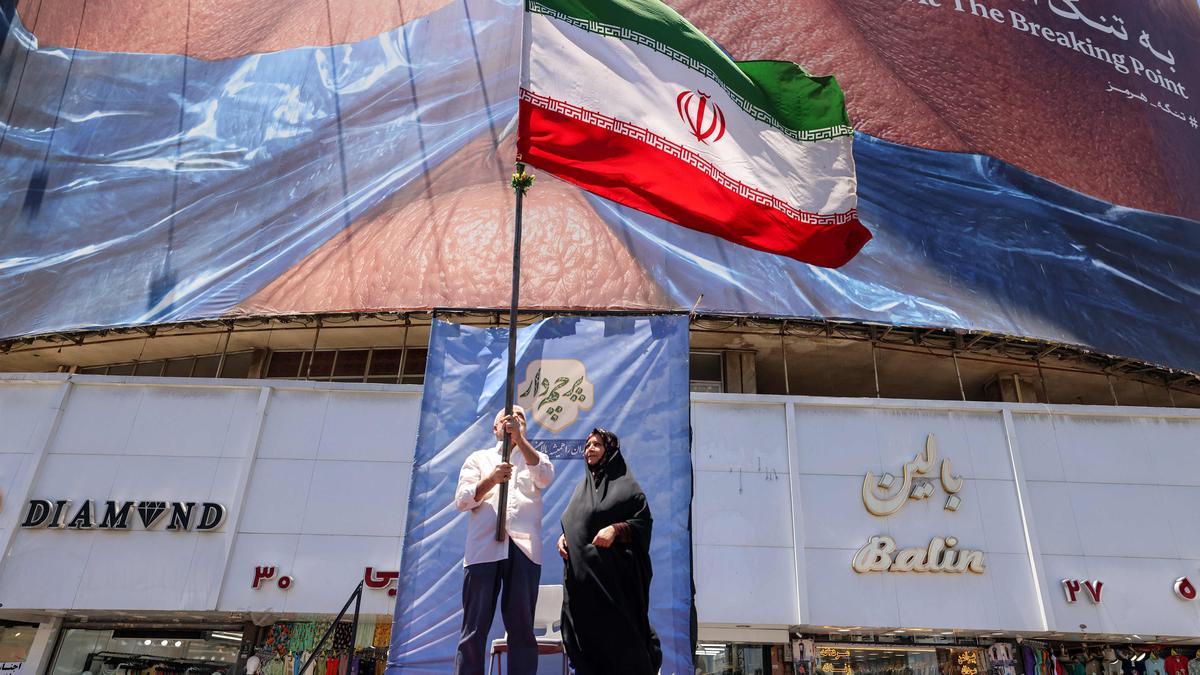
The recent social media claim outlines a U.S.-backed strategy purportedly aimed at destabilizing Iran’s Islamic Republic by arming opposition forces. This approach, according to the claim, was expected to weaken the regime and enable street protests to achieve a regime change. The strategy’s simplicity, however, has been criticized for overlooking the complexities of building a resistance movement capable of confronting a well-prepared regime. Historical parallels are drawn with the 1991 Iraqi uprisings, where similar external encouragement without sufficient support led to catastrophic outcomes for the opposition.
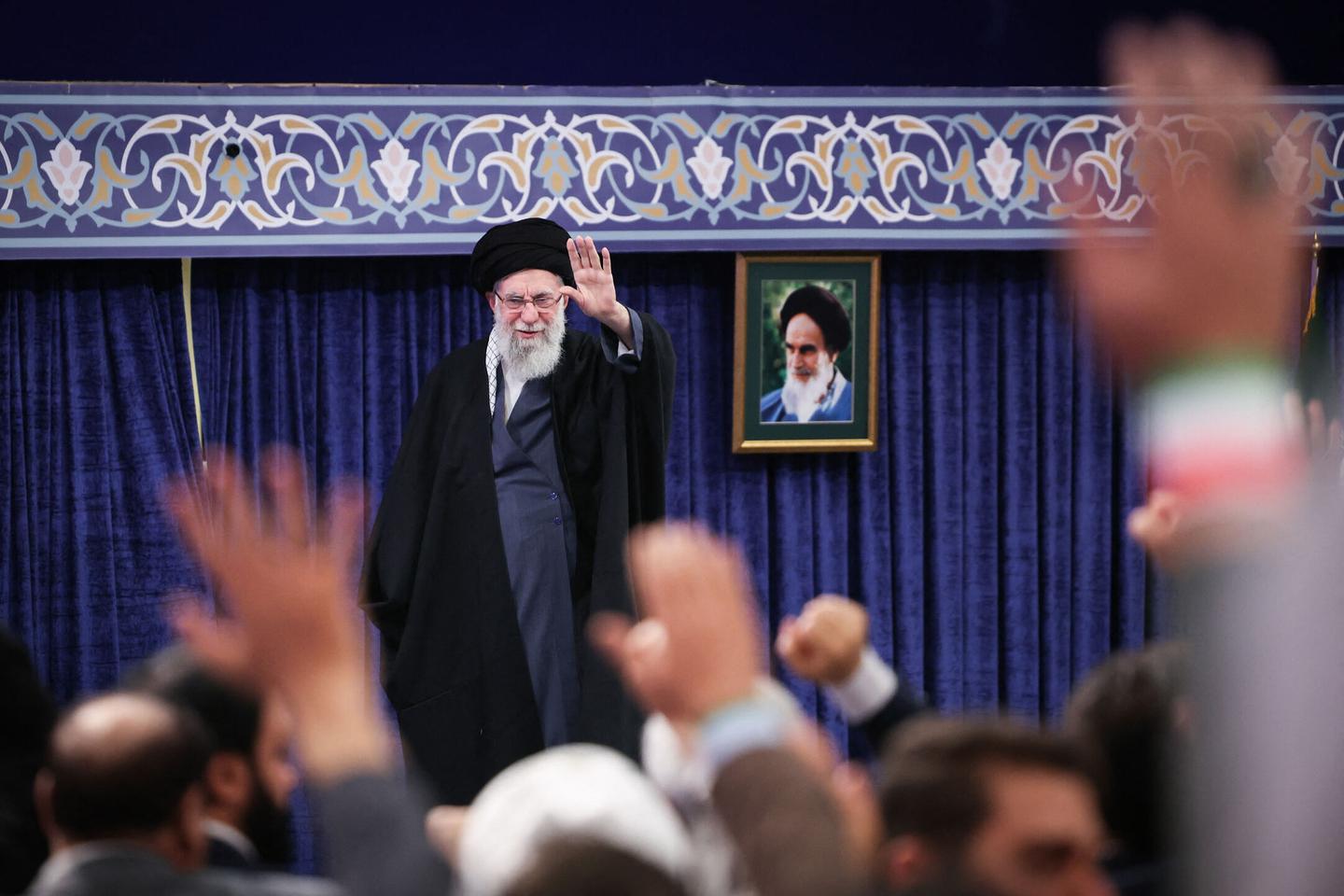
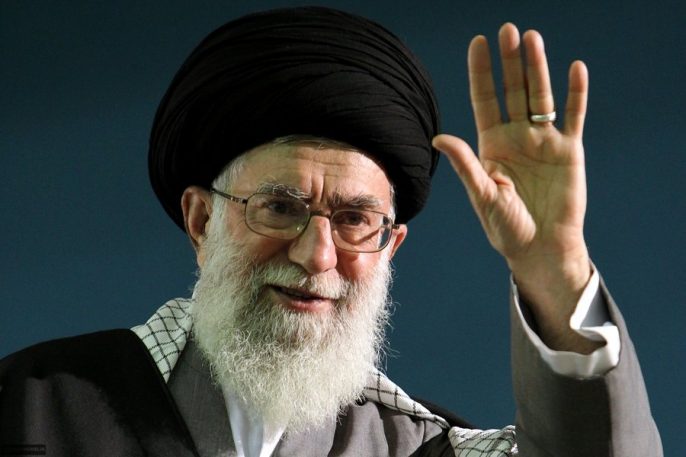
In the context of prediction markets, this narrative has implications for the likelihood of a leadership change in Iran by the end of 2026. Current market activity on the “Iran Leadership Status by End of 2026” question suggests that market participants are factoring in potential instability, albeit with a cautious approach given the lack of concrete developments. The market currently reflects a 4% probability of no head of state in Iran by the end of 2026, indicating limited expectation of a successful regime change.
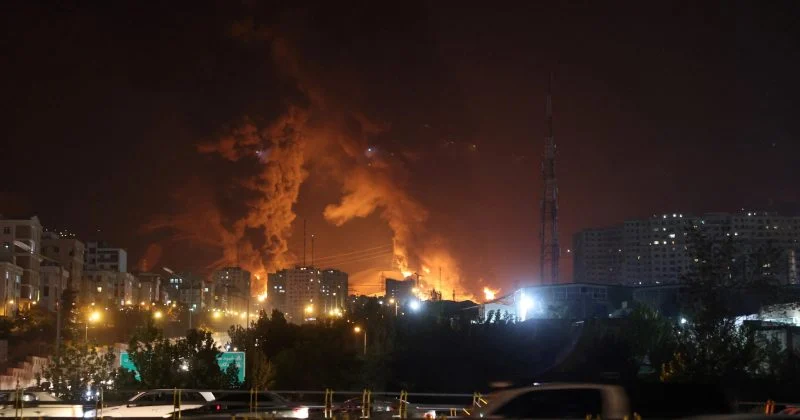
U.S.-Iran relations remain tense following a three-month conflict, despite a mediated halt to hostilities. The broader geopolitical environment continues to influence market perceptions, with Iran’s internal dynamics and external pressures being key factors.