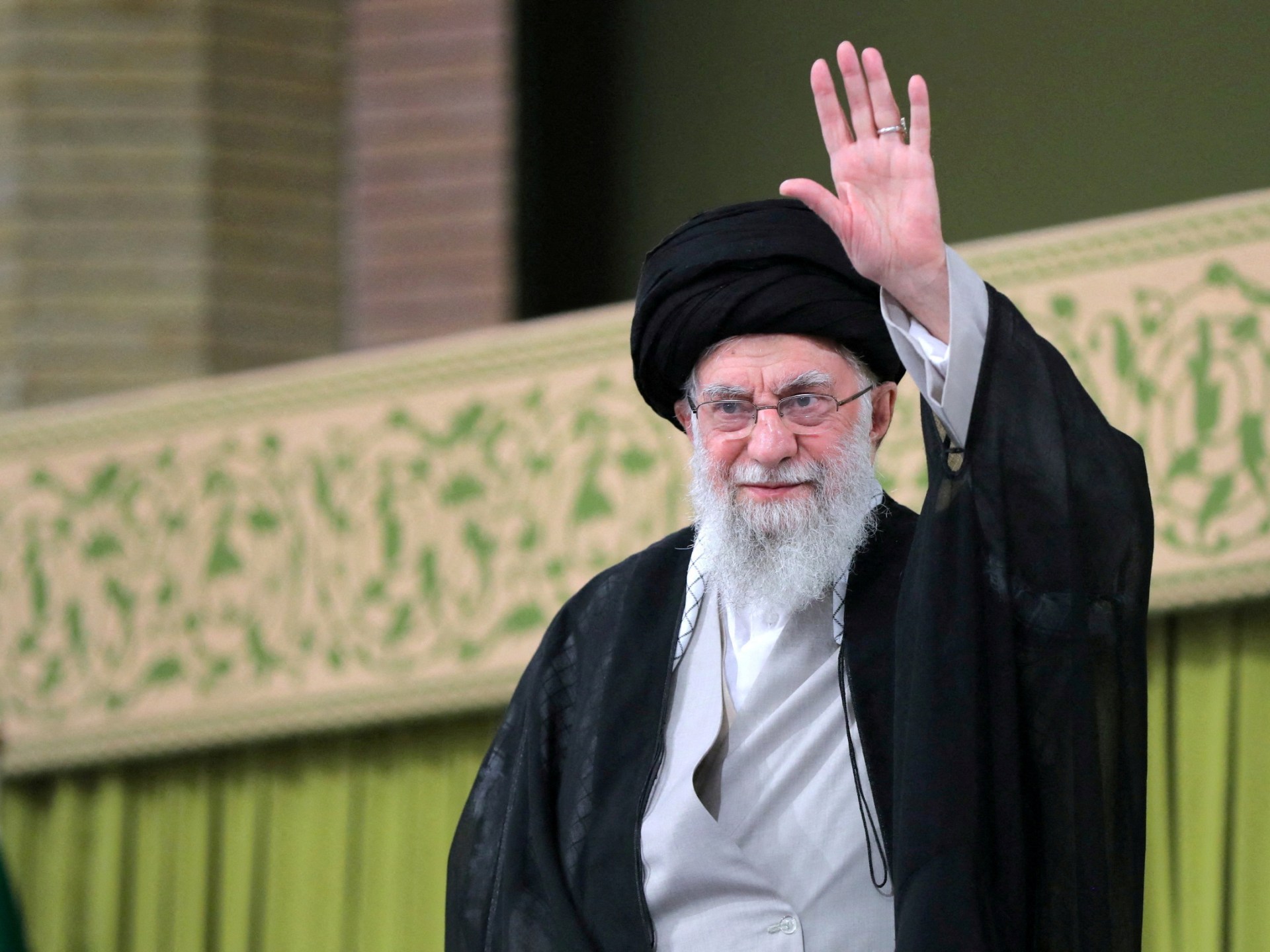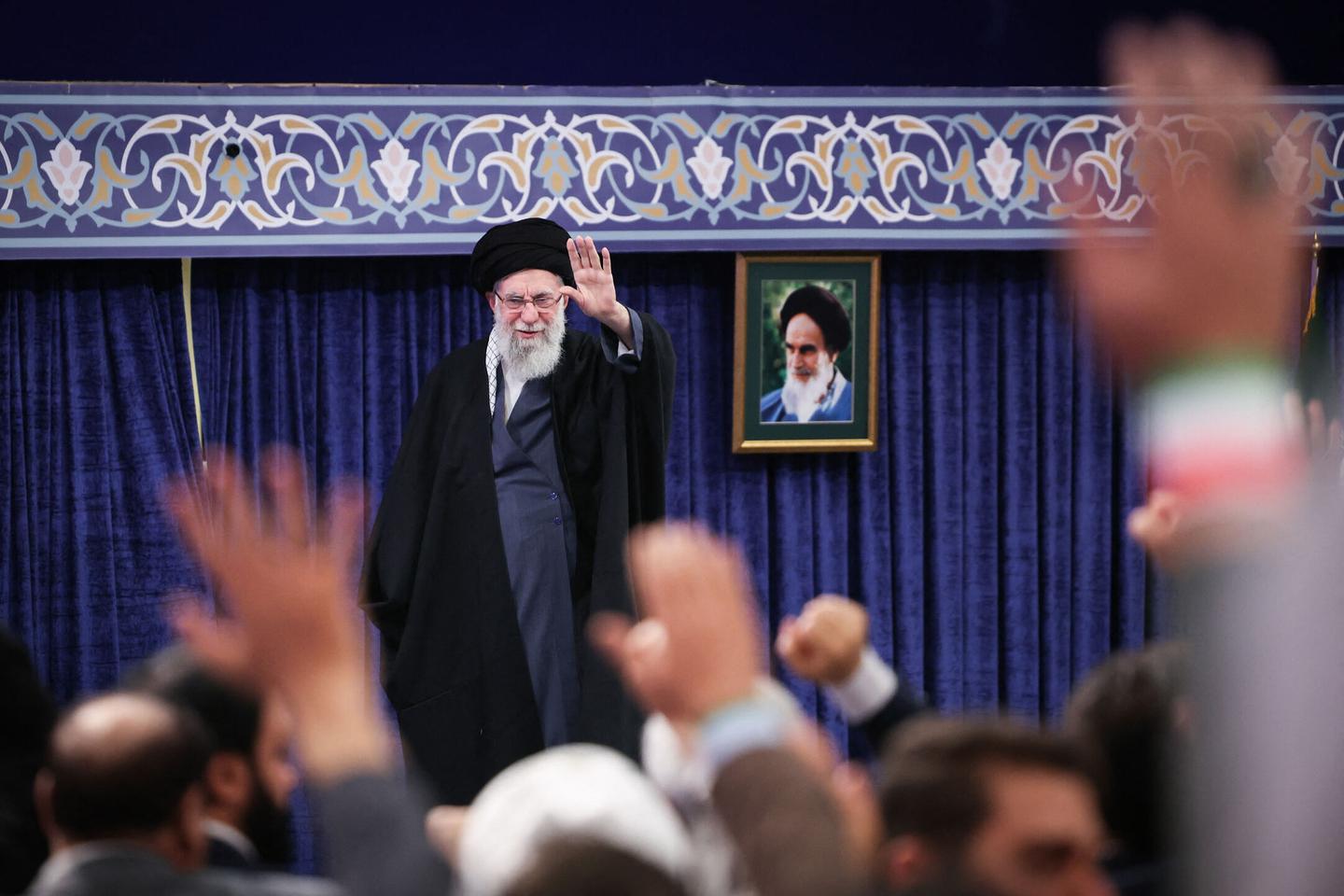
Ayatollah Ali Khamenei delivering a speech in Tehran on February 17, 2026, in a photo released by the office of the Iranian Supreme Leader. KHAMENEI.IR/AFP
Ross Harrison, a nonresident scholar at the Middle East Institute and author of Decoding Iran's Foreign Policy (2025), says in an interview that US airstrikes in Iran now appear inevitable, but the scenario of a swift intervention like the one seen in Venezuela in January is unrealistic. Even if Iran's Supreme Leader Ali Khamenei were to be targeted, "cutting off the head of the snake" would not be enough to bring down the regime, he argues.
A second round of negotiations concluded on February 13 in Geneva between the Iranians and the Americans. According to the negotiators, progress was made. But an "armada," in the words of Donald Trump, is positioned off the coast of Iran, ready to strike the country. Are these negotiations being taken seriously on both the American and the Iranian sides?
The term “negotiation” is not appropriate to describe the situation. It is more of an ultimatum, and the Iranians likely see it even as a trap on the part of the United States. Iranian regime officials learned lessons from the 12-day war [in June 2025, when Israel, backed by the United States, struck Iranian nuclear and military facilities]. The strikes were launched while negotiations were still underway.