F
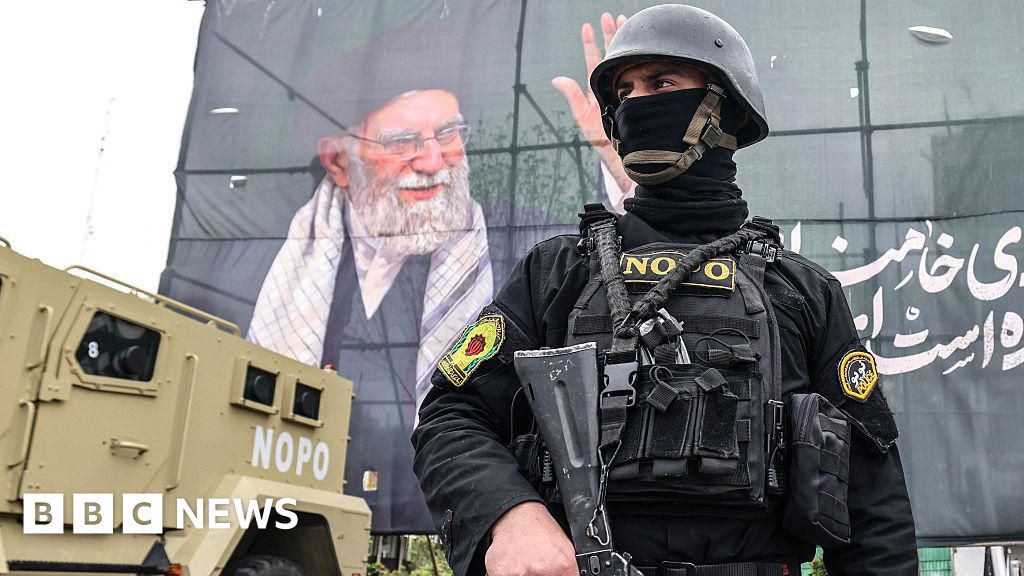
ebruary 11 came as a rather grim anniversary for Ayatollah Ali Khamenei. The date marked 47 years since Iran's Islamic Revolution overthrew the shah's regime, but there was little cause for celebration. As the supreme leader of the Islamic Republic of Iran since 1989, Ayatollah Khamenei had, a month earlier, ordered a ruthless crackdown on an unprecedented wave of protests, and at least 7,000 people were killed in the ensuing repression. As a result, the ayatollah's regime was discredited. This was only compounded by the fact that Khamenei was tempted to appoint his son, Mojtaba, as his successor, amid fierce infighting among factions within the Islamic Revolutionary Guard Corps (IRGC).
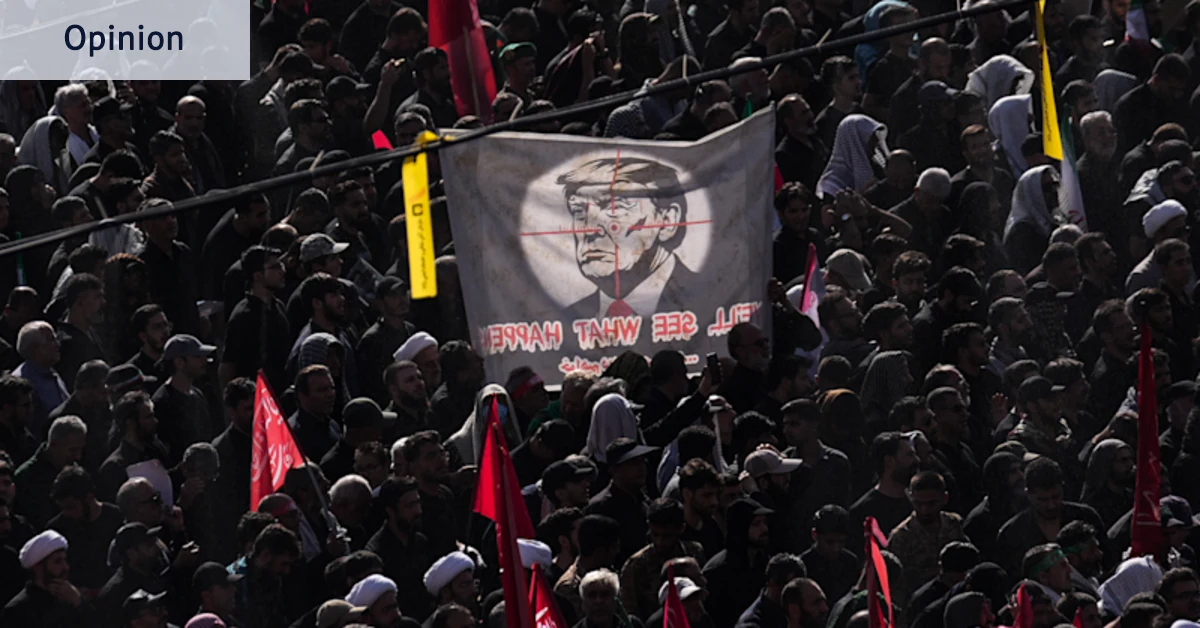
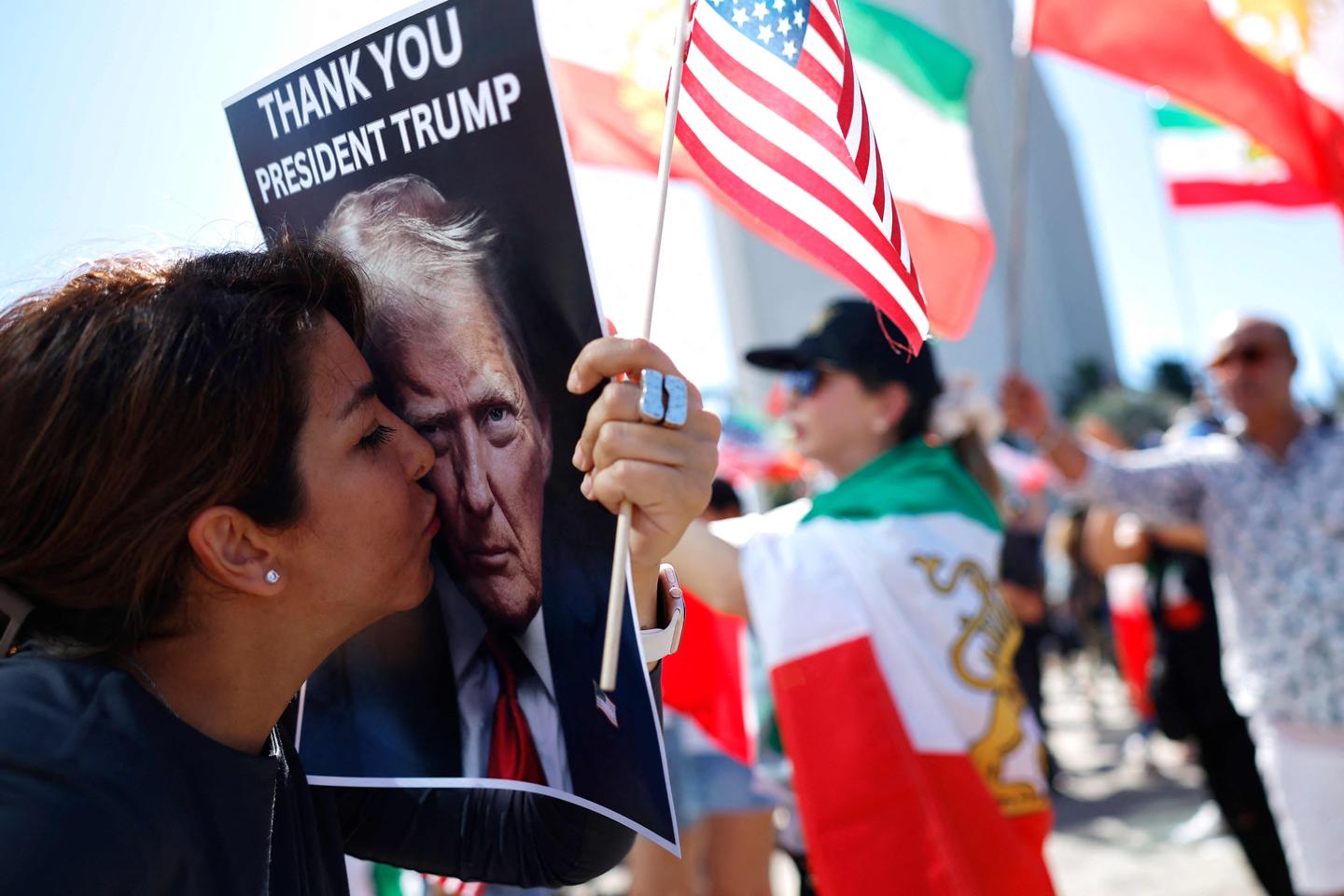
On that same day, United States President Donald Trump received Israeli Prime Minister Benjamin Netanyahu for the sixth time since he returned to the White House in January 2025. The two leaders agreed on a plan to wage a military campaign against Iran, while, in parallel, they let Trump's envoys maintain the illusion of seeking negotiations with Tehran.
The US-Israeli offensive was kicked off by the possibility of eliminating Ayatollah Khamenei and some of his entourage on Saturday morning, February 28. Even though the regime has been decapitated, and then endured further terrible blows over the past month, it now seems to have, in some ways, been regenerated by the current confrontation. What if Trump and Netanyahu actually saved the Islamic Republic of Iran by claiming to overthrow it?