Message on the table
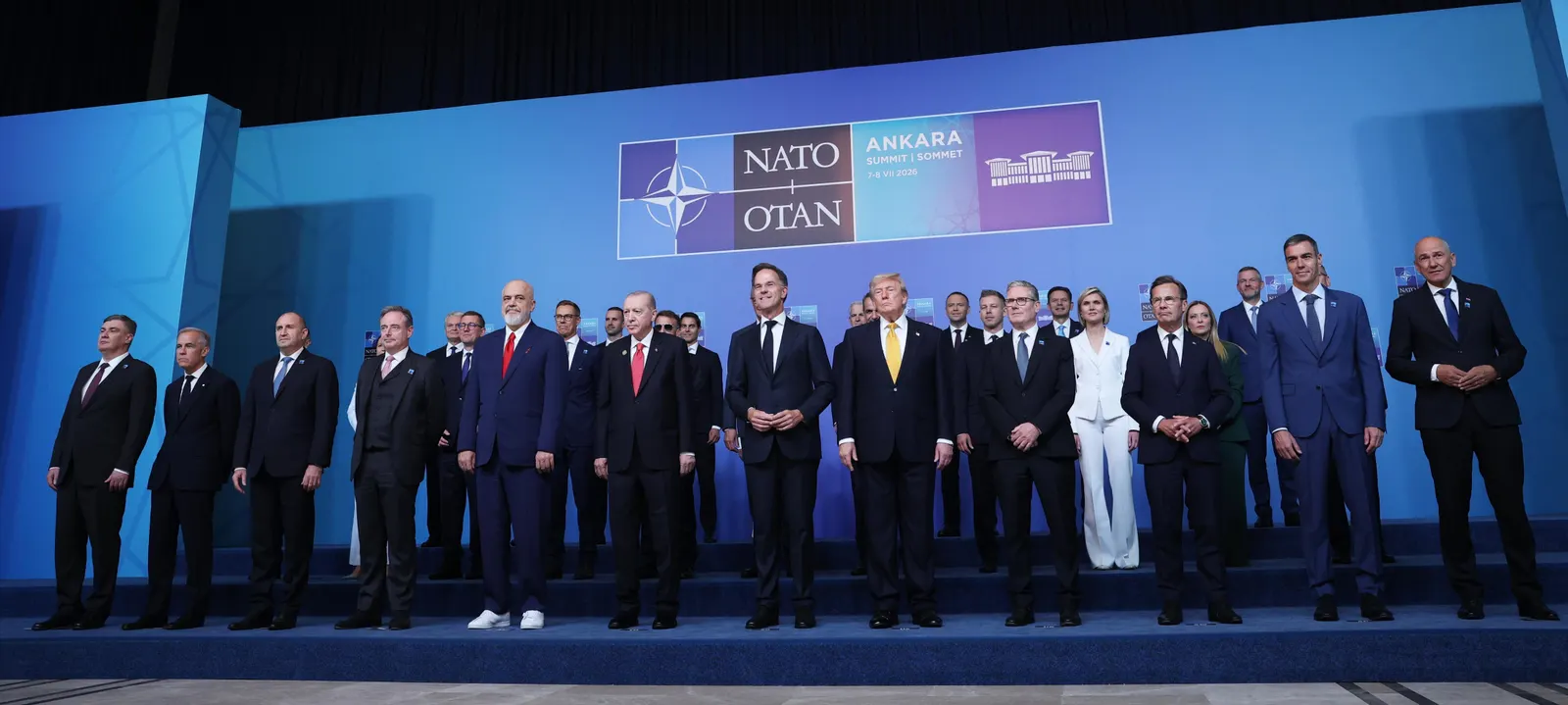
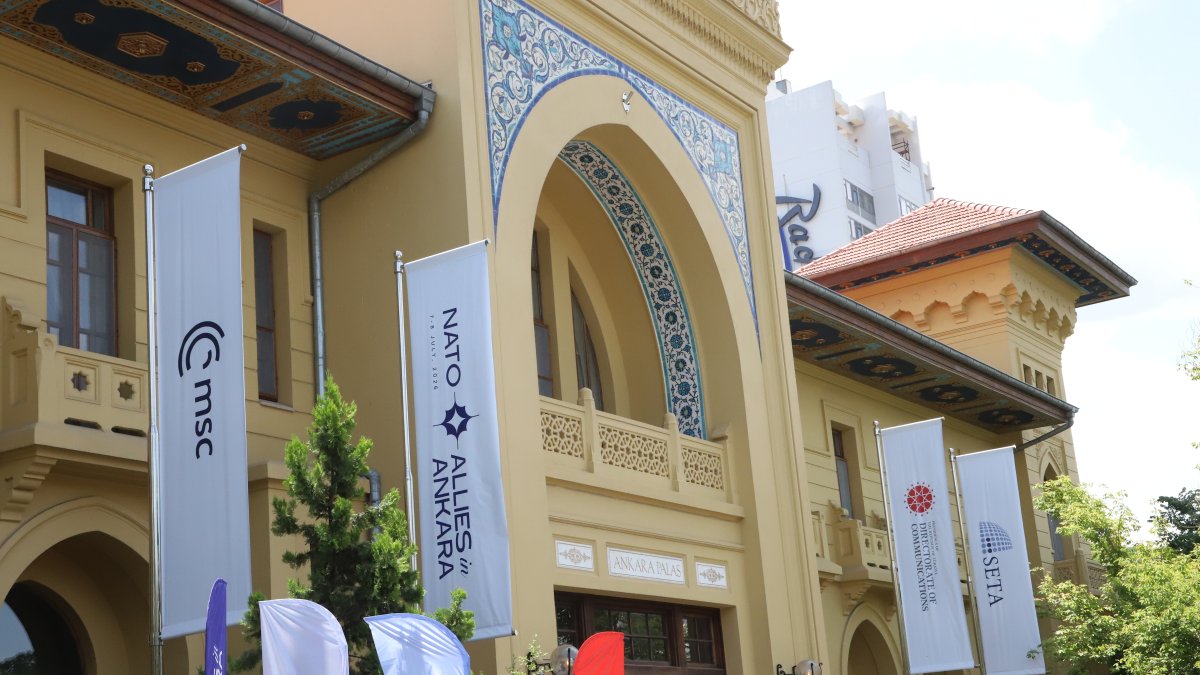
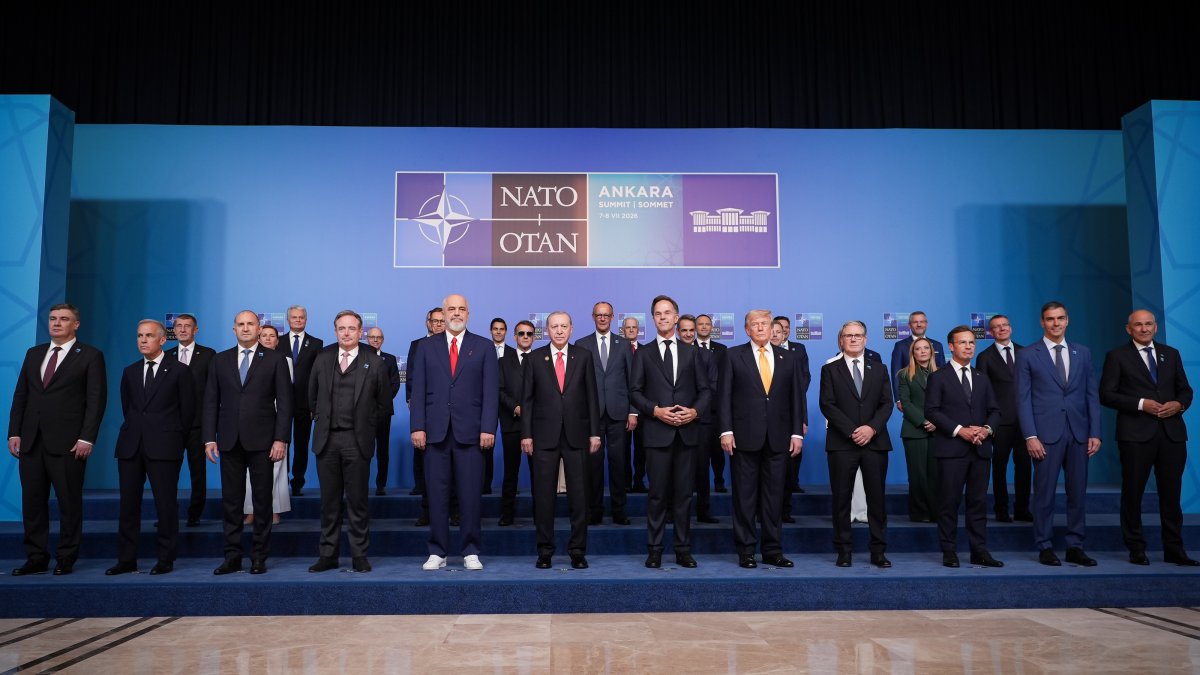
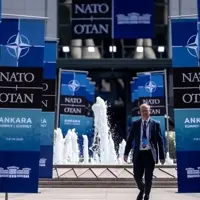
The 2026 NATO summit in Ankara was not all about politics; one aspect that made headlines was gastronomy. The summit presented a great opportunity to showcase Turkish cuisine on the international stage. State dinners and receptions at international platforms or bilateral meetings also provide opportunities to display gastronomic diplomacy. Throughout history, state dinners have always aimed to impress foreign guests. Messages are conveyed through these meals, sometimes appearing as subtle gestures, and at other times, turning into displays of power. Occasionally, when dinners are held in honor of a guest, the dishes are named accordingly. For instance, at the dinner hosted by Atatürk at Ankara Palas in 1934 in honor of Prince Gustav Adolf of Sweden, the menu featured dishes referencing both the host and guest countries, Türkiye and Sweden. The meal began with “Creamy Çankaya Soup” and concluded with “Stockholm Ice Cream,” carefully striking a balance between the two countries in the presentation of the dishes.
Displaying diversity
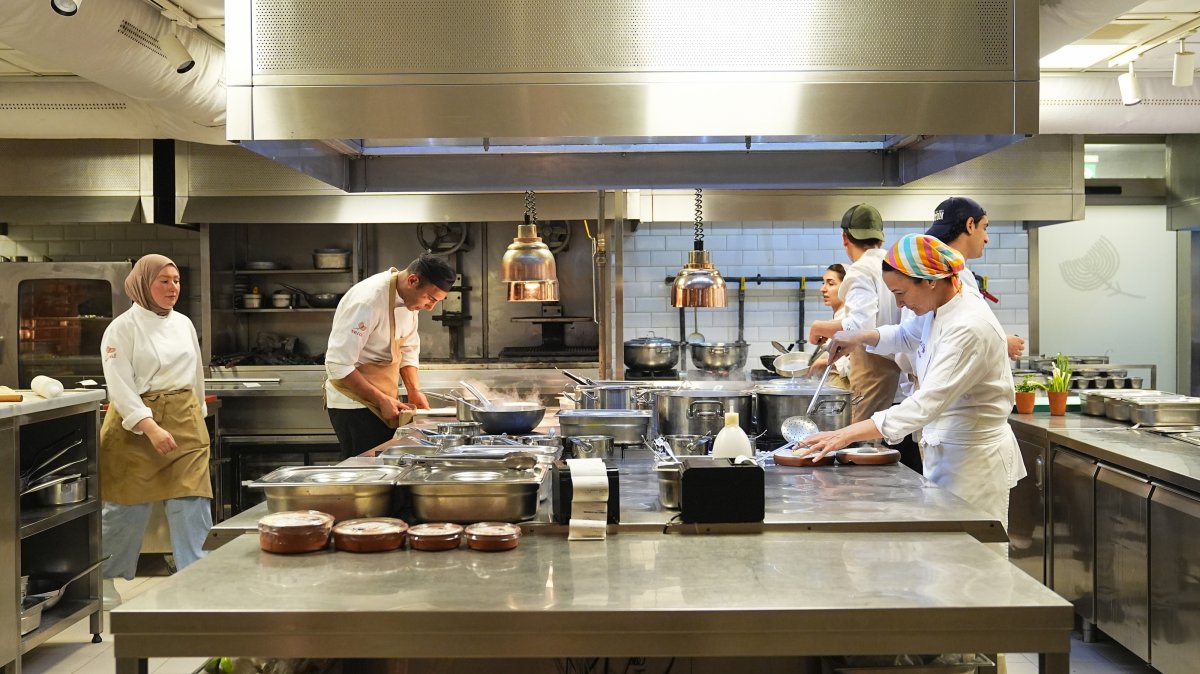
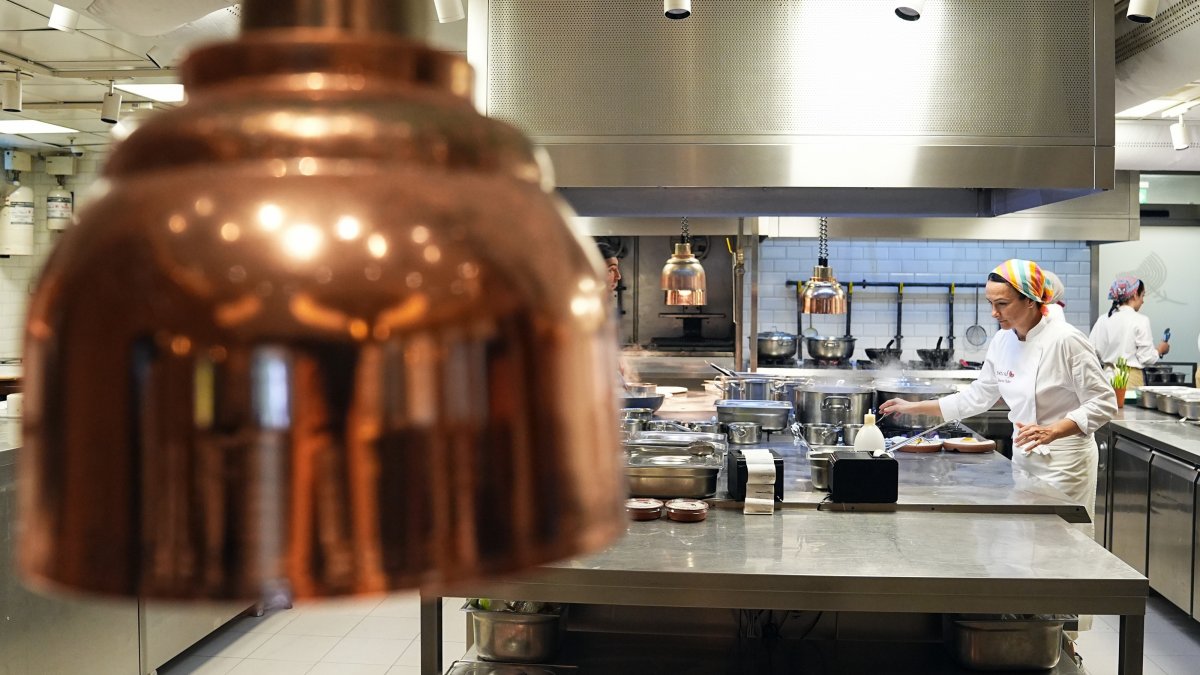
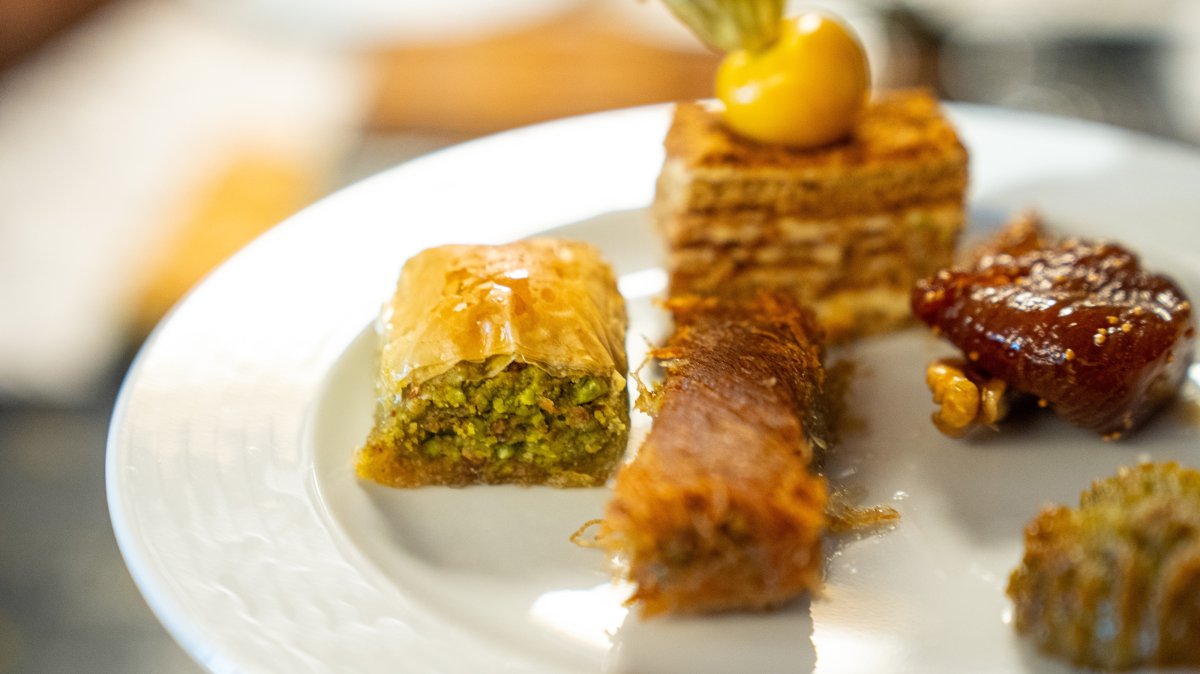
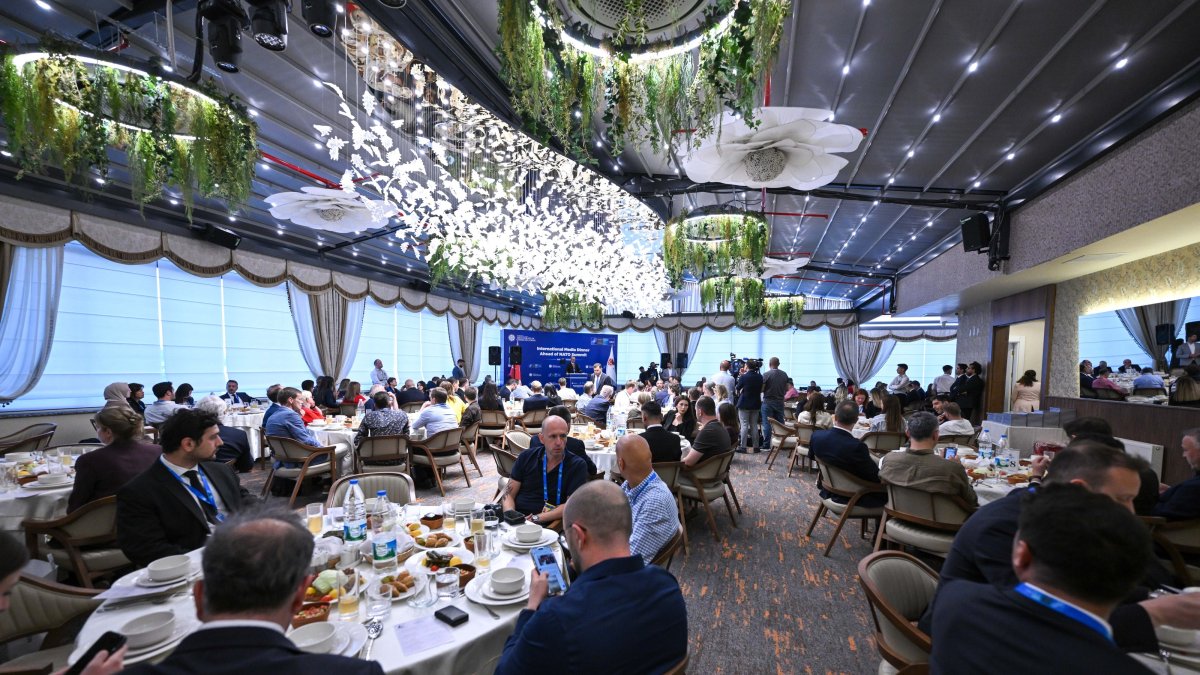
Protocol events can sometimes serve as a promotional tool. Thus, a significant opportunity to promote Turkish cuisine was effectively capitalized on at the Ankara summit, where a series of gala dinners and receptions were held over the course of four days, including special events for delegations, VIP guests, press groups, leaders and their spouses. A total of over 20,000 meals were served — effectively creating a showcase of Turkish cuisine. Gastronomy now ranks among the foremost elements of “soft power” used in promoting nations. For this reason, food culture has become one of the key tools for reflecting a country’s cultural diversity and richness.