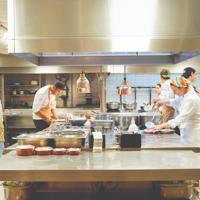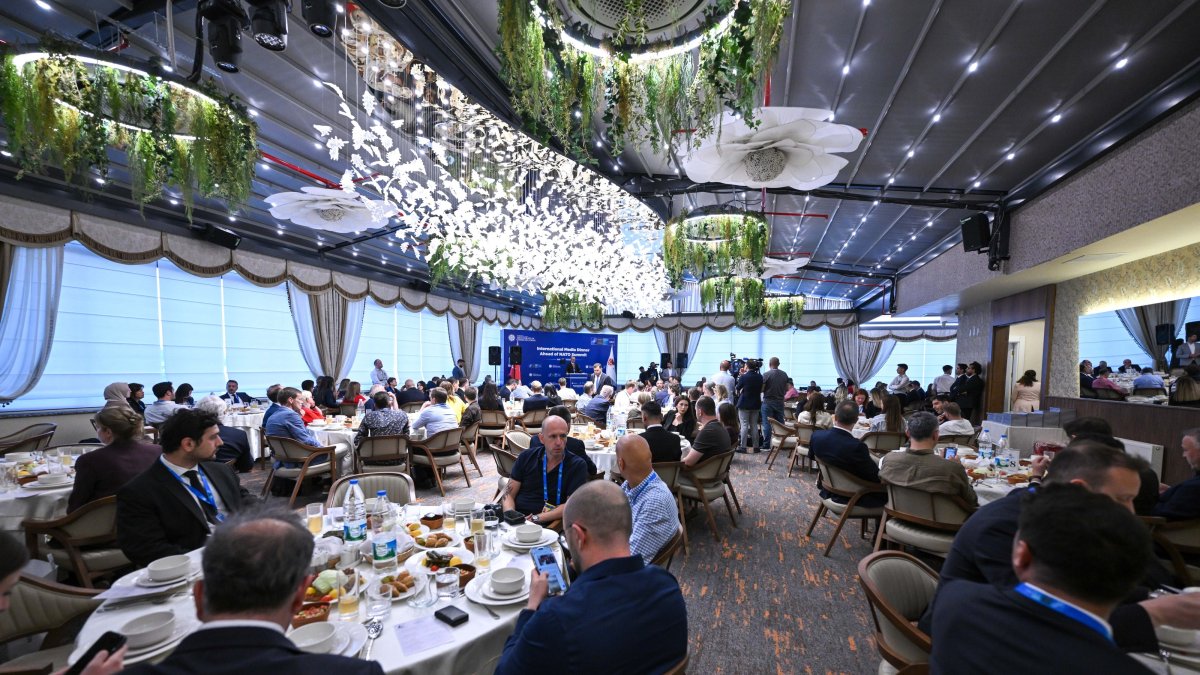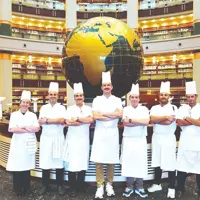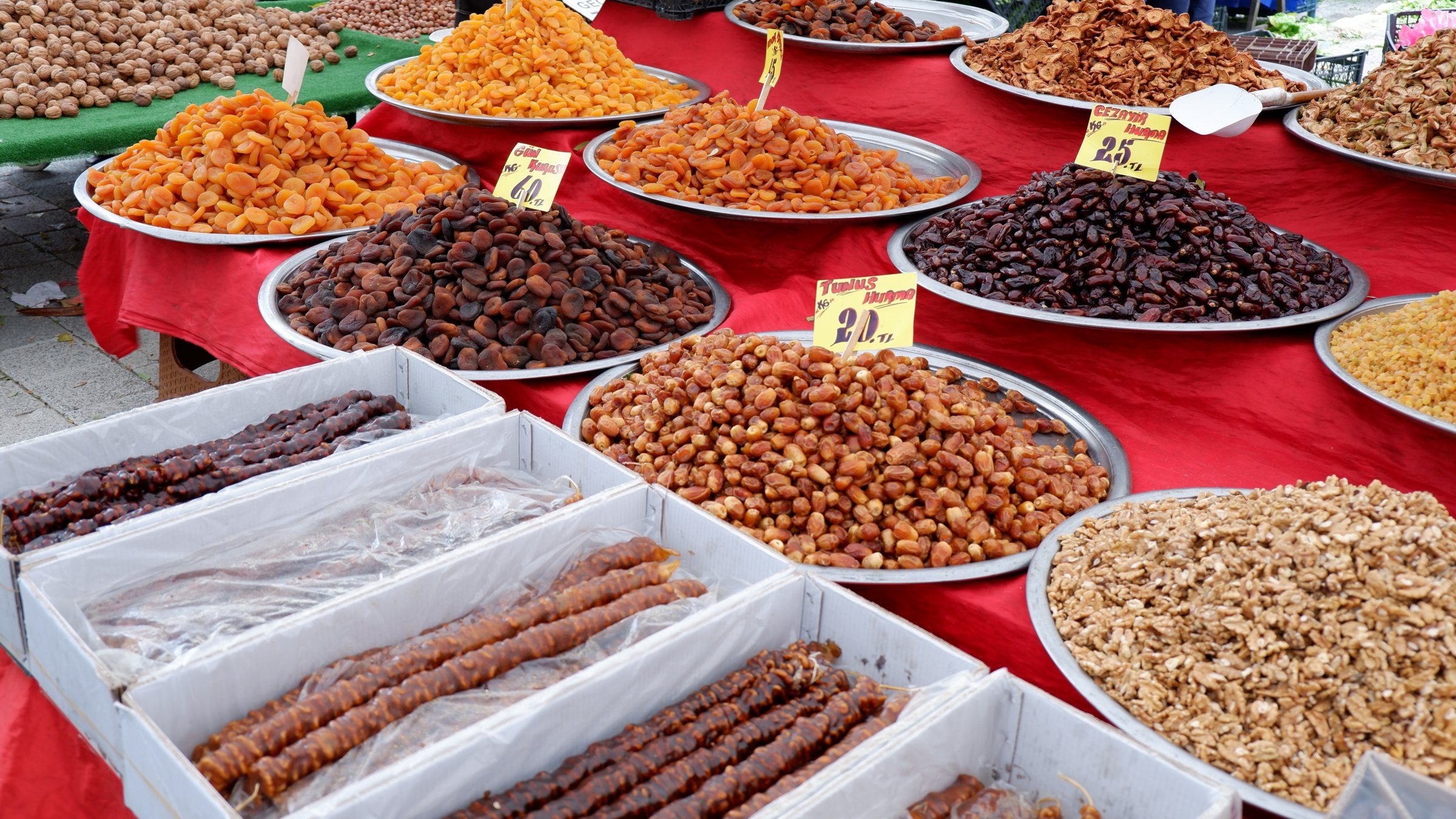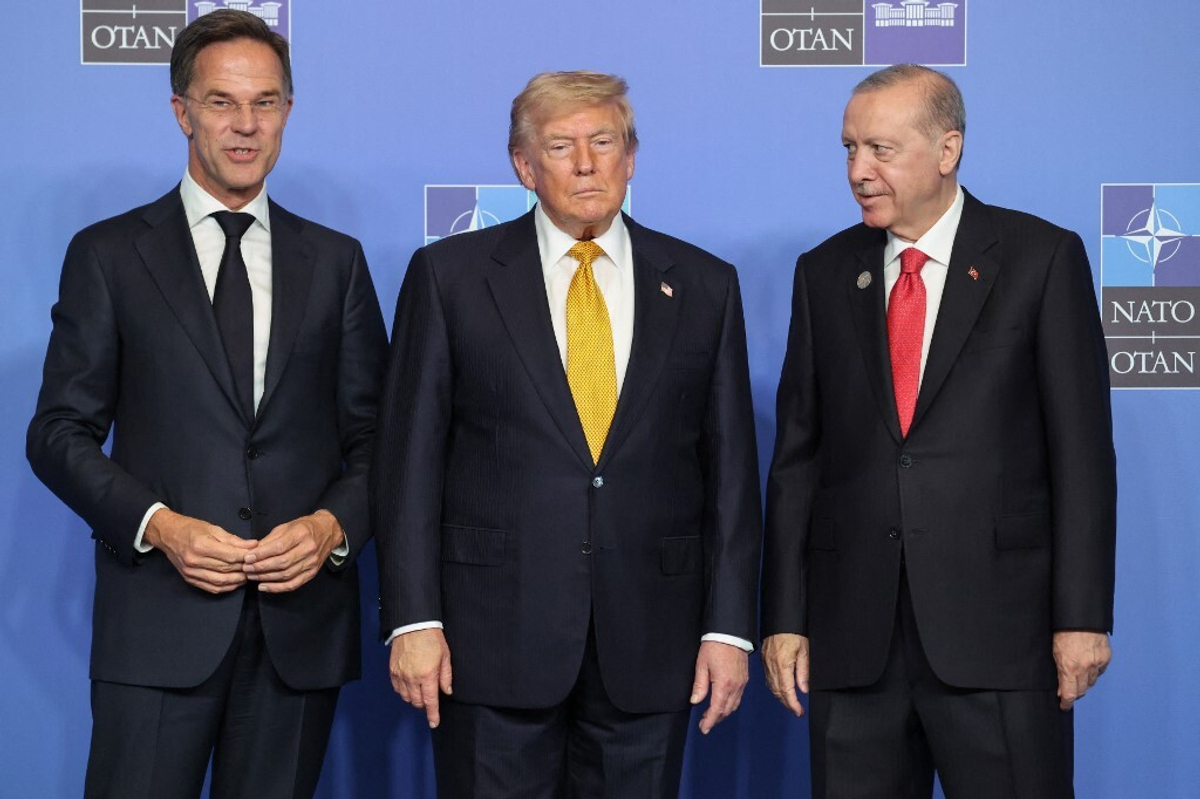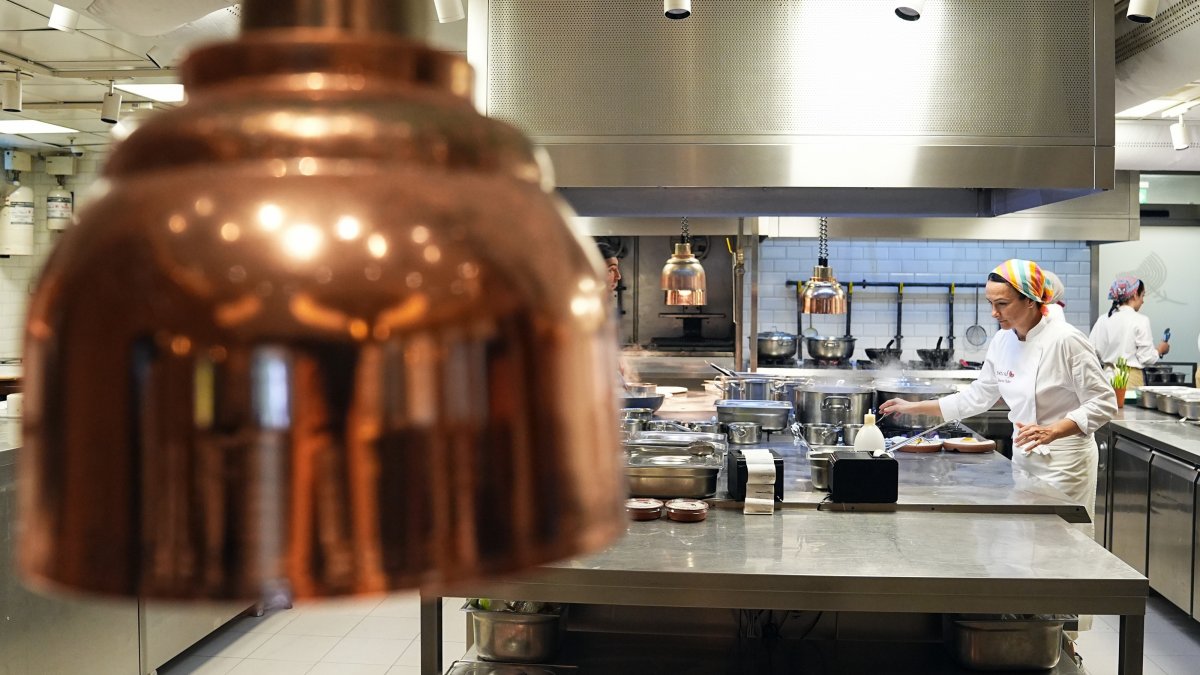
Diplomacy has a quieter dimension that rarely reaches the headlines, which is expressed through the language of gastronomy. Long before modern summits, official declarations and carefully choreographed photographs, shared meals have played a role in shaping relations between states. A formal communique may document the agreements reached by governments, but it seldom captures the atmosphere, trust and personal connections that make those agreements possible. Some diplomatic encounters endure in memory not because of what was written on paper, but because of what took place around the table.
One of those memories has never really faded from my mind. On June 14, 1996, it was my privilege to attend HABITAT II, the second United Nations Conference on Human Settlements, held in Istanbul, and its closing gala at Çırağan Palace while I was still quite young. The waitstaff moved in rhythmic, almost military cadence, each plate set down in the same synchronized motion, every gesture as precise as a drill. The food, shaped by an Anatolian tradition that Istanbul had refined over centuries, was remarkable. The late President Süleyman Demirel and the then first lady of Türkiye, Nazmiye Demirel, welcomed nearly 180 delegations that evening. Even then, it seemed that the kitchen was doing diplomatic work of its own. Looking back, that may have been my first glimpse, without yet having the vocabulary for it, of what is today called gastrodiplomacy.