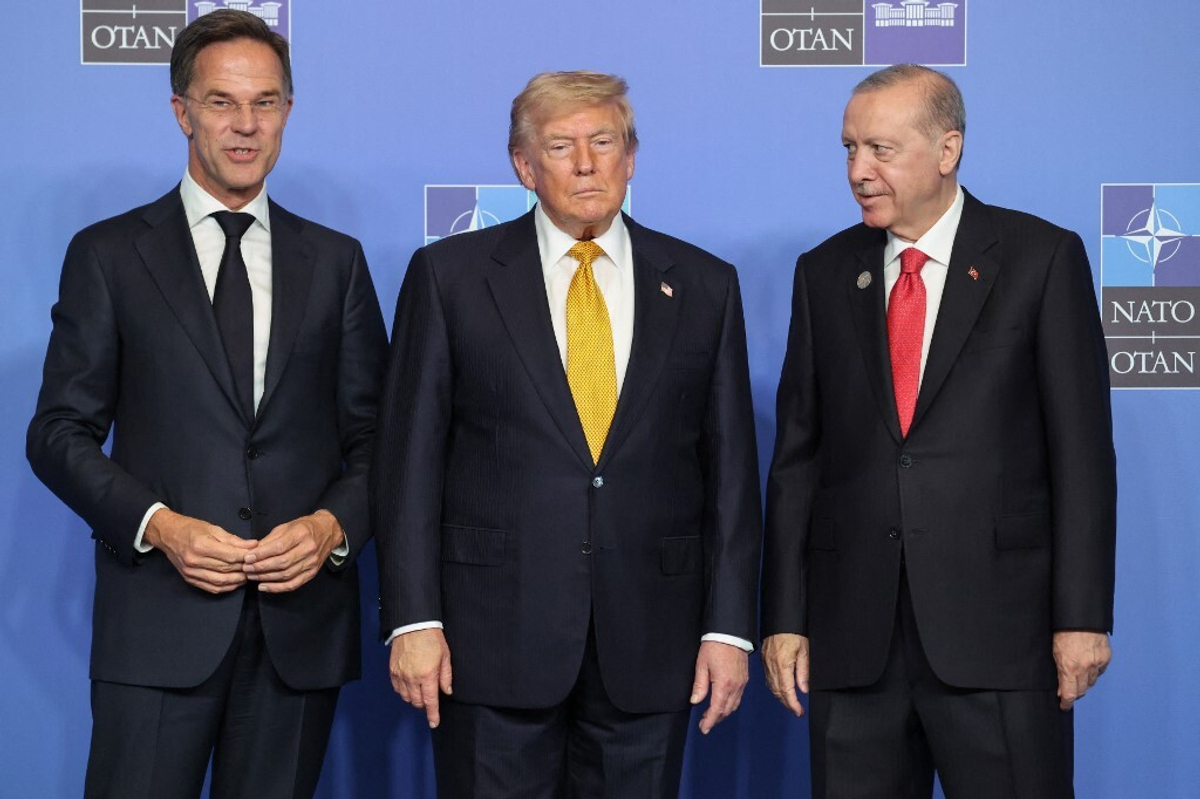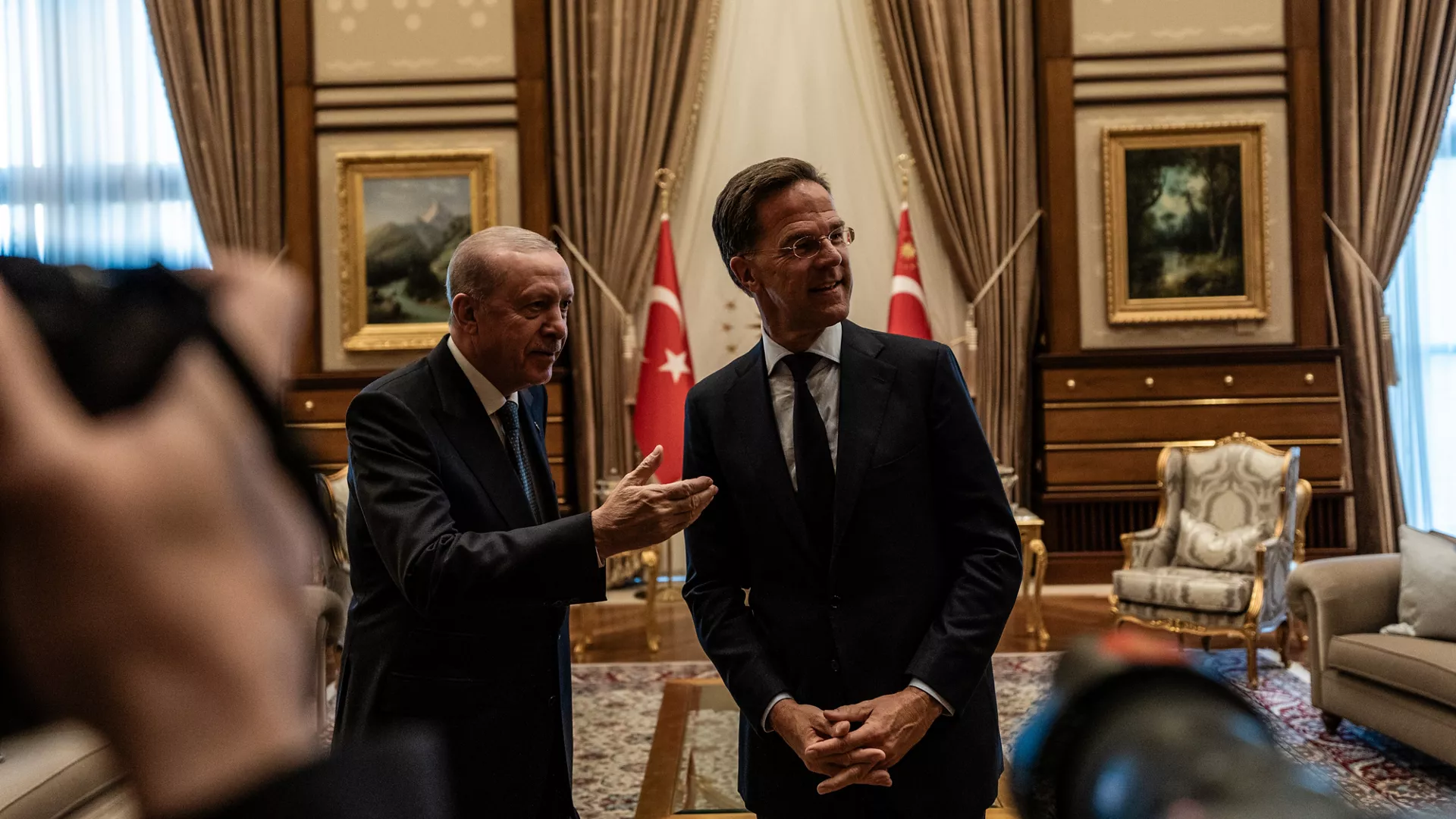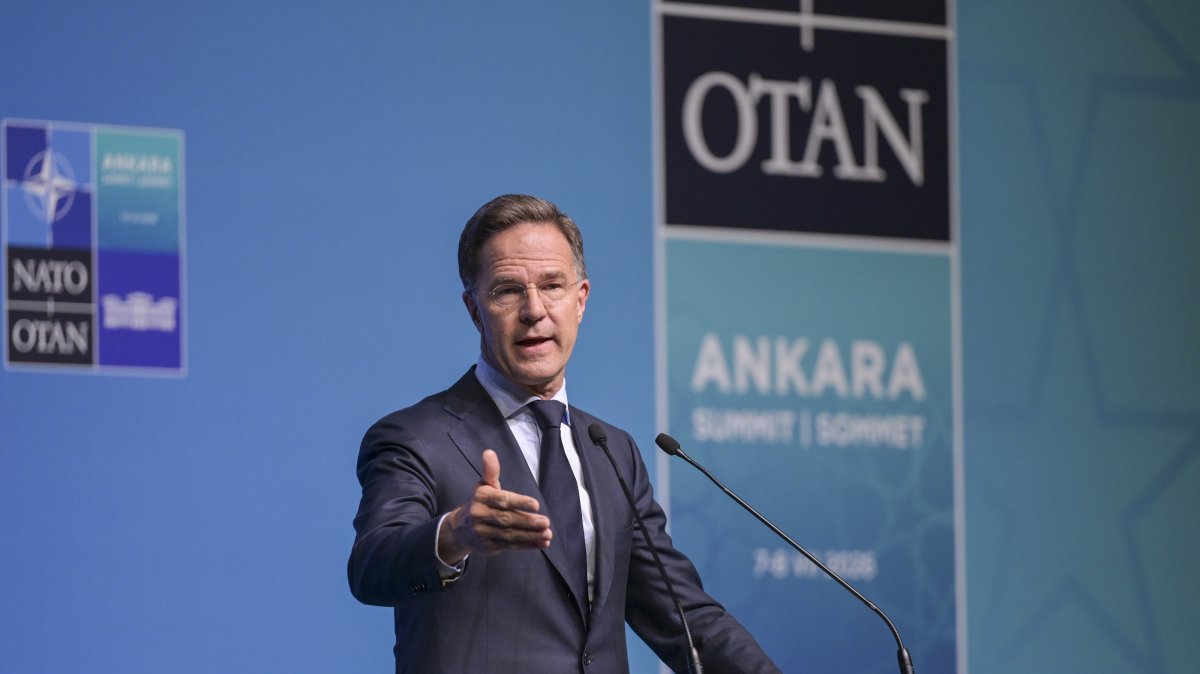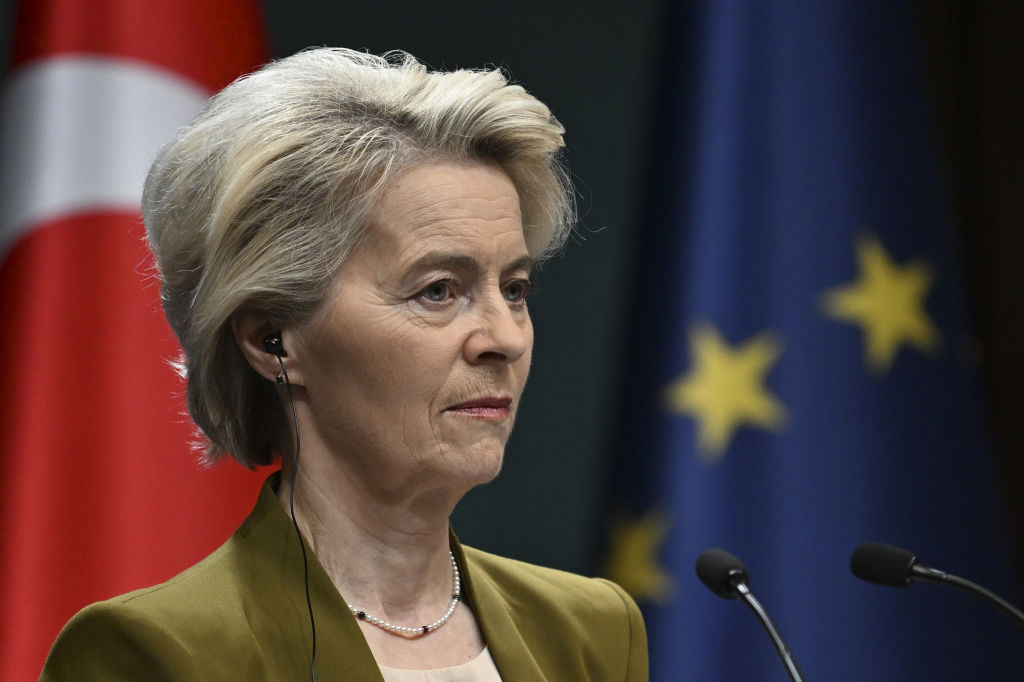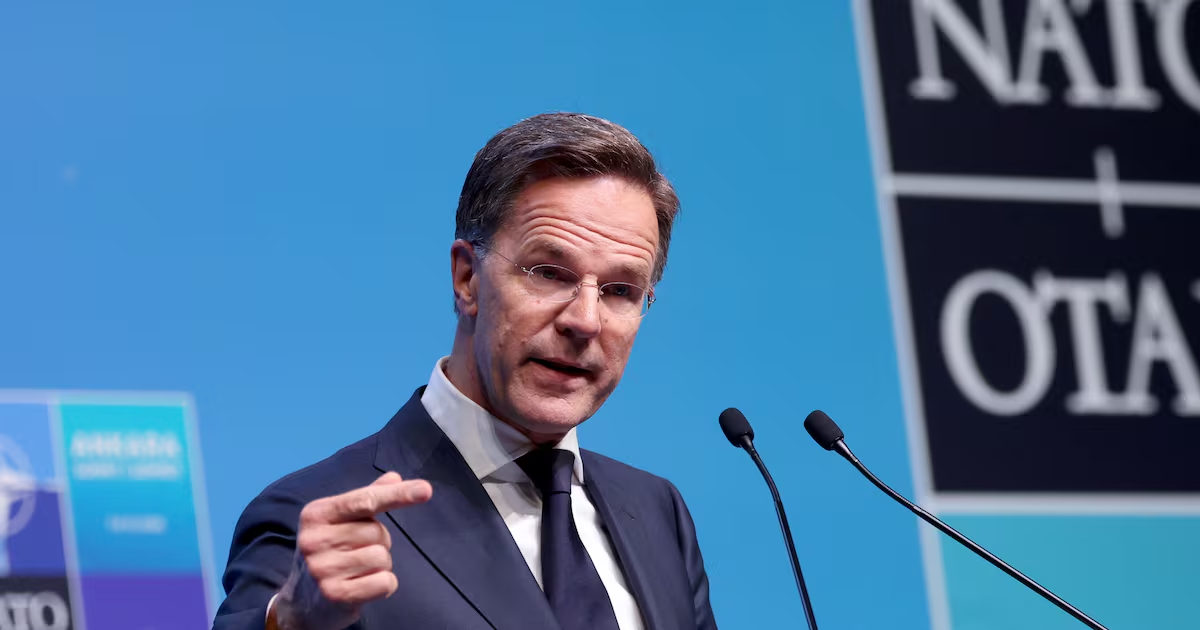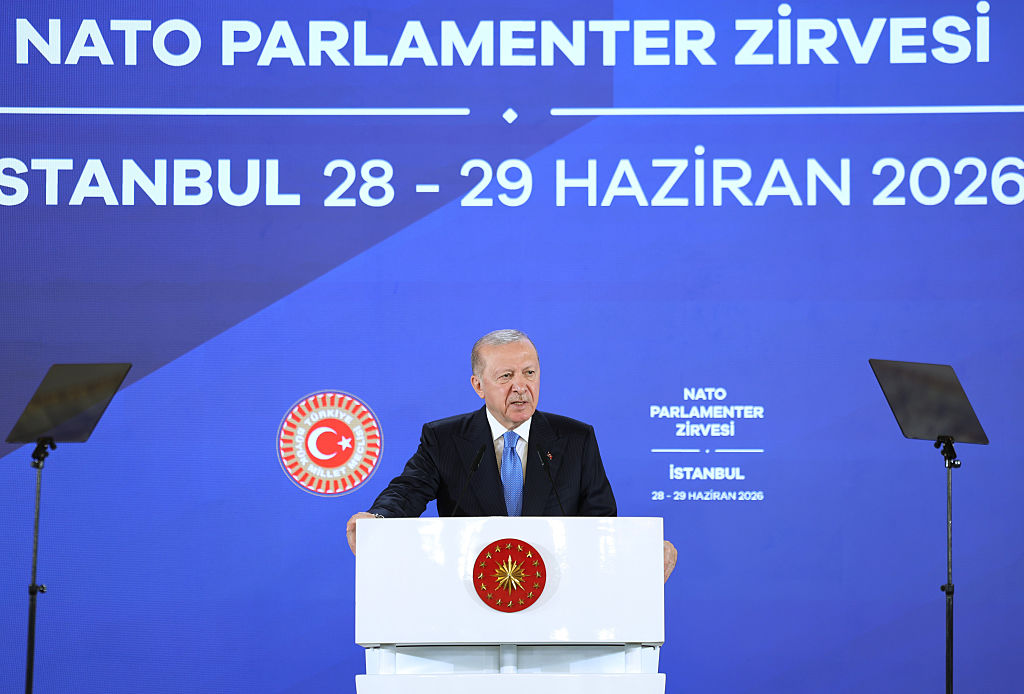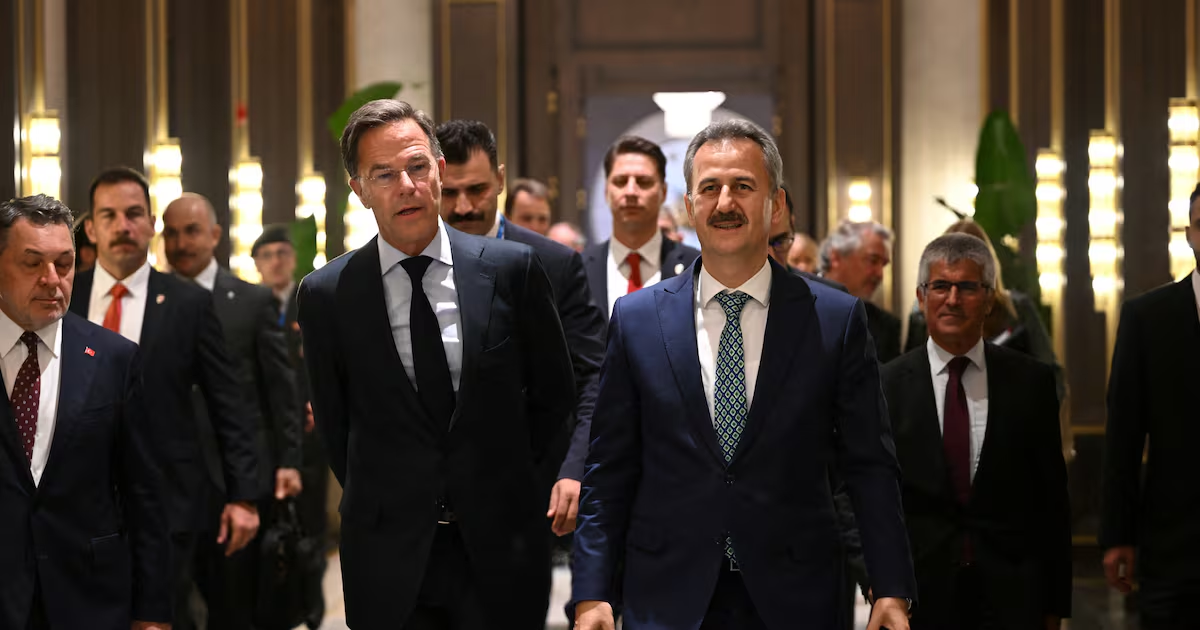
Turkey successfully hosted the Nato summit last week, which hit all the right notes, according to Nato. That was until Nato’s secretary-general, Mark Rutte, said Turkey should behave properly if it wants to avoid being attacked by Israel. Rutte’s patronising statement might have appeared to be polite and diplomatic, but it is consistent with the way that Europe has treated Turkey for more than 70 years. The Turks are not entirely innocent in this drama. Nonetheless, they have been begging to be part of Europe since the 1950s, and Europe has kept them out. But let’s return to Israel.Over the past several months, Israel openly included Turkey in its strategies of regional fragmentation and balkanisation of states and societies in Western Asia. Turkey is “the new Iran”, said former prime minister Naftali Bennett. In other words, the Israelis could do to the people of Turkey what they have been doing to the people of Iran this year. According to Rutte, Turkey should do as Israel expects to prevent being attacked.Turkey joined Nato in 1952. Nato’s principle of collective defence, codified in Article Five of the treaty, provides that if a Nato member is attacked, every other member would consider this an act of violence against all members, and the organisation would take necessary action. Except, it seems, when the attacker is Israel. Rutte does not give the same guarantee for defence of Turkey in the event of an Israeli attack. The Turks are aware of this. Earlier this year, Devlet Bahçeli, an ally of Turkish President Recep Tayyip Erdoğan, accused Israel of trying to “encircle Anatolia” and destabilise Turkey. With its constant supplication for membership to Europe since the 1950s, Turkey has consistently placed itself in a position of weakness — the outsider wanting to get in — and opened itself to instrumental exploitation. Turkey is useful for as long as it serves European geopolitical and geostrategic objectives. For instance, in 1959 it allowed the Western Alliance to place intermediate-range ballistic missiles equipped with nuclear warheads (aimed at the then Soviet Union) on its territory. That was what led the Soviets to place missiles in Cuba. Socially and culturally, Turkey is just not welcome in Europe. Politicians and prelates have stressed that Turkey’s Muslim identity clashes with the Judeo-Christian values of Europe. That was emphasised over the years by past European leaders such as French president Valéry Giscard d’Estaing and German chancellor Helmut Schmidt and, more recently, by Cardinal Joseph Ratzinger before he became Pope Benedict XVI. The cardinal said Turkey should join forces with its own people (Muslims) and not seek to join the European world. EU president Ursula von der Leyen echoed this sentiment on June 13 2022 when she said, “Europe is the values of the Talmud, the Jewish sense of personal responsibility, of justice and of solidarity.” She more recently situated Turkey in an axis with Russia and China.And so, the EU/Israel twin represents a kind of Odyssean figure to Turkey. Homer let us believe that Odysseus was a hero, while Sophocles and Euripides, and probably Virgil, too, described Odyssean behaviour as the perfect example of a cynical, unprincipled opportunist who switches moral allegiances, reneges on his promises and abandons his identities — and discards allies the moment they are no longer useful. In the rush to ingratiate itself with the West, Turkey recognised Israel in 1949 and bent over backwards to accommodate Nato’s demands. In return, the Europeans have used Turkey for their own purposes. It is a warrior when the Europeans need it to be and a dead weight when the West decides.Staying with Greek mythology and reading Sophocles on Philoctetes (and hoping I get things right), it’s hard to shake off the sense that Turkey has been a victim of instrumental exploitation. Stripped of autonomy and intrinsic value, it has been a mechanical means to Europe’s ends. Although, unlike Philoctetes, Turkey is not quite crippled and helpless — and does not seem to be aware that it has been betrayed. The way out for Turkey would be to abandon its aspirations to be European, which is hard to imagine. The Europeans are still smarting over the Siege/Relief of Vienna in 1683. In his objections, the former EU commissioner Frits Bolkestein warned that allowing Turkey into Europe would signal that the relief of Vienna “would have been in vain”. For the Turks, it seems that being European is more important than being alive and well and living in Turkey. • Lagardien, an external examiner at the Nelson Mandela School of Public Governance, has worked in the office of the chief economist of the World Bank and the secretariat of the National Planning Commission.Business Day
ISMAIL LAGARDIEN | Turkey serves Nato well, but Europe keeps the door shut
West’s relationship with Ankara has long been shaped by strategic convenience rather than genuine partnership
780 words~4 min read