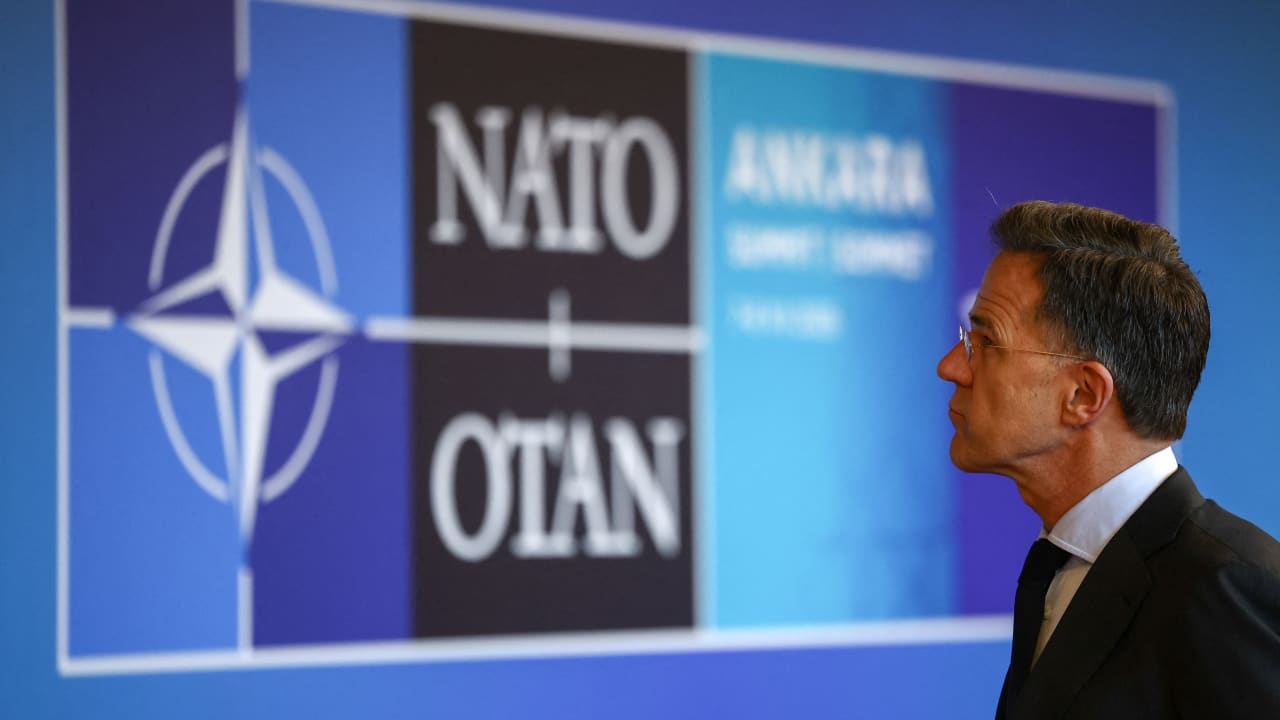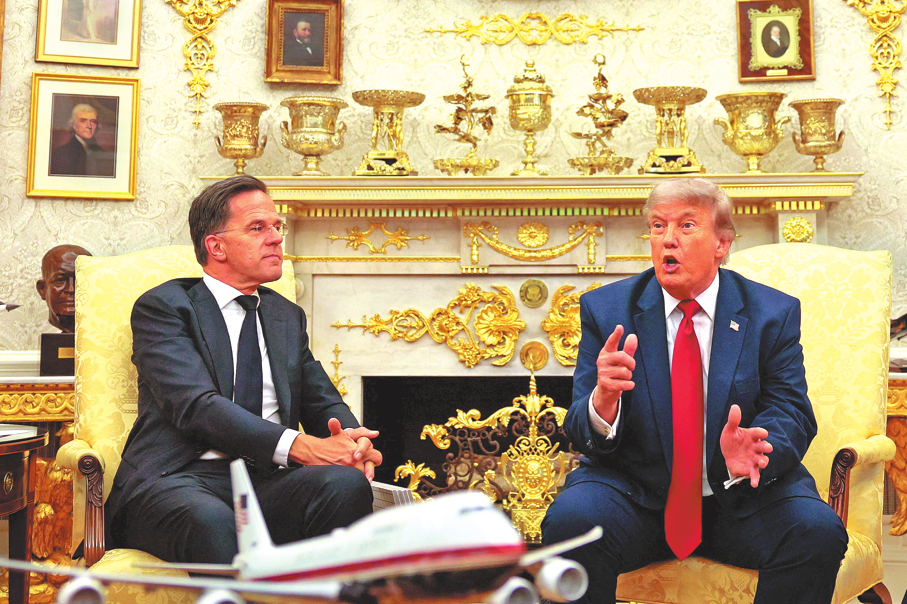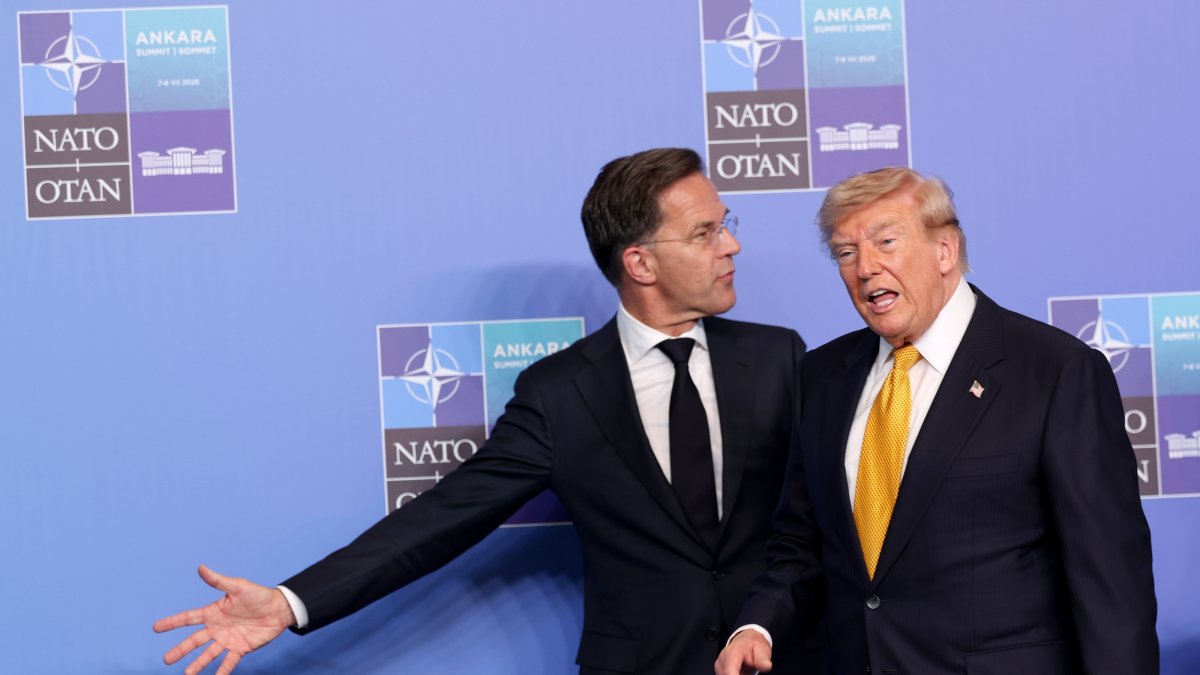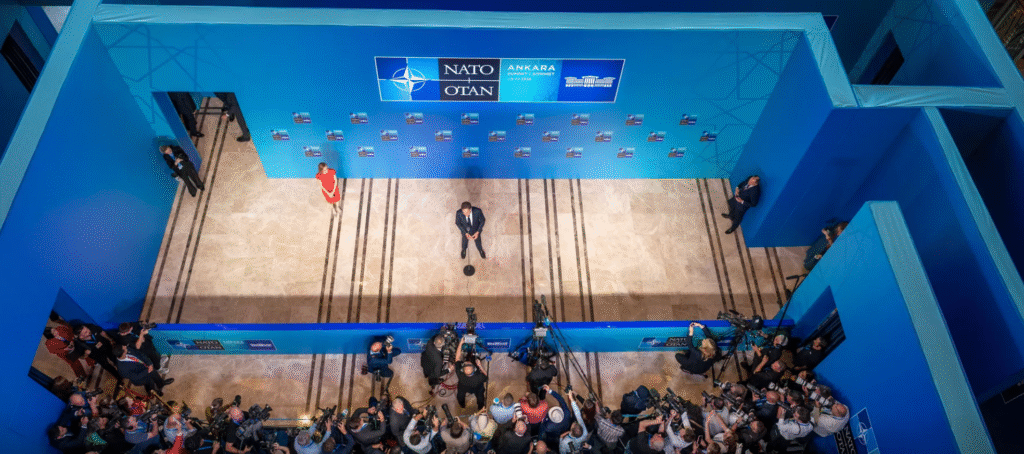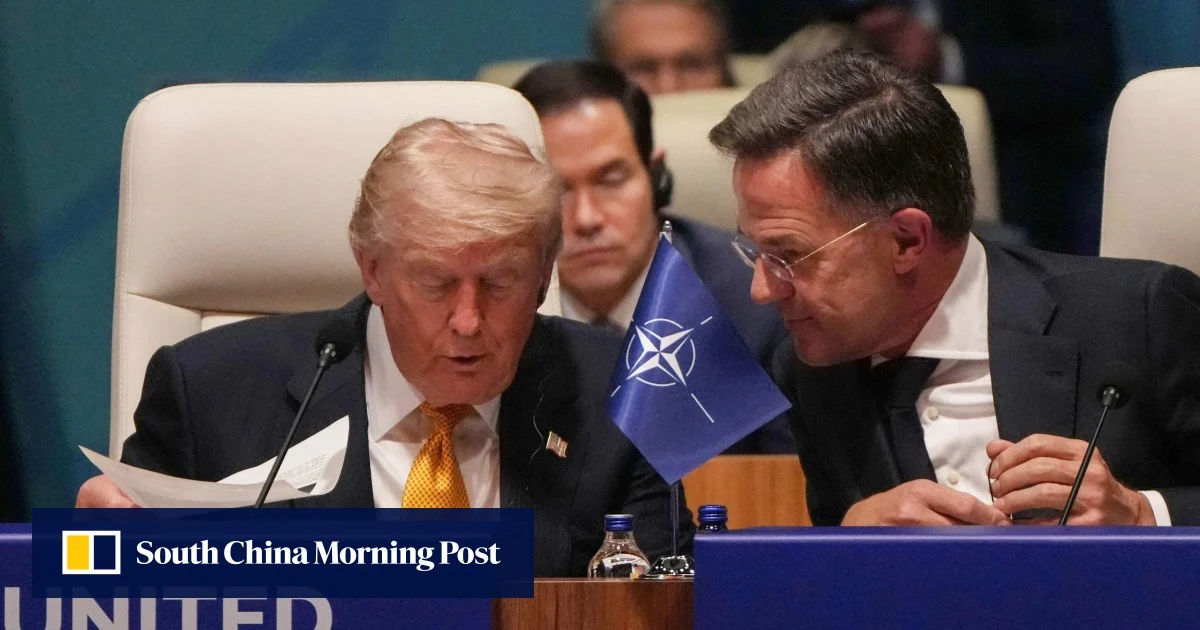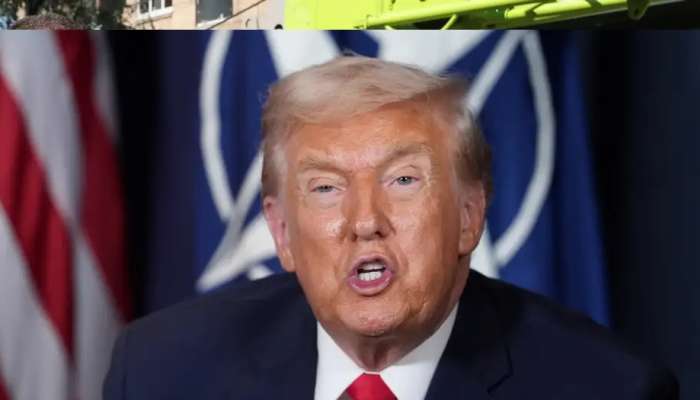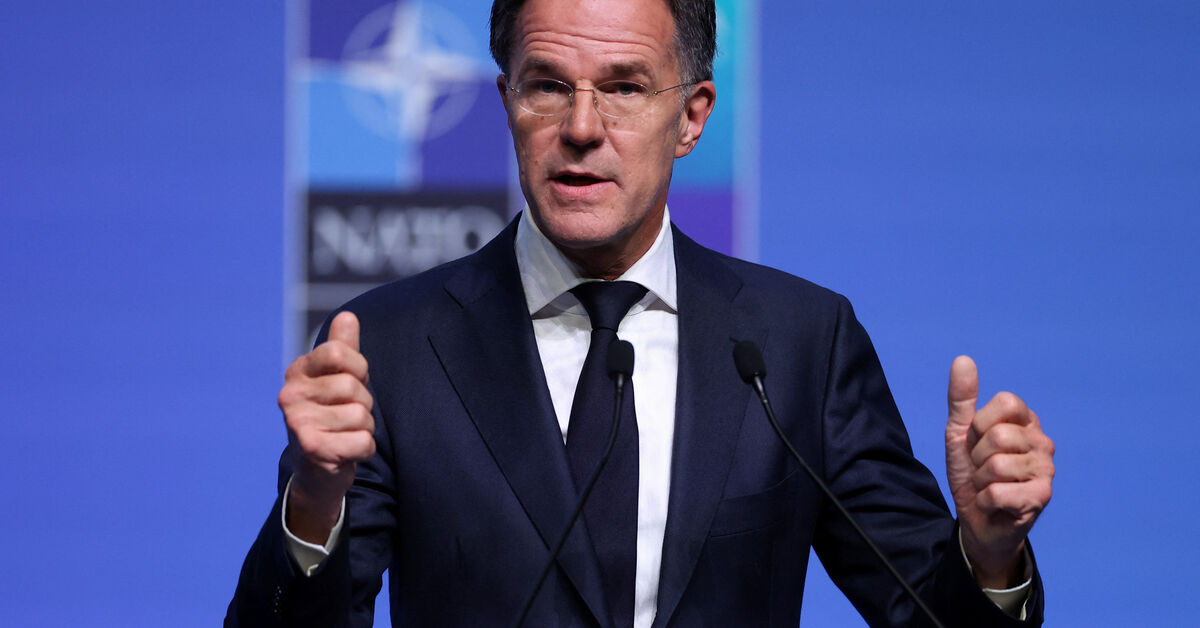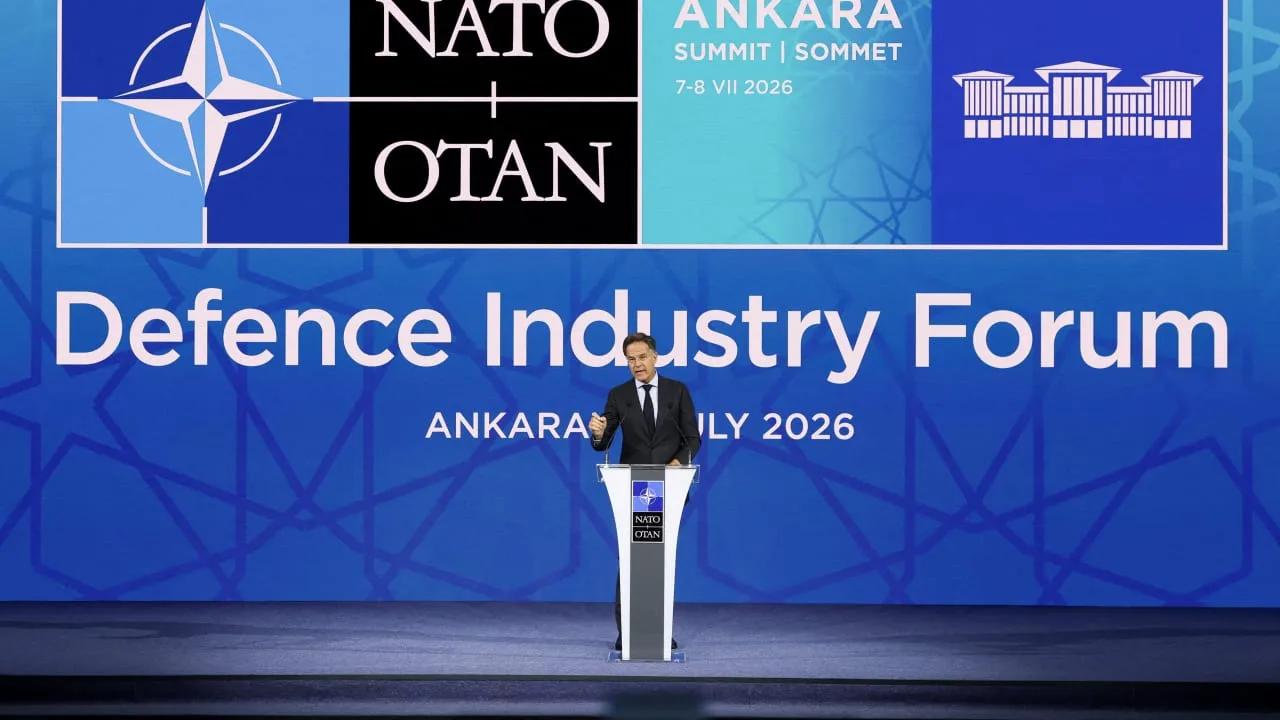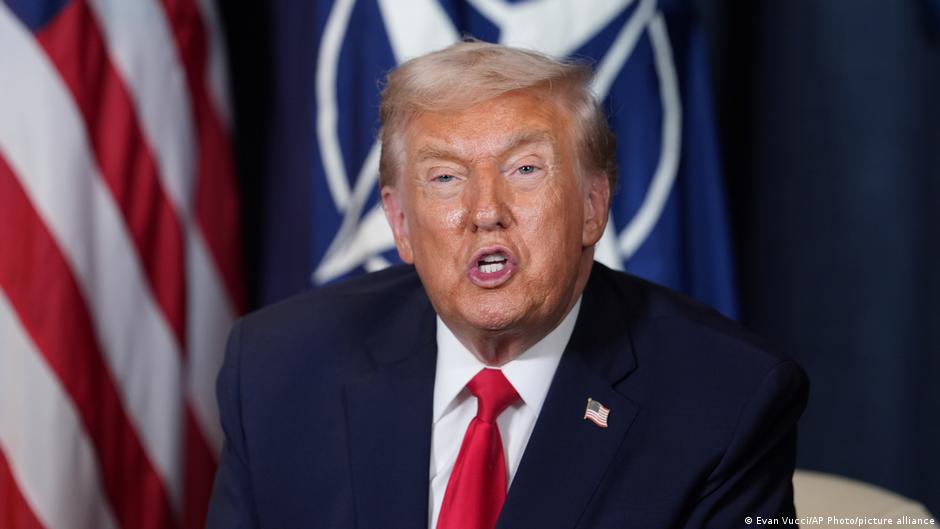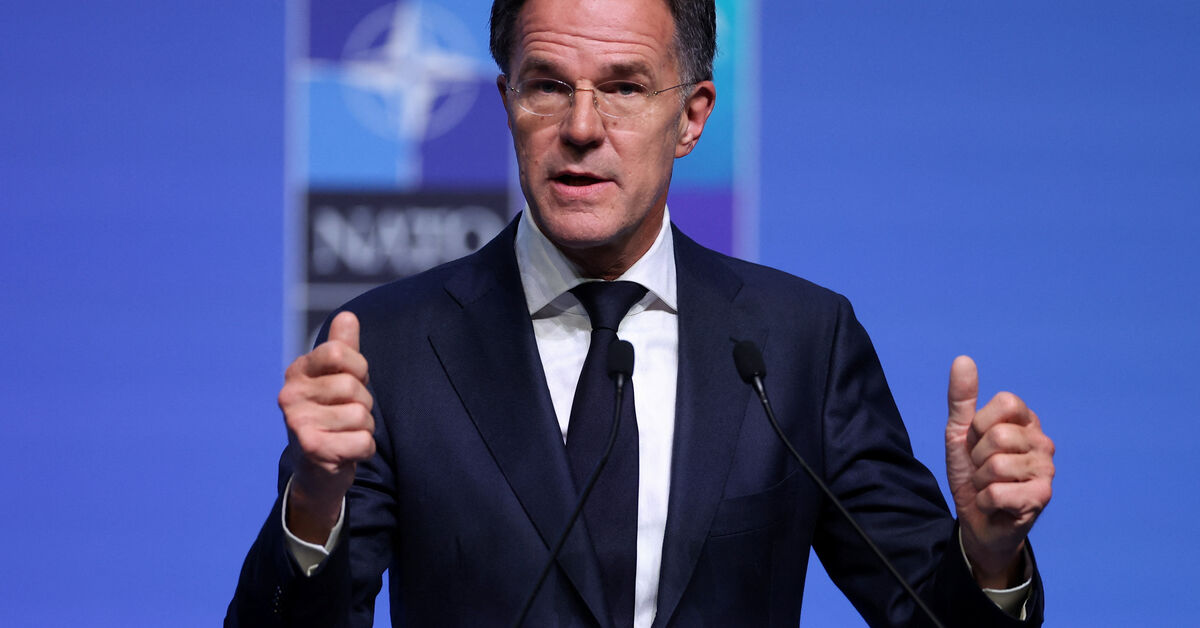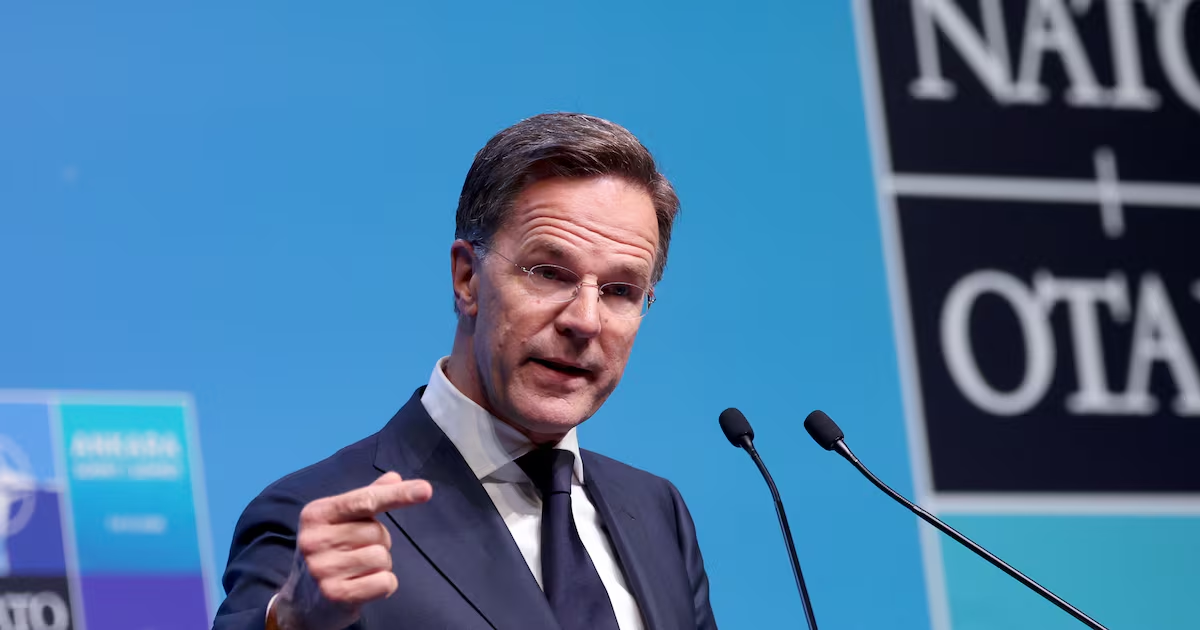
Nato Secretary General Mark Rutte has expressed confidence that Turkish President Recep Tayyip Erdogan will prevent rising tension with Israel from escalating into a wider regional conflict, describing Ankara as the alliance's primary crisis manager in the Middle East.Speaking in Ankara, where he is leading the defence alliance summit, Mr Rutte dismissed concerns that a potential clash involving Turkey, Israel and Syria could trigger Nato’s Article 5 mutual-defence clause, stating that Mr Erdogan was unlikely to be drawn into a confrontation."President Erdogan is an extremely wise president, and I completely concur also with what President [Donald] Trump said about Erdogan, that he is a wise leader," Mr Rutte told On The Record with Hadley Gamble. "He has been there for years in this role and in his job. He’ll avoid getting into a situation which gets out of hand.”The Nato chief's remarks come amid sharpening rhetoric from Ankara. Turkish Foreign Minister Hakan Fidan recently criticised Israel's military actions in Gaza, Syria and Iran, warning of broader systemic risks to global stability."These people have become a burden that humanity can no longer bear," Mr Fidan told CNN Turk and called Israel "not only Turkey’s problem, but a problem for the entire world," while urging the international community to impose sanctions and increase diplomatic pressure.When pressed on how Nato would respond if Israeli Prime Minister Benjamin Netanyahu made a wider conflict unavoidable, Mr Rutte declined to speculate, choosing instead to highlight the origins of the ongoing cycle of violence."Let me not speculate on that, because in the end, let’s not forget what happened on the seventh of October 2023. This terrible attack by Hamas on Israel, so it started not with Israel," he said.Mr Rutte’s diplomatic mission to Ankara took place against a backdrop of severe regional volatility, coming after renewed US air strikes on Iran and US President Donald Trump declaring that "the deal with Iran is done”.While acknowledging that Nato remains in close contact with its partners in the Arabian Gulf, Mr Rutte ruled out any direct military intervention by the alliance in the Middle East."We had a meeting yesterday with four of the GCC partners, GCC parties, which are members of the ICI group, so the Istanbul group," Mr Rutte said, referring to the UAE, Bahrain, Kuwait and Qatar."We are basically working closely together to see wherever Nato can be helpful, but obviously it is outside Nato territory, so for Nato to really get involved, of course, always willing to help, but that has to be a decision.”'Trump's commitment to Nato is total'On the internal dynamics of the 32-member alliance, Mr Rutte strongly defended Mr Trump’s long-standing demands for European member states to increase their domestic defence budgets."His commitment to Nato is total," Mr Rutte said of Mr Trump. "But he has this huge issue, which is in the US system, basically since Eisenhower, that is, that the deal is not fair. It is the US spending so much money on defence, and then it’s the Europeans and Canadians not stepping up."Mr Rutte credited the US administration with forcing a historic shift in allied spending. Since Mr Trump’s first term, defence expenditure by European members and Canada has surged, accelerating rapidly over the last year."It is at a staggering amount, $250 billion in two years extra defence spending by the Canadians and Europeans," Mr Rutte said.However, he warned that increased budgets must urgently translate into industrial output and recruitment, and that the west is currently failing to manufacture adequate numbers of weapons. He called for deeper transatlantic co-production, suggesting European defence companies should invest in production lines within the US, while American companies build advanced systems—such as Tomahawk cruise missiles—on European soil.Mr Rutte also raised concerns over Europe's industrial readiness for a protracted conflict and warned that its energy infrastructure is ill-prepared. Drawing comparisons to the 1991 Gulf War, he said that the fuel consumption required for modern air superiority vastly exceeds current European reserves.Play00:41'We weren't treated well': Trump criticises Nato allies over Iran"We have to be careful that we maintain a certain level of production capacity of refineries, so that we can support the war effort, if that will be necessary," he said. "We are closing more refineries in Europe than opening."European officials are reviewing these logistical vulnerabilities, he added, particularly in relation to potential disruptions in the Strait of Hormuz.War in UkraineOn the war in Ukraine, which has now entered its fourth year, Mr Rutte defended Kyiv's strategy of launching deep strikes into Russian territory, claiming they are severely disrupting Moscow's logistics and economy."Ukrainians are very successful in hitting deep into Russia, the energy and also defensive industrial base infrastructure," he said, pointing to intelligence reports of fuel shortages and stating that Russia was "losing about 30,000 of his own, primarily young men" in the hostilities.Nonetheless, the Nato chief aligned himself with Mr Trump’s renewed push for a negotiated settlement to bring the war to an end."Let’s pray sooner rather than later, but it is worse now going on for more than four years, so it is very difficult to predict," Mr Rutte said. "But I am totally with President Trump, that we should try to do everything now to bring this to a peace.”
Erdogan can help restrain Israeli aggression, says Nato chief Mark Rutte | The National
Secretary General backs US President Donald Trump’s calls for greater defence spending
868 words~4 min read