PLUS: Canadian/Bhutanese datacenter for India; China re-uses a rocket; Australia signals AI intervention; And more!
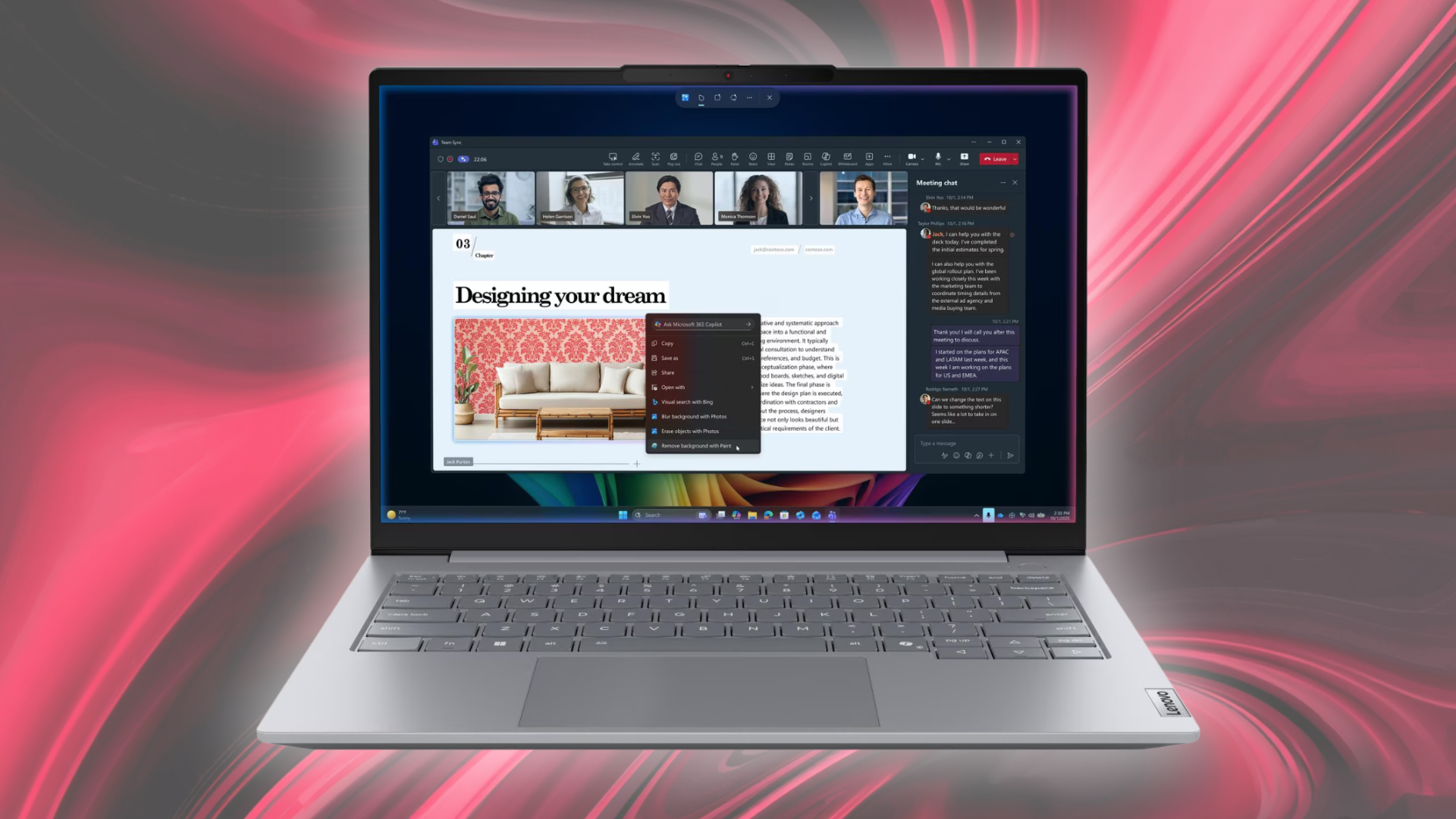
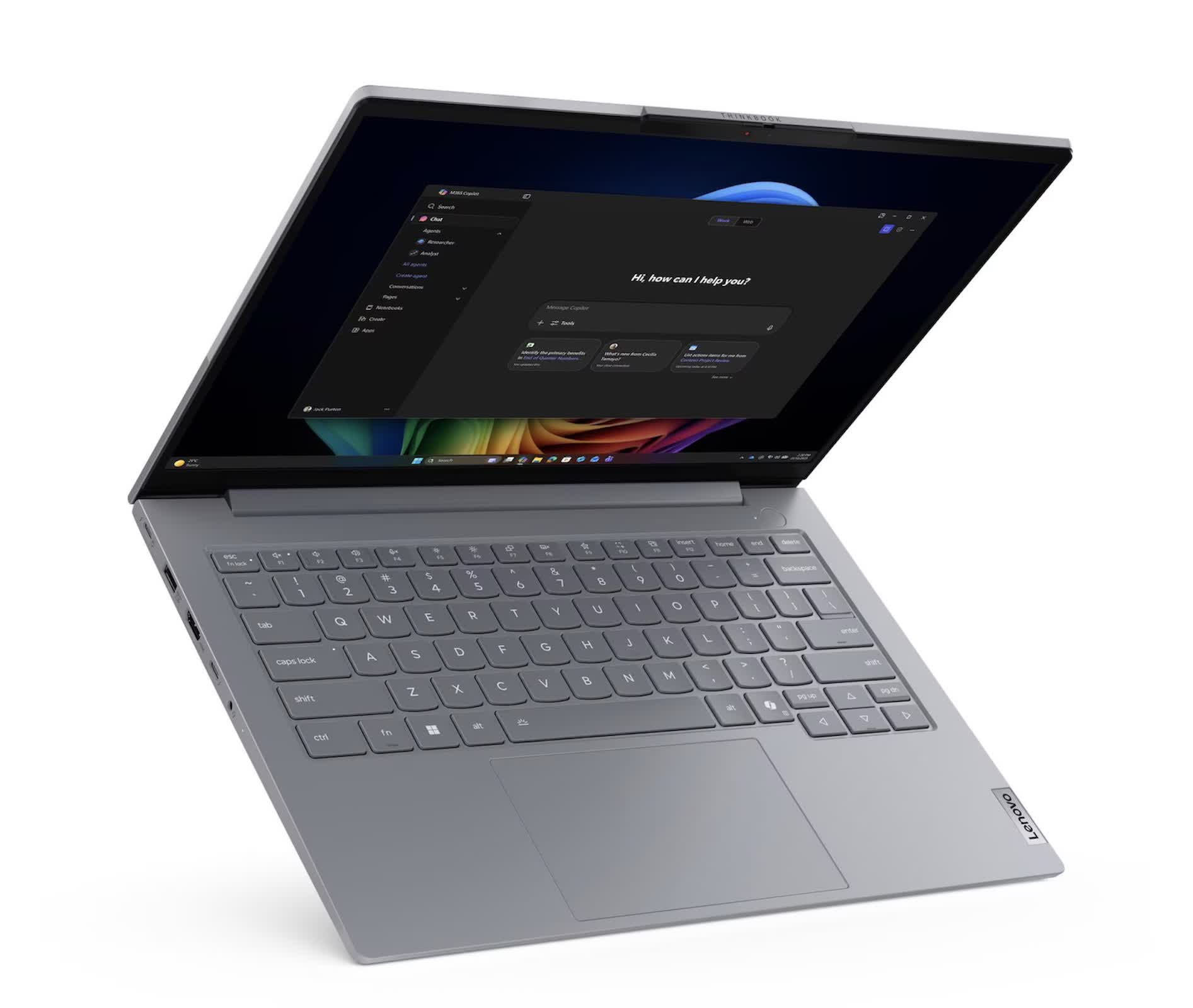
ASIA IN BRIEF Lenovo has denied it sells laptops that include banned Chinese storage devices where they're not allowed.An outlet called Notebookcheck recently reported that it a ThinkBook 14 G9 IPL and found a solid-state disk made by Chinese company YMTC inside. Some observers joined the dots and decided the laptop could be a problem for Lenovo because a Biden administration decision saw the US ban the company on national security grounds.Lenovo dug into the matter and found the laptop in question was not sold into the US market, but was a model destined for Germany. As Notebookcheck’s headquarters is Romania, and the team responsible for the review are in Austria, a made-for-Germany laptop crossing one of the European Union’s internal borders is a long way short of a scandal.
Lenovo’s use of a Chinese SSD is, however, notable for two reasons.
One is that Beijing encourages Chinese companies to buy from their local peers.The other is that the AI boom has sent prices for memory and storage devices soaring, and YMTC is one of few alternatives to leading suppliers Samsung, Micron, and SK Hynix. Apple reportedly wants the Trump administration to reconsider the USA’s ban on YMTC, to help it find the parts it needs to keep cranking out iThings.China recovers a rocket for the first timeChina’s National Space Agency (CNSA) last Friday recovered the first stage of a rocket for the first time.The Agency announced it used a ship-borne net to catch the first stage of a Long March-10B carrier rocket that launched a satellite, then guided itself to safety.SpaceX has been doing this for years, because re-using the first stage of a rocket saves a lot of money. China naturally wants the same capability as it will advance its commercial and national security interests.Japan has the same ambition and on Saturday conducted a successful test of a rocket that took off, reached an altitude of 11 meters and hovered there briefly before settling back to Earth without incident.In other China space news, CNSA announced its Tianwen-2 probe arrived at asteroid 2016HO3, pulling to within 20 kilometers of the space rock on a mission that aims to retrieve a sample of the object and return it to Earth.