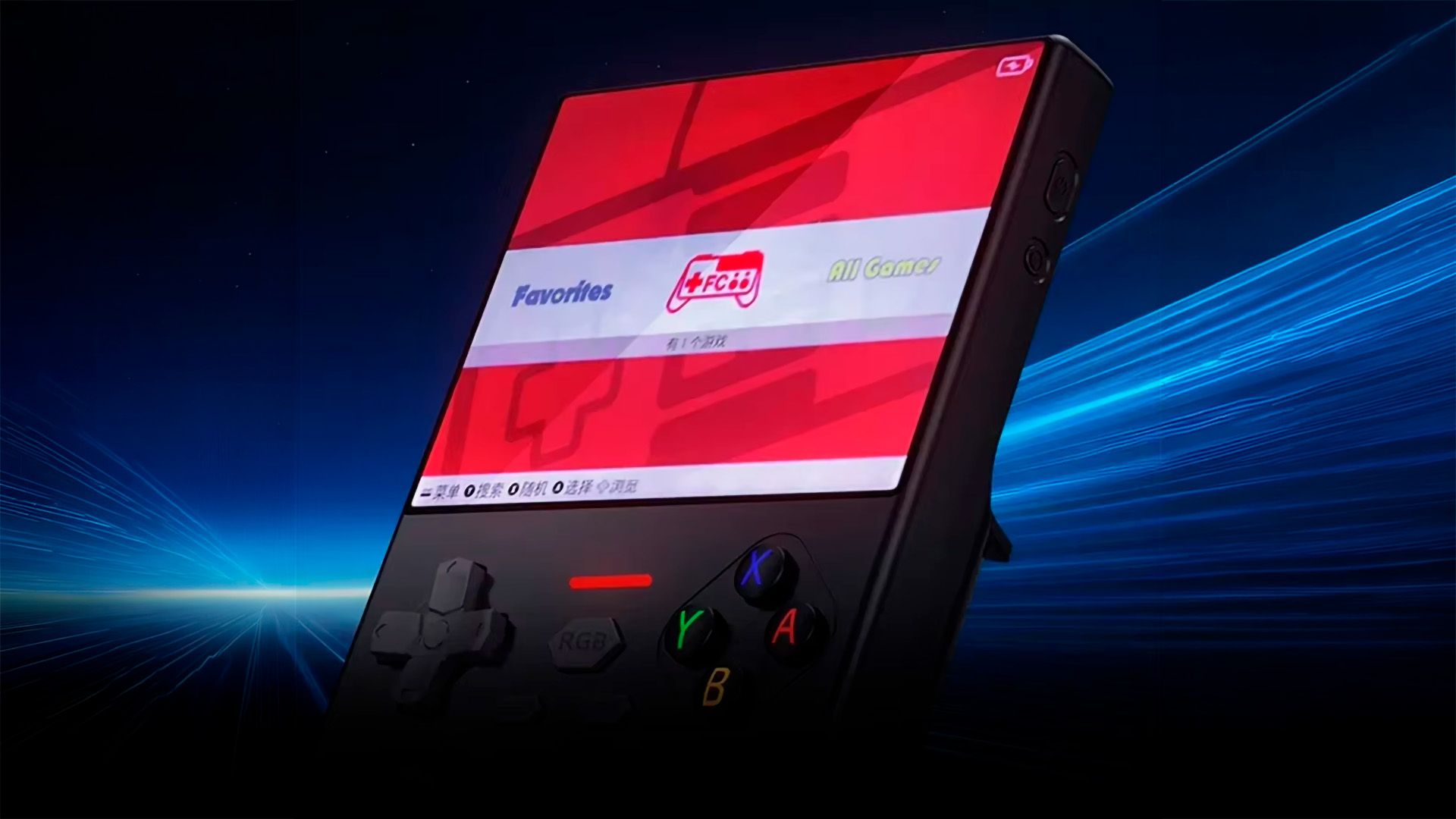
(Image credit: Lenovo)
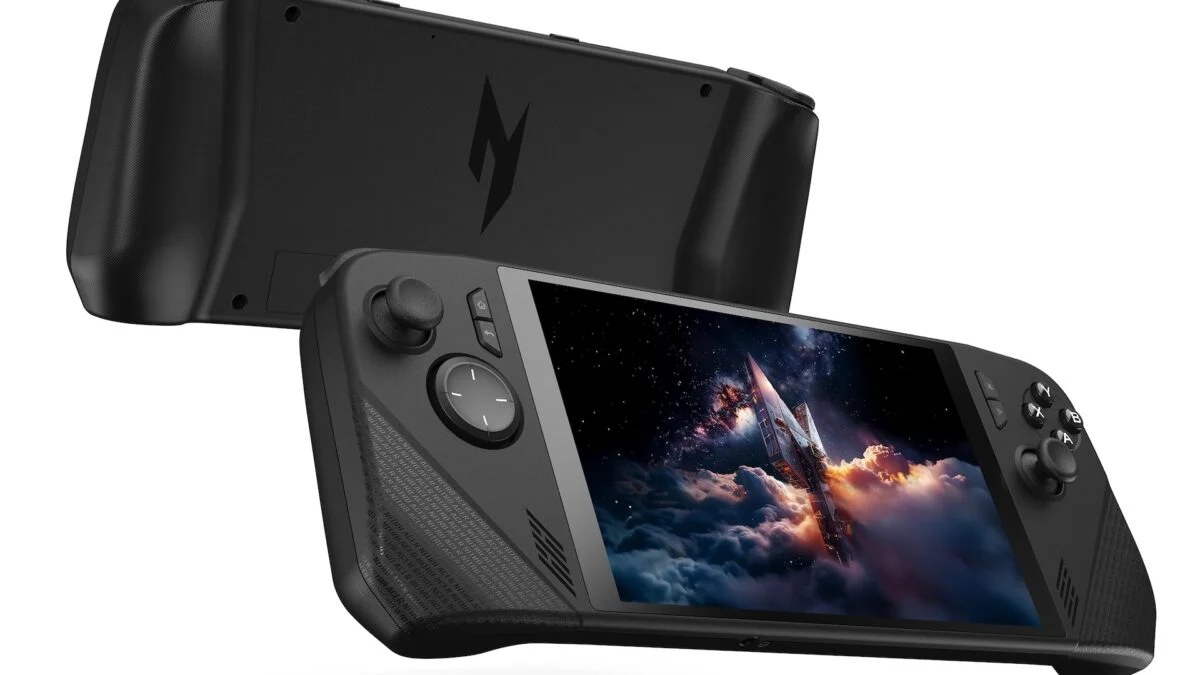
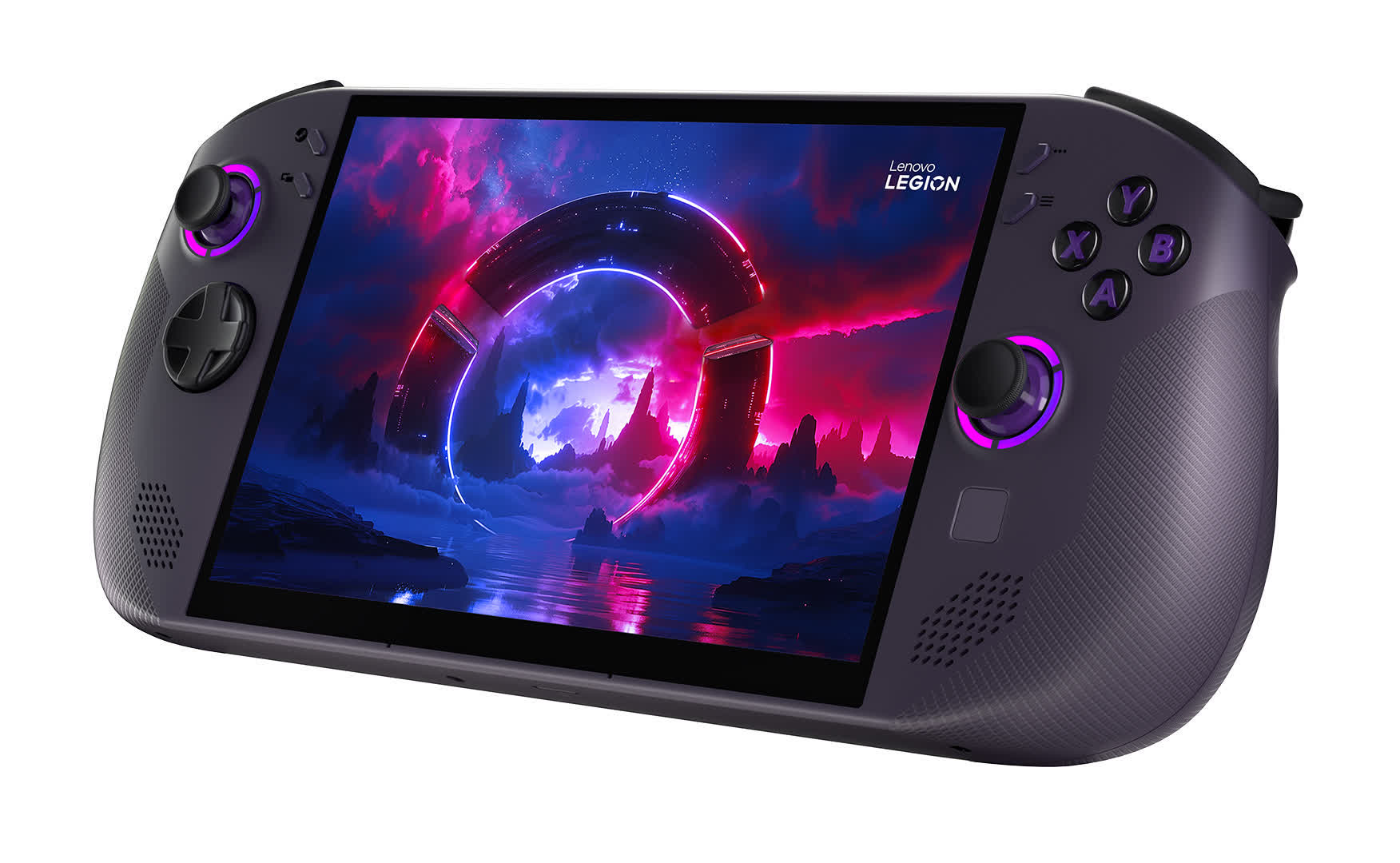
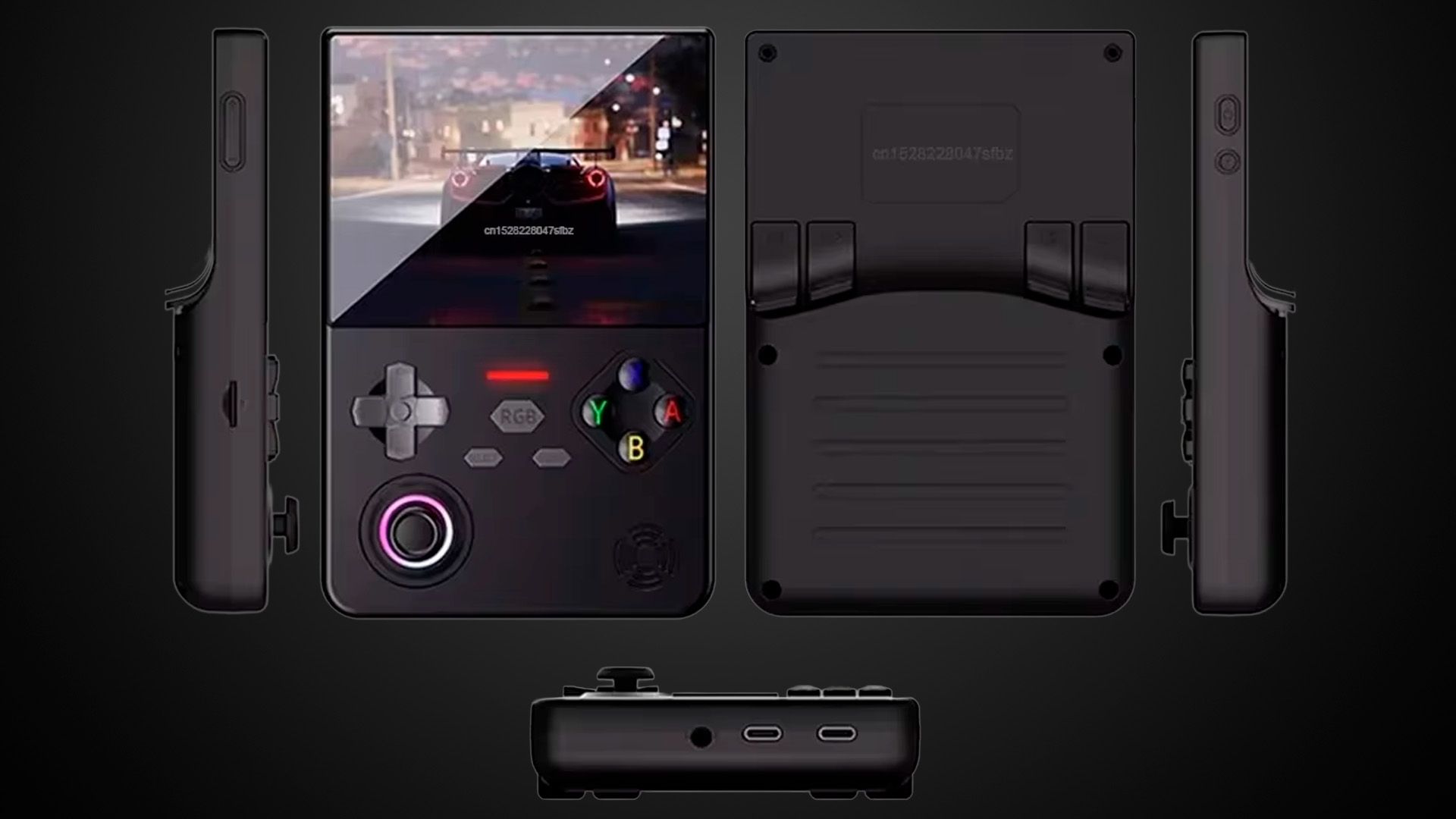
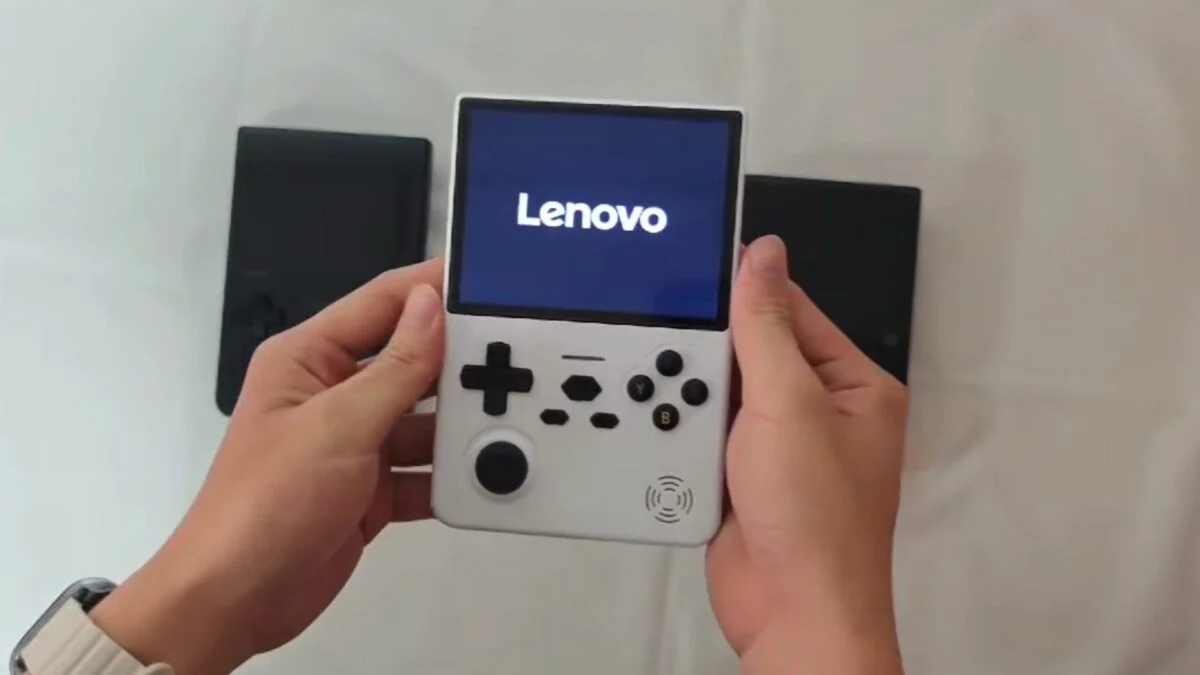
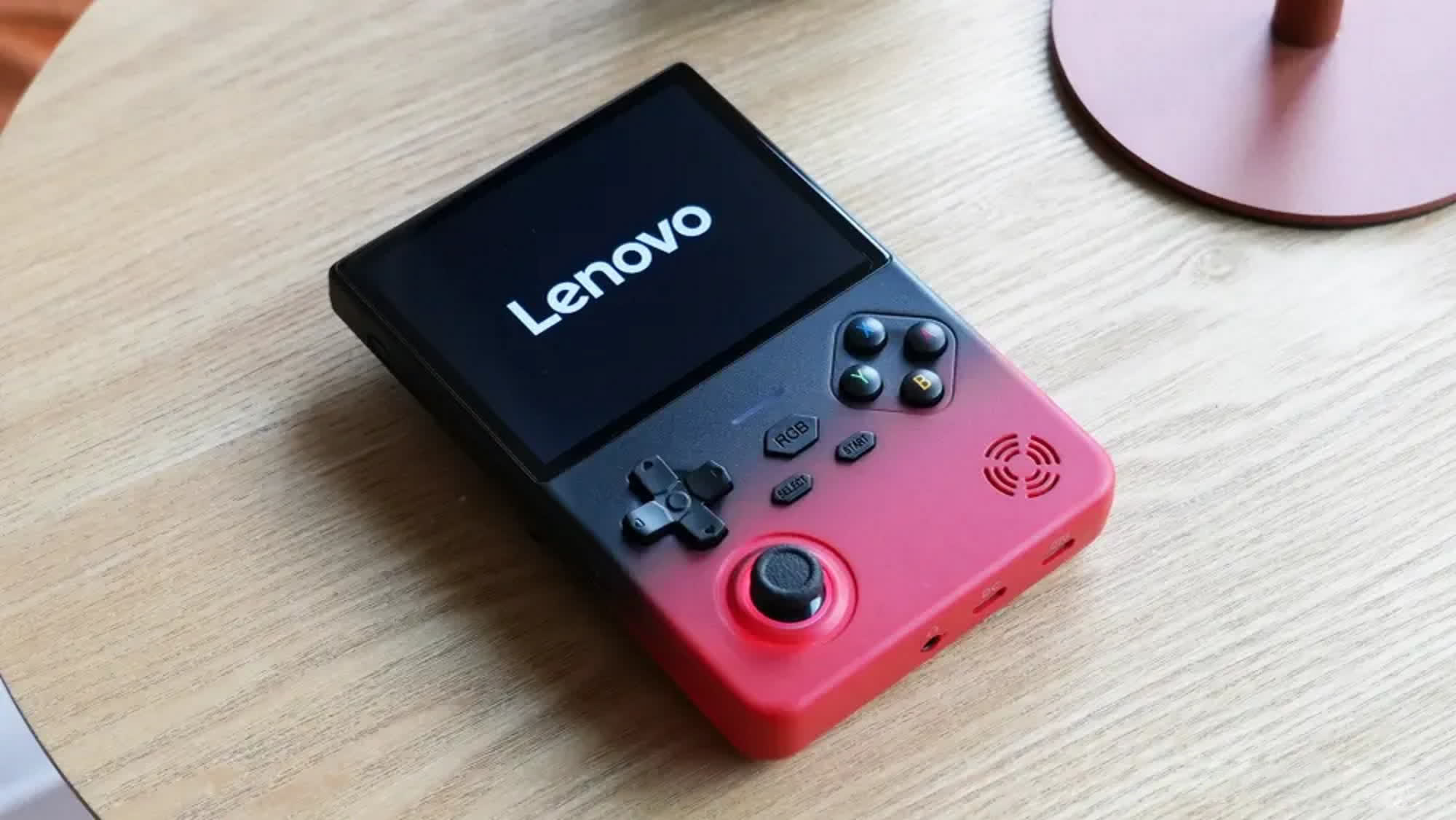
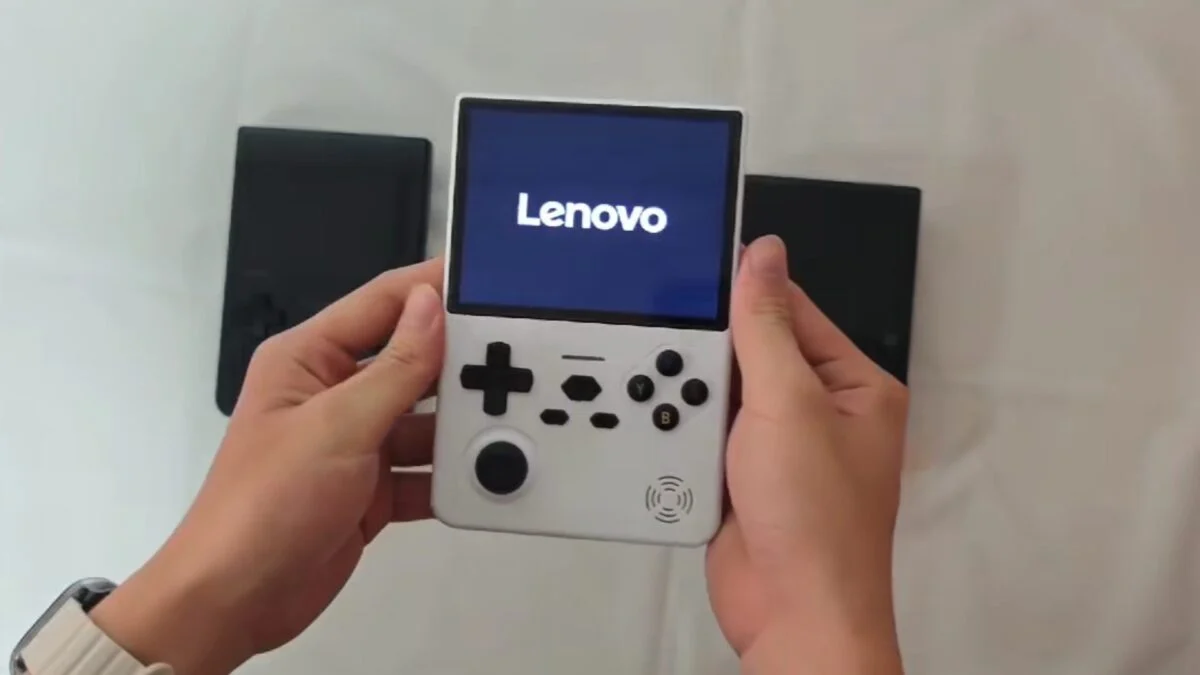
Under normal circumstances, any brand would be delighted to get its product in the spotlight, but some publicity can indeed be bad publicity. Lenovo’s G02 retro gaming handheld has become the center of a growing controversy after users who purchased the device reported it was seemingly preloaded with thousands of illegal game ROMs. In response to these allegations, Lenovo has contacted Tom’s Hardware to clarify the situation and has confirmed that it has launched an investigation into the matter.Go deeper with TH Premium: CPUTo understand the G02's situation, it's necessary to start from the beginning. Although the G02 proudly sports Lenovo branding, Lenovo didn't design or manufacture it. Instead, the G02 is a white-label device. If you're not familiar with the term, it refers to mass-produced products that typically come from a single manufacturer and are re-branded and sold under other companies' labels.As a result, the G02 is subject to a strict regional brand licensing agreement that limits its sales to the Chinese market. "Lenovo does not authorize the sale of this device outside of China, including third party platforms such as AliExpress or other reseller sites. Any such sales are not conducted or sanctioned by Lenovo or its authorized licensees," a company spokesperson told us.That explains why Lenovo never officially announced the G02, nor did the device appear on the company's website or in its marketing channels. The G02 doesn't officially form a part of Lenovo's global product lineup, and its existence remained largely unknown to the public until foreign customers managed to buy one off a Chinese online e-commerce platform.Lenovo made it clear in its statement to Tom’s Hardware that the company doesn't sell or distribute the G02 outside China under any circumstances. The prohibition also includes sales through third-party platforms such as AliExpress and other international reseller sites, which often serve as channels for gray-market imports.Lenovo highlighted that G02 devices shipped by Lenovo or an authorized licensee do not include memory cards or preloaded games. Therefore, Lenovo suspects that a third party may have added the illegal ROMs to the G02 without the company's knowledge or approval once the device left the authorized channels.AliExpress sellers generally refrain from explicitly advertising the G02 as bundled with any preloaded games, likely to avoid drawing attention to potential copyright issues or to avoid violating platform policies. Despite this, user feedback on this specific listing revealed a different story. Notably, one customer left a review stating that their device allegedly arrived with an astonishing 40,000 games pre-installed, four times more than the initial report. The claim is plausible given the G02's support for over 30 emulators, so that's a lot of Sony, Sega, and Nintendo ROMs.Get Tom's Hardware's best news and in-depth reviews, straight to your inbox."Devices officially distributed by Lenovo or its authorized licensees in the China market do not include memory cards or preloaded games. Any software or content found on devices sold outside of authorized channels may have been added by third parties without Lenovo’s knowledge or approval," the spokesperson said. "Any content installed by the user—and any issues that may arise—are the sole responsibility of the user of the device, as explicitly stated in its instruction manual."In light of recent reports about third-party vendors selling the G02 with preloaded ROMs, Lenovo says it has launched an investigation into the matter. The company will probably have to thoroughly check its supply chain, distribution networks, and vendor partnerships to find any bad apples. The company says it will take swift and appropriate action as necessary.The Lenovo G02 was never supposed to leave China, but it has. Now, Lenovo is in firefighter mode to correct the situation, because many companies, specifically Nintendo, don't take matters lightly when it comes to piracy. While any ensuing lawsuit would surely span international jurisdictions and encompass a complex set of facts about who did what and when, it's simpler and cheaper to nip the problem in the bud before lawyers ever have to darken a courtroom door.