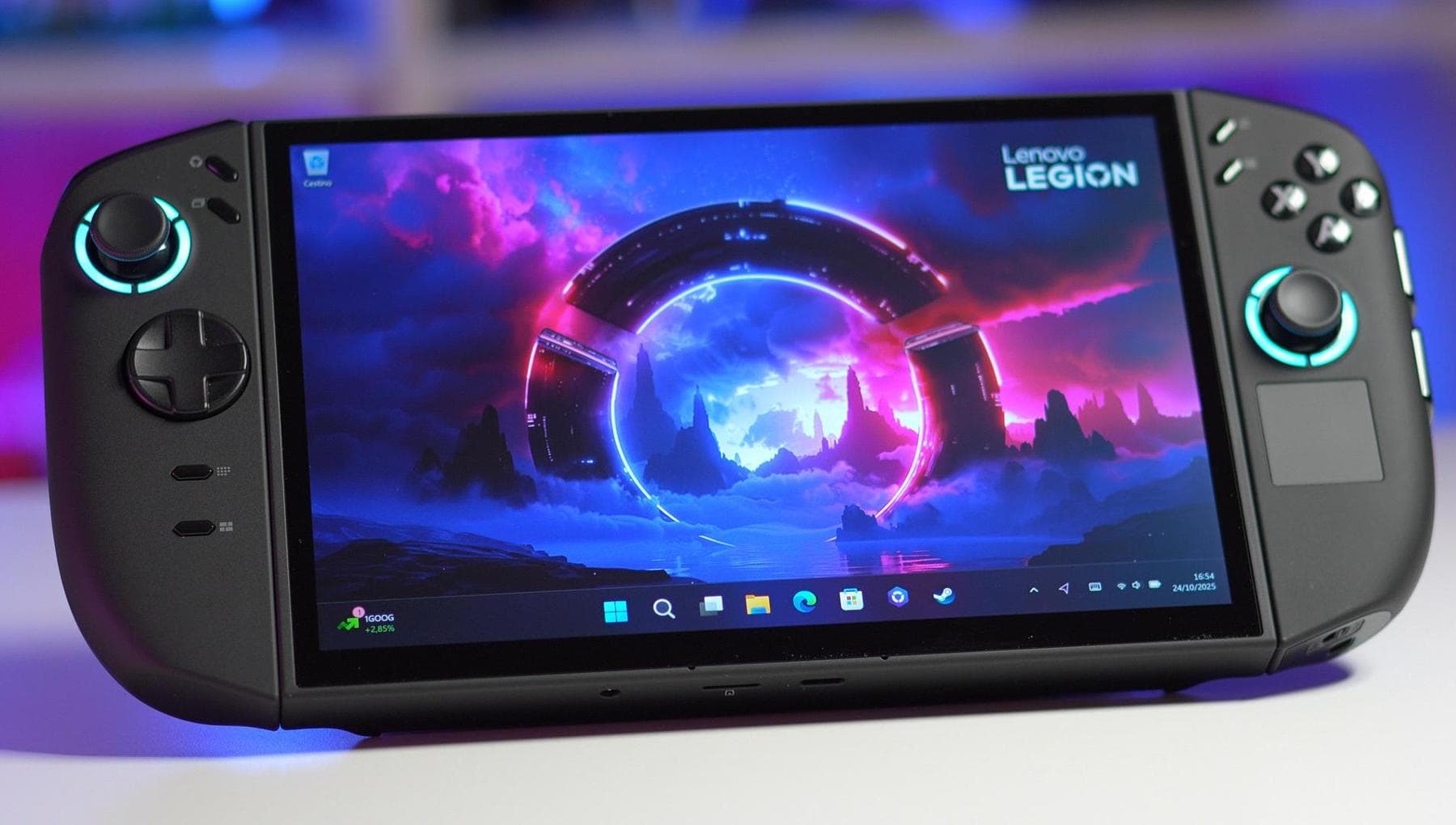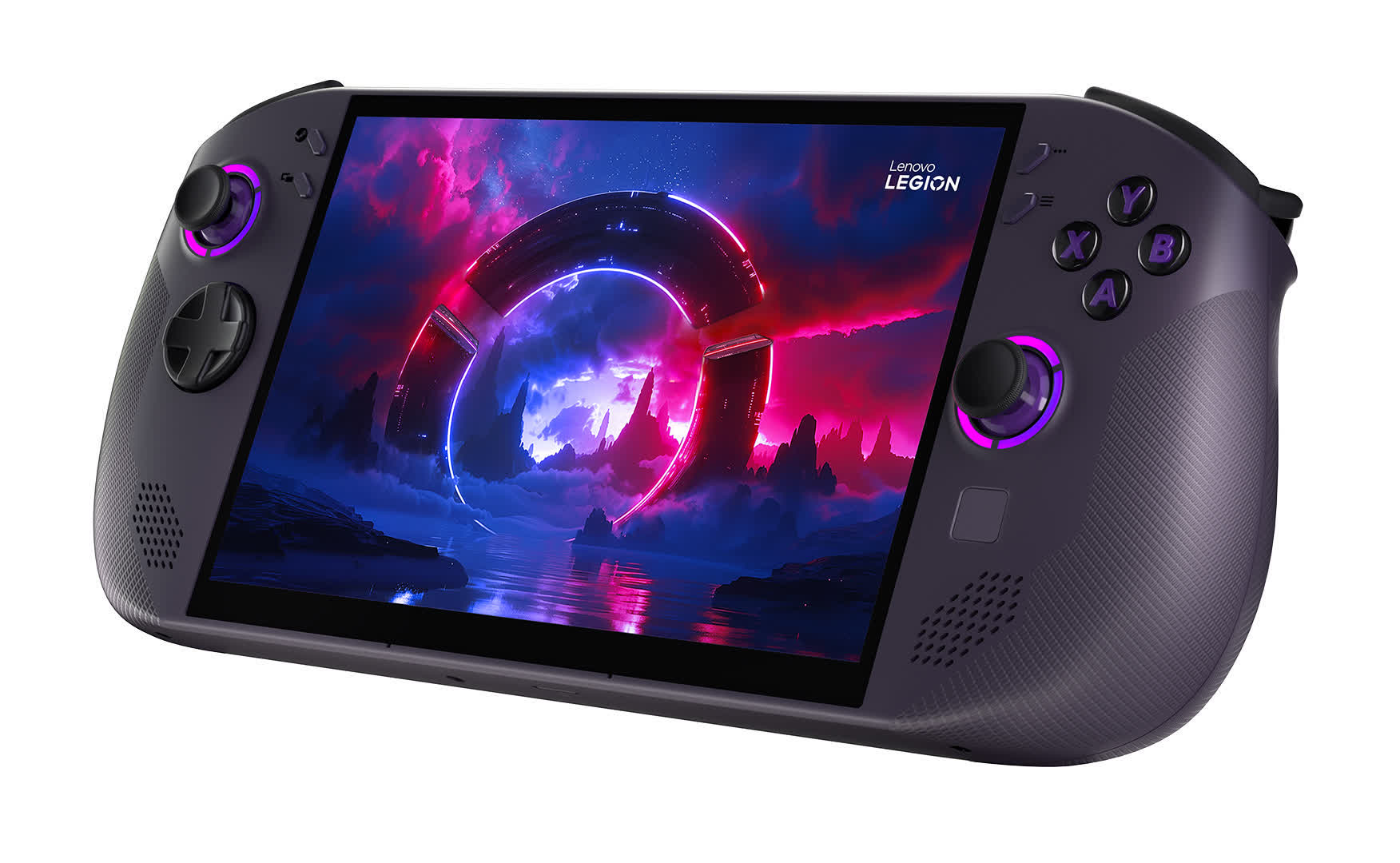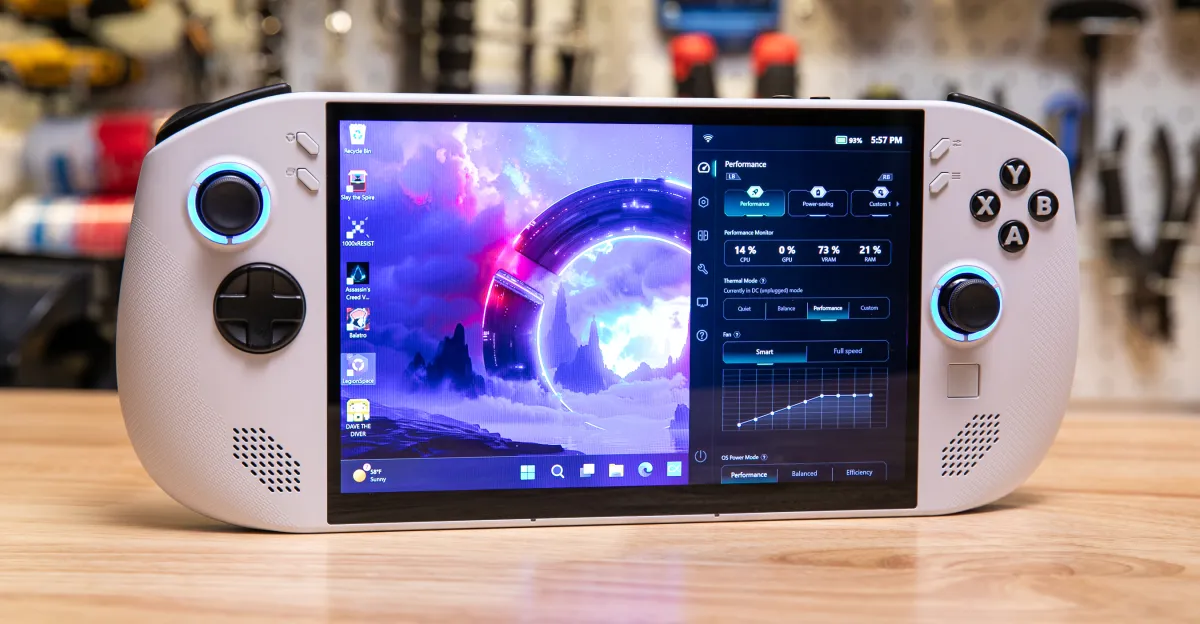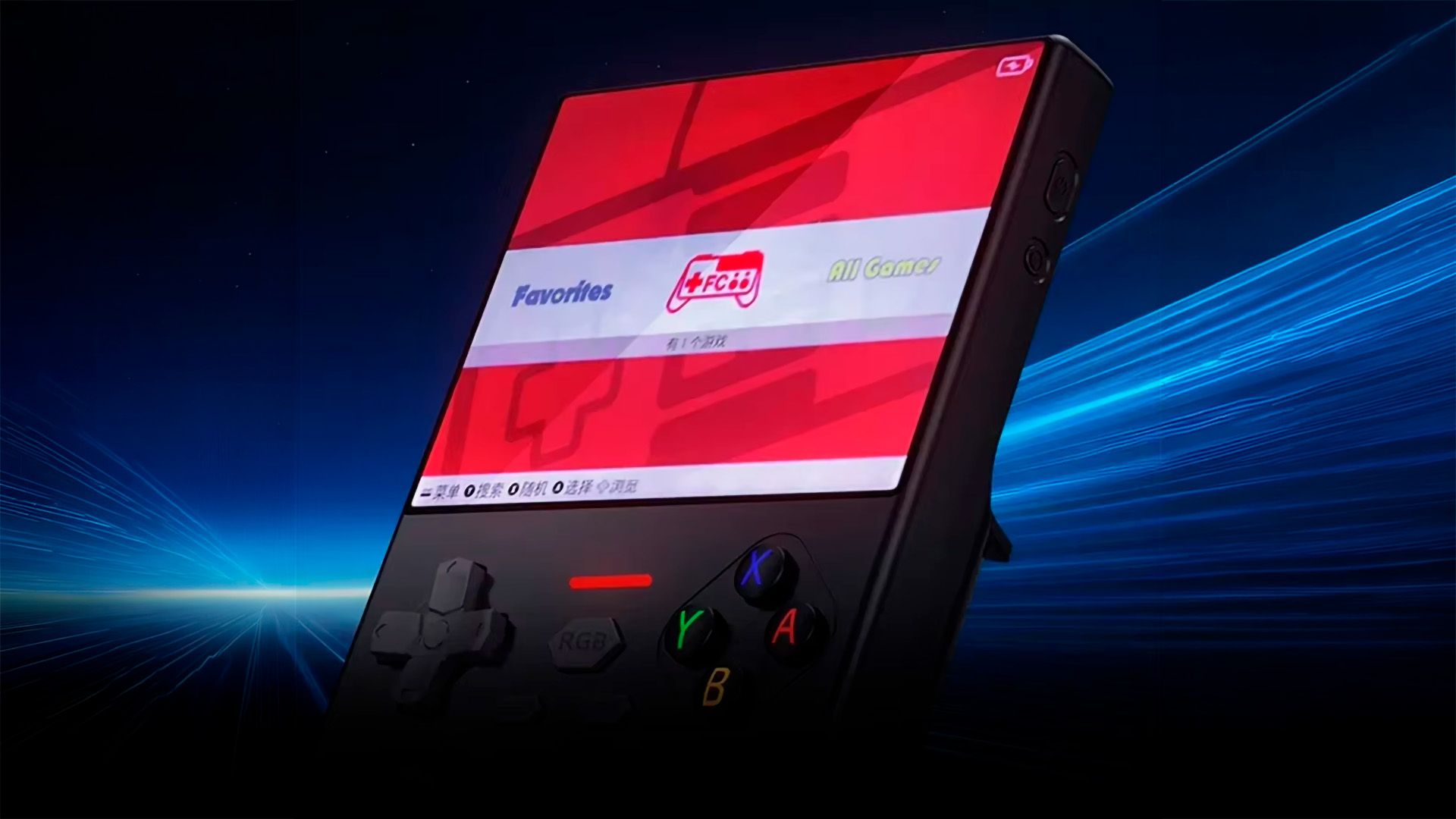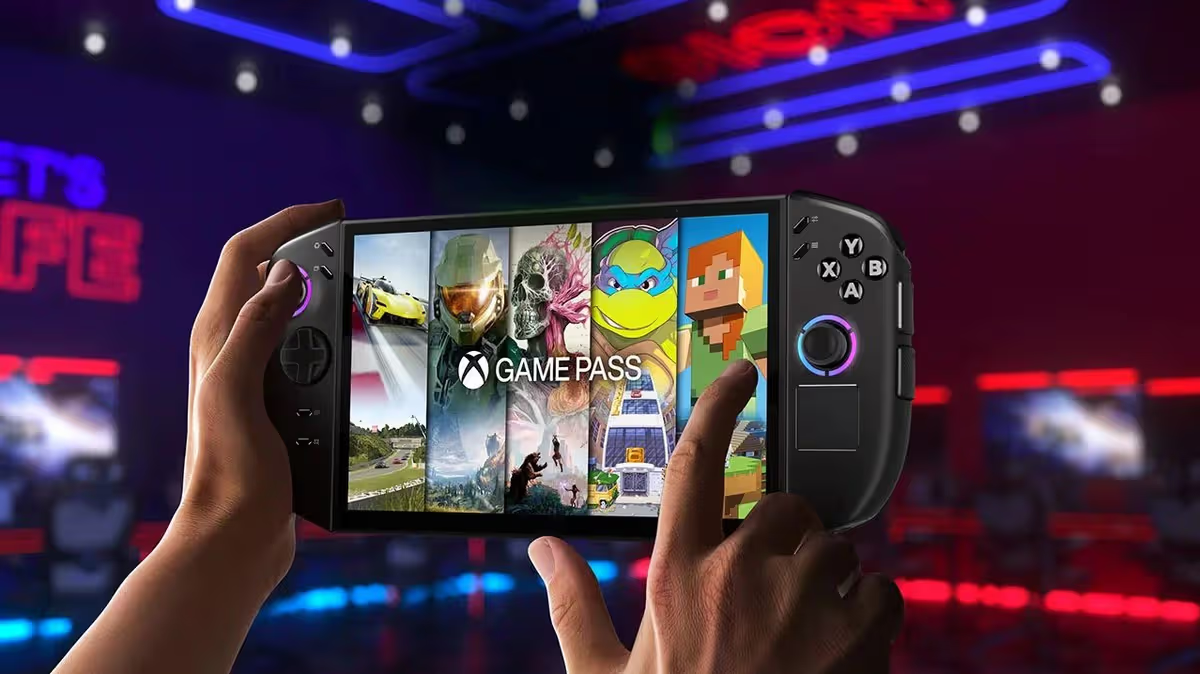
The Lenovo Legion Go 2 is huge, packs a lot of performance and has a massive price tag.16:02, 22 May 2026The Lenovo Legion Go 2 is one of the biggest and most powerful gaming handhelds around, with a huge, beautiful screen, strong gaming performance and some innovative design, but does it do enough to justify its extraordinary price?A few years on from the launch of the original Lenovo Legion Go, the highly anticipated Lenovo Legion Go 2 is here, and Lenovo has made some key changes to its new handheld that bring it a bit closer, in terms of specs at least, to some of its competitors like the ROG Xbox Ally X, ROG Ally X and MSI Claw 8 AI+, while still maintaining some innovative, unique features that set it apart.I've spent the last few weeks testing the Lenovo Legion Go 2, using it as my daily handheld, and having benchmarked it across numerous gaming titles, so how does it stack up against the competition?Lenovo Legion Go 2 design and featuresFirst things first, much like its predecessor, the Lenovo Legion Go 2 is big, like really big. I've reviewed a lot of gaming handhelds over the last few years, and this is by far the biggest and bulkiest I've ever tested. Its main selling point, and the thing that most differentiates it from the competition, is its 8.8-inch display. On paper, it's had a bit of a downgrade compared to the Legion Go, with the display going from 2560 x 1600p to 1920 x 1200p, but for performance, especially running AAA games, I think this is actually a welcome change, and brings it more in line with its competitors. Where it differs, however, is the fact that this 8.8-inch display is OLED, with VESA True Black HDR 1000 certification. Spec-wise, no other handheld comes close in terms of display.The Legion Go 2 is available with either an AMD Ryzen Z2 processor or an AMD Ryzen Z2 Extreme processor, and the version we're testing has the latter, which is the same processor you'll find on the ROG Xbox Ally X and others. It's the latest and greatest handheld processor, with 8 cores, 16 threads, and an AMD XDNA NPU capable of up to 50 TOPS.It also packs a big 74Wh battery, which isn't quite as big as the 80Wh battery in the Xbox Ally X, but is still pretty big, and a big upgrade on the 49Wh battery in the Legion Go. Just like the Legion Go, it retains the Nintendo Switch-style detachable controllers, which have FPS and mouse modes, and it's available in either 512GB, 1 TB, or 2 TB storage, as well as 16GB or 32GB of LPDDR5X memory, depending on your configuration.Here are the full specs of the review unit we tested below:Processor: AMD Ryzen™ Z2 Extreme (2.00 GHz up to 5.00 GHz)Operating System: Windows 11 Home 64Graphics: Integrated GraphicsMemory: 32 GB LPDDR5X-8000MT/sStorage: 1 TB SSD M.2 2242 PCIe Gen4 TLCDisplay: 8.8" WUXGA (1920 x 1200) Lenovo PureSight OLED Touchscreen, 144Hz, 500 nits, HDR 1000 True BlackBattery: 4-Cell 74Wh Li-ionPower Supply: 65W USB-C Slim AC Adapter (UK)Controllers: Detachable Legion Truestrike ControllersSecurity: Fingerprint ReaderConnectivity: Wi-Fi 6E & Bluetooth 5.3In terms of IO, we've got two USB-C ports, one on the top and one on the bottom, both of which support 40Gb/s data transfer, up to DisplayPort 2.0, and Power Delivery 3.0. Plus, you have a microSD card slot and a headphone jack. On the front of the handheld, you've got the standard ABXY layout, with hall-effect joysticks, six menu buttons, and a touchpad, as well as four extra buttons on the back and two on the side, mainly for when you're using the controller detached.There's a lot of stuff packed into this thing, so you won't be surprised to hear that the Legion Go 2 is quite a bit heavier than the competition, coming in at a whopping 920g. That's nearly 300g more than the Steam Deck OLED, over 100g more than the MSI Claw 8 AI+, and over 200g more than the ROG Xbox Ally X. It's a hefty thing.Lenovo Legion Go 2 design and features: 4/5Lenovo Legion Go 2 performanceTo test the raw performance of the Legion Go 2, we put it in performance mode, enabled Xbox mode, plugged it into AC power, and benchmarked it across a bunch of titles, comparing the results against the competition, to give an overview of its performance. The results below showcase the Legion Go 2 and the MSI Claw 8 AI+ running games at 1920 x 1200p, while the ROG Xbox Ally X and ROG Ally X run at the slightly lower 1920 x 1080p resolution.Cyberpunk 2077 (low graphics settings, no upscaling)ROG Xbox Ally X: 49fps (average)ROG Ally X: 43fps (average)MSI Claw 8 AI+: 42fps (average)Lenovo Legion Go 2: 47fps (average)F1 25 (low graphics settings, no upscaling)ROG Xbox Ally X: 92fps (average)ROG Ally X: 70fps (average)MSI Claw 8 AI+: 59fps (average)Lenovo Legion Go 2: 81fps (average)Shadow of the Tomb Raider benchmarking tool (high graphics setting, no upscaling)ROG Xbox Ally X: 52fps (average)ROG Ally X: 44fps (average)MSI Claw 8 AI+: 46fps (average)Lenovo Legion Go 2: 46fps (average)Black Myth: Wukong benchmarking tool (low graphics settings, FSR 100% resolution scale)ROG Xbox Ally X: 34fps (average)ROG Ally X: 29fps (average)MSI Claw 8 AI+: 30fps (average)Lenovo Legion Go 2: 33fps (average)Cyberpunk 2077 (low graphics settings, FSR/Intel XeSS enabled)ROG Xbox Ally X: 69fps (average) - AMD FSR PerformanceROG Ally X: 67fps (average) - AMD FSR PerformanceMSI Claw 8 AI+: 64fps (average) - Intel XeSS (Performance)Lenovo Legion Go 2: 69fps (average) - AMD FSR PerformanceF1 25 (low graphics settings, FSR/Intel XeSS enabled )ROG Xbox Ally X: 110fps (average) - AMD FSR PerformanceROG Ally X: 85fps (average) - AMD FSR PerformanceMSI Claw 8 AI+: 72fps (average) - Intel XeSS (Performance)Lenovo Legion Go 2: 95fps (average) - AMD FSR PerformanceShadow of the Tomb Raider benchmarking tool (highest graphics settings, Intel XeSS enabled )ROG Xbox Ally X: 56fps (average) - Intel XeSS (Performance)ROG Ally X: 53fps (average) - Intel XeSS (Performance)MSI Claw 8 AI+: 59fps (average) - Intel XeSS (Performance)Lenovo Legion Go 2: 54fps (average) - Intel XeSS (Performance)Black Myth: Wukong benchmarking tool (low graphics settings, Intel XeSS)ROG Xbox Ally X: 34fps (average) - Intel XeSSROG Ally X: 30fps (average) - Intel XeSSMSI Claw 8 AI+: 34fps (average) - Intel XeSSLenovo Legion Go 2: 33fps (average) - Intel XeSS (Performance)So then, in terms of 1200p Gaming handhelds, it's certainly the best out there, comfortably beating the MSI Claw 8 AI+. If you're looking for decent frames at that higher resolution, it's top tier. But it was consistently and conclusively beaten by the ROG Xbox Ally X, and even though it was at 1080p rather than 1200p, which does have a noticeable difference in sharpness, is that enough to justify the additional cost? That will depend on what you want from your handheld.What isn't in doubt, though, is the display. It might only reach 500 nits brightness, which isn't perfect for HDR content, but it's still by far the best screen I've ever seen on a gaming handheld.With all that said, having driven this daily for a few weeks now, the device's sheer size and heft are a bigger inconvenience than expected. Using it as a handheld device for a few hours is genuinely straining on the wrists, and it's just not comfortable to hold for long periods. The ergonomics are fine; it feels good in the hand, but as soon as you use it for any significant amount of time, the weight just gets heavier and heavier. Then there's the joysticks, which are hall-effect, but they are really quite loose compared to other joysticks I've used on handhelds.Using it in FPS mode or Mouse mode is pretty nice, and it feels pretty natural to use, but realistically, I don't think anyone will buy this handheld and use it for FPS games, or as a full-on computer replacement, especially when you can probably buy a powerful desktop PC for the same money, but more on that later.In terms of battery life, it managed 3.5 hours in balanced power mode during a loop of the F1 25 benchmark, which is slightly more than I got from the ROG Xbox Ally X, but not quite enough to make it a game-changer in the battery department.Something a lot of people talked about with the original Legion Go was the poor vibration, and honestly, it seems to have got even worse with the Legion Go 2. The vibration and haptic feedback are poor; it just feels and sounds like a phone ringing, but at a really annoying pitch. I had to leave it off.In terms of heat though, Lenovo has done a great job with the fans and the cooling technology to keep this baby nice and cool to the touch, its got a whopping fan on the back and an exhaust through the top, the fans do get particularly loud on occasion, especially if you’re wanting max performance, but the default smart configuration does a pretty good job of managing the fan sound most of the time.Lenovo Legion Go 2 performance: 4/5Lenovo Legion Go 2 value for moneyNow, we get to the big, big question. Despite its innovative and differentiating features, the value-for-money proposition is the biggest concern with the Lenovo Legion Go 2. For the version we tested, with 32GB RAM, 1TB of storage and the Z2 Extreme CPU, the price on Lenovo's own website is an eye-watering £1800. I couldn't find the same model on the US site, so let's be kind and give it a rough conversion of $1800.To be fair, I did see the same model on Argos in the UK for £1299, but it was completely out of stock.To put that price into perspective, here are the MSRP prices of all the handhelds it's competing with:ROG Xbox Ally X (AMD Ryzen Z2 Extreme) - US MSRP: $999.00, UK MSRP: £899.00MSI Claw 8 AI+ (Intel Core Ultra 7) - US MSRP: $899.00, UK MSRP: £899.00ASUS ROG Ally X (AMD Ryzen Z1 Extreme) - US MSRP: $799.00, UK MSRP: £799.00We're talking nearly double the price of its closest competitors, the ROG Xbox Ally X and MSI Claw 8 AI+. Of course, you get more RAM (24GB vs 32GB), a bigger, better screen, higher resolution, and detachable controllers, but there's a big, big price gap between the devices.Lenovo Legion Go 2 review score: 2/5Lenovo Legion Go 2 overall thoughtsIs the Lenovo Legion Go 2 a great gaming handheld? Yeah, absolutely. It offers great performance, even with a massive 1200p OLED display, and has cool features like detachable controllers and even RGB. From a technical standpoint, it's a superb device. But, It's really hard to recommend, especially when you can buy a powerful gaming PC and a Steam Deck for the same price as a Legion Go 2. Plus, its sheer size and weight push the definition of the word "handheld".Article continues belowIf you're looking for a gaming handheld with great performance, the best screen quality possible, and strong battery life, there's no handheld on the market that combines all of those things better than the Legion Go 2. But it's not cheap, and that's an understatement. Whether the price will come down or not when memory prices stabilise is up for debate, but right now, it's far from a handheld for the masses.Lenovo Legion Go 2 review score: 3.5/5
Lenovo Legion Go 2 review - the most extreme gaming handheld, in every way
The Lenovo Legion Go 2 is huge, packs a lot of performance and has a massive price tag.
1,898 words~9 min read