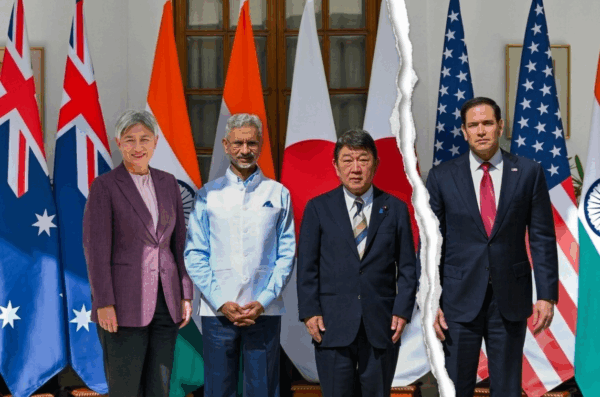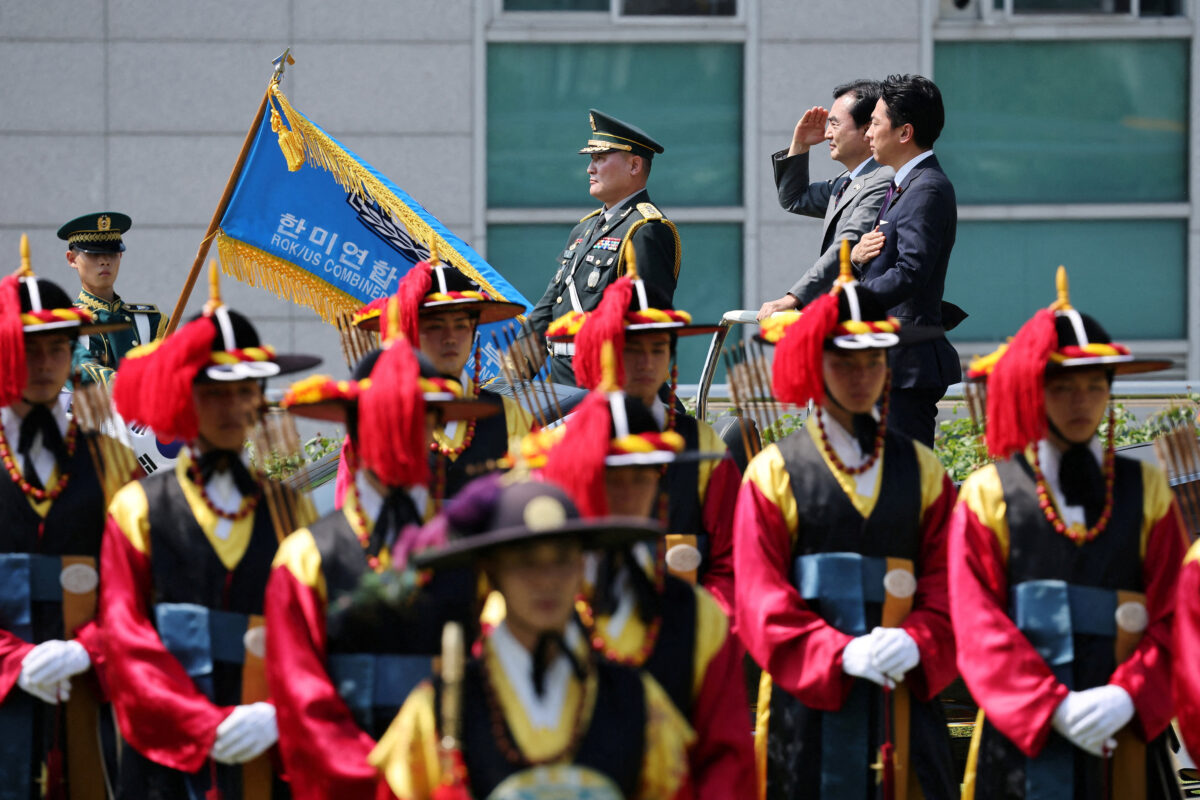
The geographical focal points of US foreign policy and military resources have shown a marked shift in President Donald Trump’s second term away from the Indo-Pacific, once defined as the key strategic mega-region of the 21st century. The June 2026 removal of the ‘Indo’ prefix from the name of the US Pacific Command might be purely cosmetic, but it was seen in Northeast Asia as symbolic and symptomatic of the shift.
In place of Trump 1.0’s ‘great power rivalry’ and former US president Joe Biden’s ‘strategic competition’ with China, Trump 2.0 first made a wild swing from the Western Pacific to the Caribbean, launching a massive naval campaign against drug smuggling, proclaiming the Donroe Doctrine in the National Security Strategy and overthrowing the Venezuelan president in a midnight covert operation.
Stretching resources thinner still, Trump joined Israeli Prime Minister Benjamin Netanyahu in launching a full-scale war against Iran, destabilising the global economy and causing pain for oil-importing economies — particularly South Korea and Japan in Northeast Asia. Assuming a lasting settlement can be achieved in Iran, Trump has indicated he will move on Cuba, with Greenland on deck. Asked if the United States would come to the defence of Taiwan in case of conflict, Trump replied that ‘the last thing we need right now is a war that’s 9,500 miles away’.