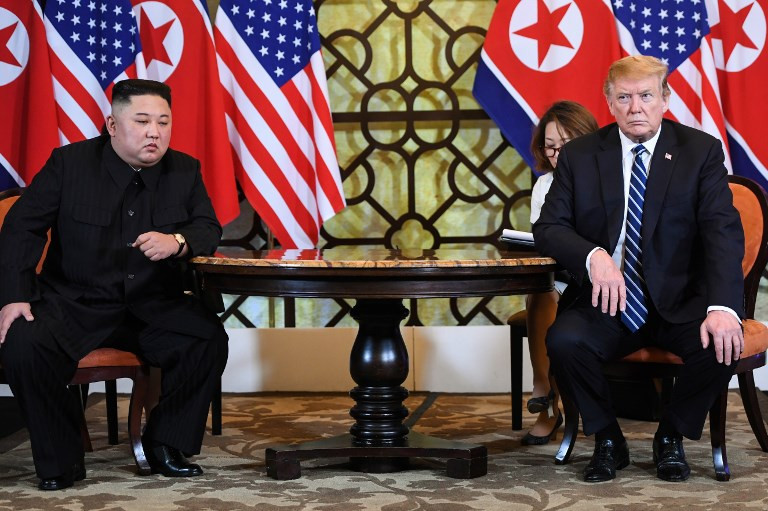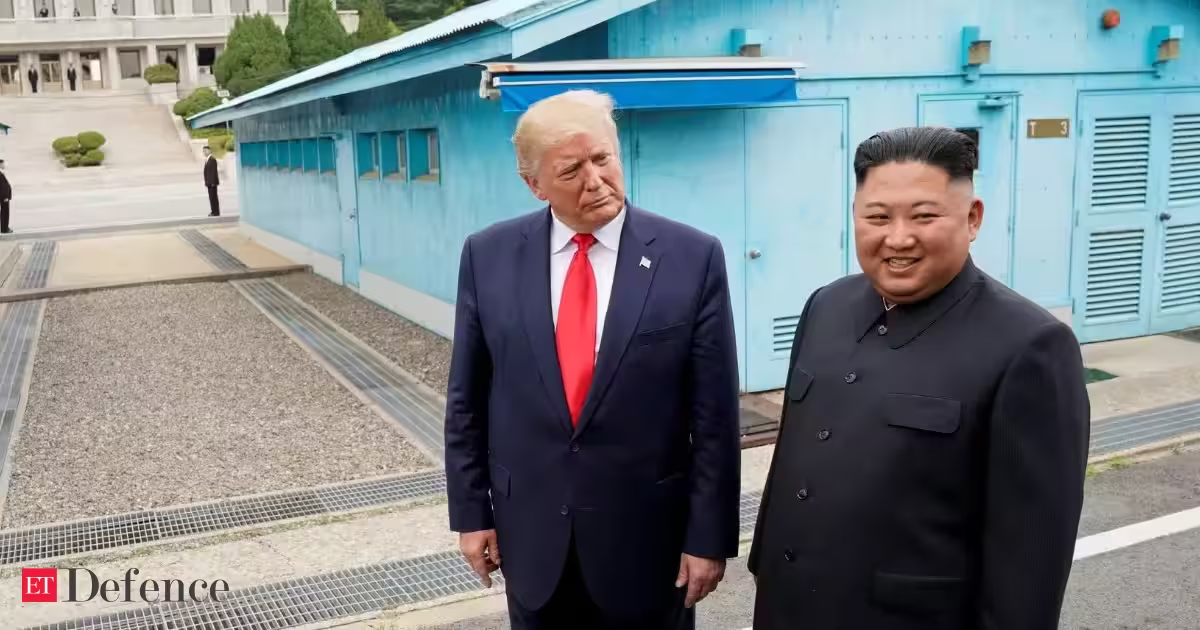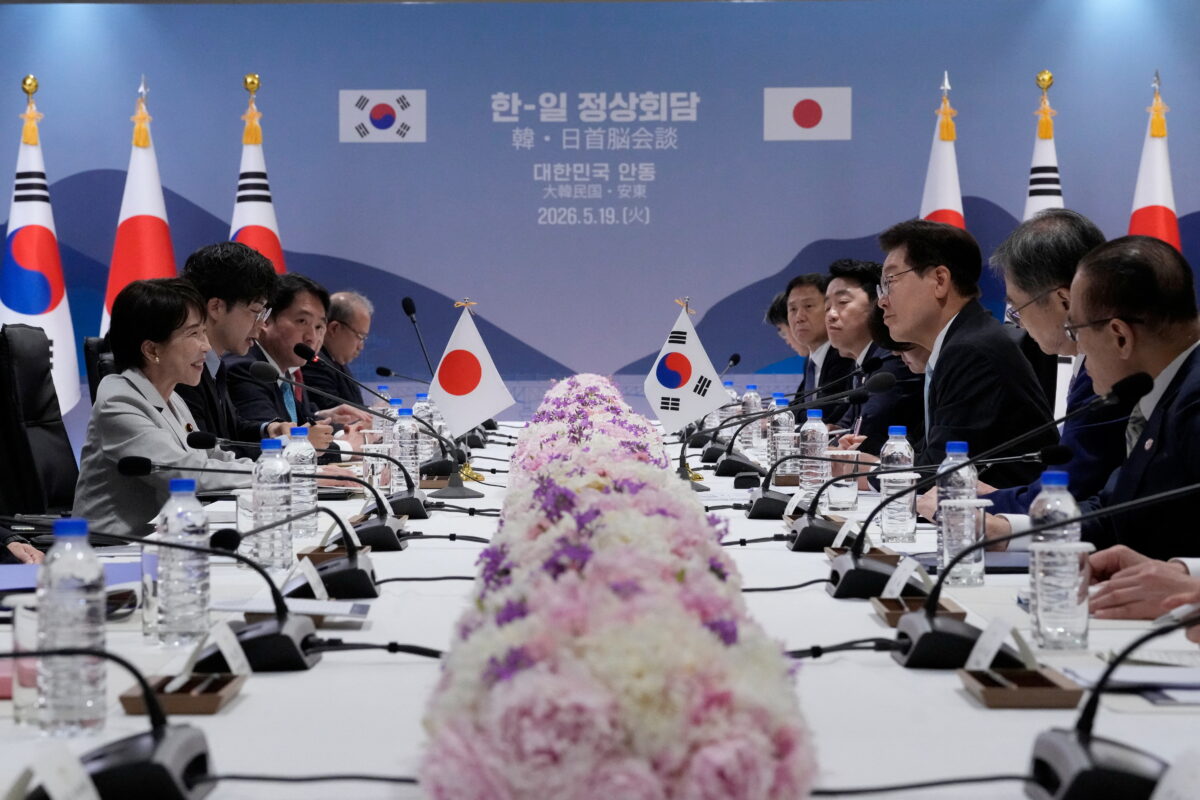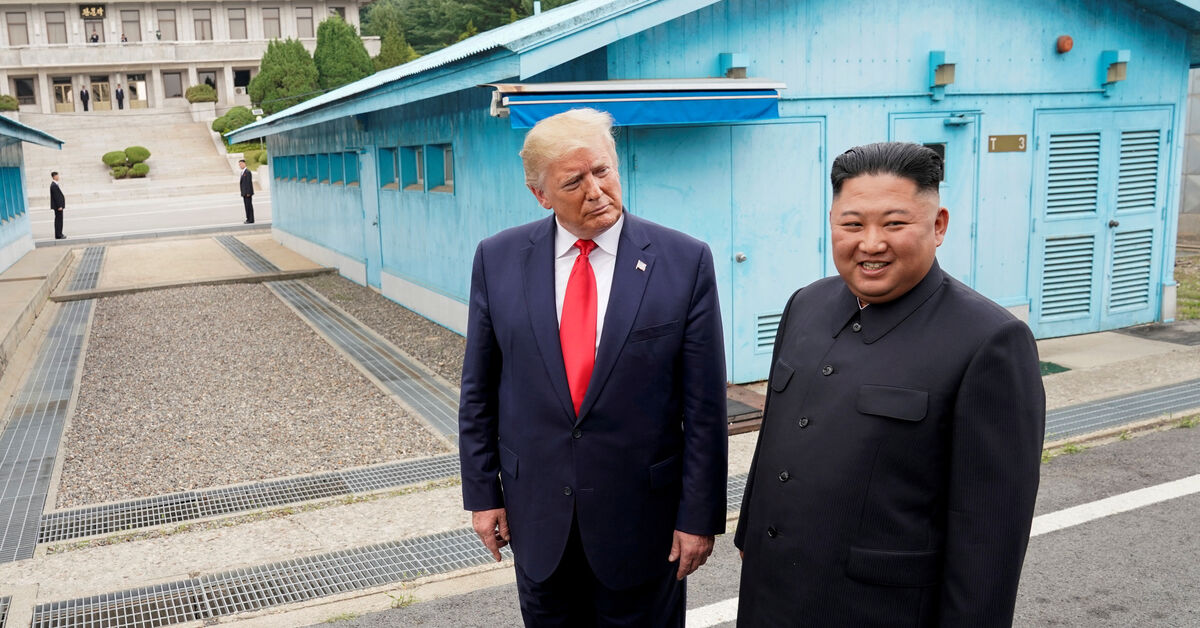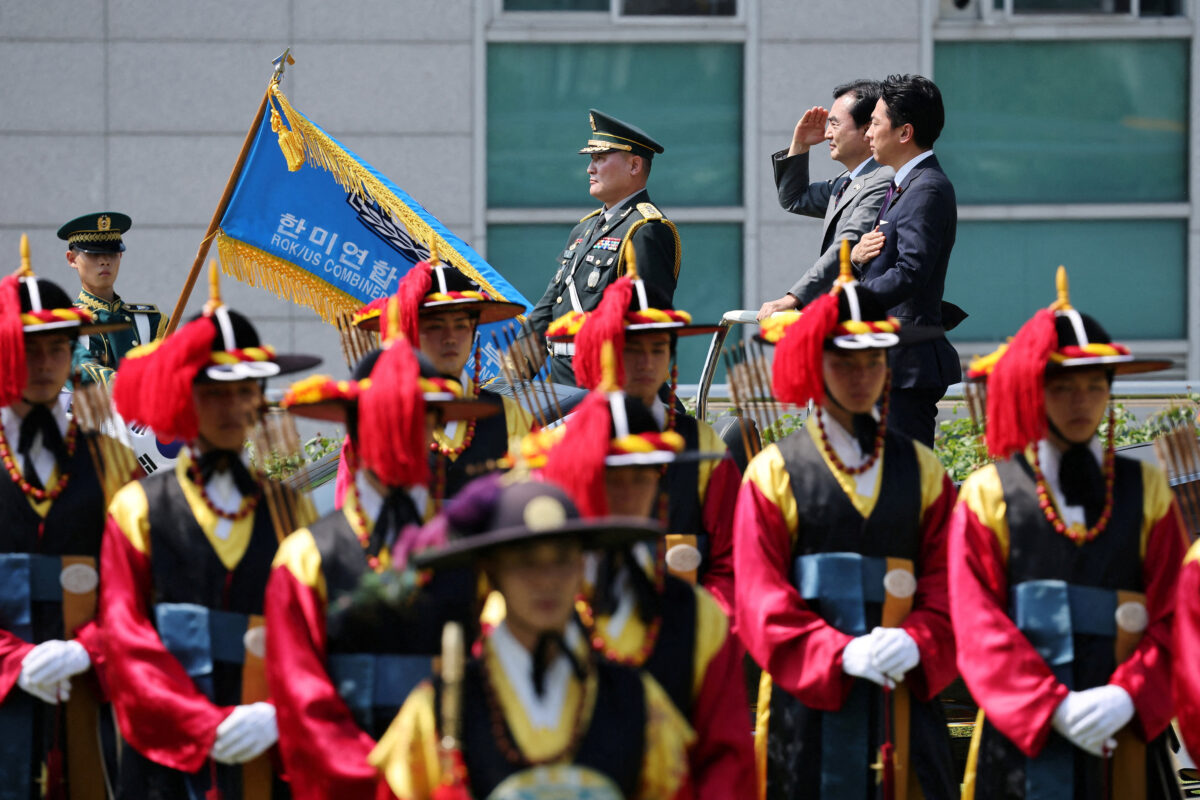
Eighteen months into Donald Trump’s second presidential term, the United States’ disengagement from Asia is generating anxiety among US regional allies. Faced with a distracted and unpredictable United States, Japan and South Korea have started to draw closer — a rapprochement defying changes of leadership in both countries.
Shared Japan-South Korea anxieties over US reliability, combined with the two countries’ exposure to a nuclear-armed North Korea, add urgency to moving the relationship beyond its current surface-level fence-mending.
But forging deeper Japan-South Korea security cooperation and diplomatic coordination vis-a-vis North Korea in the absence of US leadership will require confronting major obstacles. On top of the historical and territorial issues between Tokyo and Seoul that have been shelved but remain unresolved, Seoul must find a way around Pyongyang’s newly declared ‘hostile two states’ policy; Tokyo must confront its decades-old abduction impasse; and both will need to coordinate with a China whose leverage over Pyongyang they cannot match.
Japanese and South Korean concerns over the credibility of Washington’s deterrence power and its diplomatic disengagement from Asia stem from three factors.