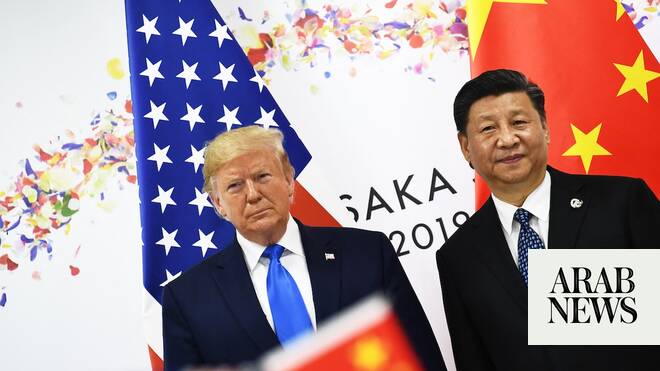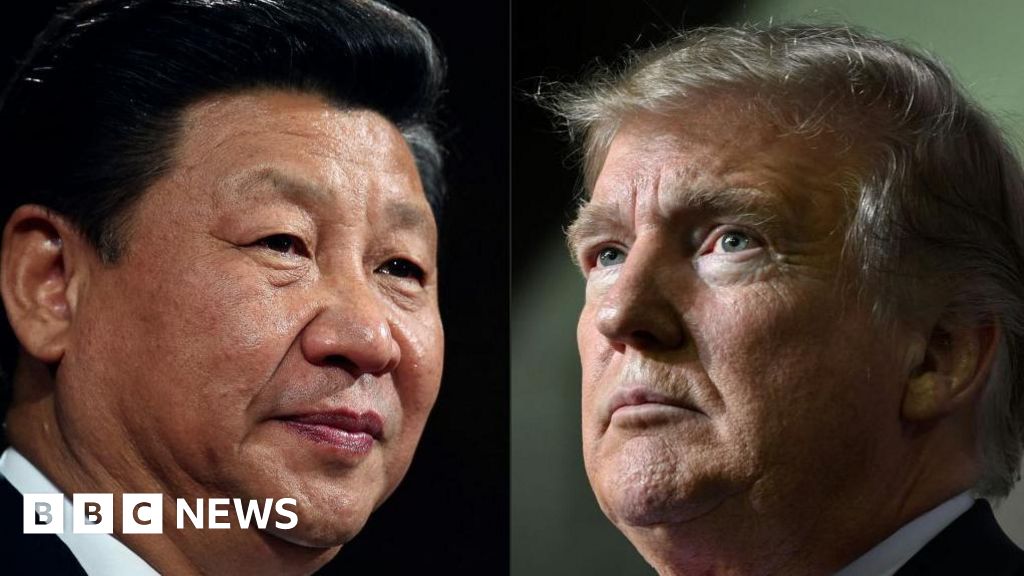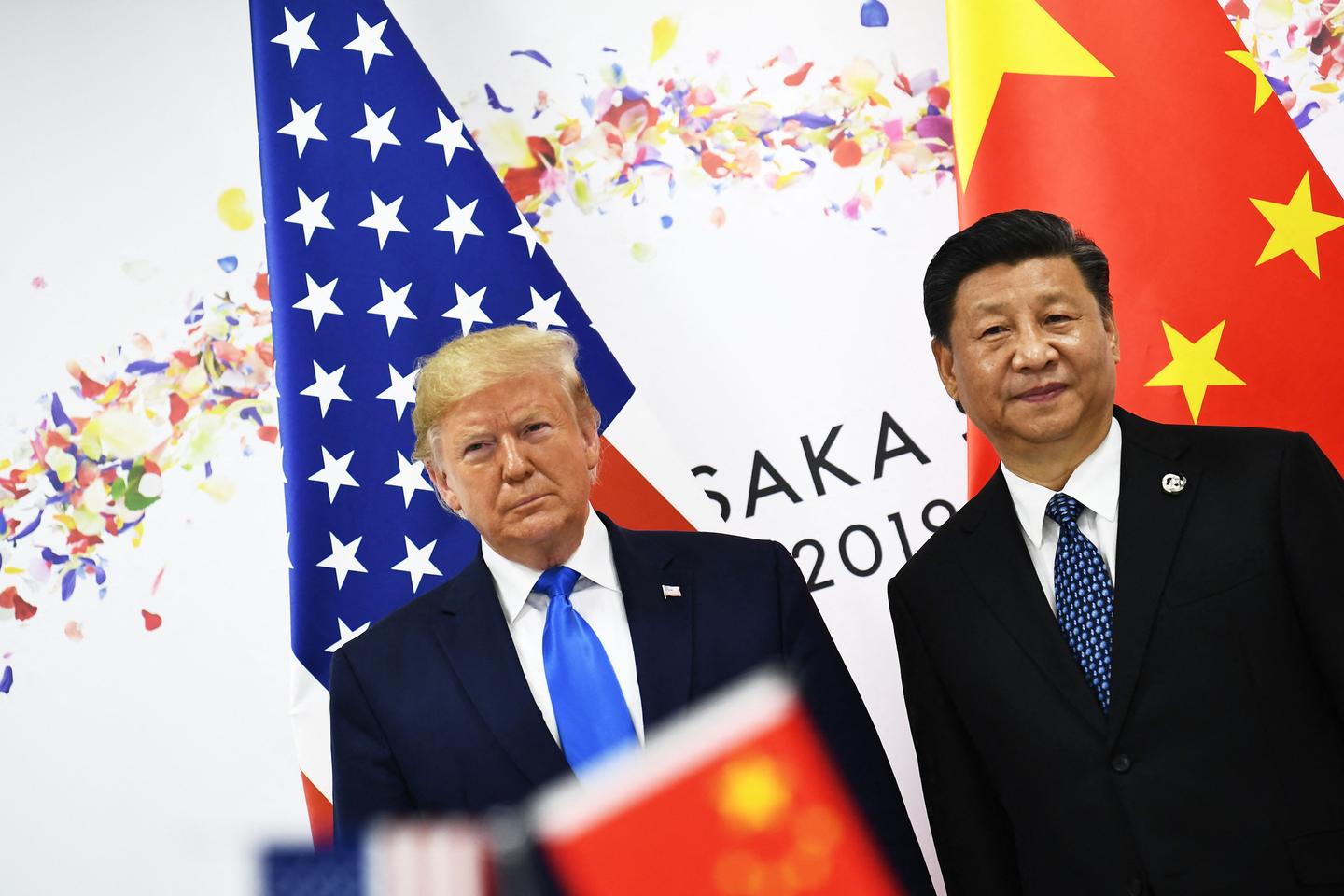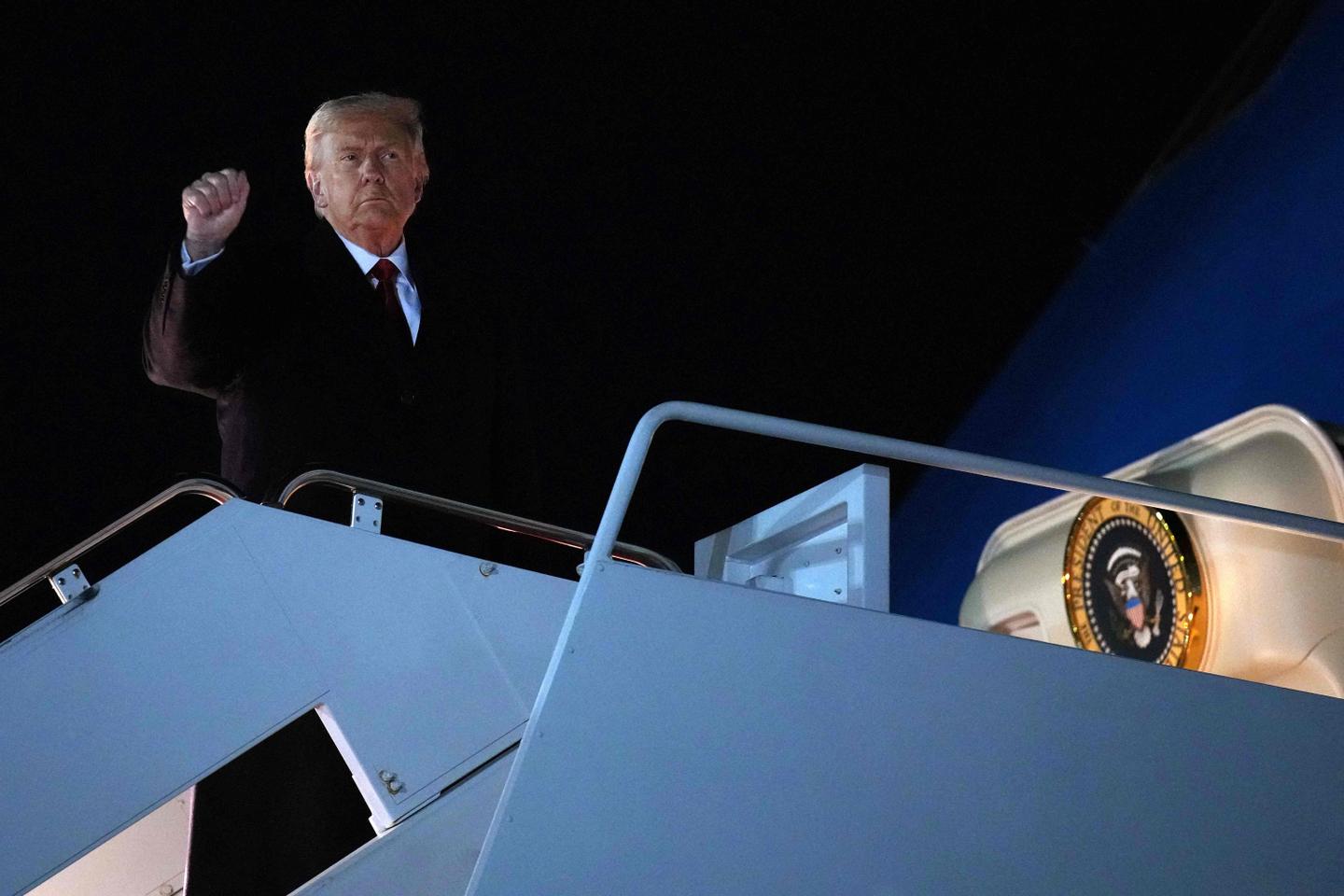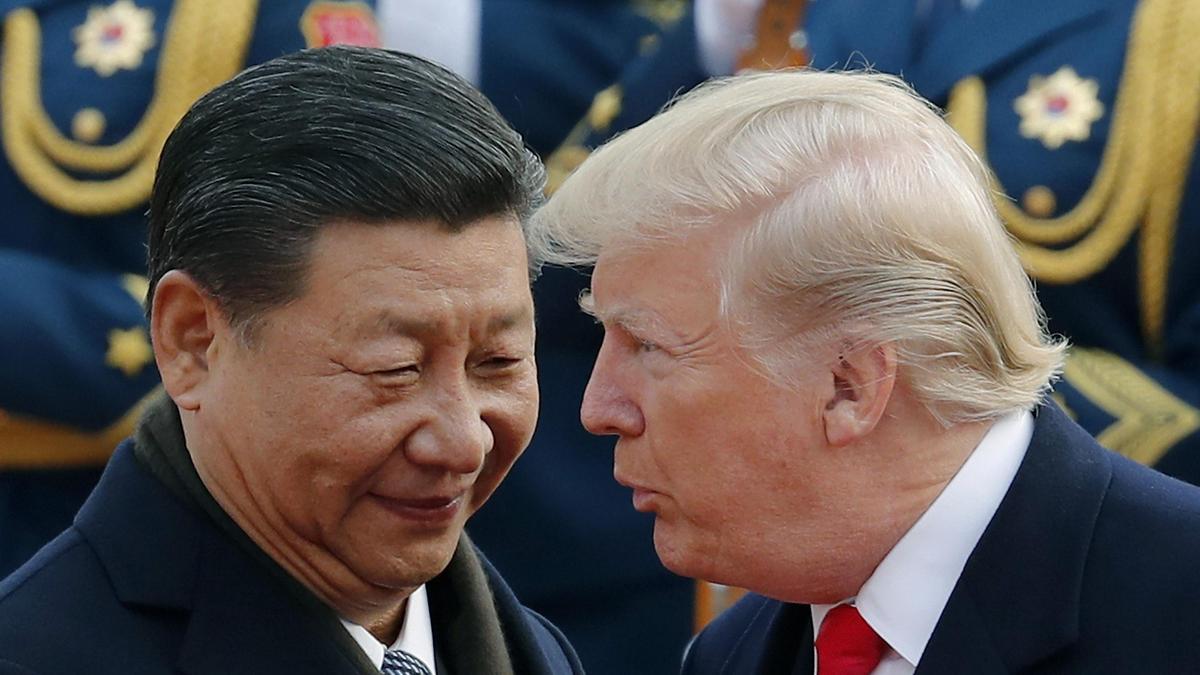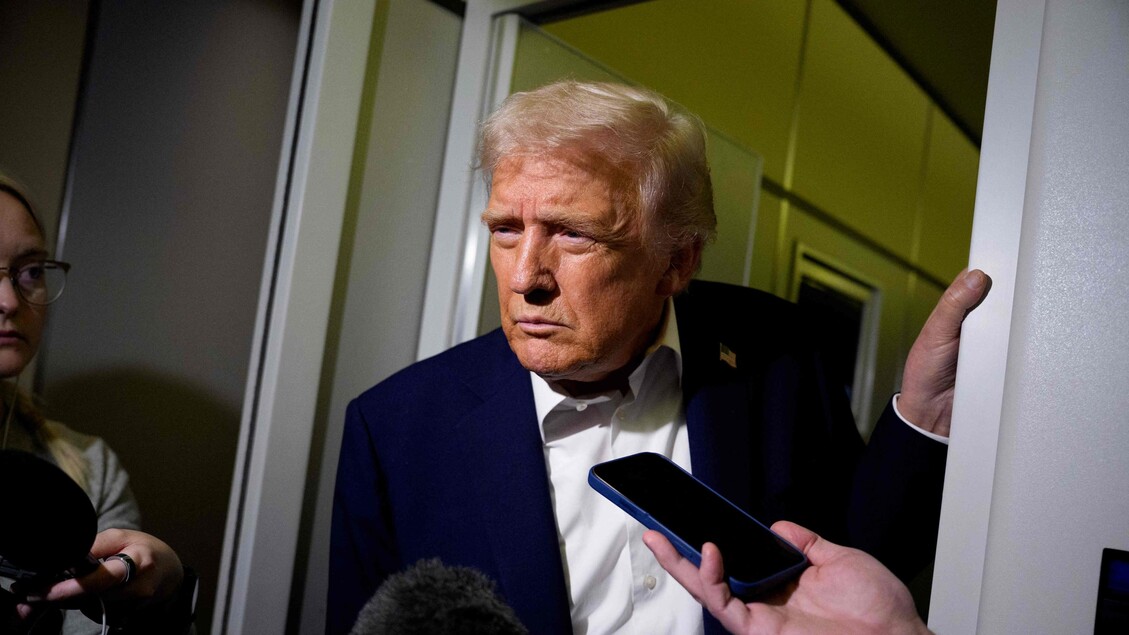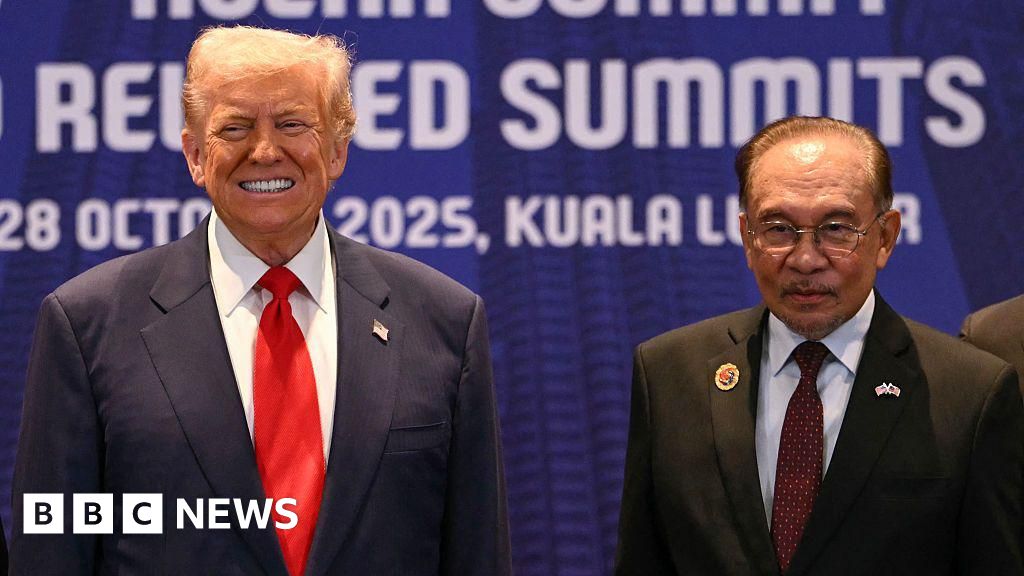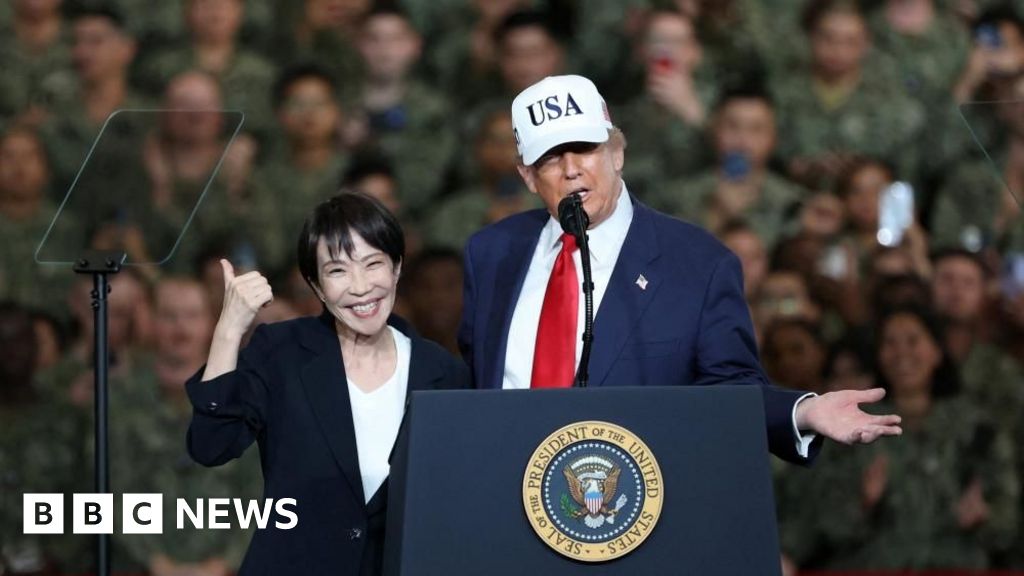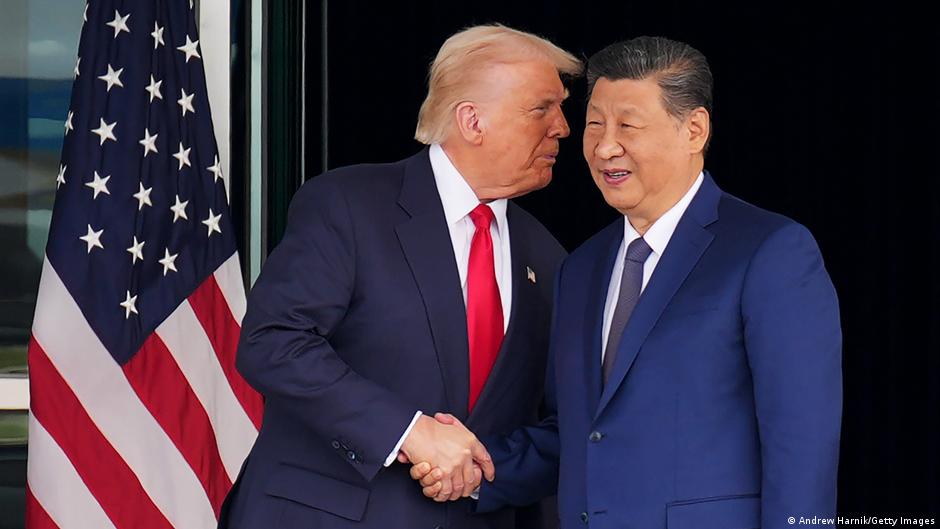
Oct. 23 (UPI) -- President Donald Trump's upcoming diplomatic sweep through Asia -- first to Malaysia for the ASEAN Summit and then to South Korea for the APEC leaders' meeting, with a pivotal sideline encounter planned with China's Xi Jinping -- signals that Washington is recalibrating its power projection in the Indo-Pacific.
Far from a routine tour, the itinerary underscores the administration's intent to fuse economic statecraft with strategic deterrence at a time when the region faces mounting tensions over trade, technology and territorial control.
For allies and rivals alike, the message is unmistakable: The United States is reasserting its presence in a region that has become the epicenter of global competition.
From the contested waters of the South China Sea to the boardrooms shaping semiconductor supply chains, Trump's Asia tour is more than symbolic diplomacy -- it's a declaration that economic leverage and military posture now move in tandem. How Beijing, Seoul and the broader ASEAN bloc interpret this choreography may well define the next phase of the Indo-Pacific order.
At the heart of Trump's strategy are three defining pillars: identifying China as the primary rival; projecting overwhelming military strength to deter its moves in the South China Sea and Taiwan Strait; and pushing regional partners to shoulder more defense responsibilities.