Story audio is generated using AI
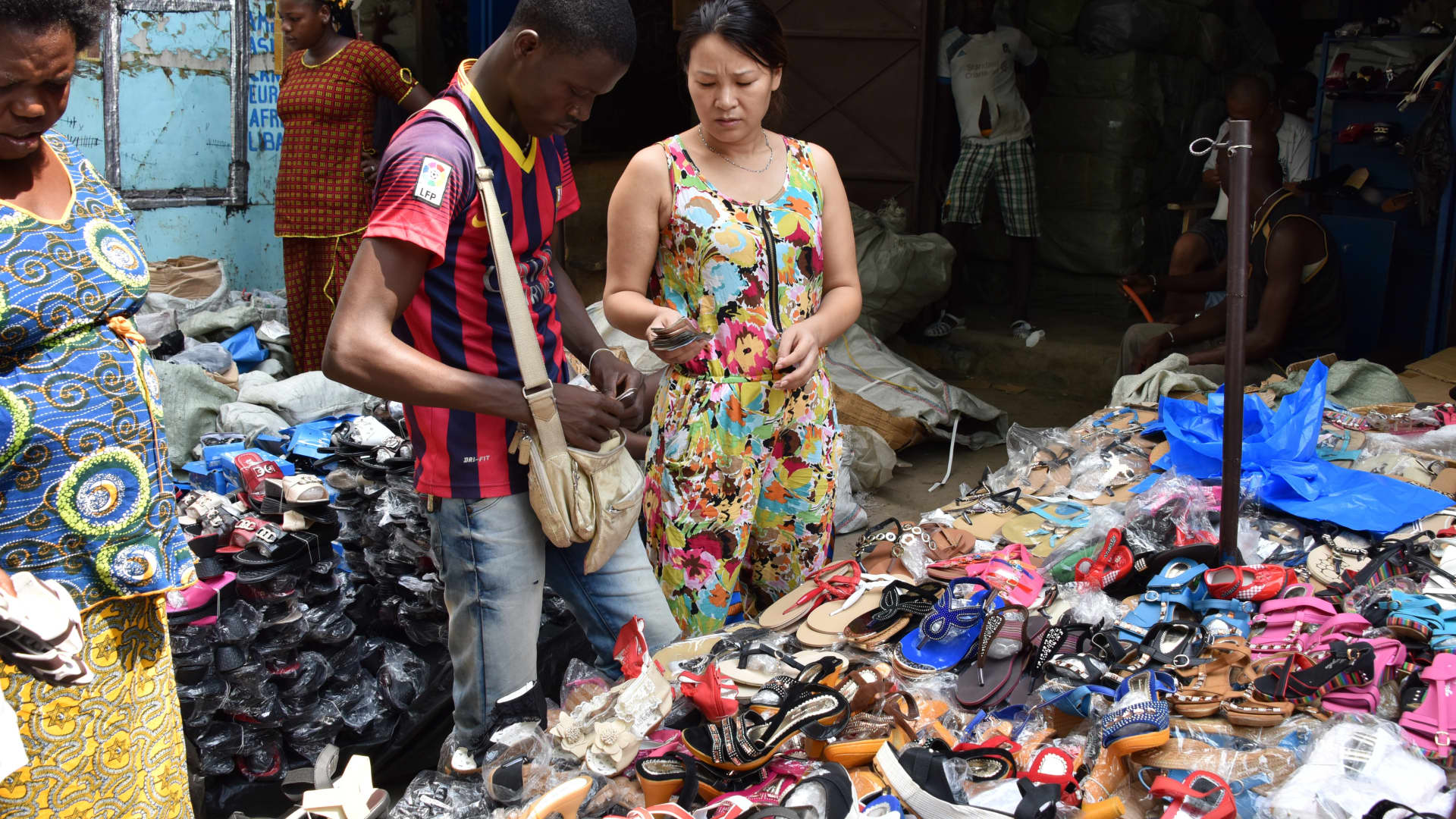
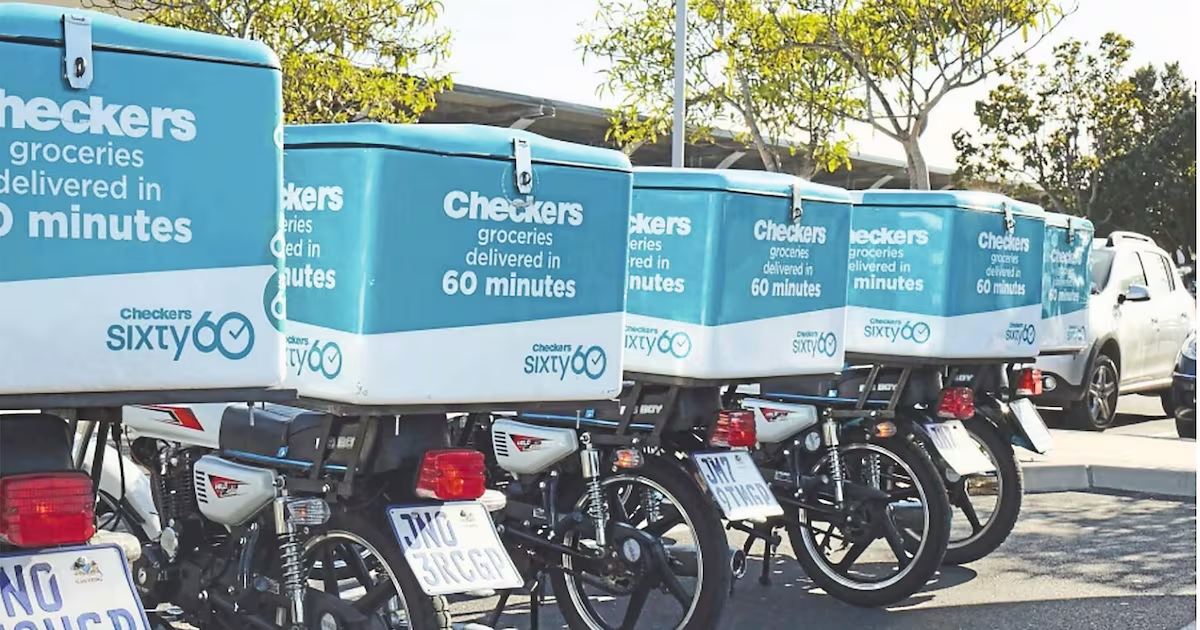
Consumer goods companies looking to grow in Africa will have to abandon broad national expansion strategies and instead target specific cities where consumers have better spending power.This is according to the report “Africa’s Two-Speed Consumer Market” by World Data Lab and Trade Intelligence, which has found that consumer demand is becoming increasingly concentrated in a small number of urban centres, making countrywide growth strategies less effective.The report says national distribution models often fail to reflect where commercial opportunities actually exist because consumer demand is unevenly spread across the continent.“In many countries, the path from product to shopper still depends heavily on informal trade networks and fragmented last-mile distribution, making execution complexity a defining feature of the operating environment,” it says.The report finds Africa’s consumer class is expected to grow from 358.5-million people in 2026 to 430.6-million by 2030, increasing its share of the global population from 23.2% to 25.5%. However, that growth will not be evenly distributed across countries or cities.Read: NEWS ANALYSIS | Africa’s FMCG growth story masks mounting challenges for brandsInstead, companies will need to focus on cities with high consumer participation and spending power while adopting different approaches for markets where consumers remain constrained, it says.The report says broad national distribution strategies become inefficient when consumer demand is concentrated in a limited number of cities and fragmented across different markets. It recommends deeper execution in high-density urban markets, targeted expansion into emerging growth centres and more flexible distribution models for lower-income markets.The findings challenge the long-standing assumption that population size alone determines commercial opportunity.Among Africa’s biggest economies, large populations do not necessarily translate into large consumer markets, according to the market researchers. Nigeria has the continent’s largest population at 237.8-million people, but only 80.3-million people are classified as consumers, representing a consumer share of 33.8%. Ethiopia has a population of 134-million but a consumer headcount of just 14-million, or 10.5%.The report says commercial opportunity is defined by purchasing power rather than population size, making consumer participation a more important measure than total population when companies decide where to invest.Consumer demand is also concentrated in a handful of cities.Cairo is Africa’s largest consumer market with more than 15.2-million consumer-class residents, followed by Lagos with 9.5-million and Alexandria with 5.2-million. Johannesburg ranks among the continent’s major consumer hubs with more than 4.6-million consumers.While these cities continue to dominate consumer scale, future growth is increasingly shifting towards secondary urban centres.In 2026-30, Cairo is expected to add about 1.56-million consumers while Conakry, Dar es Salaam and Addis Ababa are projected to record some of the biggest increases in consumer-class headcount.The report finds consumer growth does not automatically translate into higher spending.In 2026-30, Cairo is expected to generate almost $29.9bn in additional consumer spending, followed by Alexandria with $11.1bn and Abidjan with $8.3bn. Johannesburg is expected to contribute $6.4bn despite slower consumer growth, reflecting its higher spending power.It said businesses should distinguish between markets where consumer numbers are growing and those where spending value is being created.The report finds that millions of people remain beyond the reach of consumer goods companies due to structural barriers.Consumer participation exceeds 90% in Seychelles but remains below 1% in countries such as the Central African Republic, Niger and Burundi. At city level, several markets in the Democratic Republic of Congo continue to record extremely low consumer penetration despite having large populations.The report says these markets require different operating models, including smaller pack sizes, lower price points and flexible distribution networks, rather than conventional expansion strategies.South African retailers have had mixed experiences expanding into Africa. Tiger Brands bought a stake in Nigerian company Dangote Flour Mills in 2012 for about $190m. By 2014 it recorded an R850m impairment, and in 2015 it divested, taking an R2.7bn write-down. Shoprite expanded into African markets over nearly two decades before exiting several of them in recent years.Affordability also remains a defining feature of the consumer environment.The report finds many shoppers remain highly price sensitive, buying essential goods more frequently in smaller baskets while showing lower levels of brand loyalty. It says companies will increasingly need to balance affordable products with selective premium offerings as Africa’s consumer base becomes more diverse.