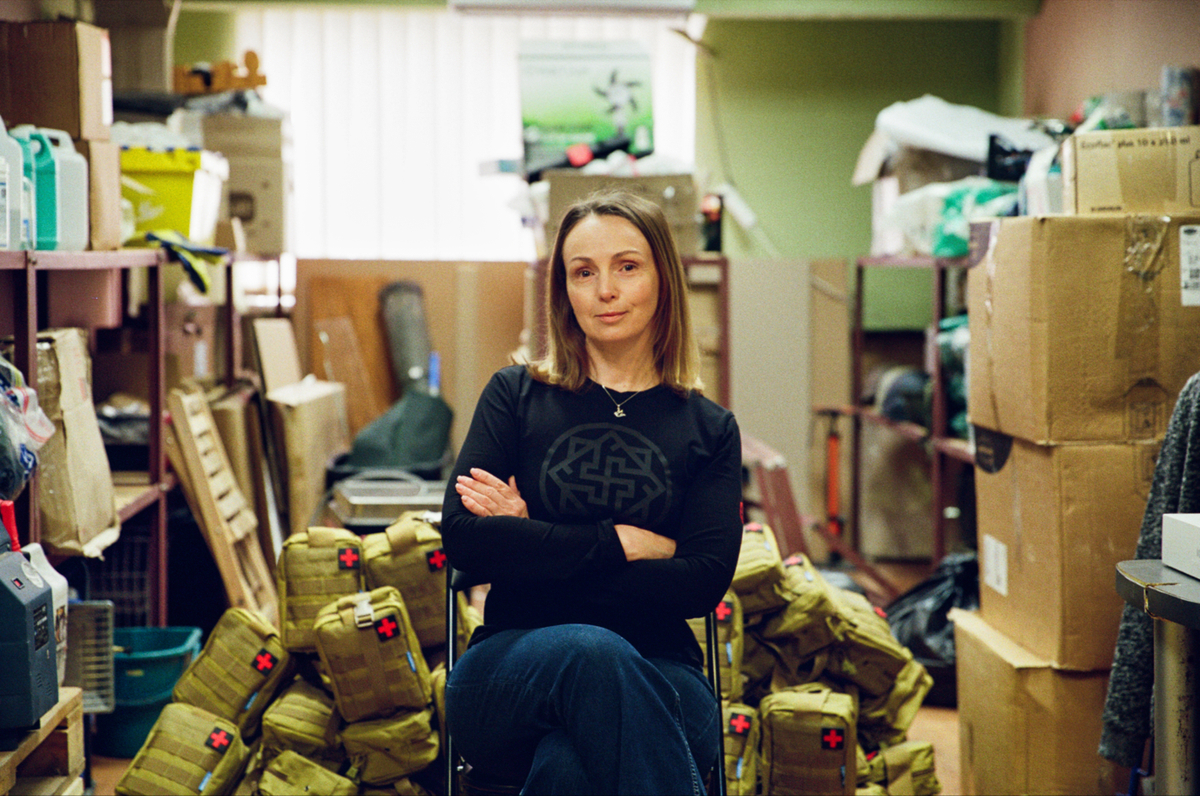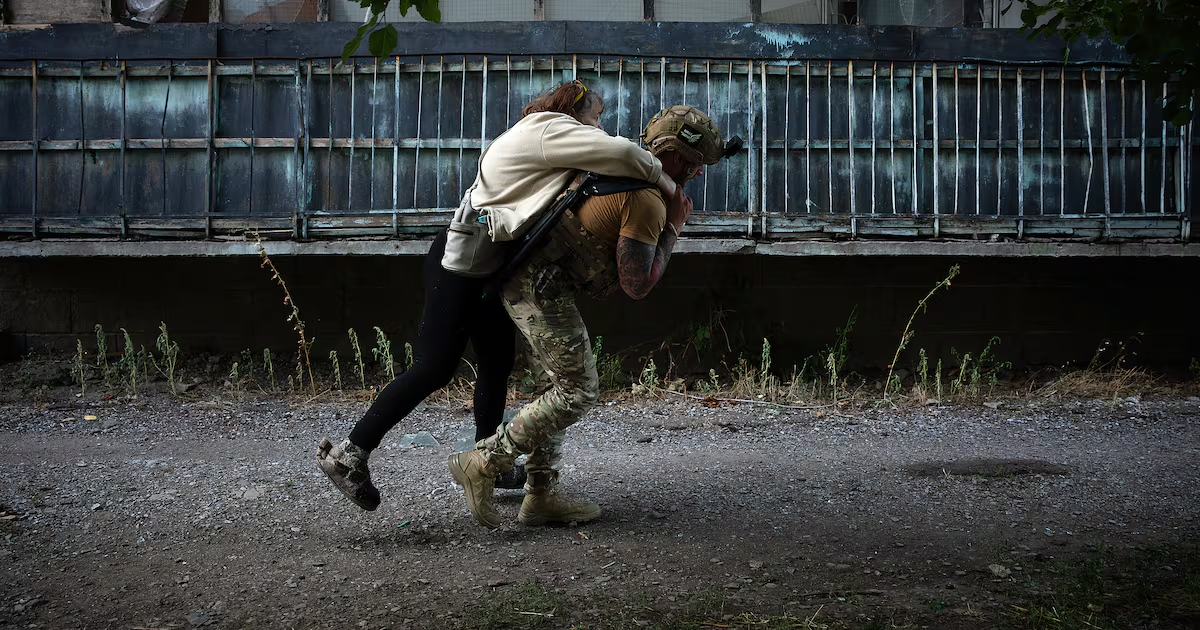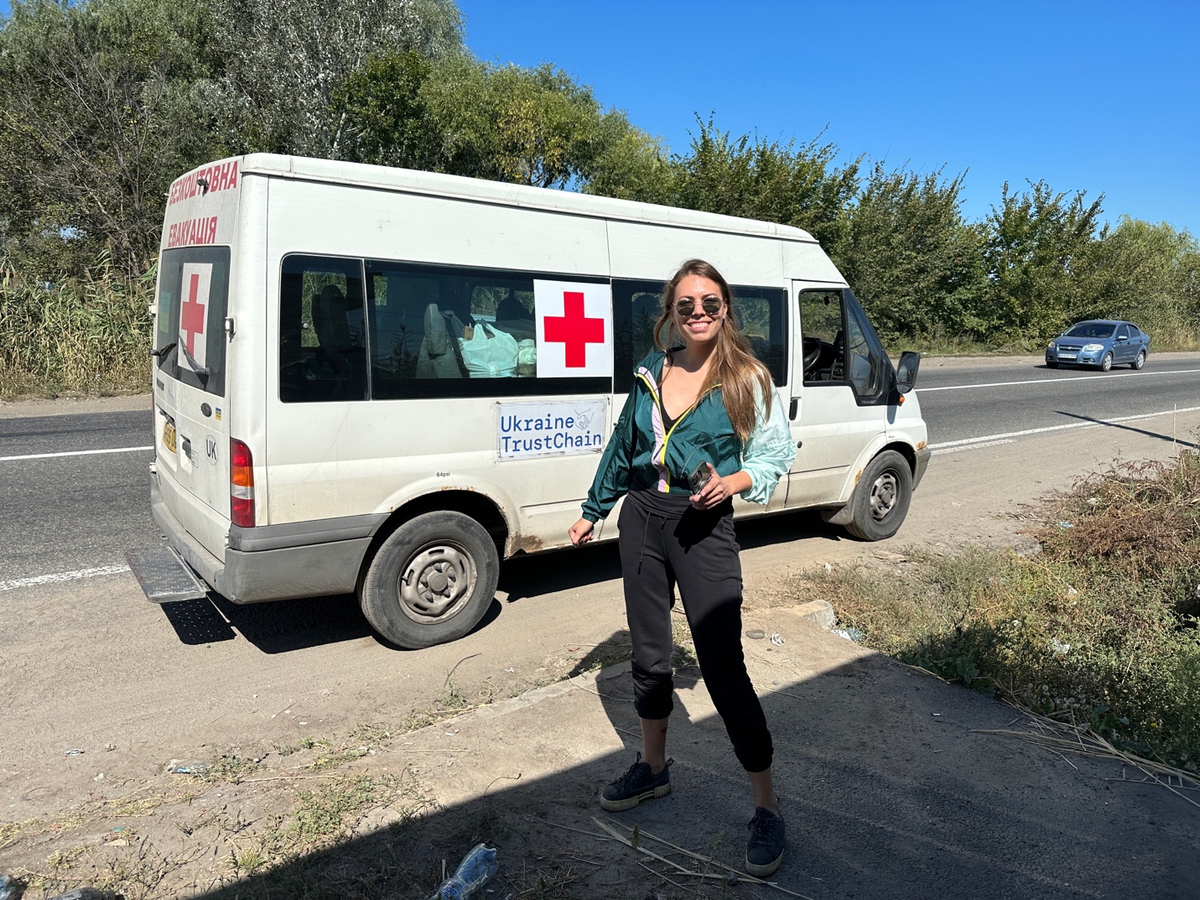
When Russia launched its full-scale invasion, Alina Holovko, a resident of Dnipro, spent her days organizing volunteers to assemble Molotov cocktails as Russian forces threatened to reach the city. She and other volunteers founded Dobra Sprava, a humanitarian organization that evacuates civilians from frontline communities. In the early months of the war, those evacuation drivers were overwhelmingly men, making repeated trips into cities such as Lysychansk, Rubizhne, Siversk and later Bakhmut. But as the war dragged on and Ukraine’s military demanded more manpower, many of those volunteers were mobilized into the armed forces.JOIN US ON TELEGRAMFollow our coverage of the war on the @Kyivpost_official. More than four years of war have steadily reduced the pool of experienced civilian volunteers. A July 2026 CSIS analysis estimated Russia had suffered roughly 1.4 million battlefield casualties and Ukraine between 525,000 and 625,000 since the full-scale invasion. An April 2026 Human Rights First report found that the trend extends beyond Dobra Sprava, documenting that volunteer groups across eastern Ukraine are turning to women to conduct evacuations as experienced male volunteers are mobilized or lost to Russian attacks. Emily Channell-Justice, director of the Temerty Contemporary Ukraine Program at the Harvard Ukrainian Research Institute, said the trend predates Russia’s full-scale invasion. Women began building volunteer networks after Russia’s first invasion in 2014. Many later evolved into established NGOs, allowing them to expand quickly after the full-scale invasion. “People saw that there was a need, and they could fill it, so they did,” Channell-Justice said.
At Ukraine’s Front, Women Take On Increasingly Dangerous Humanitarian Work
More than four years into the war, women in Ukraine are increasingly leading civilian evacuations and delivering humanitarian aid in frontline areas as the pool of male volunteers shrinks.
977 words~4 min read