‘The day never stops’ for aid workers braving missiles and drones in Ukraine
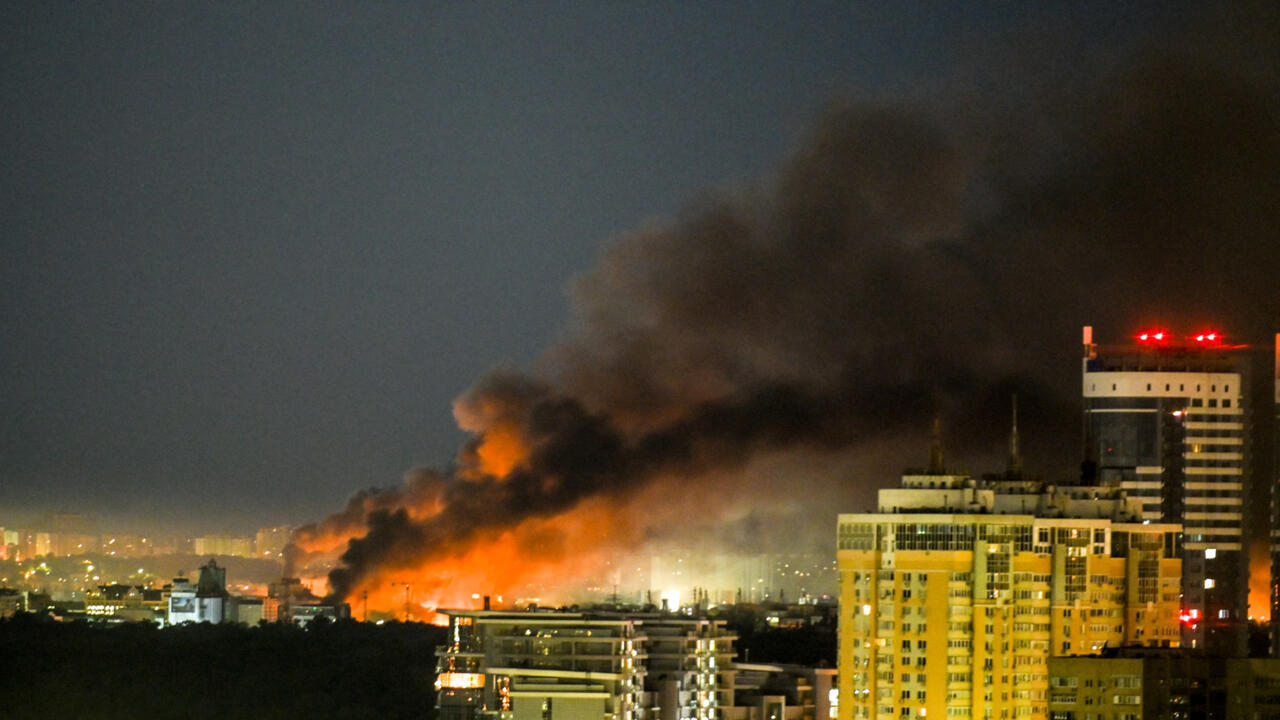
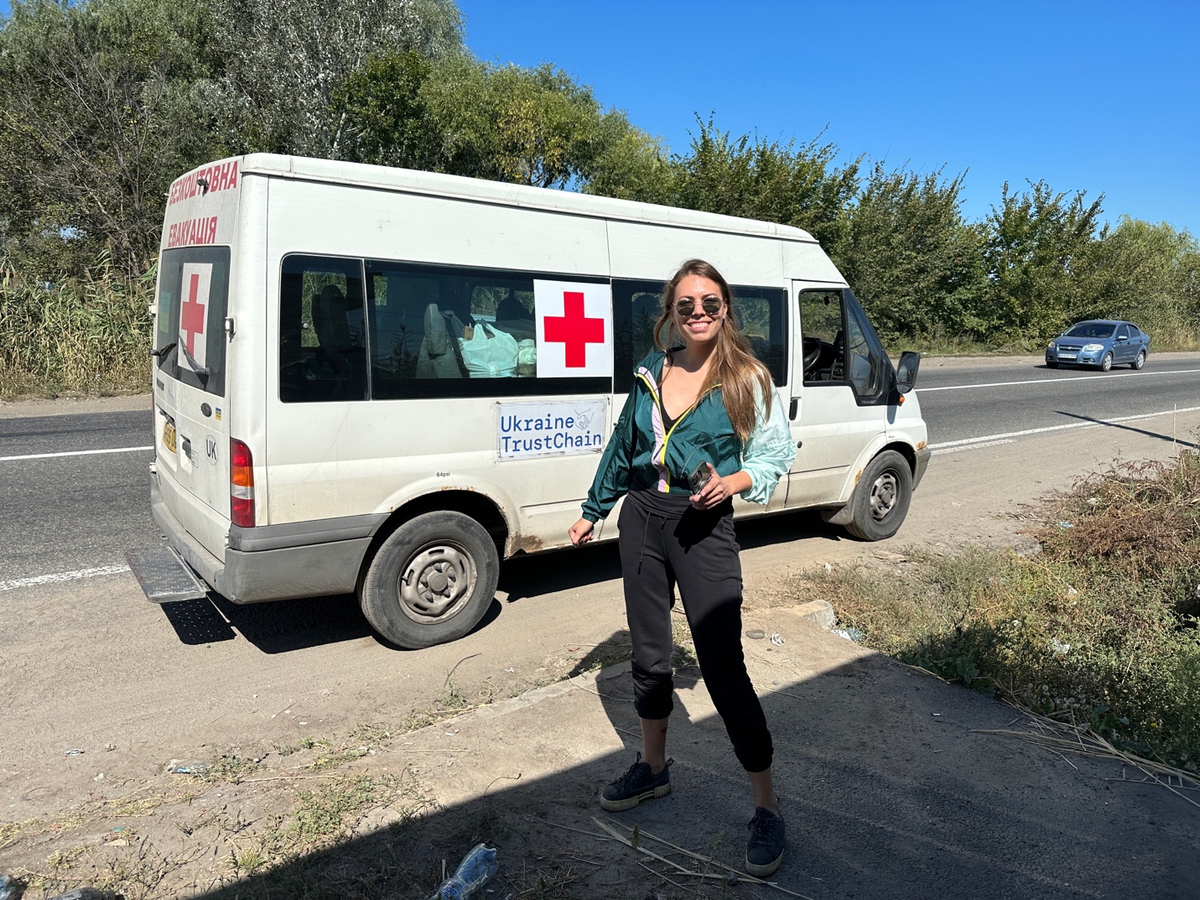
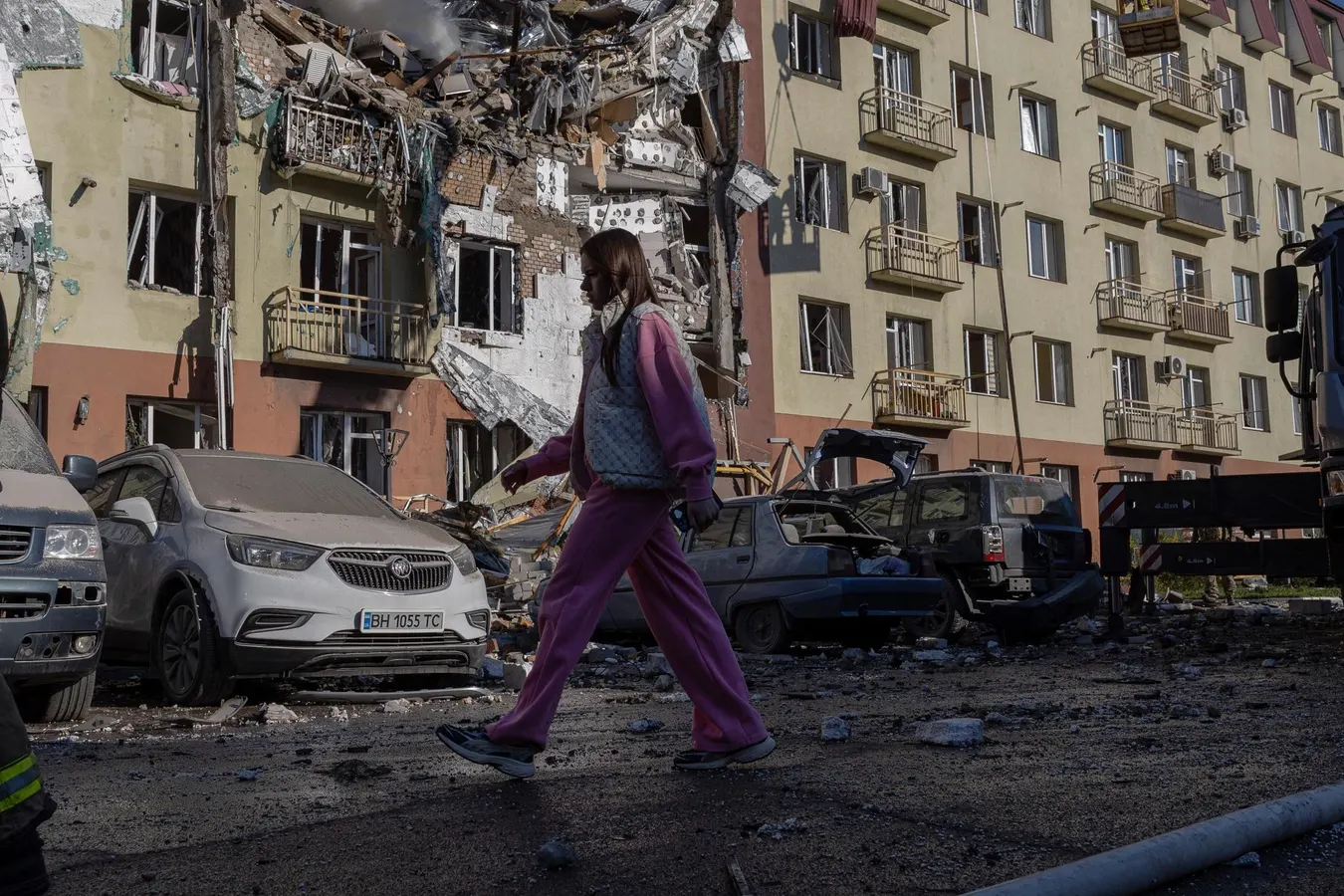
For Olga Scripovscaia, a field security coordination officer based in Odesa, each day starts with the same question: “what changed overnight?”After nights frequently interrupted by air alerts and coordinated attacks, mornings are spent reviewing incident reports, checking updates from local authorities and monitoring conditions across Odesa, Mykolaiv and Kherson, areas where humanitarian access can change within hours.“There is always something ongoing here,” she said. “Things are never quiet.”‘A road that is usable today may not exist tomorrow’ Ms. Scripovscaia works across all UN agencies operating in southern Ukraine, helping assess whether missions can proceed safely and advising on movement plans, operational concepts and contingency measures. Her team monitors security conditions around the clock, producing flash reports after incidents and conducting personnel headcounts whenever attacks occur.“A road that is usable today may not exist tomorrow,” she explained.
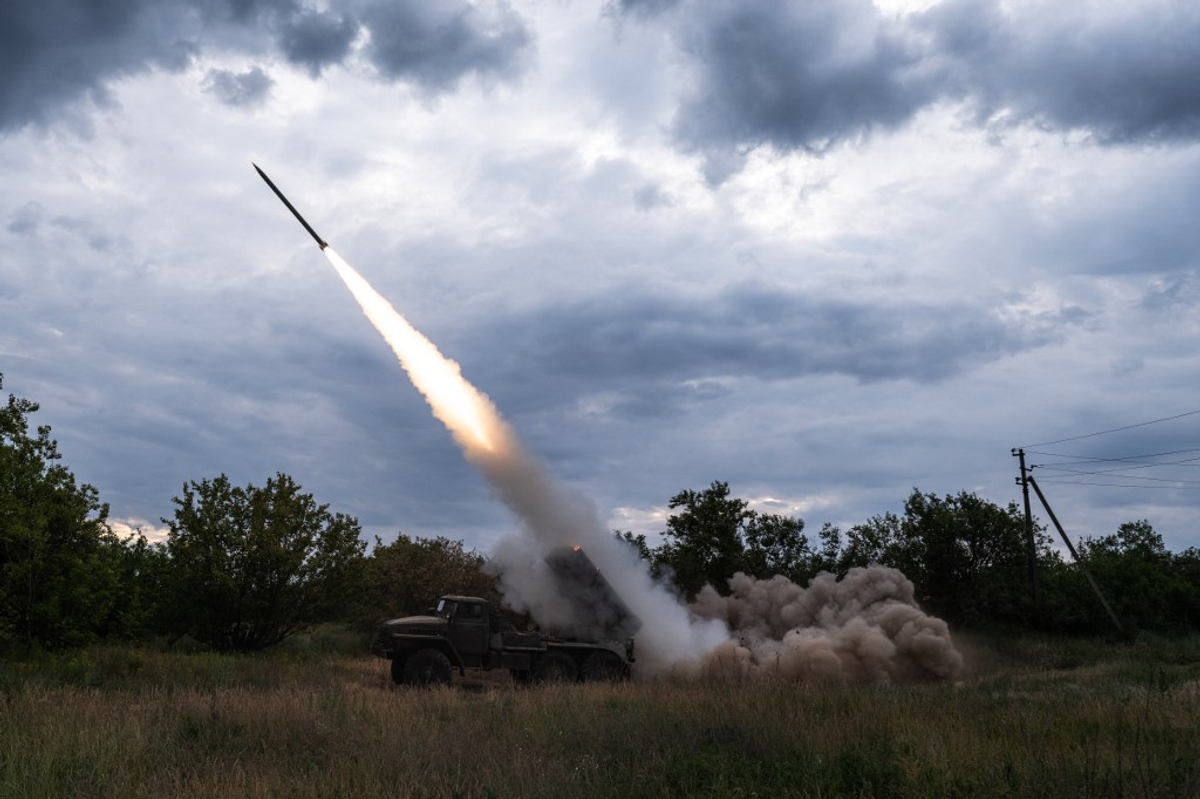
Conditions on the ground continue to evolve. According to Ms. Scripovscaia, increasingly sophisticated threats, including mines and highly precise drones, require constant reassessment of routes and operational procedures.If missions are planned in areas where conditions have recently deteriorated, teams may need to reroute or delay deployments entirely.‘You see tears. You see emotions’Coming from a military background, she says structure remains essential to managing the volume of information and decisions that flow through security operations.Yet she believes her experience as a woman in the field shapes how she approaches the work.“Being a woman, maybe you see more than protocol,” she said. “You see tears. You see emotions. You see things beyond procedures.” That perspective, she explained, becomes especially important before missions into difficult environments.