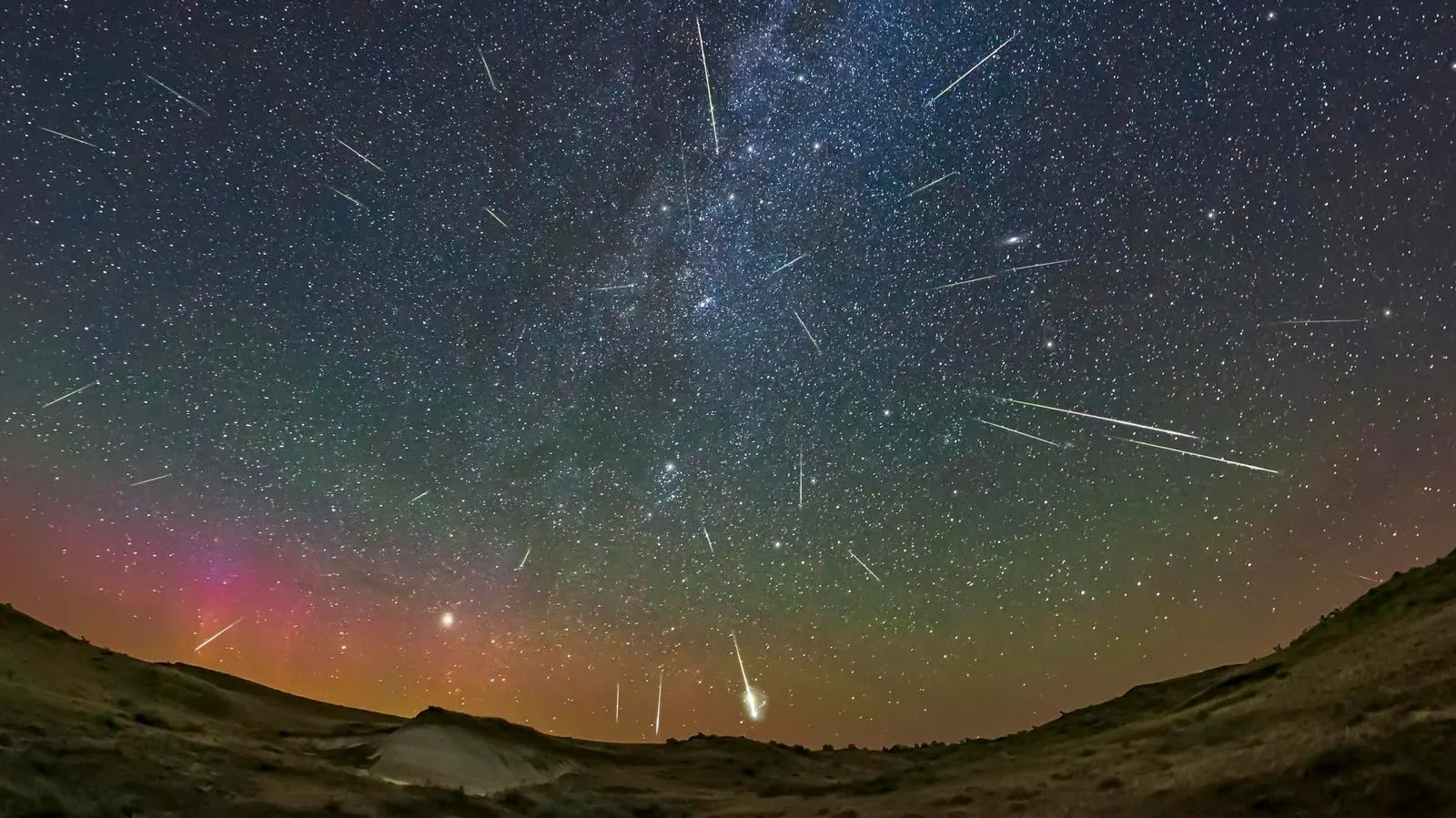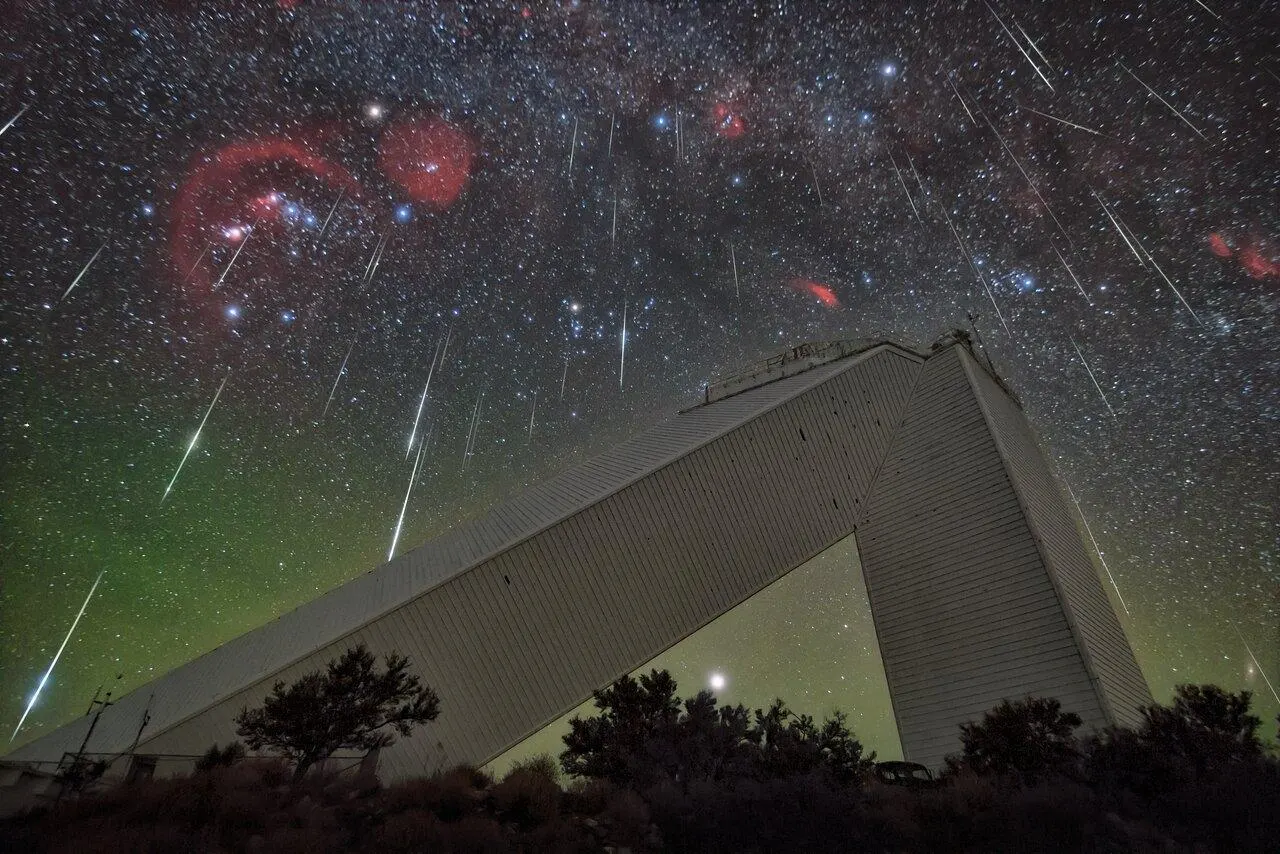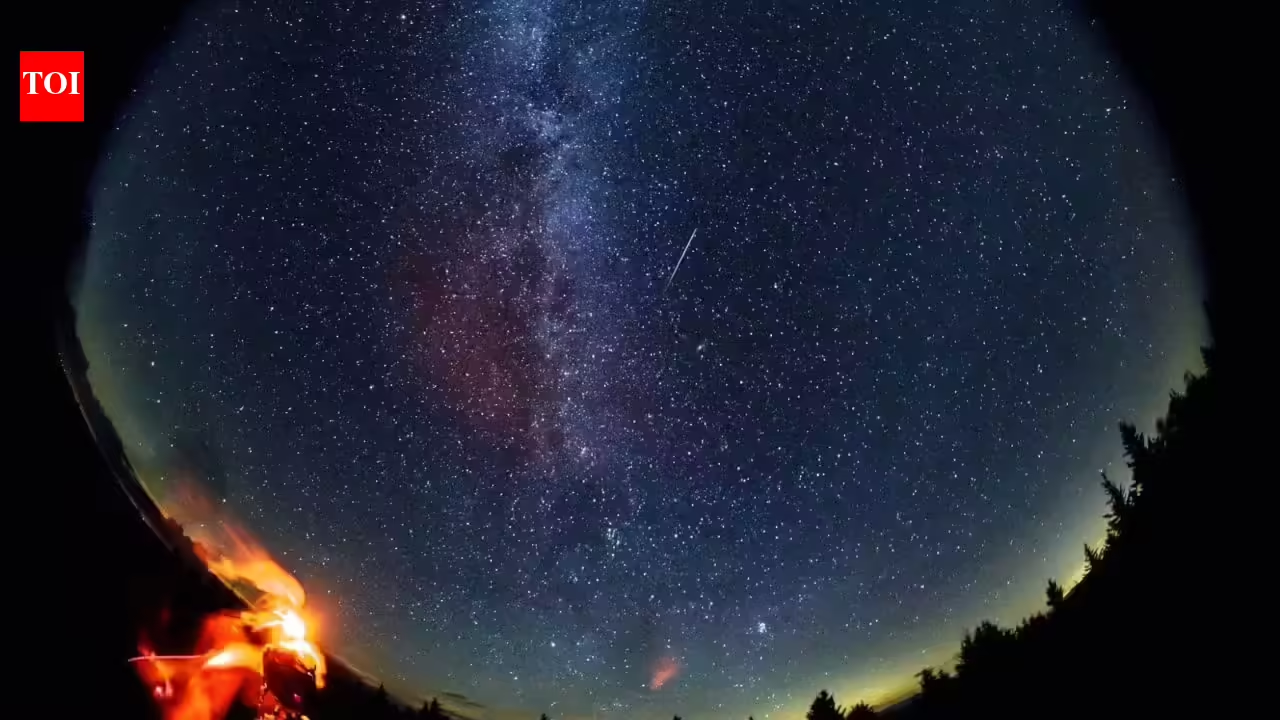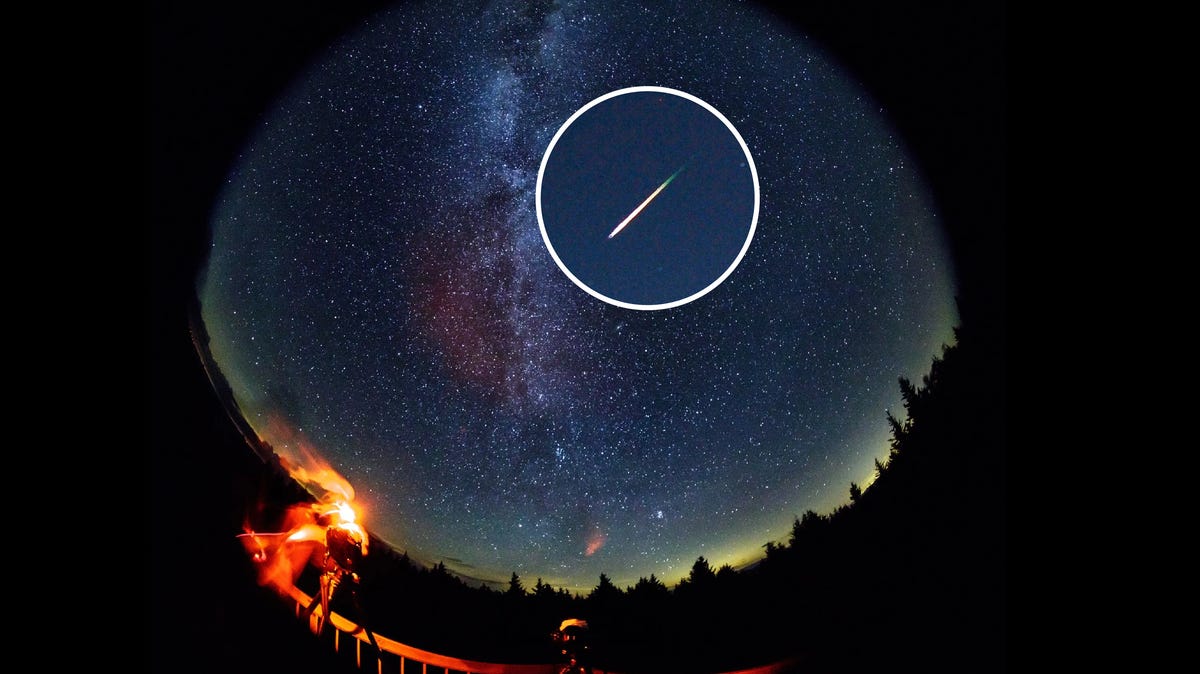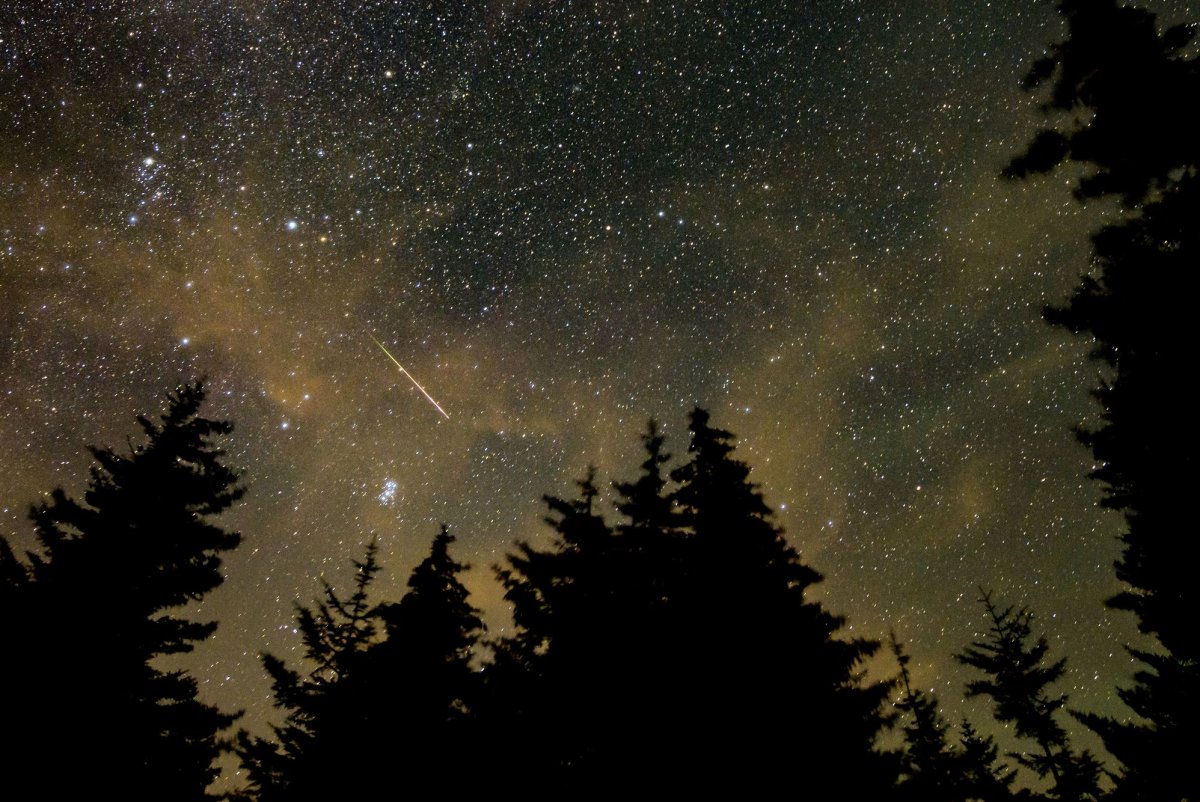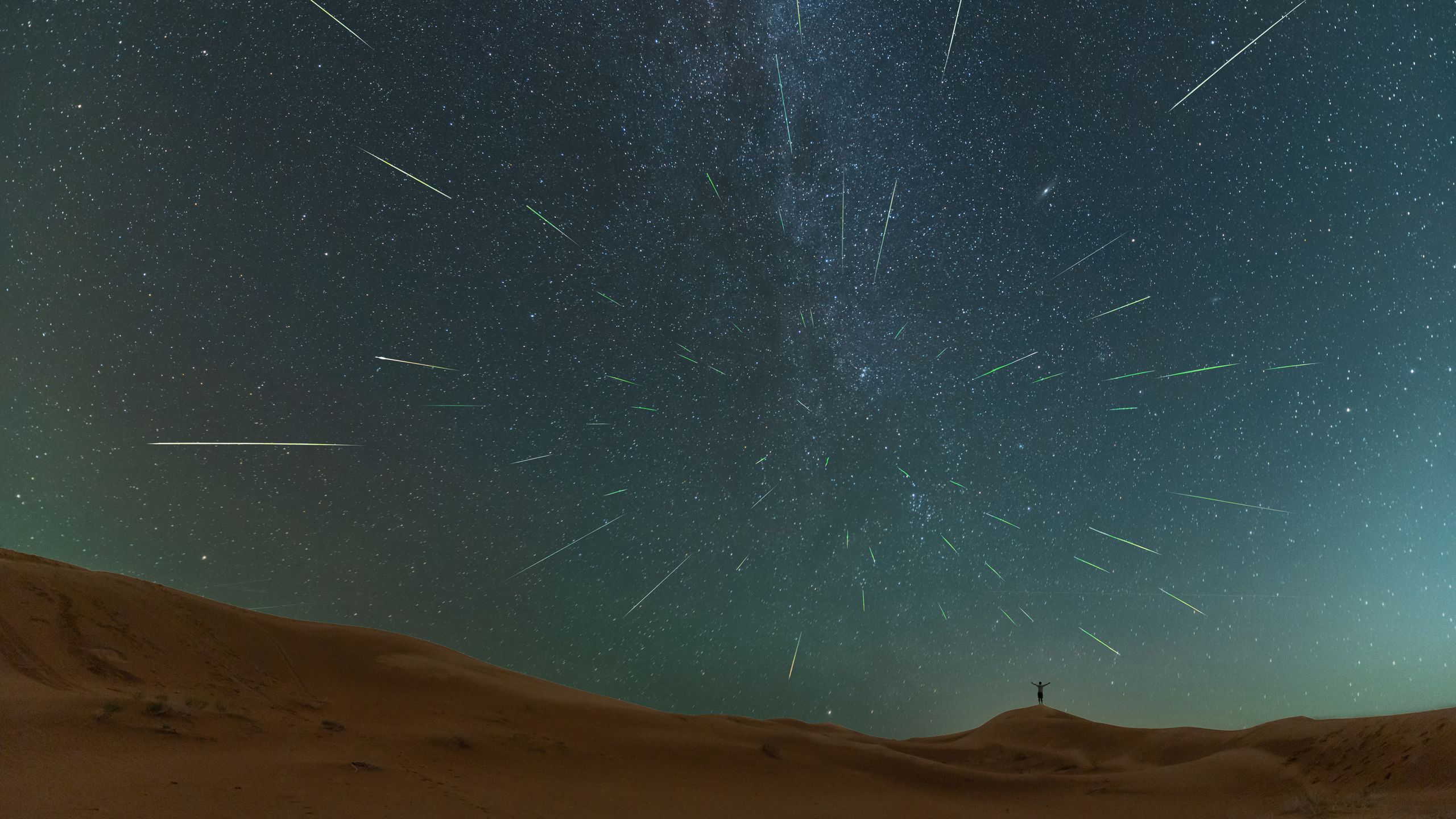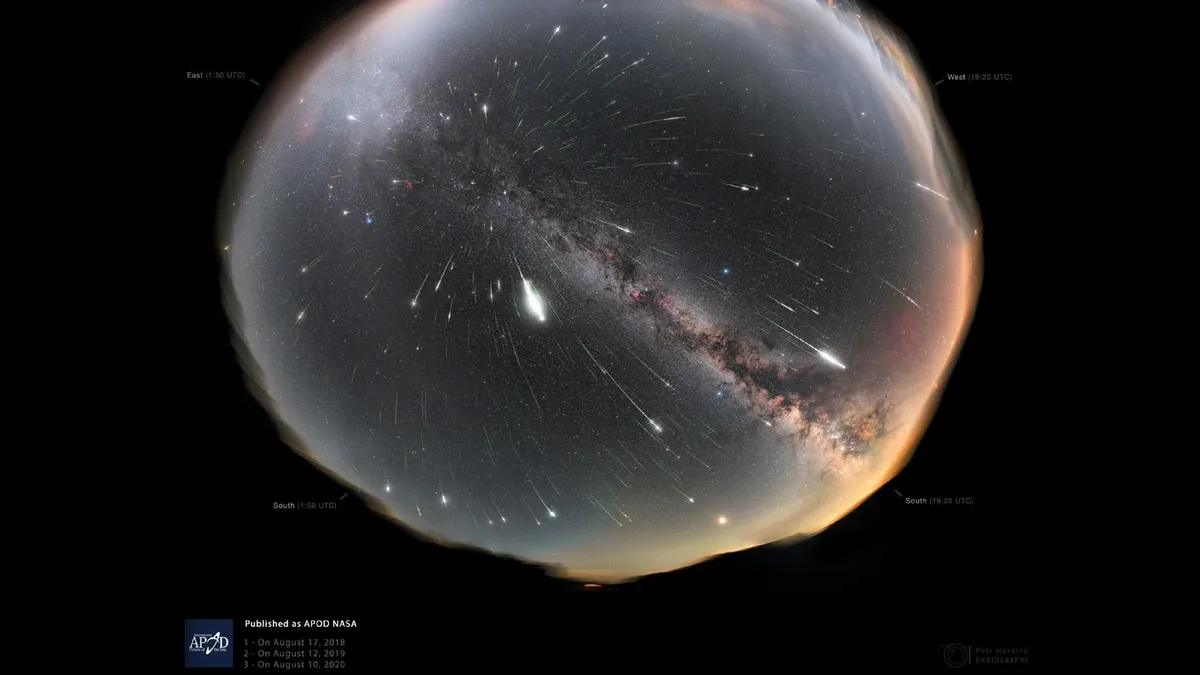
Get ready, stargazers. July is about to get busy with shooting stars as two major meteor showers become active.Beginning in mid- to late July, the Southern Delta Aquariids and Perseids meteor showers will light up the night sky through August, giving skywatchers several chances to catch meteors. Some of these showers are known for their dazzling fireballs, while others can produce dozens of meteors per hour under dark, clear viewing conditions.Here's your guide to these popular meteor showers, including the best times and places to view them.Southern Delta Aquariids meteor shower – When and where to see it bestThe Southern Delta Aquariids are active between July 12 to Aug. 23 and are predicted to peak on July 30-31, according to the American Meteor Society. Unlike many meteor showers, the Southern Delta Aquariids do not have a sharp, well-defined peak. Instead, they produce a fairly steady display from late July into early August, overlapping with and complementing the annual Perseid meteor shower, according to EarthSky.You can expect to see about 15 to 20 meteors in a dark sky with no moon, but this year there will be a bright waning gibbous moon, which could limit the number of shooting stars you may see.Unable to view our graphics? Click here to see them.Where do the Southern Delta Aquariids come from?The Southern Delta Aquariids, like other meteor showers, originate from a comet. Scientists believe Comet 96P/Machholz is the parent comet of this shower. Discovered in 1986, the comet is known for leaving a trail of dust and debris along its path as it travels around the Sun, according to EarthSky.Perseid meter shower – When and where to see it bestThe Perseids, considered one of the Northern Hemisphere’s most impressive celestial displays, will be active from July 17 through Aug. 24. The meteors will steadily increase every night until they peak on the night of Aug. 12 and the early morning of Aug. 13, according to the American Meteor Society. Viewing conditions will be ideal this year because of the dark New Moon during the peak.For the best chance of spotting shooting stars, head outside in the early pre-dawn hours, when the shower’s radiant (the point in the sky from which the meteors appear to emerge) reaches its highest position above the horizon, making meteors easier to view. Under dark rural skies, observers could see about 30 to 50 shooting stars per hour.Where do the Perseid meteors come from?Comet Swift-Tuttle, the parent body of the Perseid meteor shower, was discovered in 1862 by American astronomers Lewis Swift and Horace Tuttle, according to NASA. As the comet travels along its orbit, it leaves behind a trail of dust and debris. Each year, Earth passes through this debris stream, and the particles burn up in our atmosphere, creating the bright streaks of light known as the Perseid meteors.Meteor shower viewing guide: What to do before you head outThose hoping to see the shower should also do the following, according to the American Meteor Society:Find a dark location away from light pollutionGive your eyes 20 to 30 minutes to adjust to the darkAvoid looking at phones or bright lightsFor optimal comfort, dress appropriately for the weather, use bug spray and bring a blanket or a reclining chair.
Meteor shower activity is coming this July. When to look up
Beginning in mid- to late July, two major meteors showers will light up the night sky. Here's when and where to get the best views.
543 words~2 min read