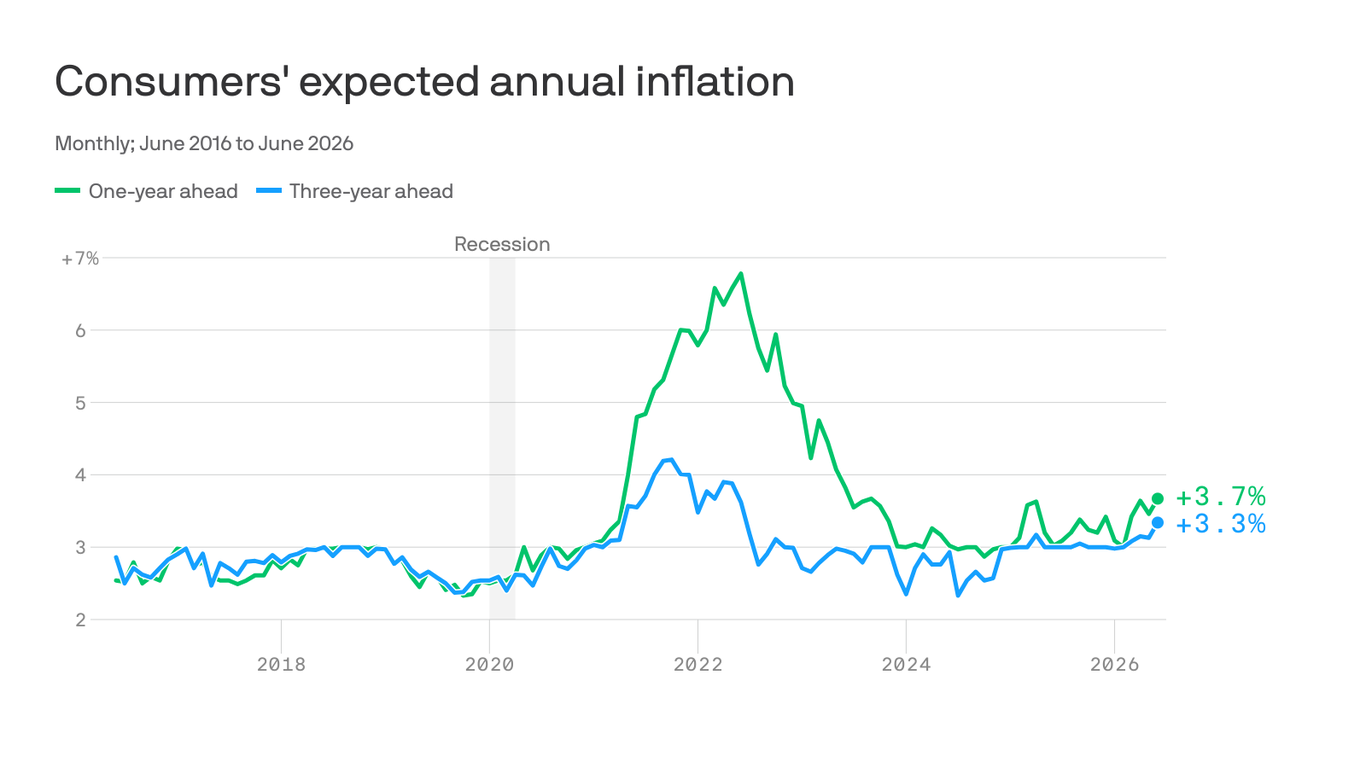
The Wall Street Journal’s latest economic forecasting survey just delivered the macro equivalent of a mixed report card. The good news: economists think the US is far less likely to tumble into a recession than they did three months ago. The not-so-good news: inflation is sticking around like a houseguest who keeps finding reasons not to leave.
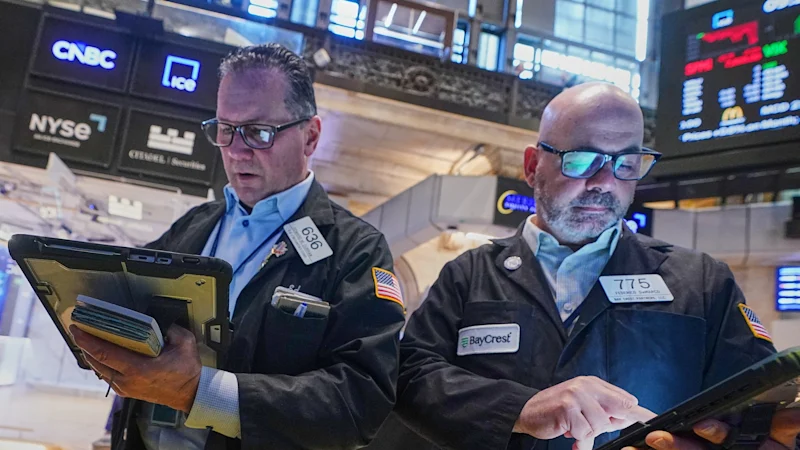
The quarterly survey, conducted July 3-8 with 69 economists participating, pegged the average recession probability over the next 12 months at 33%. That’s a meaningful drop from the 45% reading in April, and a sharp retreat from earlier 2025 peaks that ranged as high as 45-60% when tariff anxieties were running hot.
The numbers behind the mood shift
Beyond the headline recession figure, economists broadly upgraded their outlook across several key metrics. Near-term GDP growth forecasts moved higher. Projections for job creation strengthened. And inflation estimates, while still elevated, were actually revised downward relative to the prior survey.
The driver behind this more optimistic stance? Tariff-related price pressures turned out milder than feared. Earlier in 2025, economists were bracing for trade policy to deliver a meaningful hit to both prices and growth. The reality has been less dramatic, at least so far.