di
Alessandra Muglia
The Nobel laureate discusses his new book on human rights and warns of the risks of democratic decline: «We need a diplomacy of the human beings to stop the path of weapons»
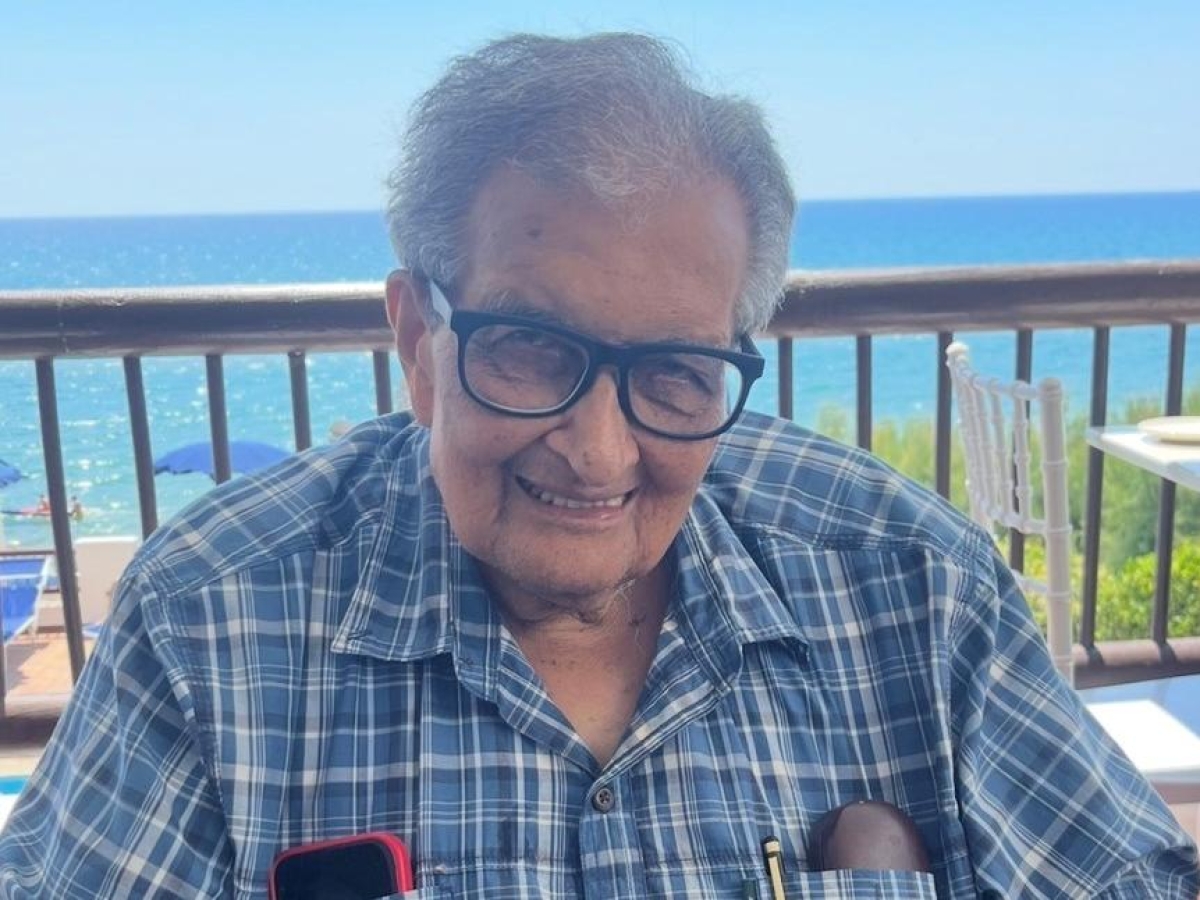
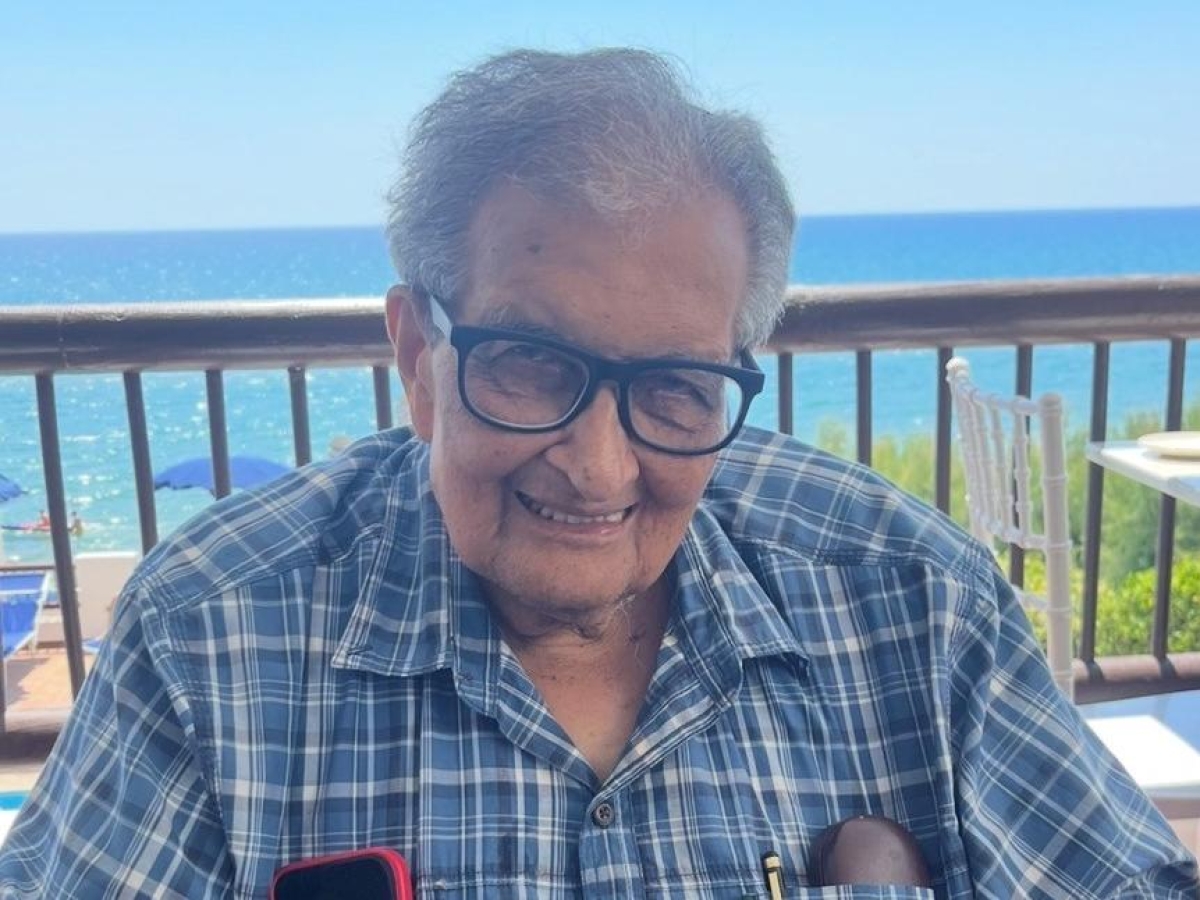
In the last century, Amartya Sen changed the way the world thinks about development. He demonstrated that progress is not measured solely in terms of GDP, but by people's actual capacity to live with dignity. And now, with the current rehabilitation of war as a tool to redefine power balances and resolve international disputes, the Nobel Prize-winning Indian economist and philosopher attempts to point toward a path that gives diplomacy a chance. He does so by broadening the horizon, speaking about human rights—a subject at the core of the book he has just finished writing, The Cement of Humanity: The Power of Human Rights, which is set to be released next year. «This is the first time I am speaking about it with the media», he tells us from a room overlooking the sea in Sabaudia, reminiscent of the vacations he spent here with his father-in-law Altiero Spinelli, adoptive father of his second wife, Eva Colorni, who passed away prematurely. For years, Emma Rothschild, who like him is a professor at Harvard, has been by his side. «Every summer, I used to have long and passionate conversations with Altiero. His Ventotene Manifesto proposed an idea of Europe as a federation of states that support one another, particularly in education and healthcare, which were recognized as universal values».